Northern Red Oak
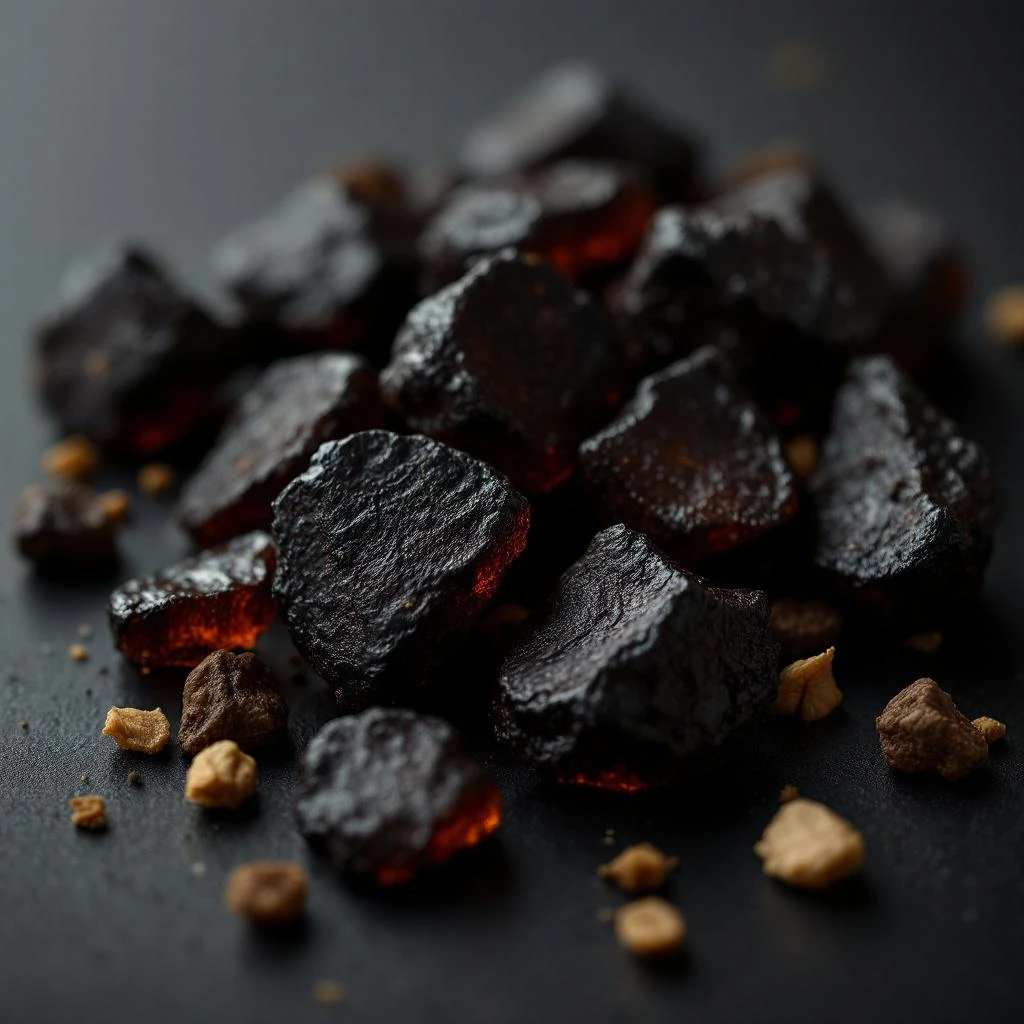
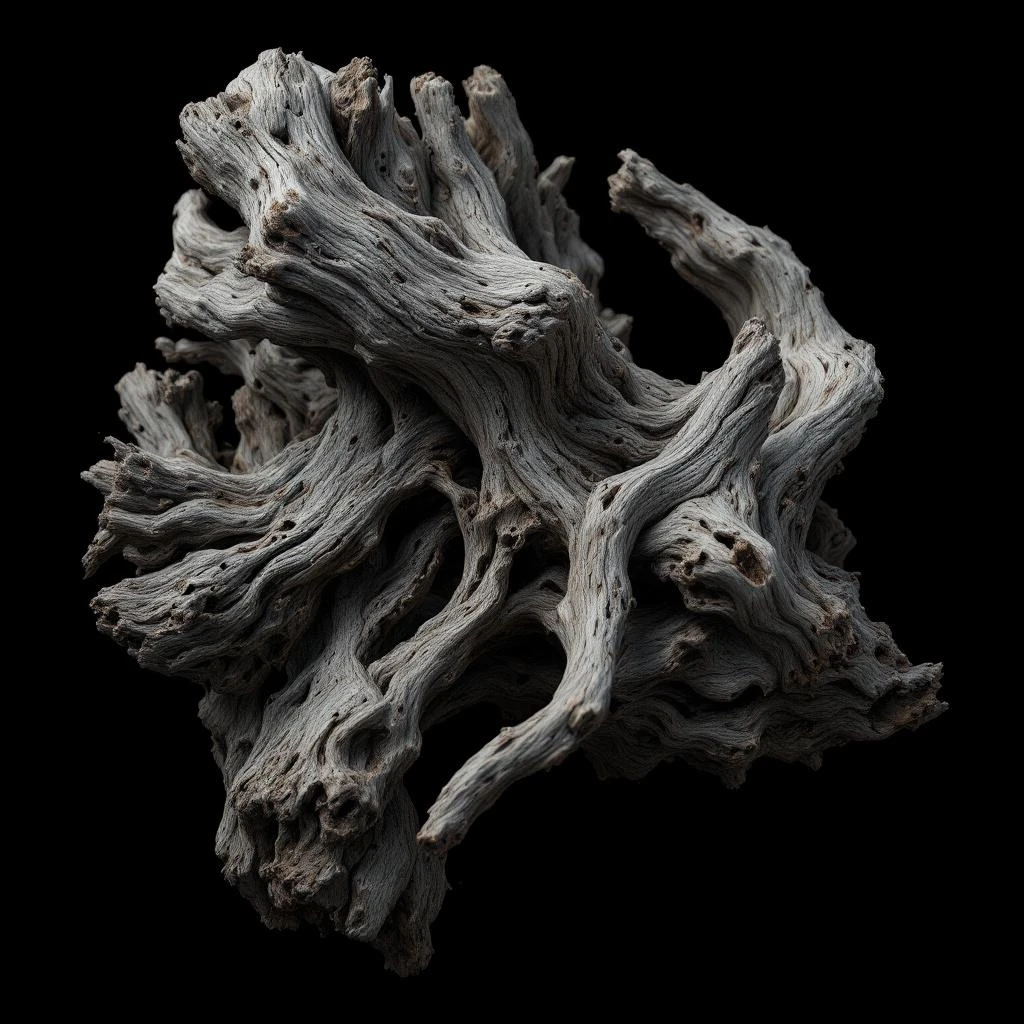
Northern Red Oak delivers a dry, commanding warmth to fragrances with undertones of vanilla and subtle smoke. Native to the vast forests of eastern North America, this robust woody note anchors compositions with a sense of grounded authenticity and natural depth.
Character
How it smells
Dry woodland warmth with vanilla and smoke.
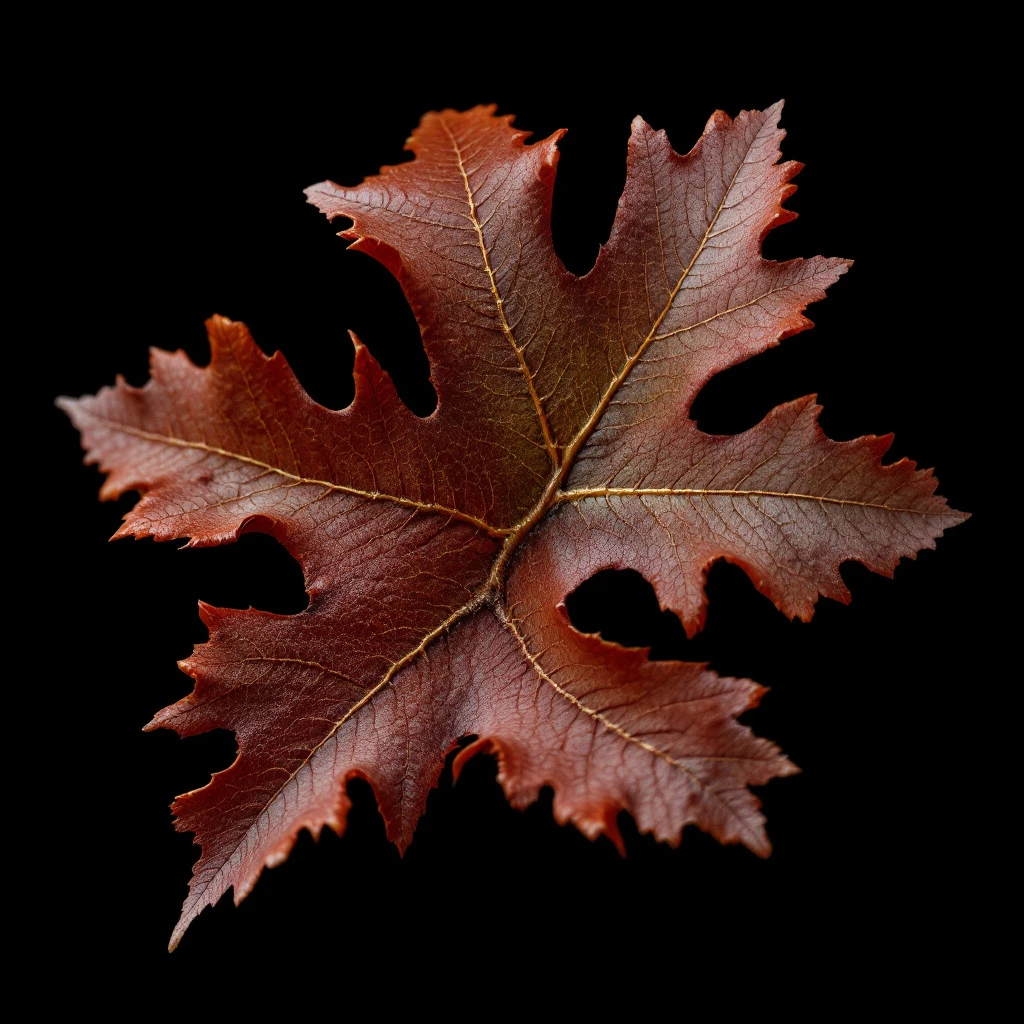
Northern red oaks in second-growth forests typically sprout from root systems rather than growing from acorns, allowing rapid forest regeneration after disturbance.




Origin
United States
Oak has shaped perfumery since antiquity, when Mediterranean cultures burned oak leaves and bark in ceremonial contexts. The 19th century marked a turning point when French perfumers began aging fragrance materials in oak barrels, discovering that the wood's porous structure and vanillic compounds added remarkable depth during maturation.
Northern Red Oak specifically gained recognition as perfumers sourced native North American materials during periods of trade expansion. The species itself has played ecological and cultural roles across eastern North America for millennia, feeding wildlife through its biennial acorn crops and providing durable timber.
Contemporary perfumers return to this material for its distinctly American expression of oak character, distinguishing it from European and Mediterranean oak species. The wood's prominence in modern woody and oriental fragrances reflects a broader appreciation for authentic, place-based ingredients.
Wears it best
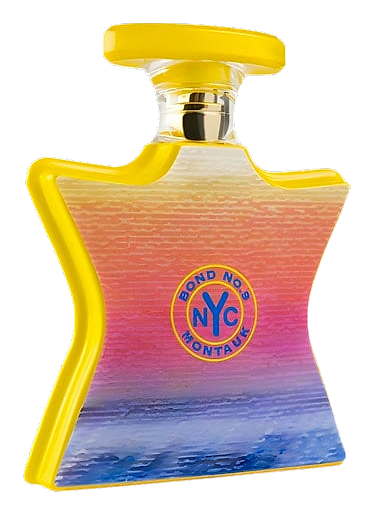
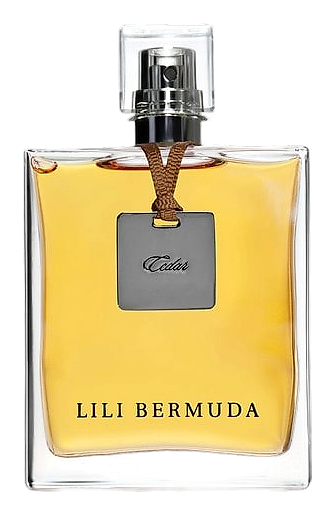
Fragrances featuring Northern Red Oak


Brands
Brands known for Northern Red Oak
Good to know
Questions, answered
The essentials on Northern Red Oak in perfumery: how it smells, where it comes from, and how it behaves on skin.
What does Northern Red Oak smell like in perfume?
Northern Red Oak offers warm, dry woody character with subtle vanilla undertones and faint smoky notes. It reads as authentic and grounding compared to synthetic woody materials, lending compositions a natural depth and presence.
Is Northern Red Oak extracted the same way as other oak species?
Extraction methods parallel those for other oaks, using steam distillation or solvent extraction of heartwood. The distinction lies in the unique aromatic profile of Quercus rubra versus Quercus robur or other species, each expressing different balances of wood, vanilla, and tannic qualities.
What fragrance families use Northern Red Oak?
Northern Red Oak appears primarily in woody and oriental compositions. It serves as a powerful base note in masculine fragrances and works equally well in unisex and feminine perfumes seeking earthy, natural character.
How long has oak been used in perfumery?
Oak entered perfumery meaningfully during the 19th century when barrel aging became common practice. Ancient cultures used oak botanically and ceremonially, but perfumery applications developed much later as extraction techniques advanced.
Does Northern Red Oak have fixative properties?
The species contains significant tannins that act as natural fixatives, slowing the evaporation of more volatile top notes and extending a fragrance's longevity on skin.
What parts of the Northern Red Oak tree are used?
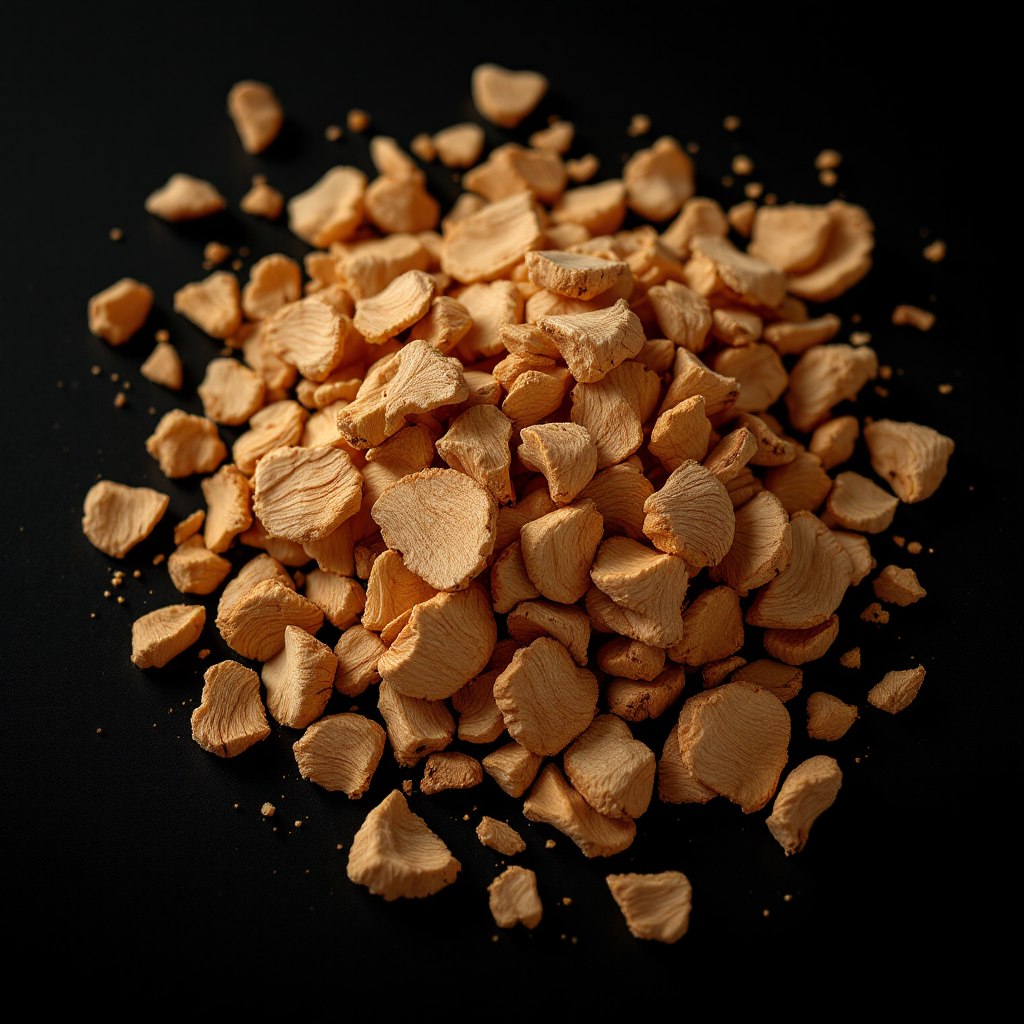
Perfumery applications focus on heartwood, typically sourced as chips or shavings from responsibly managed forests. Staves and barrel segments used for aging also yield aromatic materials through contact extraction.
How does toasting affect Northern Red Oak's aromatic properties?
Toasting or charring heartwood before extraction or use develops vanillic and smoky dimensions. This technique, borrowed from cooperage, creates warmer, more complex aromatic profiles preferred for certain fragrance applications.
Where does Northern Red Oak grow natively?
Quercus rubra grows natively across eastern North America, from Nova Scotia through Ontario, south to Georgia, and west to Minnesota. The species thrives in mixed hardwood forests with well-drained soils.