New Zealand Sandalwood
Rare and refined, New Zealand Sandalwood delivers a warm, creamy softness that sets it apart from its better-known cousins. Santalum cunninghamii offers perfumers a nuanced alternative rooted in a land of dramatic landscapes.
Character
How it smells
Distant shores, distinct softness.
Māori used this tree for centuries before perfumers discovered it. The scent they cherished for generations remained largely unknown to Western fragrance until recently.
Pairs beautifully with

Origin
New Zealand
Santalum cunninghamii has grown in New Zealand for thousands of years, long before European settlers arrived. Māori communities incorporated this native sandalwood into traditional medicine, ceremonial practices, and daily life. While Indian sandalwood built a 4,000-year parfumerie legacy and Australian sandalwood entered commercial production in 1875, New Zealand sandalwood remained outside the global fragrance trade for most of its history.
Conservation measures protecting wild populations limited commercial development, allowing sustainable harvesting practices to emerge slowly. Today, perfumers seeking alternatives to overharvested species have begun working with New Zealand sources, adding a new chapter to sandalwood's ancient story.
Wears it best
Fragrances featuring New Zealand Sandalwood
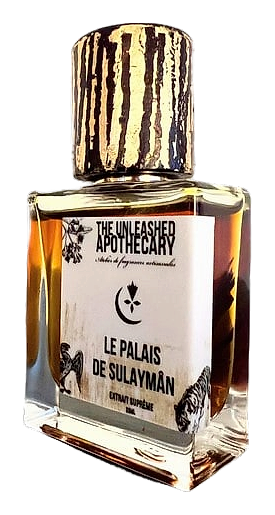
Brands
Brands known for New Zealand Sandalwood
Good to know
Questions, answered
The essentials on New Zealand Sandalwood in perfumery: how it smells, where it comes from, and how it behaves on skin.
What is New Zealand Sandalwood?
New Zealand Sandalwood is Santalum cunninghamii, a native tree species producing a distinct aromatic oil. Unlike the celebrated Indian Santalum album, this Southern Hemisphere variety offers a lighter, creamier character that appeals to perfumers seeking softer sandalwood expressions. Its rarity stems from limited commercial cultivation compared to Australian and Indian sources.
Why is New Zealand Sandalwood so scarce?
New Zealand Sandalwood remains scarce because Santalum cunninghamii grows slowly and requires specific host plants to establish, making cultivation challenging. Wild populations receive legal protection, and commercial harvesting developed later than in Australia or India. This scarcity drives interest among perfumers looking for differentiated materials.
How would you describe New Zealand Sandalwood's scent?
The oil opens with warm, creamy notes reminiscent of fresh coconut and soft wood. A gentle sweetness and subtle floral undertone distinguish it from Indian sandalwood's deeper, more complex profile. The drydown remains smooth and comforting without heaviness, making it suitable for transparent fragrance constructions.
Is New Zealand Sandalwood sustainably sourced?
Yes, responsible sourcing exists through New Zealand suppliers who harvest from sustainably managed private forests. Santalum cunninghamii grows on plantation land where careful rotation schedules prevent overharvesting. Unlike wild-harvested Indian sandalwood facing conservation concerns, this supply chain prioritizes long-term availability.
How does New Zealand Sandalwood differ from Indian Sandalwood?
Indian Sandalwood (Santalum album) produces richer, more tenacious oil with deeper woody and balsamic layers developed over decades. New Zealand Sandalwood delivers a softer, more restrained character with brighter creaminess. Perfumers often layer both to create contrast or use the New Zealand variety when seeking lighter sandalwood expression.
Which fragrance families pair well with New Zealand Sandalwood?
The ingredient works beautifully in creamy florals, especially white floral compositions where it adds warmth without heaviness. Woody orientals gain a softer sandalwood dimension, while skin-like musks blend seamlessly with its lactonic qualities. Even fresh, aquatic fragrances can incorporate this note for subtle warmth.
What role does New Zealand Sandalwood play in perfumery?
New Zealand Sandalwood serves primarily as a fixative and base note, lending lasting power to lighter top and heart materials. Its creaminess helps round sharp edges in spice or citrus accords, creating smoother transitions between fragrance layers. The material adds sophistication to modern, minimalist fragrance constructions.
How long has New Zealand Sandalwood been used in perfumery?
Commercial extraction of Santalum cunninghamii began in the late 20th century, making this ingredient significantly younger in perfumery history than Indian or Australian sandalwood. Despite the shorter timeline, it has gained recognition among niche perfumers exploring regional specificity and sustainable alternatives to traditional sources.