The Story
Why it exists.
The beginning
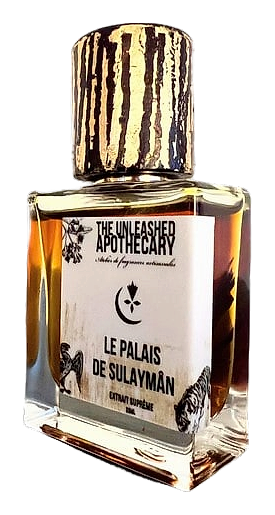
Le Palais de Sulaymân takes its name from Sulaymân, Solomon, the legendary ruler whose court appears across Middle Eastern, African, and Abrahamic traditions. The name alone carries centuries of narrative weight: power, trade, desire, and the collision of worlds. Jimmy Bodin named this fragrance with intention, placing it in a lineage of olfactory storytelling where scent becomes anecdote. The reference is specific and unapologetic. This is not a fragrance named for an abstract mood or a fleeting sensation. It is named for a palace, a court, and the gravity of decisions made within walls that have stood for millennia. What Bodin built inside that frame is a fragrance that moves the same way, unhurried, opulent, with a presence that doesn't argue because it doesn't need to.
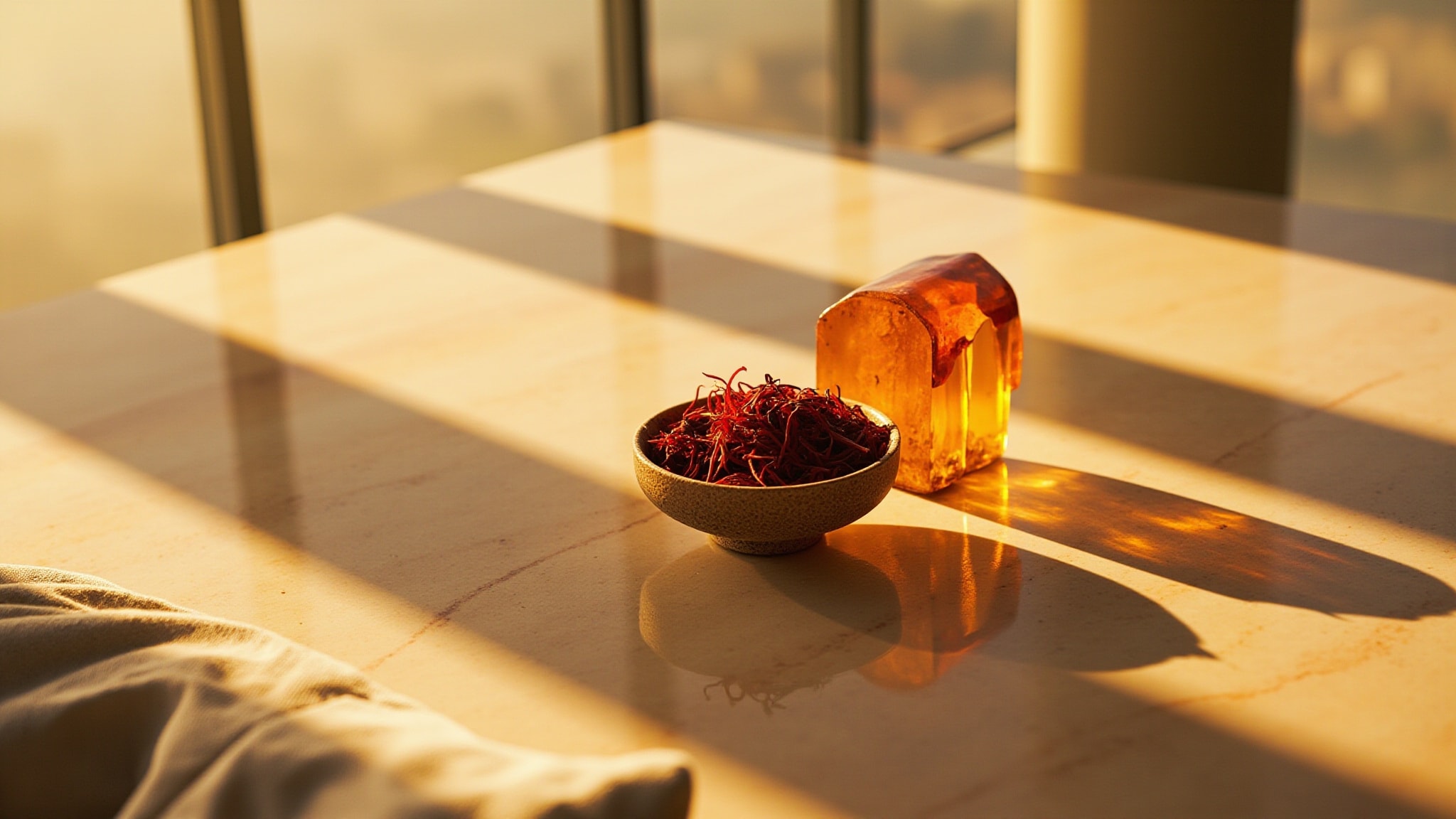
Bodin approached the composition with the patience of an apothecary rather than the efficiency of a manufacturer. The brand copy describes vanilla as a tincture, homemade, grounded in material rather than abstraction. The saffron received similar treatment, processed in a manner described as pestle-and-mortar, extracted to its cleanest form. These are not marketing adjectives. They describe a method. The result is a fragrance that speaks in layers rather than statements. The vanilla does not arrive as sweetness, it arrives as texture, tempering the saffron's sharpness and lending a velvety warmth that binds the composition.
The evolution
The opening lands sharp. Medicinal saffron, the kind that makes you question your choice in the first thirty seconds. Almost bitter. The kind of opening that belongs to a story that has already begun and is not explaining itself. Within minutes, the ylang-ylang arrives to soften. Labdanum adds warmth. The resins pull everything back from the edge of discomfort toward elegance. By the time the heart settles, the vanilla and benzoin have done their work, velvety warmth that wraps the remaining spice without erasing it. The drydown is where the palace earns its name. New Zealand sandalwood carries the saffron's mineral depth as it fades, threading through the benzoin's balsamic sweetness. The agarwood reveals itself slowly, dark, animalic, present but not announced. Like a memory built into the architecture. Like something that was always there. This is a fragrance that does not announce itself. It stays close. Intimate. Hours on skin, traces on clothing, the ghost of it in rooms entered long after.
Cultural impact
Le Palais de Sulaymân arrived in 2022 from a house that had already built a reputation for fragrances that do not apologize for themselves. The name places it squarely in narrative perfumery, fragrance as story, not just scent. Within the niche community, it found its audience among wearers who wanted the saffron-oud conversation without the usual signposting. The production was limited and has since been discontinued, which has only sharpened its appeal among those who managed to secure a bottle.