Neroli Tea
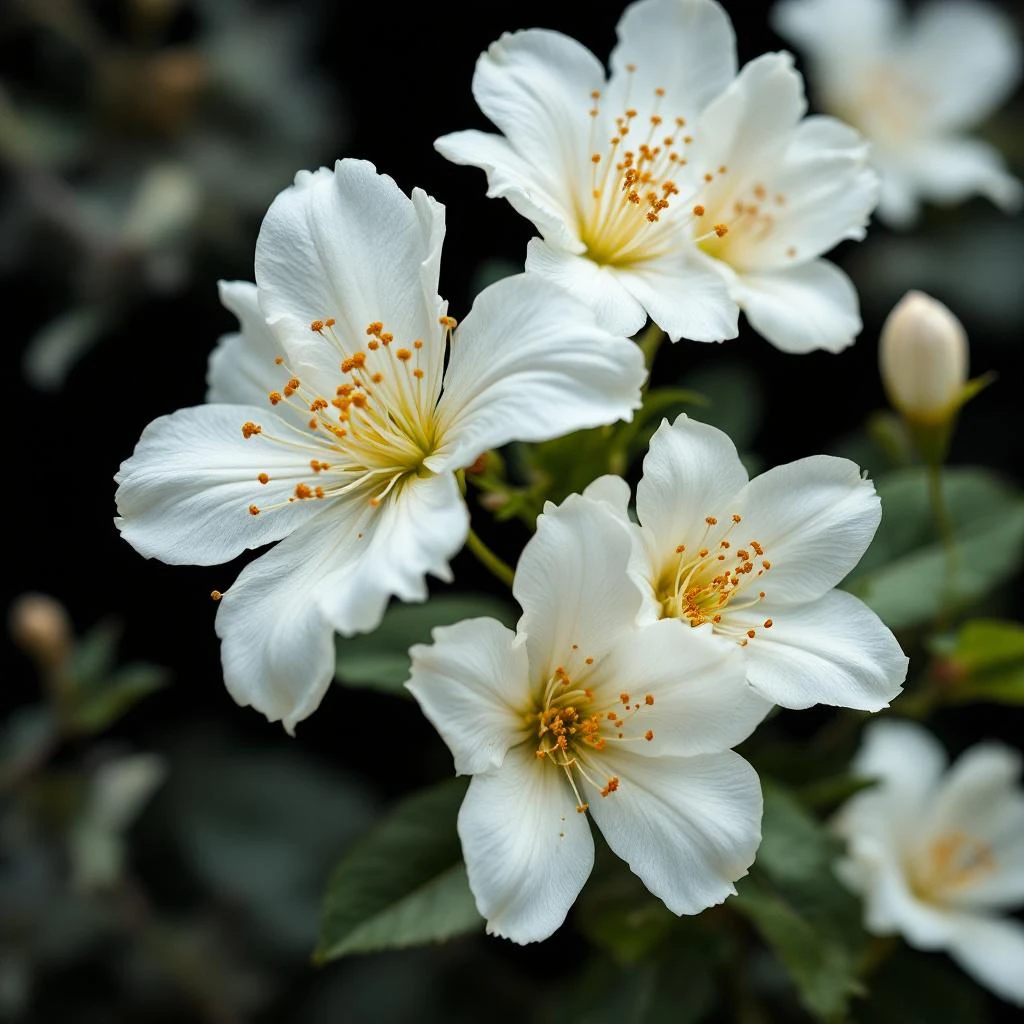
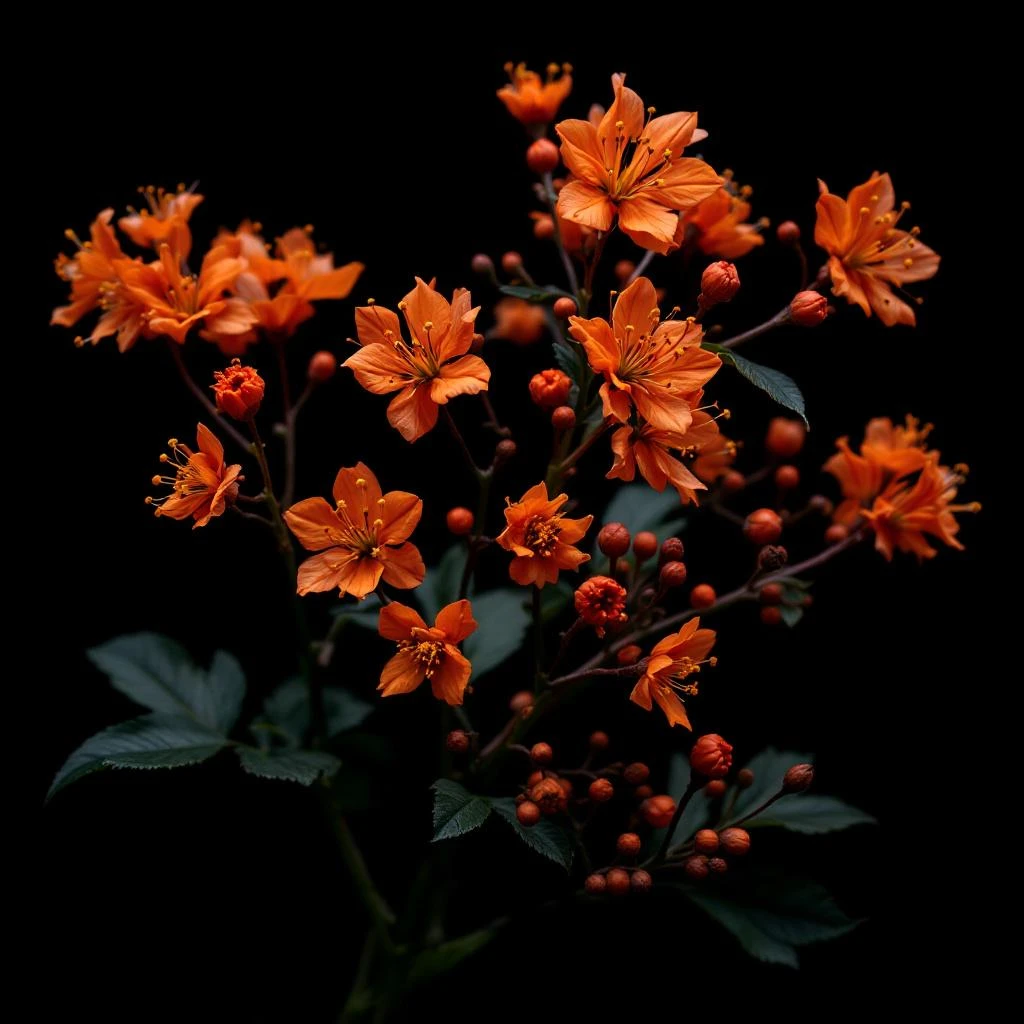
Steam-distilled from bitter orange blossoms, neroli delivers a radiant floral freshness with citrus undertones and a quietly sophisticated edge that lifts any composition.
Character
How it smells
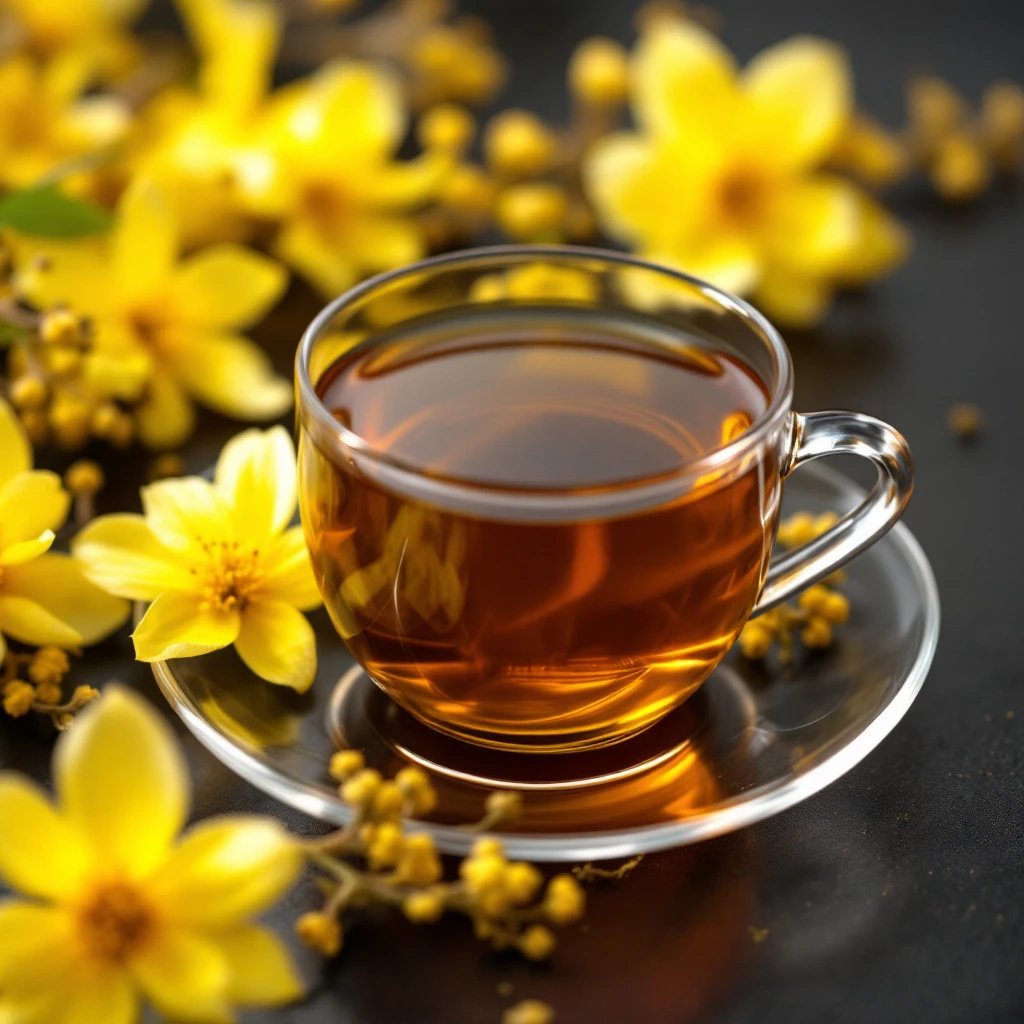
Citrus blossom elegance in every drop.
Over 90% of global neroli oil originates from just two countries: Morocco and Tunisia.



Origin
Tunisia
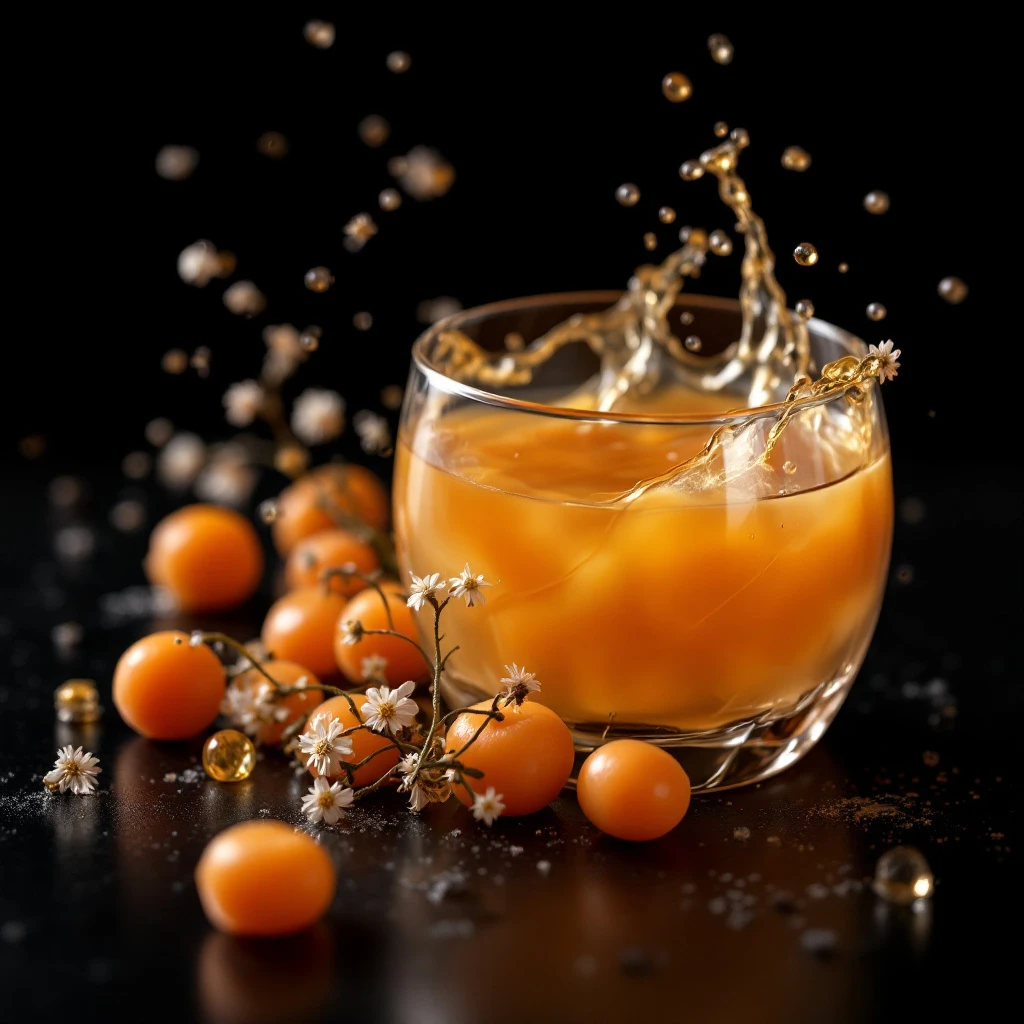
The name neroli carries an improbable origin story rooted in 17th-century Italian nobility. Anne Marie Orsini, princess of the small town of Neroli near Rome, reportedly introduced scented orange blossom to French court fashion. She bathed in the blossoms and perfumed her gloves with distilled orange flower water, sparking a trend among the aristocracy that spread rapidly.
Earlier, historians believe Persian healers first recognized the therapeutic value of orange blossom, using it to treat both physical and spiritual ailments for centuries before the oil reached Europe. The bitter orange tree itself originated in East Asia and traveled westward through Arab trade networks to the Mediterranean. By the time of the princess of Neroli, the tree had found ideal growing conditions in North Africa, where Moroccan and Tunisian producers still supply the vast majority of the world's neroli today.
The oil remains one of perfumery's most cherished materials—a bridge between ancient healing traditions and modern olfactory artistry.
Wears it best
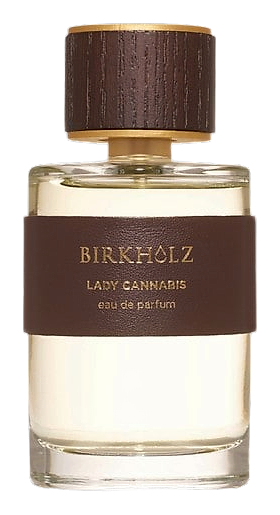
Fragrances featuring Neroli Tea
Brands
Brands known for Neroli Tea
Good to know
Questions, answered
The essentials on Neroli Tea in perfumery: how it smells, where it comes from, and how it behaves on skin.
What does neroli smell like?
Neroli offers a bright, floral citrus character with honeyed undertones. Its aroma combines fresh orange blossom brightness with a quieter green, tea-like quality that adds complexity.
Where does neroli come from?
Neroli originates from the flowers of the bitter orange tree. Historians believe ancient Persia was the first to recognize its value, though the oil now comes primarily from Morocco and Tunisia.
How did neroli get its name?
The name comes from Princess Anne Marie Orsini of Neroli, a 17th-century Italian noblewoman who popularized scented orange blossom in French court circles.
Is neroli the same as orange blossom?
No. Neroli specifically denotes steam-distilled oil from bitter orange flowers. Orange blossom absolute typically comes from enfleurage or solvent extraction and carries a different scent profile.
What percentage of neroli comes from Morocco and Tunisia?
These two countries supply over 90 percent of the world's neroli, making them the dominant producers by a significant margin.
Which part of the plant produces neroli oil?
Distillers harvest only the small white blossoms of the bitter orange tree, picked by hand during the brief spring flowering season.
Why is Tunisian neroli significant?
Tunisia ranks among the top global producers of neroli, with ideal Mediterranean growing conditions producing flowers prized for their aromatic complexity.
What traditional uses does neroli have?
Persian healers used orange blossom as a curative for both body and spirit for centuries untold before the oil entered European perfumery.