Apricot Liqueur
Apricot Liqueur captures the warm, golden sweetness of sun-ripened apricots suspended in spirit. It brings a decadent, boozy warmth to fragrance compositions.
Character
How it smells
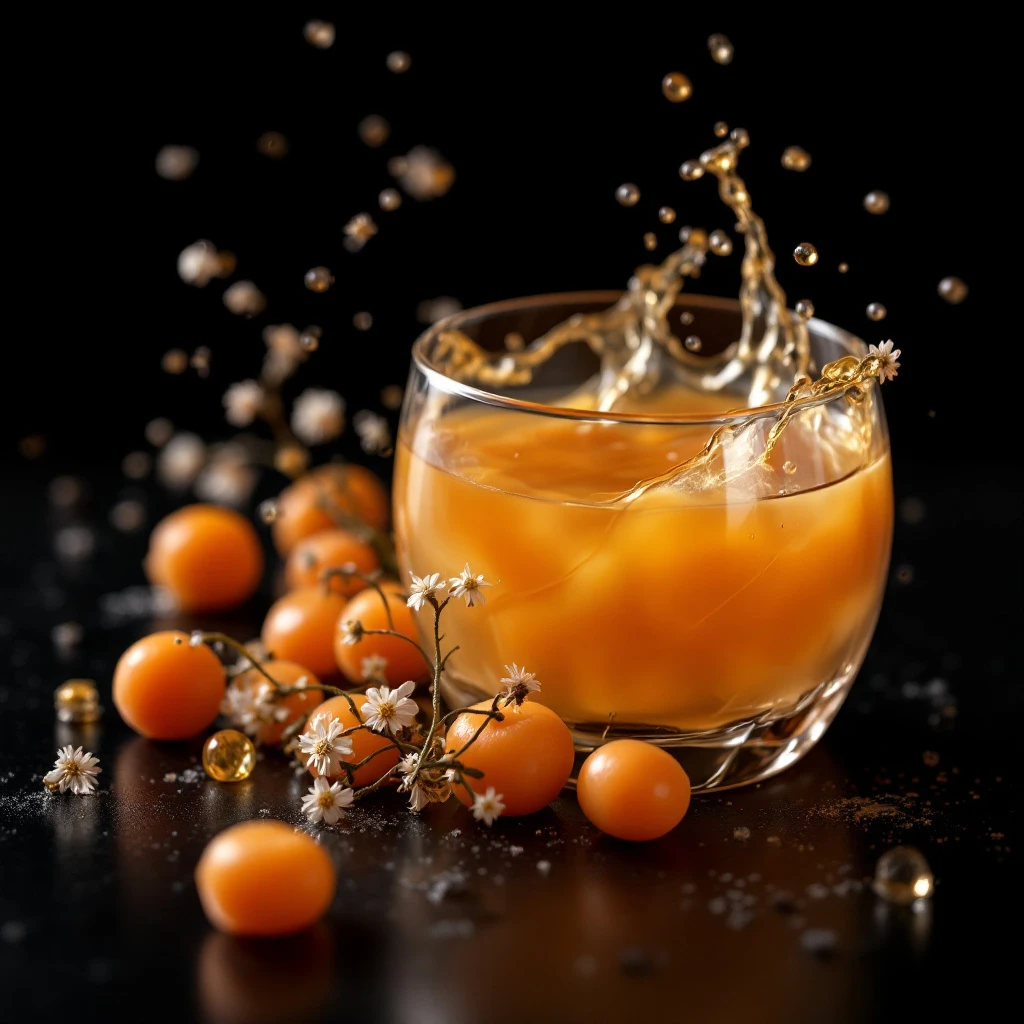
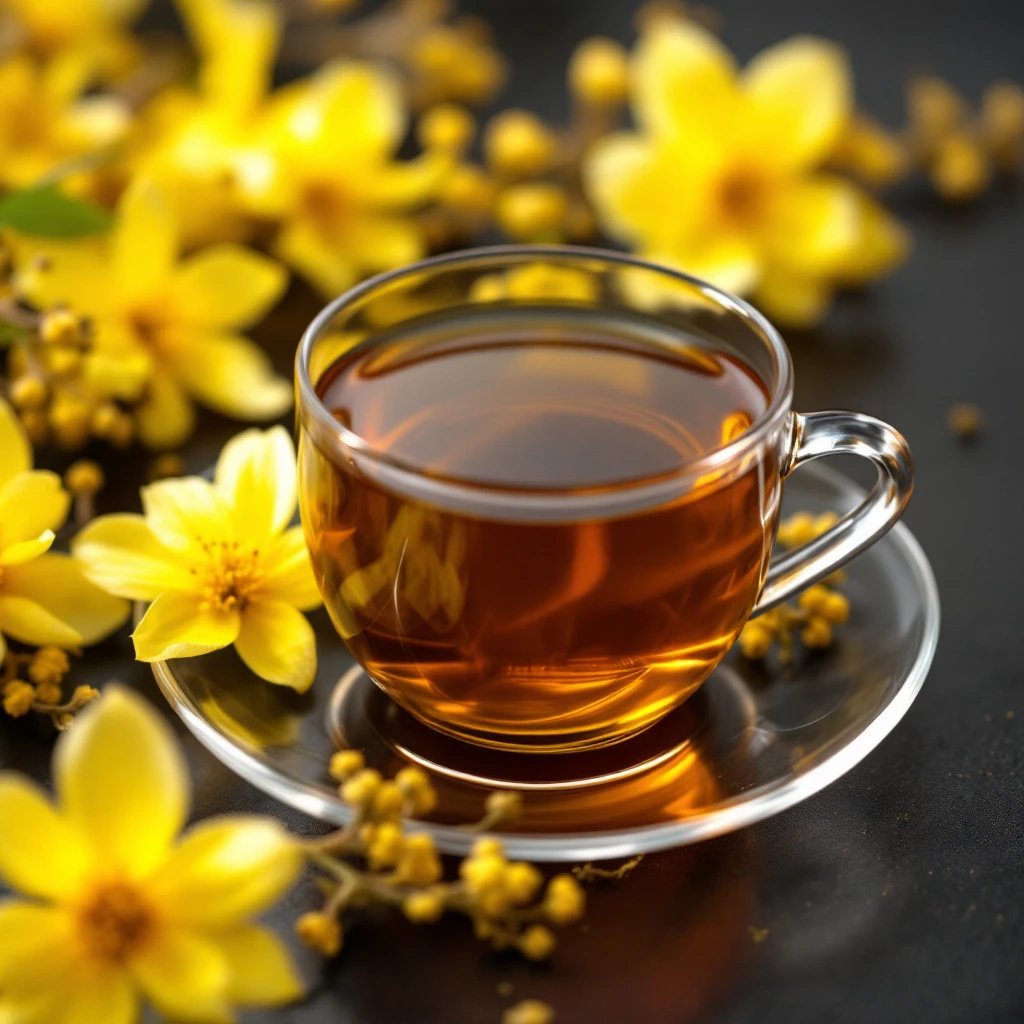
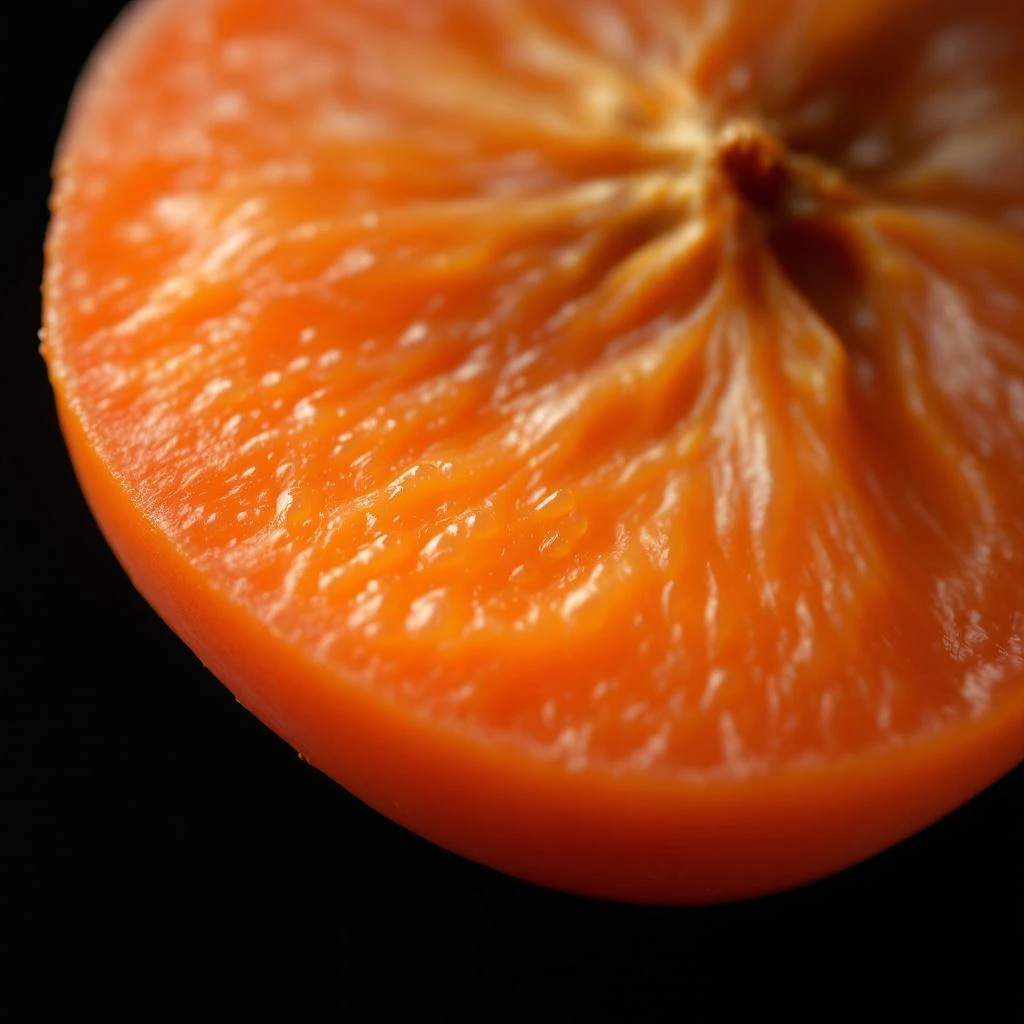
Boozy stone fruit with a golden, sun-warmed sweetness
A single apricot tree yields roughly 150 pounds of fruit annually, yet extracting usable aromatic concentrate requires industrial-scale processing of hundreds of kilograms.


Origin
Central Asia
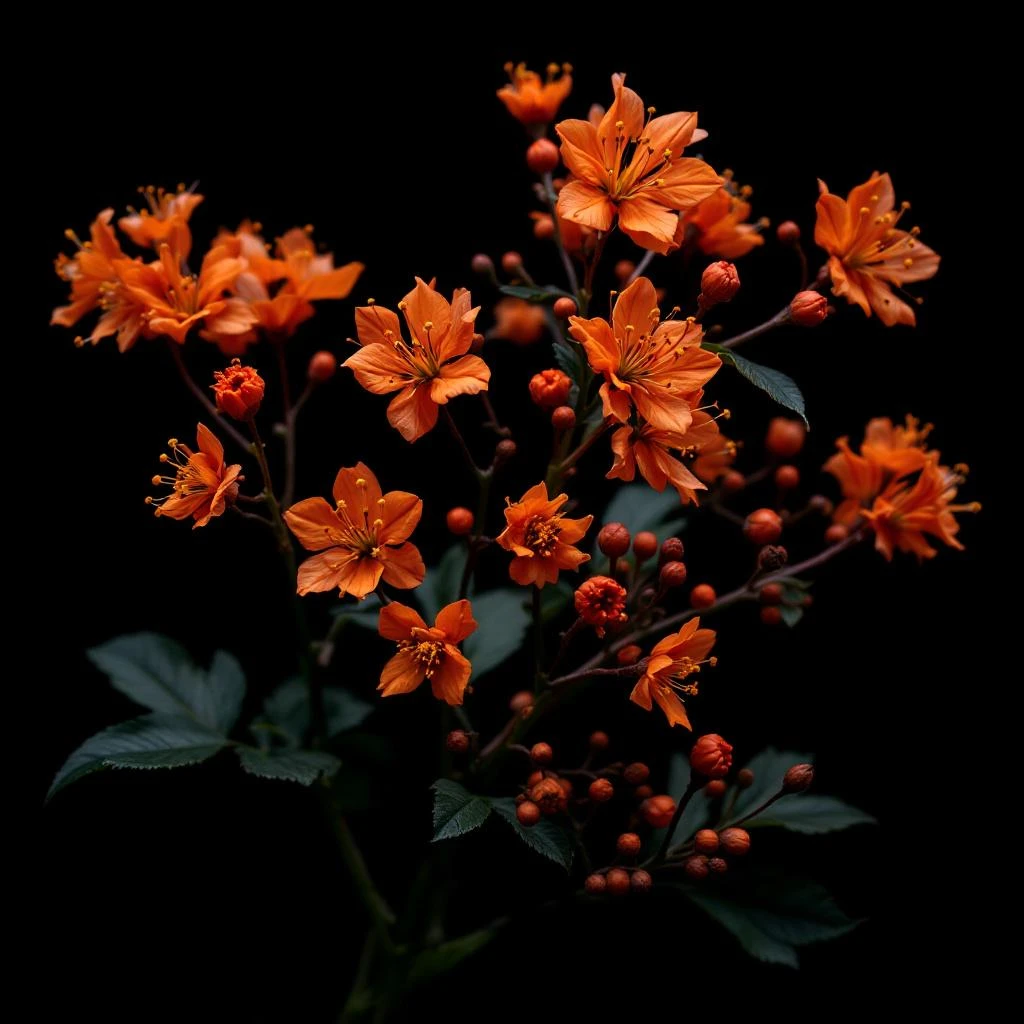
The apricot tree, Prunus armeniaca, traces its origins to Central Asia, where archaeological evidence places its cultivation at least 3,000 years ago. The fruit traveled along Silk Road trade routes to Persia, the Mediterranean, and eventually across Europe.
Liqueur-making traditions emerged much later, developing across European monasteries and apothecaries during the medieval period. Stone fruit liqueurs became particularly popular in France, Italy, and the Caucasus regions where apricots thrived.
When perfumers began seeking gourmand-inspired materials in the late 20th century, apricot liqueur's warm, alcoholic sweetness offered an obvious template for synthetic recreation. Today, apricot liqueur accords allow perfumers to evoke the indulgence of fine spirits without relying on unstable alcohol-based extracts.
Wears it best
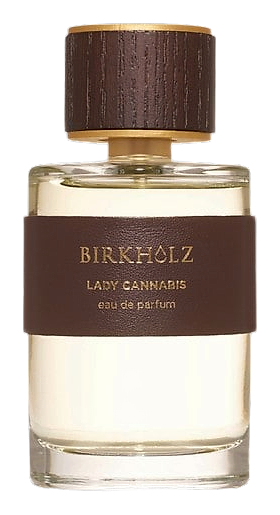
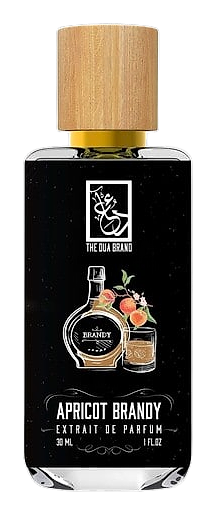
Fragrances featuring Apricot Liqueur
Brands
Brands known for Apricot Liqueur
Good to know
Questions, answered
The essentials on Apricot Liqueur in perfumery: how it smells, where it comes from, and how it behaves on skin.
Is Apricot Liqueur made from real apricot liqueur?
No. Apricot Liqueur is a synthetic accord that reproduces the scent profile of apricot spirit using lab-created aromatic compounds like gamma-decalactone. Real liqueurs contain alcohol, which is too volatile for stable fragrance use.
What does Apricot Liqueur smell like?
It opens with bright, syrupy stone fruit sweetness before revealing warm, boozy undertones. The scent reads as golden and sun-ripened, with subtle tartness and an indulgent, dessert-like quality.
What aromatic compounds create the apricot character?
Gamma-decalactone provides the primary velvety stone fruit note, while damascenone adds depth and benzaldehyde introduces a faint almond nuance. Together they approximate apricot's complex aroma.
Is natural apricot absolute used in perfumery?
Natural apricot absolute exists but sees limited use because extracting it requires enormous quantities of fruit. The yield is too small and costly for widespread adoption in fragrance production.
Which fragrance families use Apricot Liqueur?
It appears primarily in oriental and gourmand compositions where warmth and sweetness are central. Chypre and amber fragrances also employ it to soften edges and add fruit richness.
How does Apricot Liqueur differ from other stone fruit notes?
Unlike fresh peach or nectarine accords, Apricot Liqueur carries an alcoholic warmth and deeper amber quality. It sits between fresh fruit and dried fruit in perceived sweetness and complexity.
Does Apricot Liqueur appear in men's or women's fragrances?
It crosses gender boundaries in modern perfumery. While traditionally associated with feminine florals, contemporary men's fragrances—particularly amber and leather compositions—frequently incorporate apricot liqueur accords.