Neroli Nectar
Neroli captures sunlit bitter orange blossoms in a single breath, green and honeyed with a bitter edge that brightens every composition it touches.
Character
How it smells
Sun-warmed orange blossoms, captured at dawn
Roughly one ton of bitter orange flowers yields only about one kilogram of neroli essential oil.
Pairs beautifully with


Origin
Italy
The story of neroli stretches back to ancient Egypt, where bitter orange flowers appeared in ceremonial oils and unguents. The ingredient takes its modern name from Anne Marie de la Tremoille, the Princess of Nerola, a small Italian town near Rome. In the late 17th century, she popularized a scented oil made from orange blossoms, wearing it obsessively enough that the scent became synonymous with her name.
By the early 1700s, an Italian perfumer named J. M. Farina, working in Cologne, Germany, built a landmark eau de cologne around neroli as a central ingredient.
That formula helped cement neroli as a cornerstone of European perfumery. The bitter orange tree, Citrus aurantium, yields three distinct perfume materials: neroli from its flowers, petitgrain from its leaves and twigs, and bitter orange oil from its fruit peel. This unusual botanical generosity made the tree invaluable to perfumers seeking layered citrus-green compositions.
Wears it best
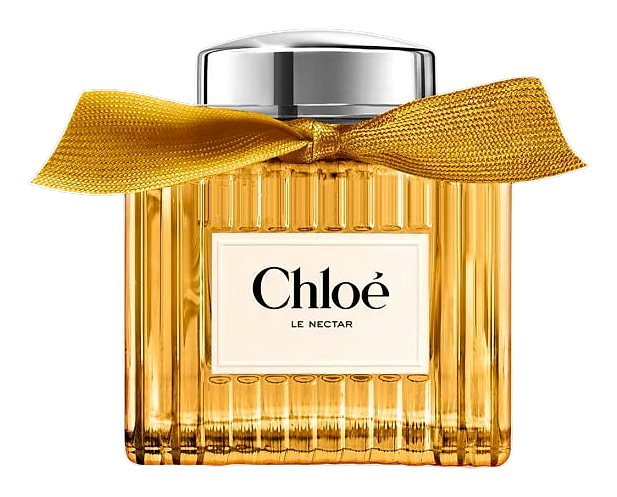
Fragrances featuring Neroli Nectar
Brands
Brands known for Neroli Nectar
Good to know
Questions, answered
The essentials on Neroli Nectar in perfumery: how it smells, where it comes from, and how it behaves on skin.
What is neroli nectar in perfumery?
Neroli refers to the essential oil steam-distilled from freshly picked bitter orange blossoms, producing a green, honeyed citrus aroma. It is one of the most historically significant floral ingredients in European perfumery.
How is neroli oil extracted?
Producers steam-distill freshly harvested bitter orange flowers within hours of picking. The resulting condensate separates into neroli essential oil on top and orange flower hydrosol below.
Where does neroli come from?
The bitter orange tree (Citrus aurantium) is native to the Mediterranean basin. Tunisia and Morocco are the largest modern producers, with Italy and Spain also significant.
What does neroli smell like?
Neroli carries a bright, green citrus character layered with honeyed floral sweetness and a slightly bitter undertone. Many describe it as more complex and less sugary than orange blossom absolute.
What is the difference between neroli and orange blossom?
Neroli is a steam-distilled essential oil, while orange blossom is an absolute obtained through solvent extraction. Neroli smells greener and fresher, whereas orange blossom reads richer and more indolic.
Why is neroli named after a princess?
The name comes from Anne Marie de la Tremoille, Princess of Nerola, a town near Rome. In the late 1600s she made wearing orange blossom oil her signature, and the scent took her title.
Is neroli expensive?
Yes. Producing one kilogram of neroli oil requires roughly one ton of hand-picked bitter orange blossoms, making it one of the pricier floral essential oils on the market.
What fragrances famously feature neroli?
Neroli anchors the original 1709 Eau de Cologne by Johann Maria Farina. It remains a staple in classic colognes and contemporary fresh florals requiring a luminous citrus-floral signature.