Naswar
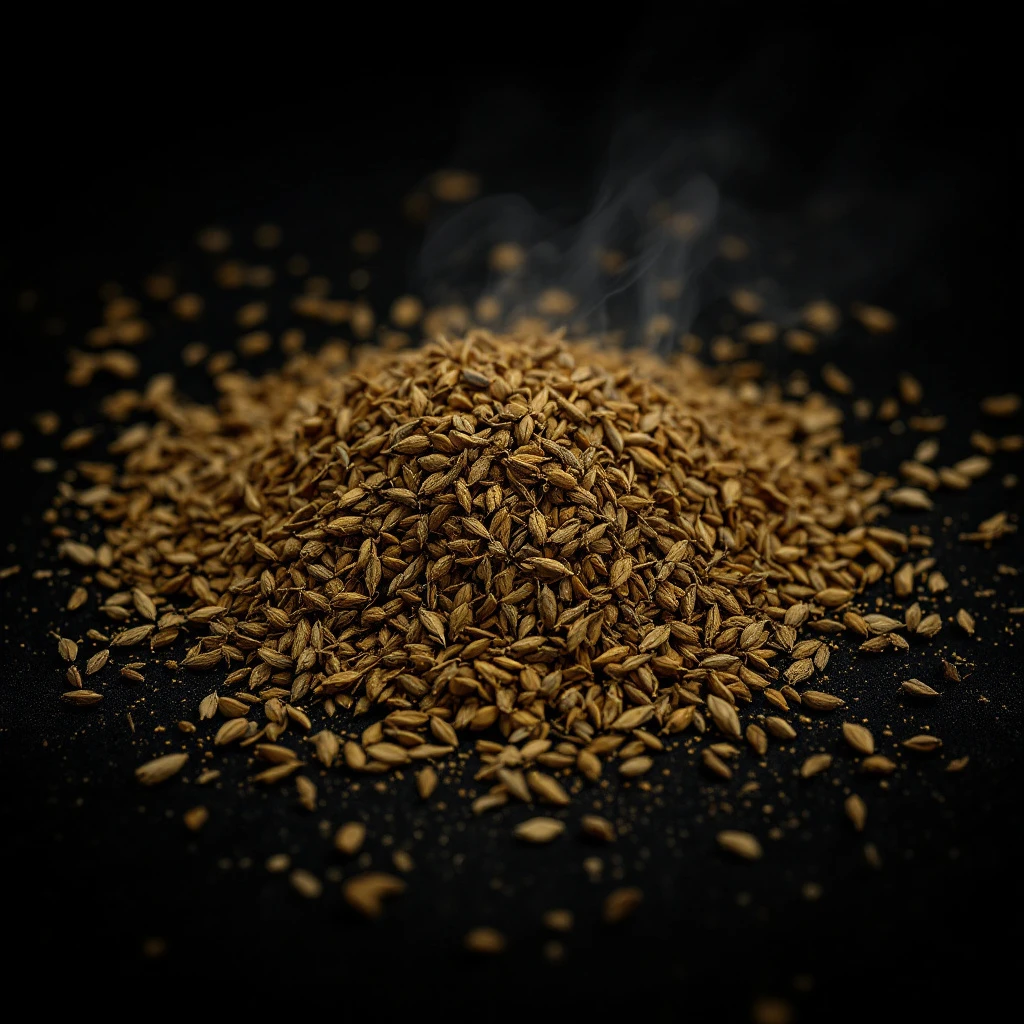
Naswar is a traditional tobacco preparation originating from Central and South Asia, where finely ground tobacco is blended with slaked lime, ash, and flavorings. Its earthy, complex aroma has inspired perfumers seeking authentic tobacco character.
Character
How it smells
Ancient tobacco ritual meets modern fragrance.
The slaked lime in Naswar raises oral pH, chemically releasing more nicotine—a technique refined over centuries in Central Asia.



Origin
Uzbekistan
Naswar traces its roots to the Silk Road trading era, when tobacco arrived in Central Asia from the Americas during the 16th and 17th centuries. Local populations adapted it using indigenous materials, developing the distinctive lime-tobacco blend that defines the product today. Over generations, preparation methods became ritualized, with family recipes passed down as cultural inheritance.
Different regions developed unique styles: Afghan Naswar tends toward herbal and floral notes, while Pakistani varieties often feature stronger, earthier profiles. Despite the rise of cigarettes and modern tobacco products, Naswar remains embedded in social customs across Uzbekistan, Tajikistan, Afghanistan, Pakistan, and northern India, representing one of the oldest continuous tobacco traditions in the world.
Wears it best
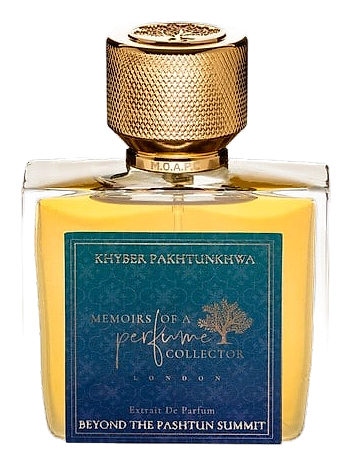
Fragrances featuring Naswar
Brands
Brands known for Naswar
Good to know
Questions, answered
The essentials on Naswar in perfumery: how it smells, where it comes from, and how it behaves on skin.
What exactly is Naswar?
Naswar is a traditional smokeless tobacco product from Central and South Asia. It consists of finely powdered tobacco mixed with slaked lime, water, and optional flavorings like cardamom, menthol, or ash. Users place a small portion under the lip or cheek.
Is Naswar used directly in perfumery?
Naswar itself is not an ingredient in perfumery. However, tobacco absolute—extracted from cured tobacco leaves using solvent extraction—captures aromatic qualities similar to Naswar. Perfumers use this material at very low concentrations to create tobacco-themed fragrance notes.
What does Naswar smell like?
Naswar's aroma is earthy and complex, with dry tobacco as the base. The lime introduces mineral and slightly astringent top notes, while regional flavorings add herbs, menthol, or citrus. The overall effect is rustic and deeply aromatic.
Where is Naswar produced?
Naswar originates from Central Asia, particularly Uzbekistan and Tajikistan, where production techniques developed during the 17th century. Today, major production also occurs in Afghanistan, Pakistan, and northern India.
Why does Naswar contain slaked lime?
Slaked lime acts as an alkaline agent. When mixed with tobacco, it raises pH and chemically releases freebase nicotine, making the nicotine more bioavailable. This technique has been used in tobacco preparation across Central and South Asia for centuries.
How does Naswar differ across regions?
Regional variations are substantial. Afghan Naswar often incorporates dried herbs and floral notes. Pakistani varieties tend earthier and stronger. Central Asian versions may include ash from specific woods. These differences reflect local tobacco crops, available flavorings, and generational recipes.
What tobacco species is used in Naswar?
Traditional Naswar typically uses Nicotiana rustica, a wild tobacco species with much higher nicotine content than common smoking tobacco (Nicotiana tabacum). Rustica tobacco gives Naswar its characteristic potency and robust aroma.
Does Naswar have cultural significance beyond tobacco use?
Naswar carries deep cultural meaning in producing regions. It features in social gatherings, serves as a traditional hospitality gesture, and represents ancestral knowledge passed through generations. Its preparation remains largely unchanged despite modern tobacco alternatives.