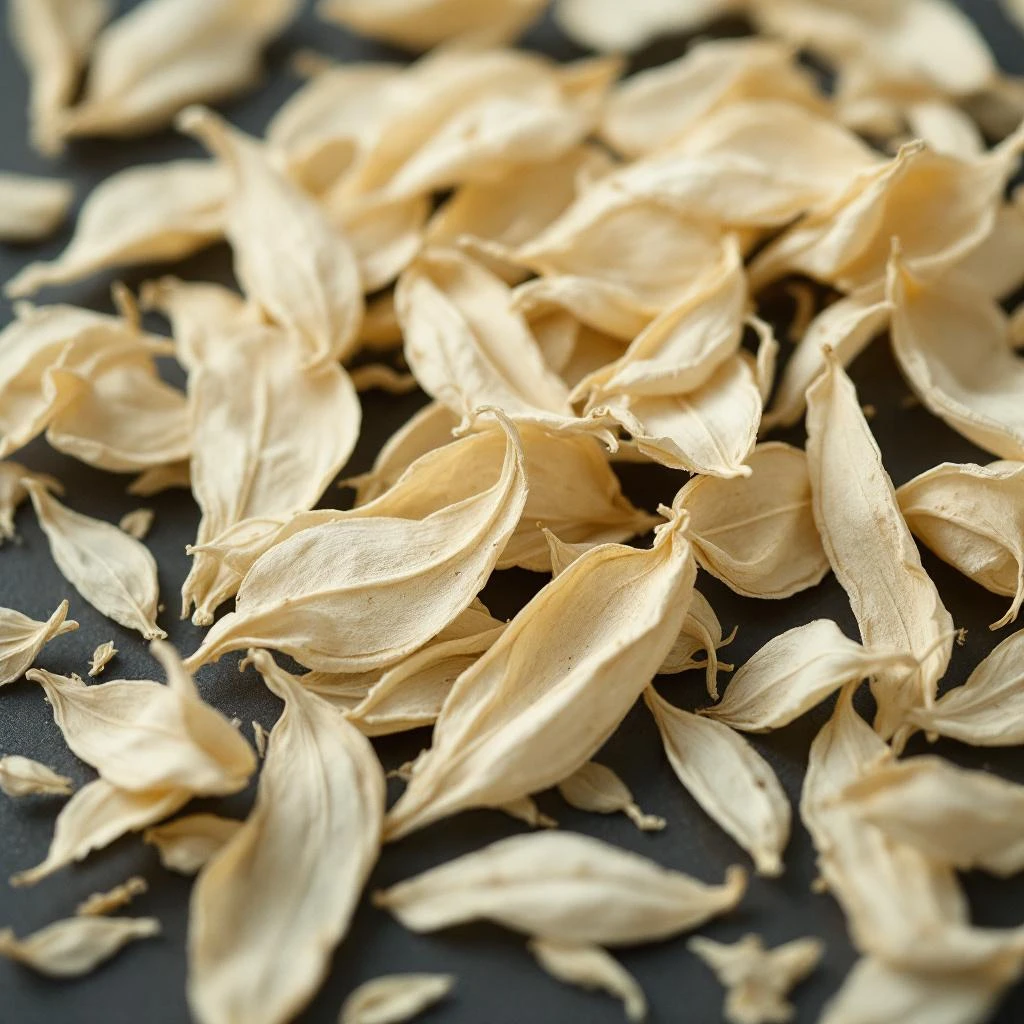
Myrtle Liqueur
A Mediterranean digestif spirit crafted from steeped myrtle berries, lending its rich, wine-like aromatic character to fragrances as a distinctive liqueur-inspired note.
Character
How it smells
Berries steeped in tradition, bottled for scent.
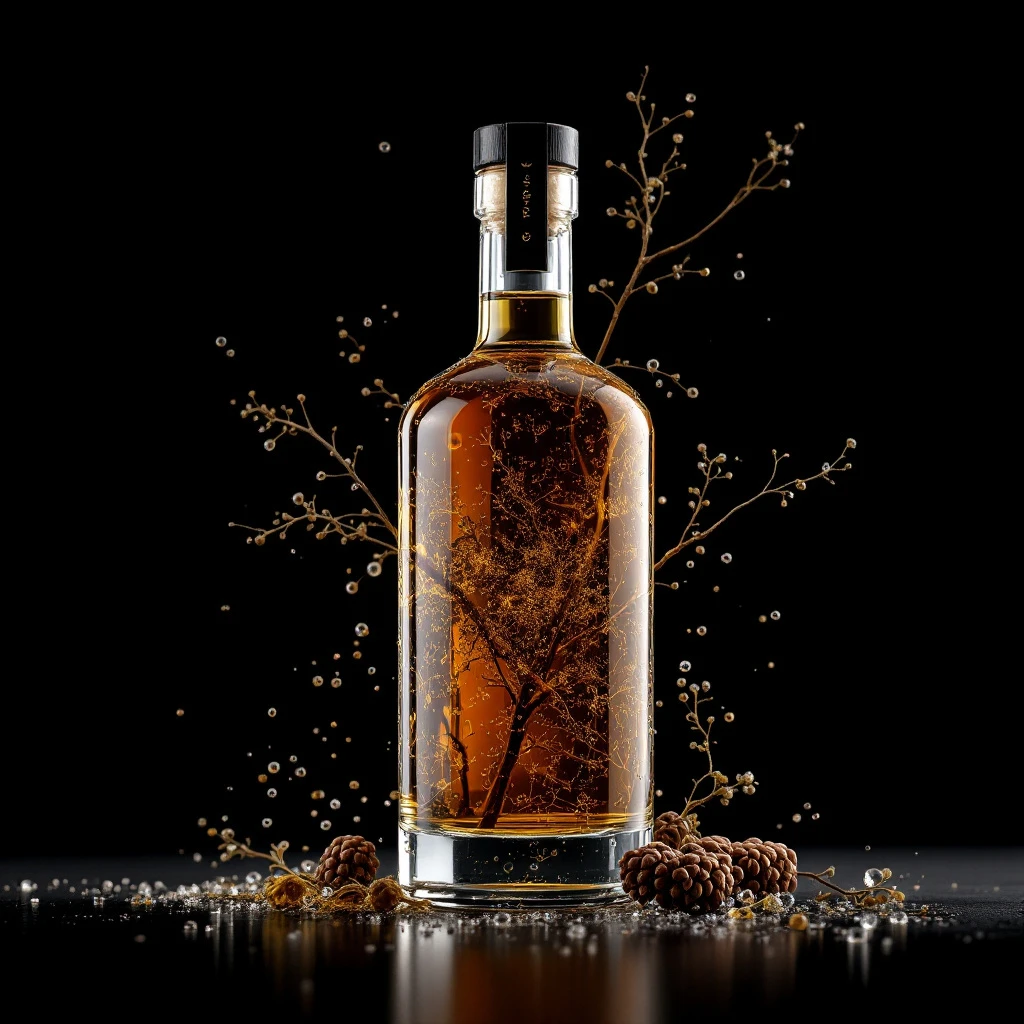
Traditional Sardinian myrtle liqueur requires up to three months of cold maceration before the berries are filtered out, yielding a deep amber spirit.





Origin
Italy
Myrtle has graced Mediterranean landscapes since antiquity, woven into wedding garlands and temple offerings across ancient Greece and Rome. The liqueur tradition emerged later, becoming deeply rooted in Sardinia and Corsica where wild myrtle thrives across rocky hillsides. Italian artisans perfected the digestive spirit, with regional families maintaining private recipes passed through generations.
Fragrance chemists took notice of its complex aromatic profile by the late 19th century, with the 1891 Piesse's Art of Perfumery documenting attempts to recreate myrtle's distinctive scent for perfumery use. Today, the liqueur remains a cultural symbol in its regions of origin, while perfumers incorporate its warm, berry-laden character to add Mediterranean authenticity to fragrance compositions.
Wears it best
Fragrances featuring Myrtle Liqueur
Brands
Brands known for Myrtle Liqueur
Good to know
Questions, answered
The essentials on Myrtle Liqueur in perfumery: how it smells, where it comes from, and how it behaves on skin.
What does myrtle liqueur smell like in perfumery?
Myrtle liqueur brings a rich, wine-like sweetness to fragrance compositions with dark berry and subtle pine resin undertones. Its aromatic profile combines fruity notes reminiscent of ripe plums with a gentle camphoraceous freshness, creating a warm yet slightly medicinal character unique among perfumery ingredients.
Is actual myrtle liqueur used in fragrance production?
Perfumers primarily work with concentrated extracts derived from myrtle liqueur rather than the beverage itself. An absolute obtained through solvent extraction captures the liqueur's aromatic profile in concentrated form, allowing precise dosing within fragrance formulations without the alcohol content of the original spirit.
How does myrtle liqueur differ from myrtle essential oil?
Essential oil comes from steam distilling myrtle leaves and twigs, yielding a fresh, medicinal, eucalyptus-like aroma. Myrtle liqueur derives from berry maceration, producing a sweeter, fruitier, wine-like character that differs substantially from the leaf oil's crisp green profile.
Which countries produce myrtle for perfumery?
Wild myrtle grows throughout the Mediterranean basin, with commercial cultivation centered in Italy, particularly Sardinia, along with Morocco and parts of the Middle East. The berries used for liqueur production come almost exclusively from Mediterranean sources where the climate produces optimal aromatic concentration.
Can perfumers synthesize myrtle liqueur notes?
No synthetic accurately replicates myrtle liqueur's complexity. While individual aromatic compounds like myrtenyl acetate and linalool exist in the profile, the spirit's character emerges from the unique combination of dozens of compounds extracted during berry maceration, many present only in trace amounts.
What fragrance families use myrtle liqueur notes?
Chypre and fougère compositions most commonly incorporate myrtle liqueur notes, where its warm berry character anchors woody and aromatic elements. It also appears in amber and certain oriential fragrances seeking Mediterranean authenticity, typically appearing in heart or base roles.
How long has myrtle been used in perfumery?
Documented perfumery use of myrtle dates to the ancient Mediterranean, though the specific liqueur application emerged during the Renaissance. By the 1890s, perfumers were actively working with myrtle extracts and attempting to recreate its distinctive aroma for wider use.
Does myrtle liqueur have seasonal harvest implications?
Myrtle berries ripen in late autumn, and harvest timing directly affects the liqueur's aromatic profile. Berries picked earlier retain more tannic bitterness, while fully ripe autumn berries develop maximum sweetness. This seasonal window means quality myrtle extracts require carefully timed sourcing.