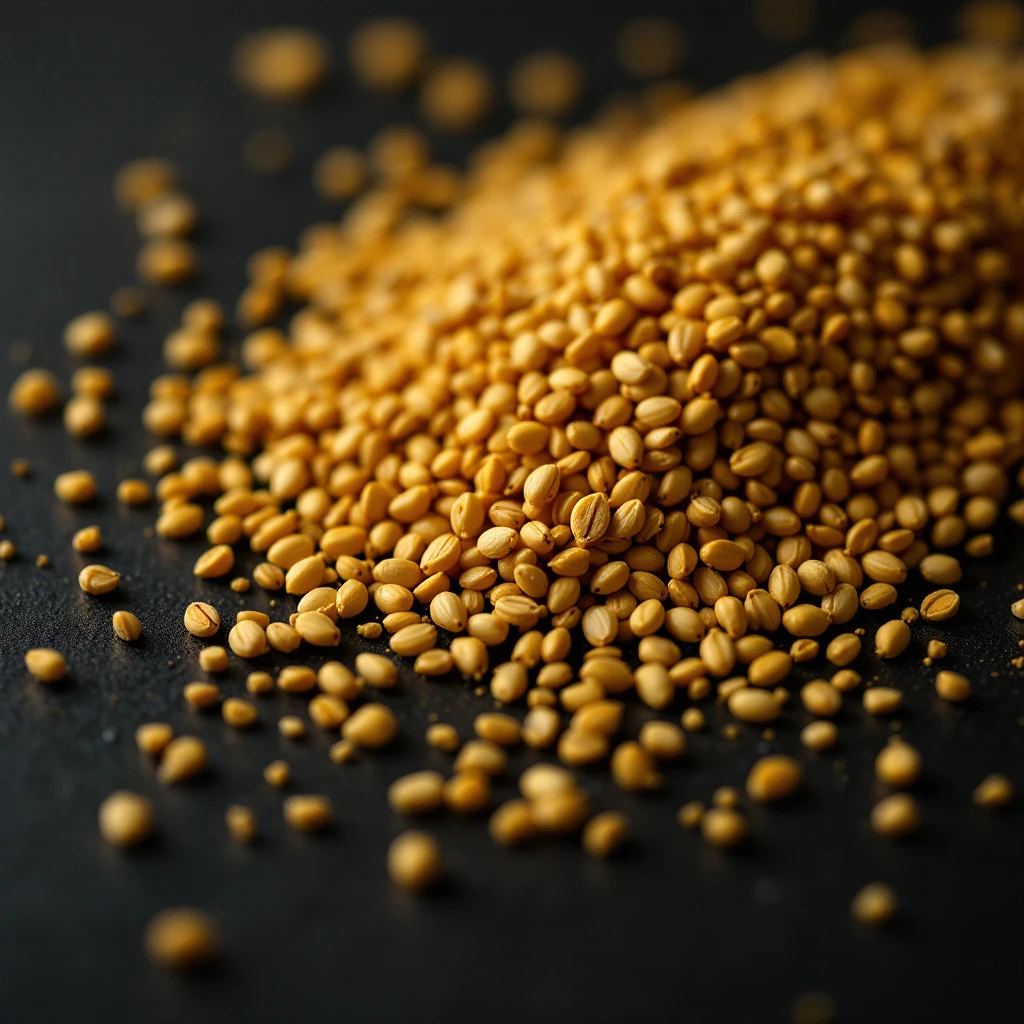
Mustard
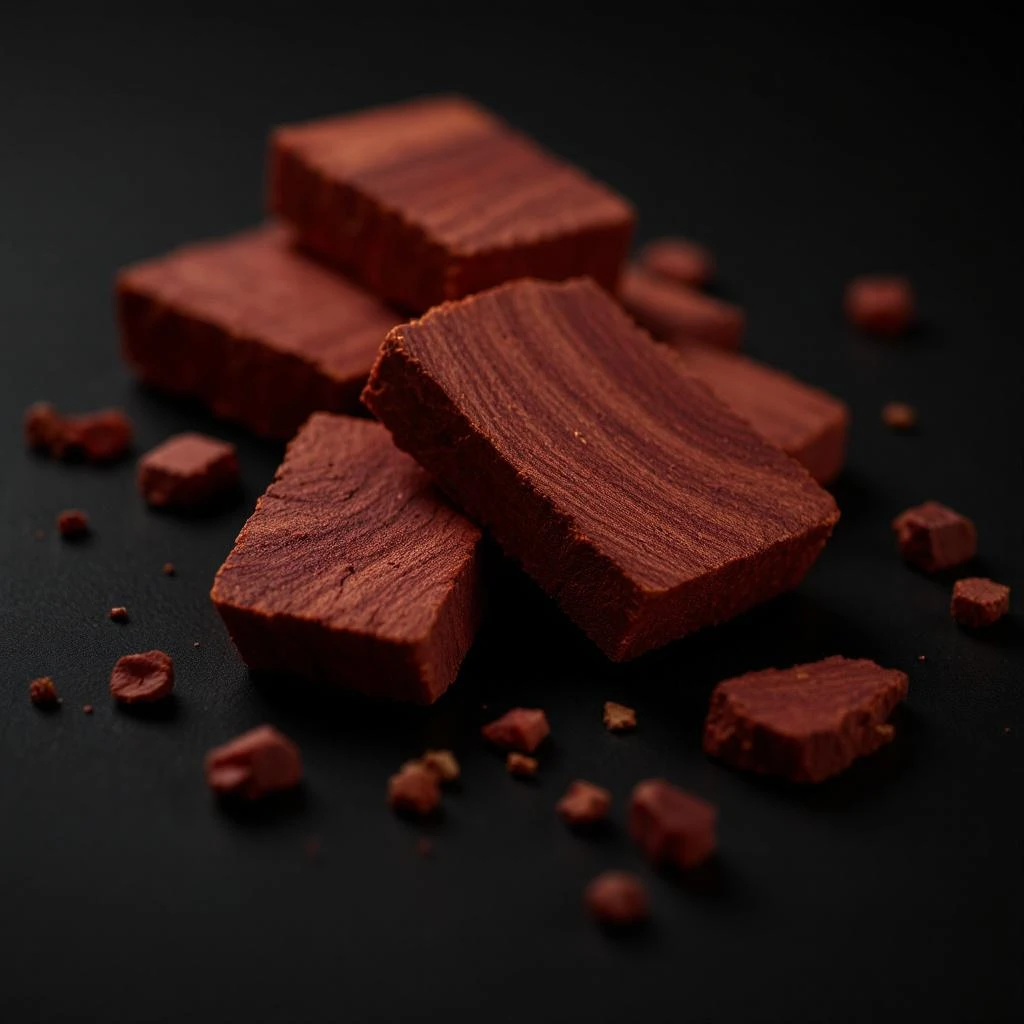
A sharp, pungent presence that cuts through compositions with a green, spicy bite. Mustard brings an unexpected edge to fragrance, rarely used but unforgettable when it appears.
Character
How it smells
The acrid edge that commands attention.
The same compound that makes mustard hot (allyl isothiocyanate) also gives wasabi and horseradish their characteristic punch.


Origin
India
Mustard cultivation dates back over 5,000 years, with origins in the Mediterranean basin and gradual spread through Asia. Ancient Romans ground mustard seeds with wine must (fermented grape juice), creating a preparation called "mustum ardens" that gave us the word mustard.
While primarily a culinary and medicinal ingredient historically, aromatic applications emerged as perfumery developed beyond floral compositions. The Victorian era saw experimental use of pungent botanical extracts in "character" fragrances meant to evoke specific places and experiences.
Mustard found occasional employment in green fragrance categories and masculine compositions seeking unusual aromatic signatures. Contemporary use remains rare but purposeful, appearing in niche fragrances that value unusual natural materials over predictable accords.
Wears it best
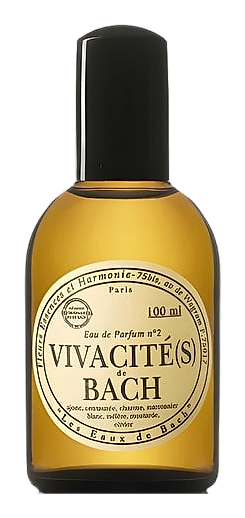
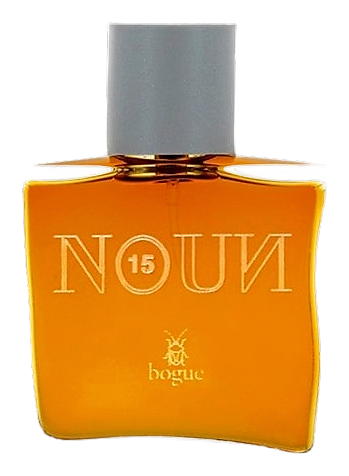
Fragrances featuring Mustard
Brands
Brands known for Mustard
Good to know
Questions, answered
The essentials on Mustard in perfumery: how it smells, where it comes from, and how it behaves on skin.
What does mustard smell like in perfume?
Mustard contributes a sharp, acrid green note with sulfurous undertones. It adds bite and intensity rather than sweetness, functioning as a fragrance modifier that creates unexpected contrast.
Is mustard commonly used in perfumery?
Mustard ranks among the rarest aromatic materials. Most perfumers never work with it. When it appears, dosage stays below 0.5% due to its extreme potency and potential to overwhelm a composition.
Do perfumers use natural or synthetic mustard?
Both exist in modern perfumery. Natural mustard absolute comes from seed distillation, while synthetic allyl isothiocyanate offers consistency and reduced allergenic risk. Many formulators prefer the synthetic version.
What fragrances feature mustard notes?
Mustard appears almost exclusively in niche fragrances that emphasize unusual natural materials. Examples include certain green fragrances and experimental compositions from independent houses.
Can mustard cause skin reactions?
Allyl isothiocyanate is a known skin sensitizer. Regulatory bodies classify it as an allergen requiring declaration. Professional perfumers handle it at heavily diluted concentrations.
What other ingredients complement mustard in fragrance?
Mustard pairs with spicy materials like black pepper and cardamom, green notes such as galbanum and fig leaf, and woody bases including vetiver and cedarwood. The contrast creates memorable aromatic signatures.
How is mustard oil different from the absolute used in perfumery?
Culinary mustard oil (pressed from seeds) contains erucic acid and is restricted in some regions for topical use. Perfume-grade absolute undergoes processing that removes problematic compounds while preserving aromatic qualities.
Where does quality mustard for perfumery originate?
India and parts of Europe produce the highest-quality Brassica seeds for aromatic use. Climate and soil conditions affect seed maturity and consequently the concentration of allyl isothiocyanate in the harvested material.