Hornbeam
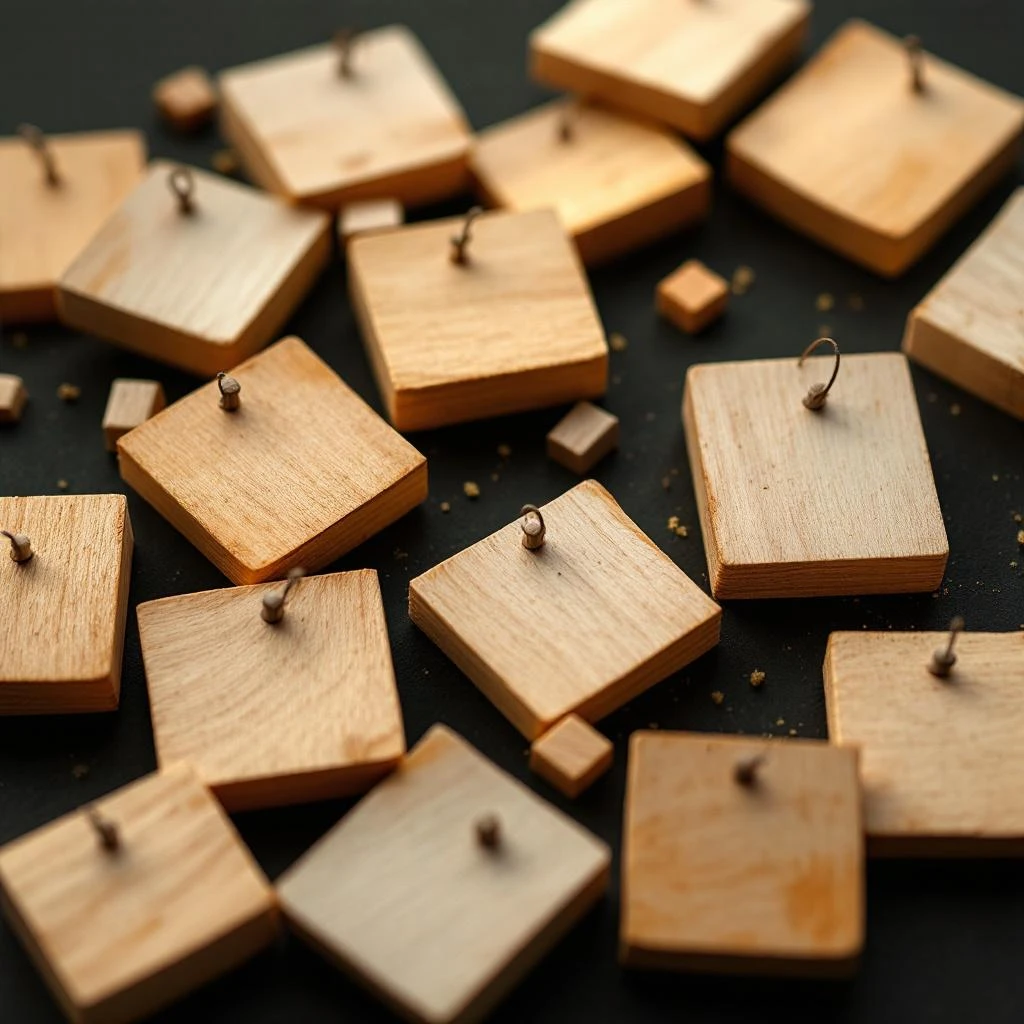
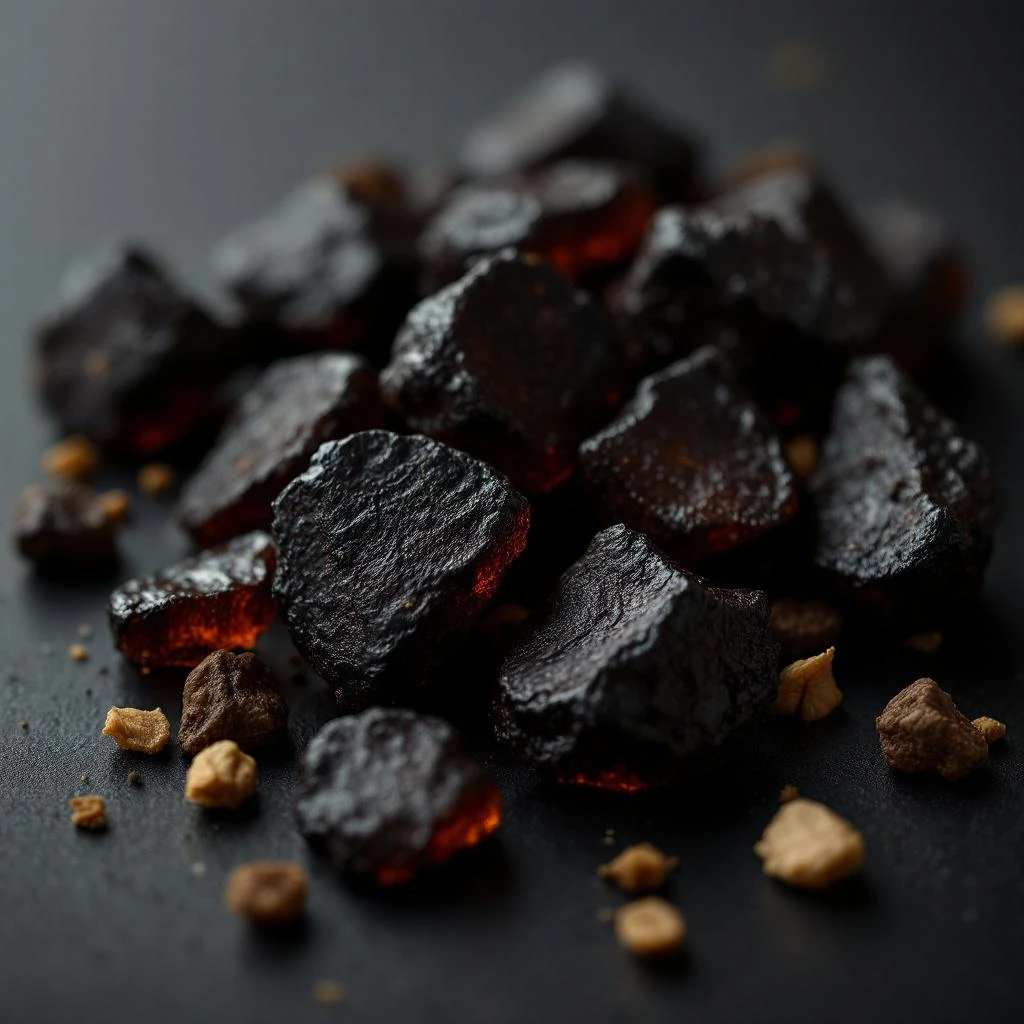
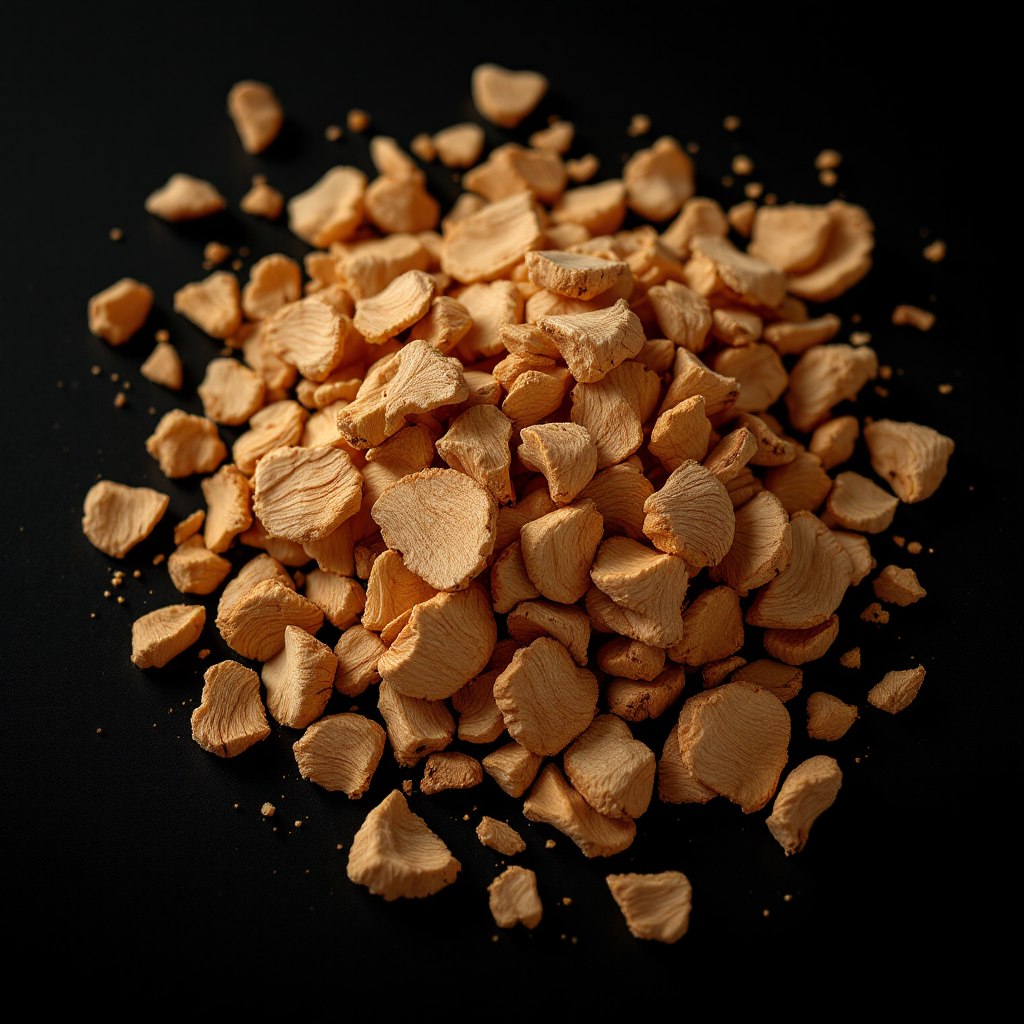
Hornbeam delivers a quiet forest depth to fragrance compositions, offering subtle woody and green facets that ground lighter top notes without overpowering. This lesser-known ingredient brings an understated elegance to the perfumer's palette.
Character
How it smells
A quiet forest note with understated depth.
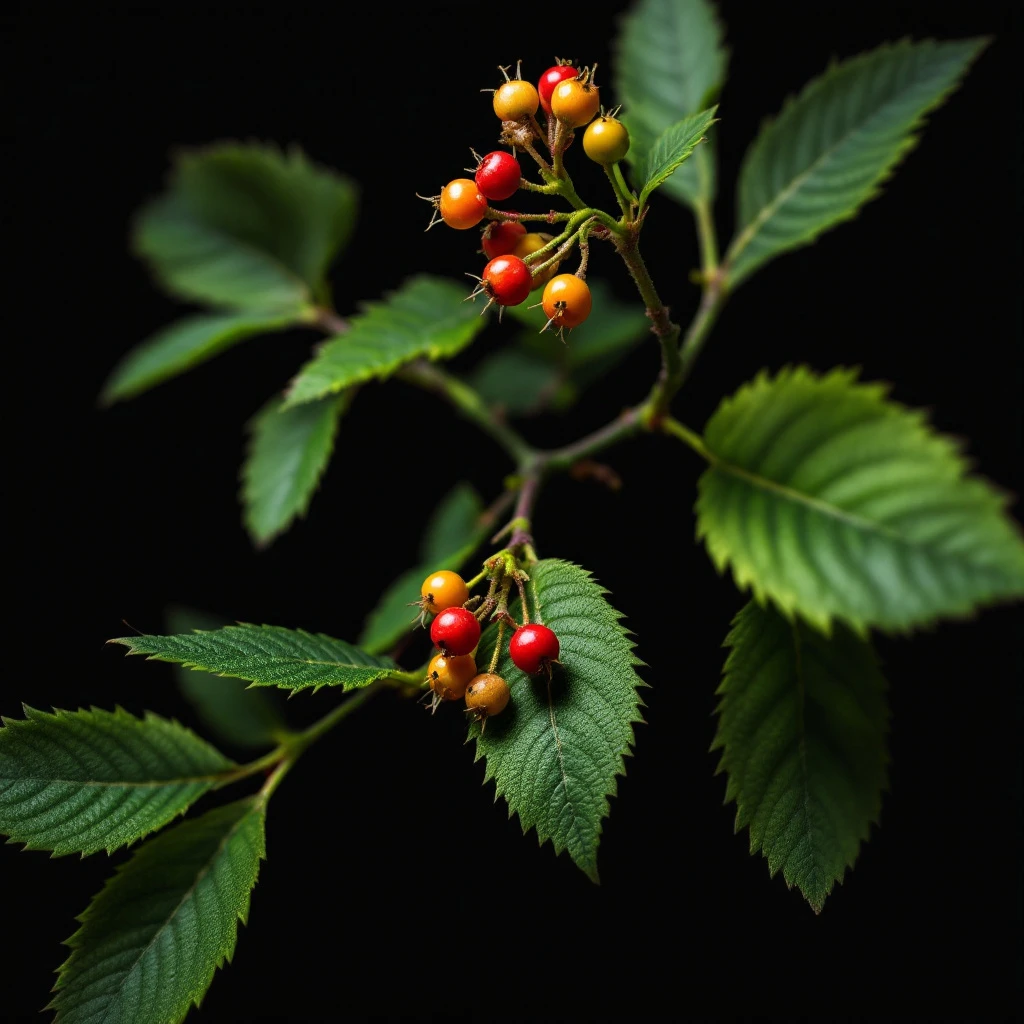
Hornbeam trees can live for 300 years, their smooth grey bark earning them the nickname 'white beech'.
Pairs beautifully with

Origin
France
Hornbeam has deep roots in European landscapes, particularly across France, Germany, and the British Isles where it has grown for millennia. The tree held practical significance before any aromatic consideration: its exceptionally hard wood once powered watermills and served as charcoal for ironworks, while the coppiced poles provided durable fence posts in rural communities.
Traditional folk practices occasionally employed hornbeam leaves in herbal preparations, though this reflected medicinal rather than perfumery traditions. The aromatic potential of hornbeam emerged more recently as perfumers began exploring beyond traditional botanical sources.
Its inclusion in fragrance compositions reflects a broader movement toward forest-inspired scents and a renewed interest in regional botanicals. Today, hornbeam represents a bridge between ancient woodland heritage and contemporary perfumery's expanding vocabulary of natural materials.
Wears it best
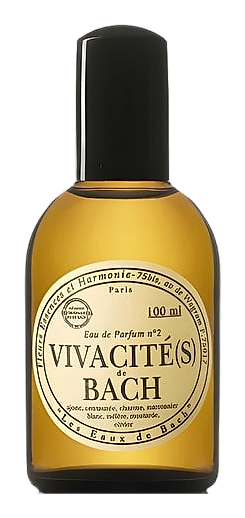
Fragrances featuring Hornbeam
Brands
Brands known for Hornbeam
Good to know
Questions, answered
The essentials on Hornbeam in perfumery: how it smells, where it comes from, and how it behaves on skin.
What does hornbeam smell like in perfume?
Hornbeam offers a fresh, green-woody aroma with subtle dry wood and forest floor characteristics. It functions as a grounding note that adds quiet depth without dominant presence.
Is hornbeam a common fragrance ingredient?
Hornbeam remains uncommon in perfumery. It appears selectively in fragrances designed with forest, green, or chypre orientations where its subtle woody character serves a specific compositional purpose.
What part of the hornbeam plant is used?
Perfumers use steam-distilled leaves, twigs, and young shoots. The young spring growth carries the most concentrated aromatic compounds, harvested specifically for distillation.
Does hornbeam grow wild or cultivated?
Hornbeam grows wild across temperate Europe, thriving in deciduous forests from sea level to moderate altitudes. Commercial harvesting typically sources from managed woodland areas.
How long have perfumers used hornbeam?
Hornbeam emerged as a perfumery ingredient primarily in the late twentieth century, as interest grew in forest-sourced botanicals beyond traditional materials like oakmoss or fir.
What fragrance families use hornbeam?
Hornbeam appears most often in green, fougere, chypre, and woodland-inspired compositions. It serves as a supporting base note rather than a prominent主角.
Can hornbeam be synthesized?
No synthetic equivalent replicates hornbeam's specific green-woody profile. Natural extraction remains the only source for its characteristic aromatic compounds in perfumery.
What does hornbeam pair well with in fragrance?
Hornbeam complements coniferous notes, oakmoss, violet leaf, and fresh citrus. These combinations reinforce its forest character while adding brightness or depth as needed.