Centaury
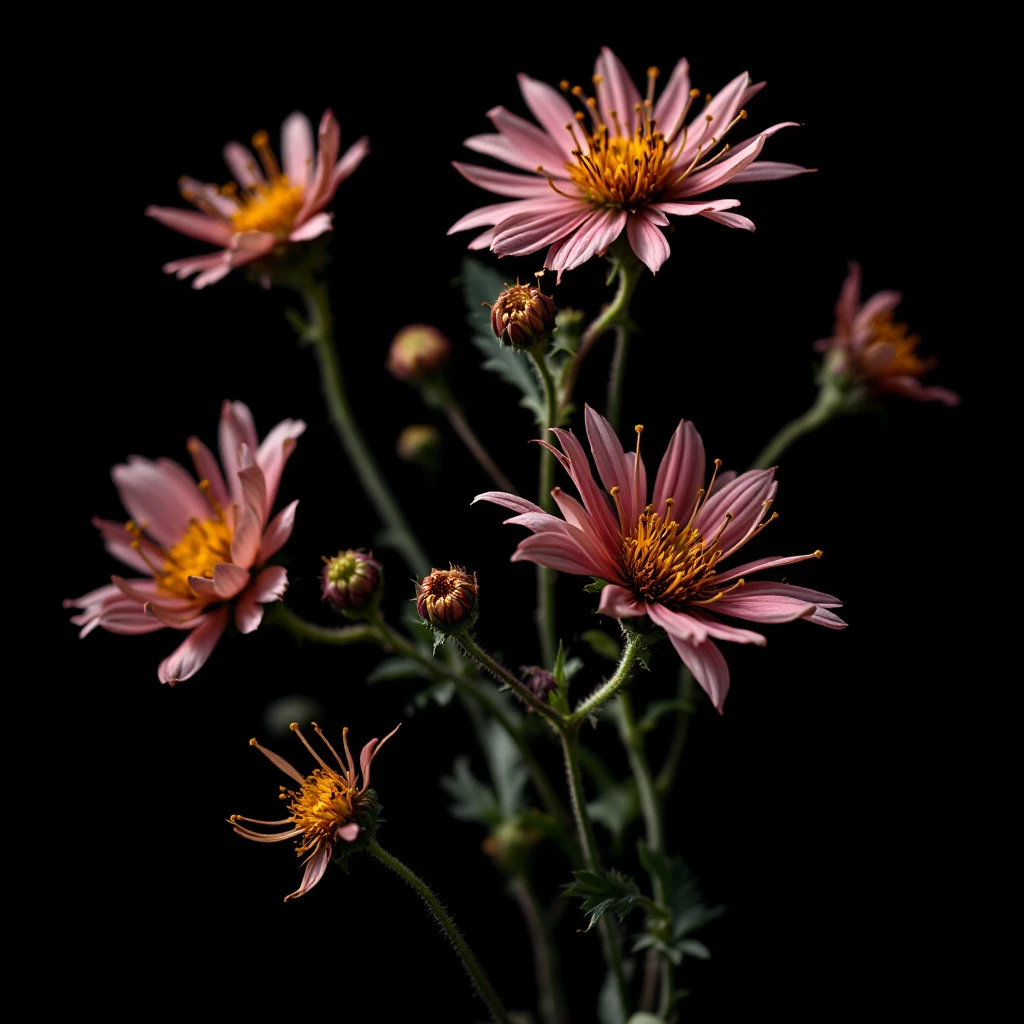
Centaury brings subtle bitter-herbal nuance to fragrance compositions, a botanical rarity once prized by ancient healers and now finding its place among artisanal perfumers seeking distinctive green accents.
Character
How it smells
Bitter botanical with ancient healing heritage
Named after the centaur Chiron, who reportedly used this herb to treat wounds according to Greek mythology.
Pairs beautifully with



Origin
Mediterranean Europe
Centaury carries one of perfumery's most storied botanical names, derived from the centaur Chiron of Greek mythology. Ancient physicians including Dioscorides documented the herb's medicinal applications around 50 CE, prescribing it for wounds, fevers, and digestive complaints. Medieval herbalists incorporated centaury into bitter tonics and digestive preparations across Europe.
Its presence in perfumery remains modest compared to established ingredients, though natural perfumers have rediscovered its complex bitter-green character as consumers seek alternatives to mainstream materials. The plant thrives across European meadows, from Mediterranean regions northward to Scandinavia, adaptively producing its characteristic bitter compounds in response to environmental stressors.
Wears it best
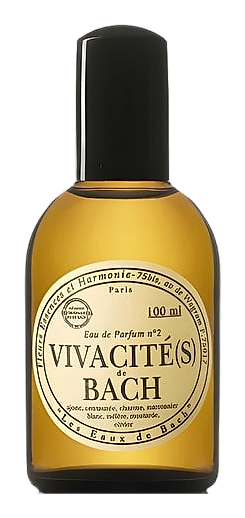
Fragrances featuring Centaury
Brands
Brands known for Centaury
Good to know
Questions, answered
The essentials on Centaury in perfumery: how it smells, where it comes from, and how it behaves on skin.
Is centaury commonly used in modern perfumery?
No, centaury remains rare in commercial perfumery. It appears primarily in small-batch natural fragrances and artisanal compositions seeking distinctive bitter-herbal notes rarely found in mainstream ingredients.
What does centaury smell like?
Centaury delivers a bitter, green, slightly medicinal aroma with subtle floral undertones. The scent is complex, combining earthy bitterness with faint sweet-herbaceous qualities that evolve during drydown.
Where does centaury grow naturally?
Centaurium erythraea thrives across Mediterranean Europe, North Africa, and parts of temperate Asia. It prefers dry grasslands, rocky slopes, and meadows with alkaline soils at elevations up to 1,500 meters.
Does synthetic centaury exist?
Commercial synthetic alternatives replicating centaury's bitter-green character exist, though no single molecule perfectly captures the botanical's complexity. Perfumers typically pair available synthetics with natural extracts when recreating the note.
What gives centaury its bitter character?
Secoiridoid glycosides, primarily sweroside and swertiamarin, create centaury's signature bitter profile. These compounds develop as the plant matures, reaching peak concentration during flowering.
Can centaury cause skin reactions?
Centaury extract shows low sensitization potential in standard testing. As with any botanical material, patch testing remains advisable for individuals with sensitivities to gentian-family plants.
How should centaury be stored in a fragrance formulation?
Store centaury extract in airtight, amber glass containers away from heat and light. The material maintains stability for 12-18 months when properly preserved, though bitter compounds may gradually soften over extended storage.
What fragrance families pair well with centaury?
Centaury complements green, herbal, and chypre compositions. It pairs effectively with other bitter ingredients like artemisia, as well as warm bases including labdanum and vetiver, adding depth and complexity to the overall blend.