Muscarome
Muscarome is a Givaudan-designed synthetic musky molecule that captures the warmth and animalic depth of natural musk without ethical concerns. Its clean, powdery warmth has made it a staple in modern perfumery, grounding fragrances from the first spray through the final dry-down.
Character
How it smells
The molecule that redefined musk for modern perfumery.
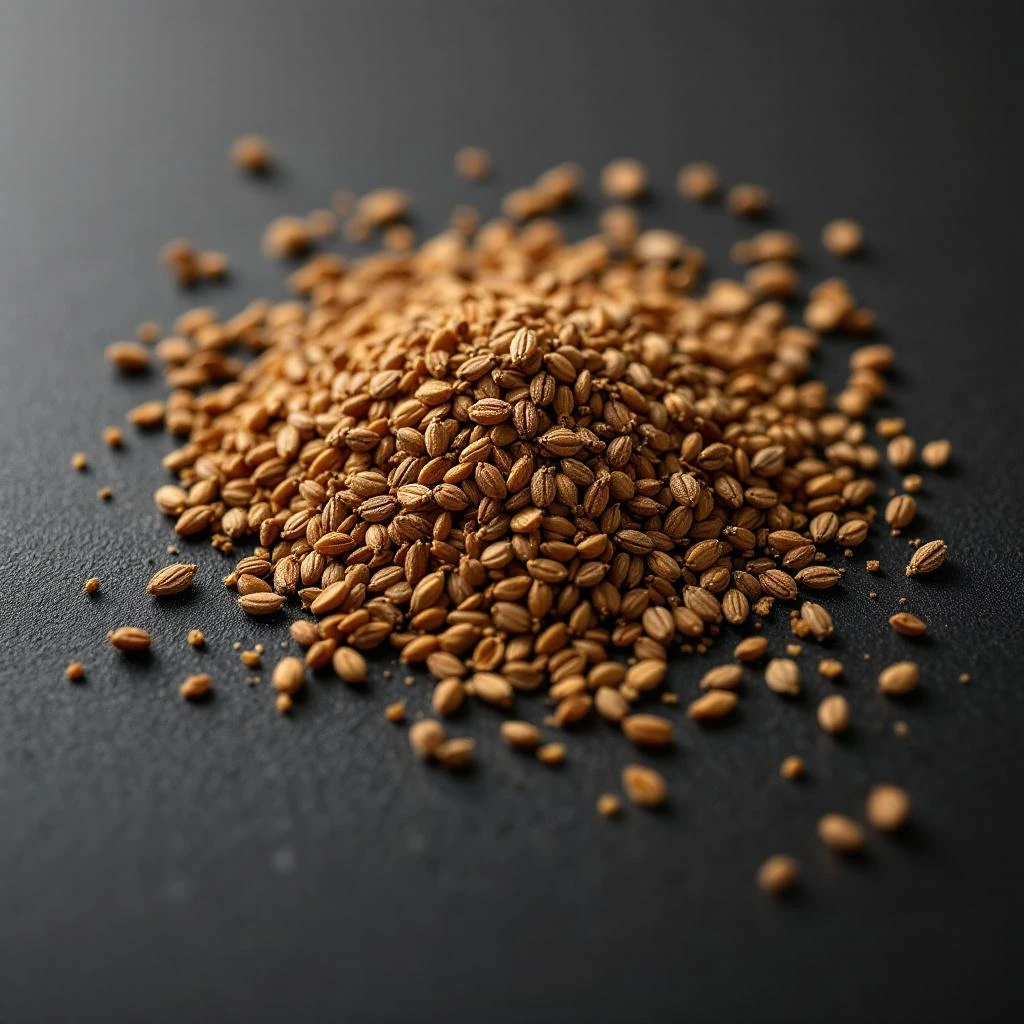
Muscarome belongs to the same chemical family as musk extracted from the musk deer, but scientists build its structure atom by atom in the lab.


Origin
Switzerland
For over a thousand years, natural musk meant one thing: the aromatic gland of the male musk deer. Ancient Persians, Chinese dynasties, and Arab traders prized it as a fixative and prestige ingredient, burning it in religious ceremonies and blending it into royal perfumes.
The scent commanded astronomical prices and drove demand that nearly decimated wild populations. By the 20th century, perfumers faced mounting pressure as musk deer populations collapsed and international trade bans emerged.
The solution arrived through industrial fragrance chemistry. After decades of research, biotech-derived ingredients like Muscarome emerged, preserving the sensory heritage of musk while respecting both wildlife and modern ethics.
Wears it best
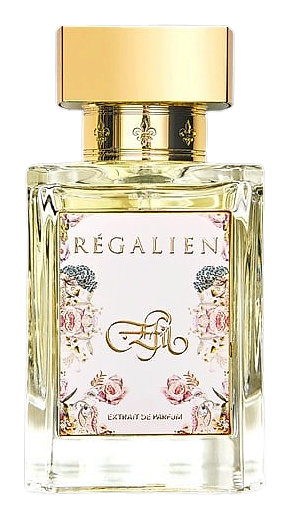
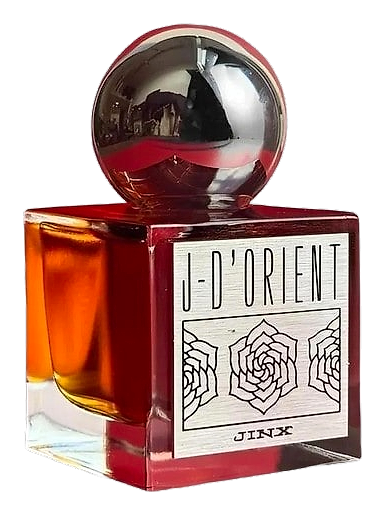
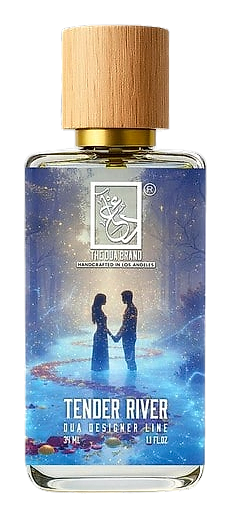
Fragrances featuring Muscarome
Brands
Brands known for Muscarome
Good to know
Questions, answered
The essentials on Muscarome in perfumery: how it smells, where it comes from, and how it behaves on skin.
What does Muscarome smell like?
Muscarome has a warm, powdery character with subtle ambery undertones. It reads as clean and enveloping, evoking the sensation of sun-warmed skin rather than raw animalic musk.
What fragrance families use Muscarome most often?
Floral, woody, and oriental compositions most commonly feature Muscarome. It adds warmth to white florals, depth to sandalwood bases, and longevity to ambery fragrances.
Is Muscarome a natural or synthetic ingredient?
Muscarome is fully synthetic. Givaudan creates it through controlled laboratory synthesis, ensuring consistent quality without animal-derived raw materials.
Who developed Muscarome?
Givaudan created Muscarome as part of their synthetic musky compound portfolio. The Swiss fragrance house has been at the forefront of biotech fragrance ingredients since the late 20th century.
When did synthetic musk alternatives first become commercially available?
Modern synthetic musks appeared in the 1920s, but commercial-scale biotech production emerged around 60 years after those initial discoveries, transforming the industry.
How does Muscarome function in a fragrance formula?
Muscarome acts primarily as a fixative, slowing the evaporation of more volatile top notes and extending the fragrance's presence on skin for several hours.
What makes Muscarome significant for ethical perfumery?
Muscarome eliminates dependence on endangered species. It delivers musky warmth without contributing to wildlife trafficking or habitat destruction associated with natural musk harvesting.
Can Muscarome replace natural musk entirely in formulas?
Muscarome captures essential musky qualities but represents one tool among many. Contemporary perfumers often layer multiple synthetic musks to approximate the complex depth of natural extracts.