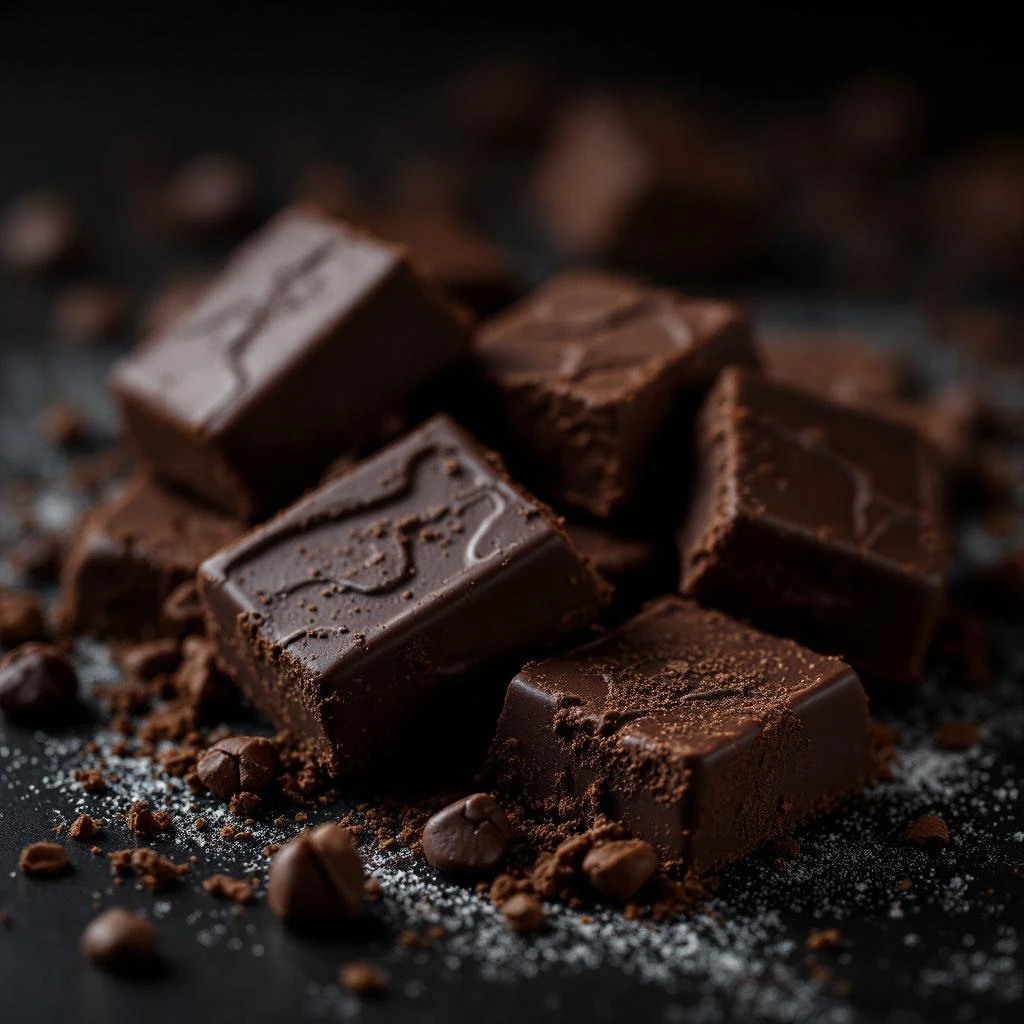
Mousse Au Chocolat
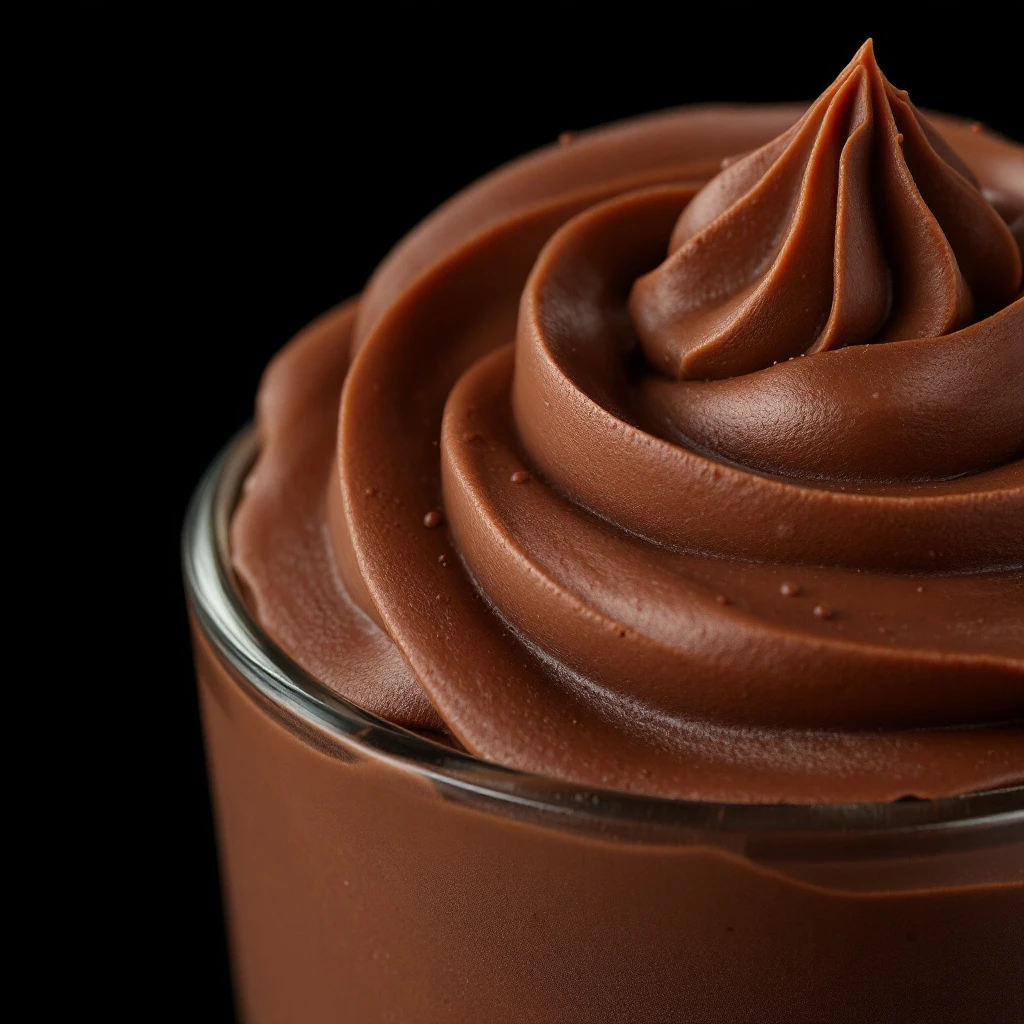
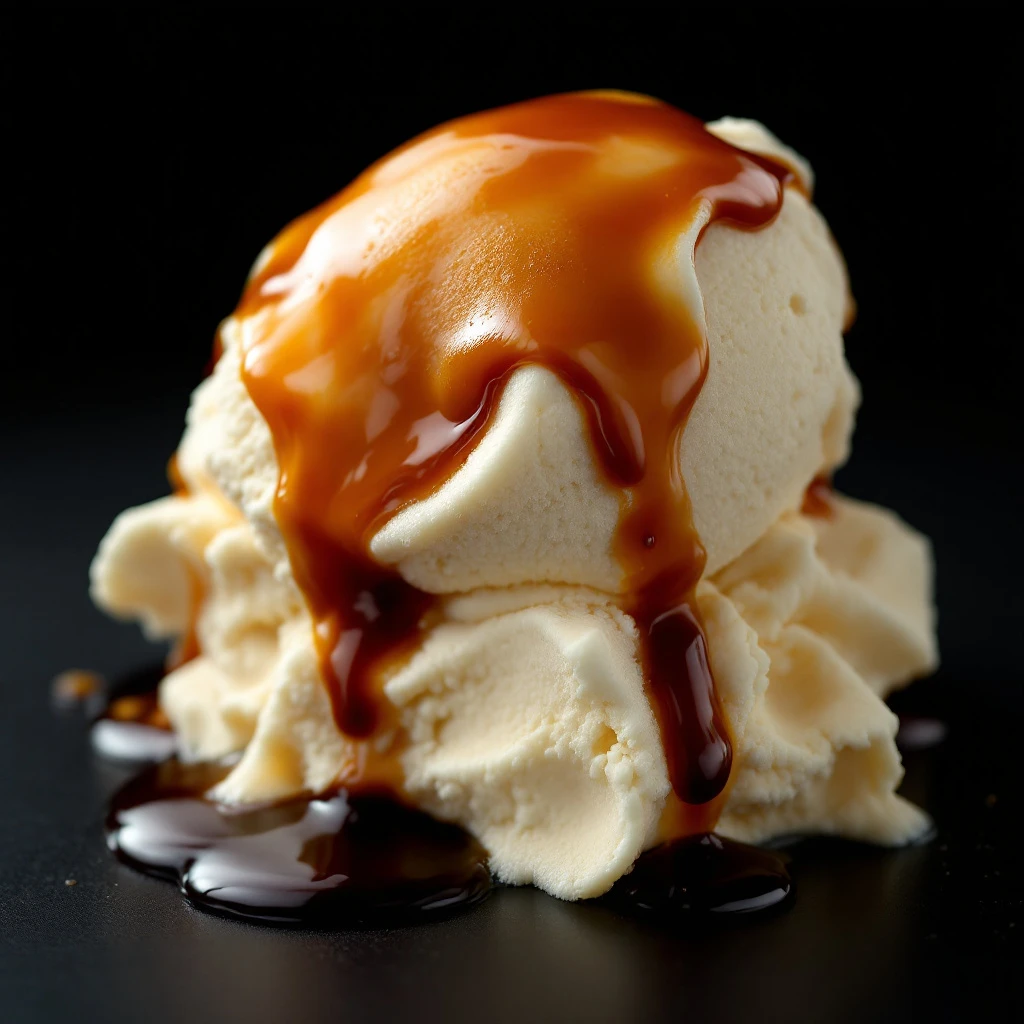
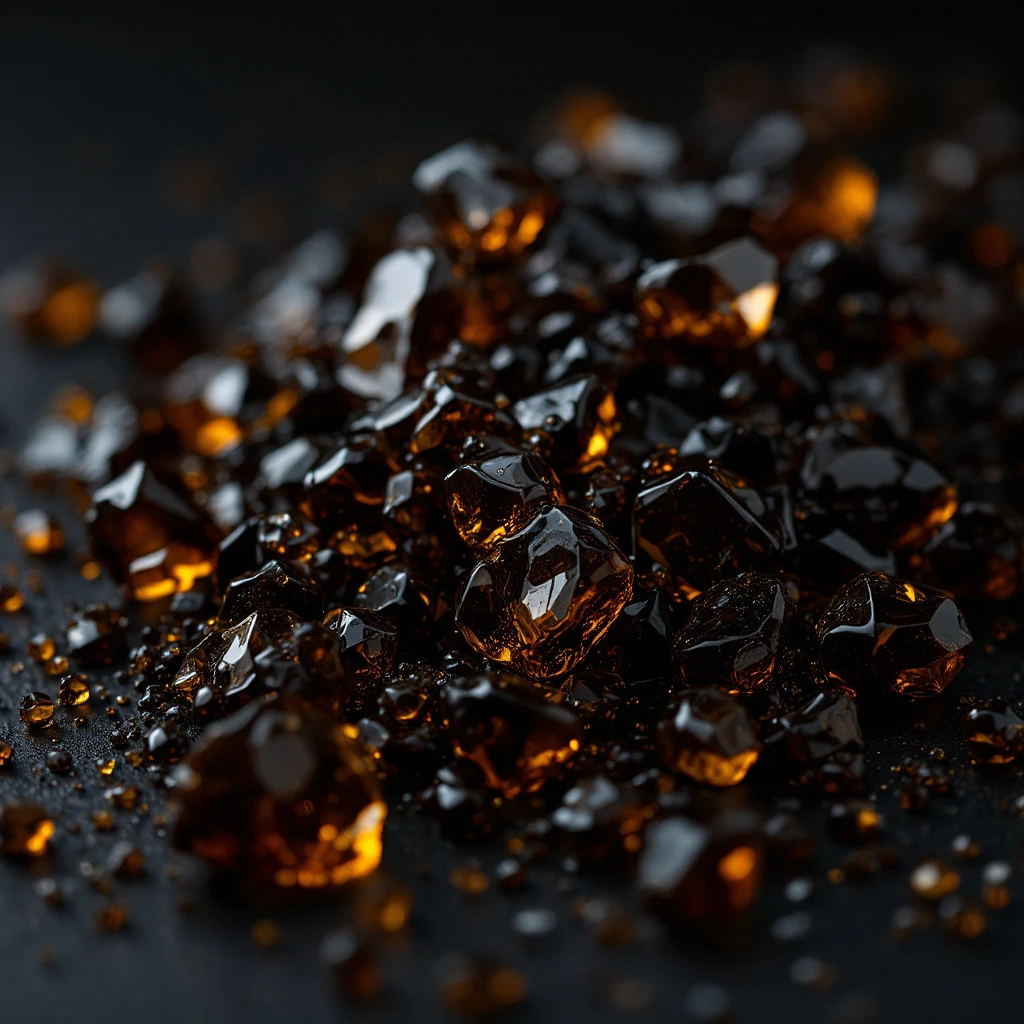
A gourmand accord capturing the bittersweet richness of dark chocolate folded into whipped cream. Mousse au chocolat in perfumery evokes velvety cocoa depth, airy dairy softness, and the faint bitterness of fine cacao.
Character
How it smells
Whipped cocoa, bottled bliss.
Chocolate mousse recipes date back to at least the 18th century, well before perfumers ever thought to bottle the dessert's aroma.


Origin
France
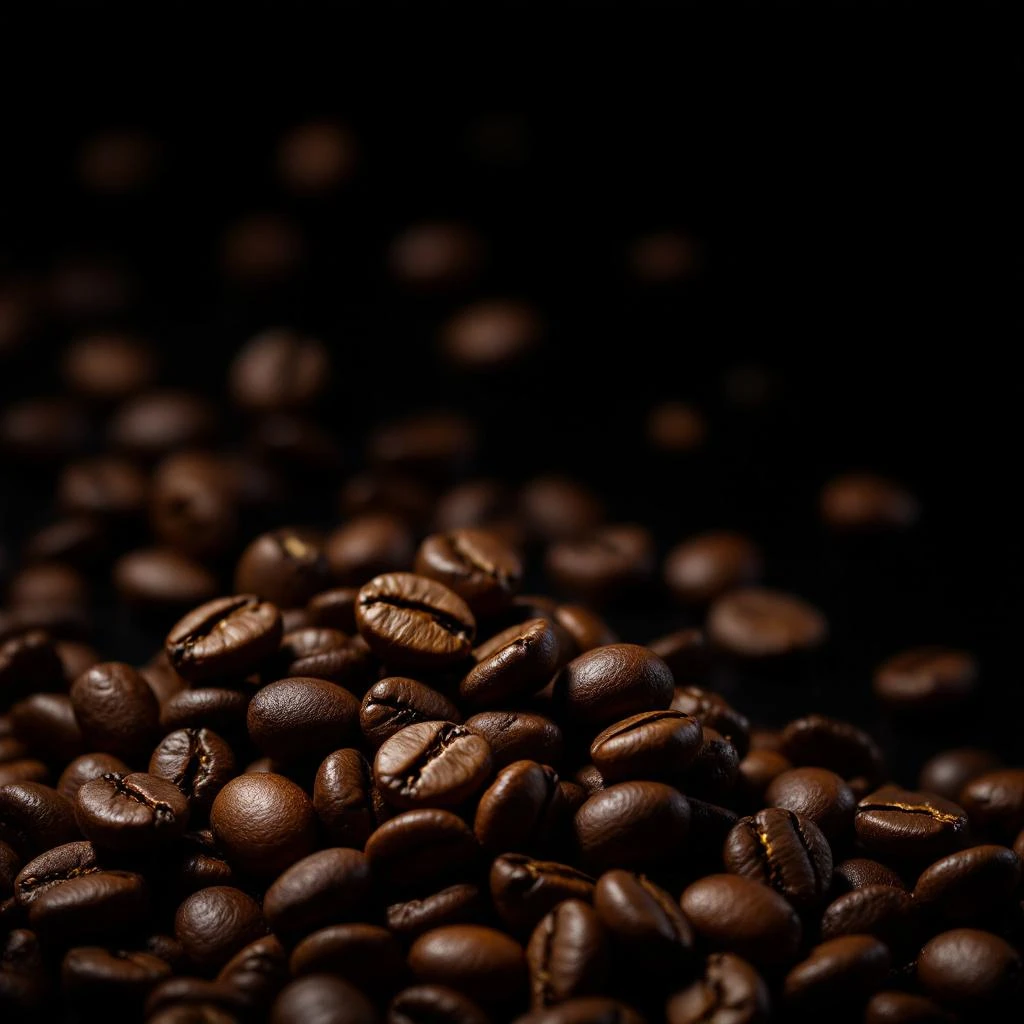
Chocolate's path into perfumery mirrors its path through European kitchens. The Mayans and Aztecs consumed cacao as a bitter, spiced beverage long before it reached Spain in the 16th century. By the 18th century, French cooks had refined it into mousse, a dessert that prized airy texture over sweetness.
Perfumery caught up much later. Modern gourmand fragrances emerged only in the 1990s, when advances in synthetic aroma chemistry allowed perfumers to recreate edible scents without overpowering a composition. Vanilla and coumarin had already appeared in late 19th century work, but chocolate required molecules like theobromine-adjacent pyrazines to smell authentic.
Today, mousse au chocolat accords appear in niche and mainstream releases alike, a clear signal that dessert-inspired perfumery moved from novelty to established category within three decades.
Wears it best
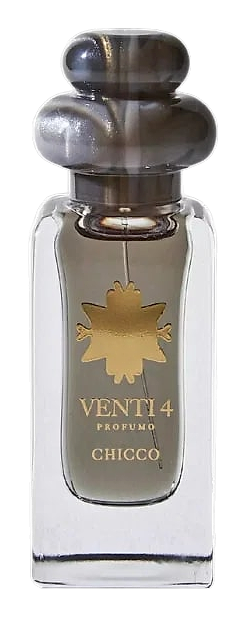
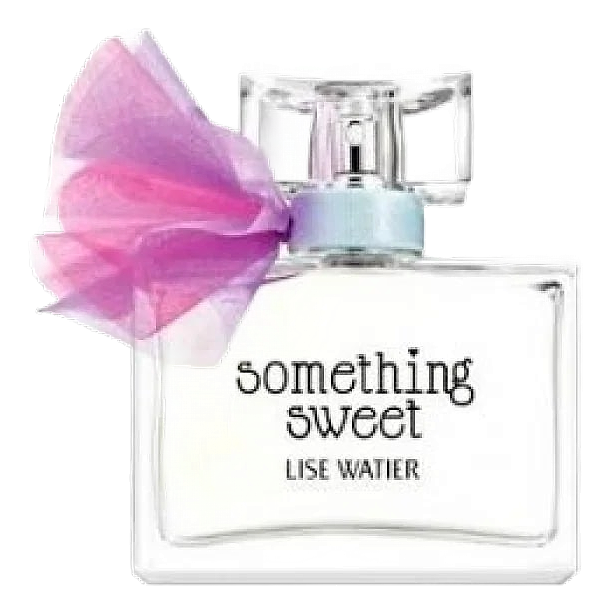
Fragrances featuring Mousse Au Chocolat
Brands
Brands known for Mousse Au Chocolat
Good to know
Questions, answered
The essentials on Mousse Au Chocolat in perfumery: how it smells, where it comes from, and how it behaves on skin.
What's the difference between cocoa and chocolate in perfumery?
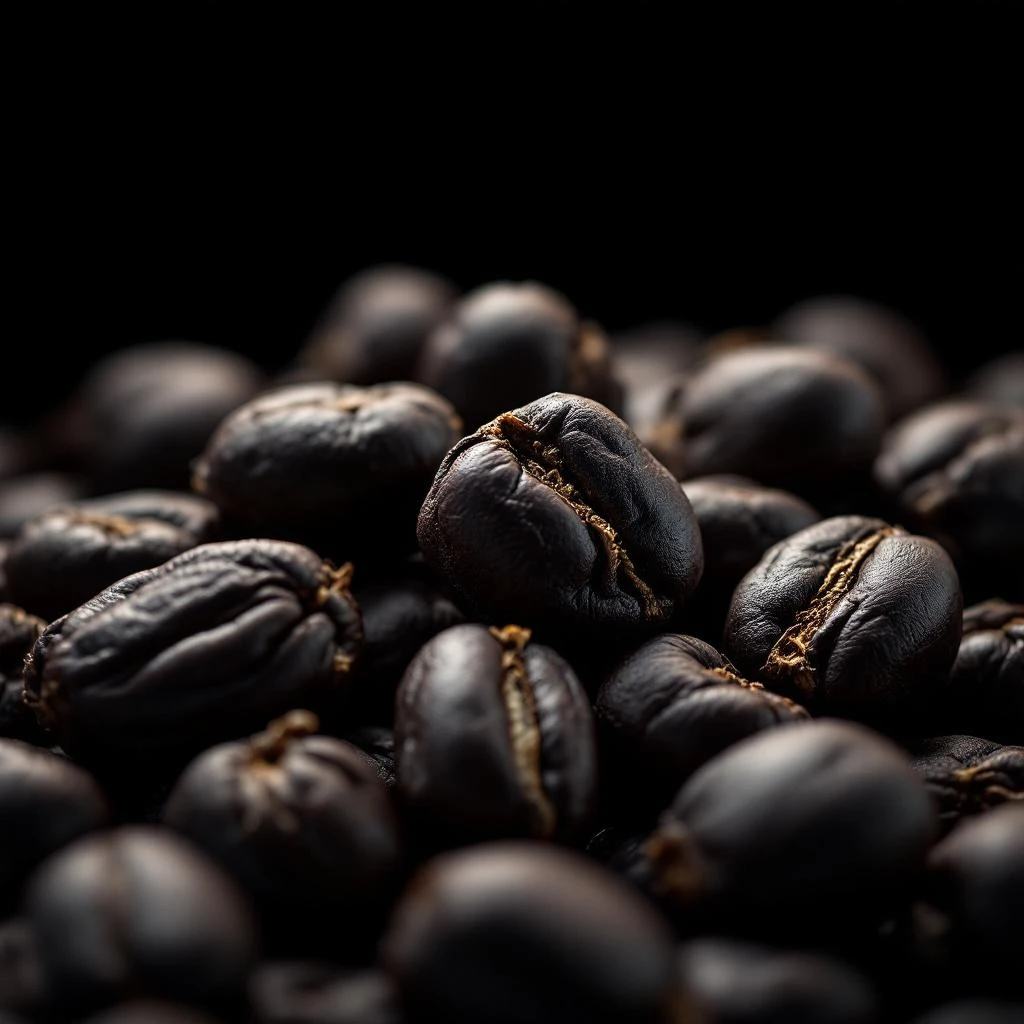
Cocoa absolute smells raw and bitter, closer to roasted cacao beans. Chocolate accords add vanillin, sugar molecules, and dairy notes to round out the sweetness. Mousse au chocolat sits at the creamy, dessert-ready end of that spectrum.