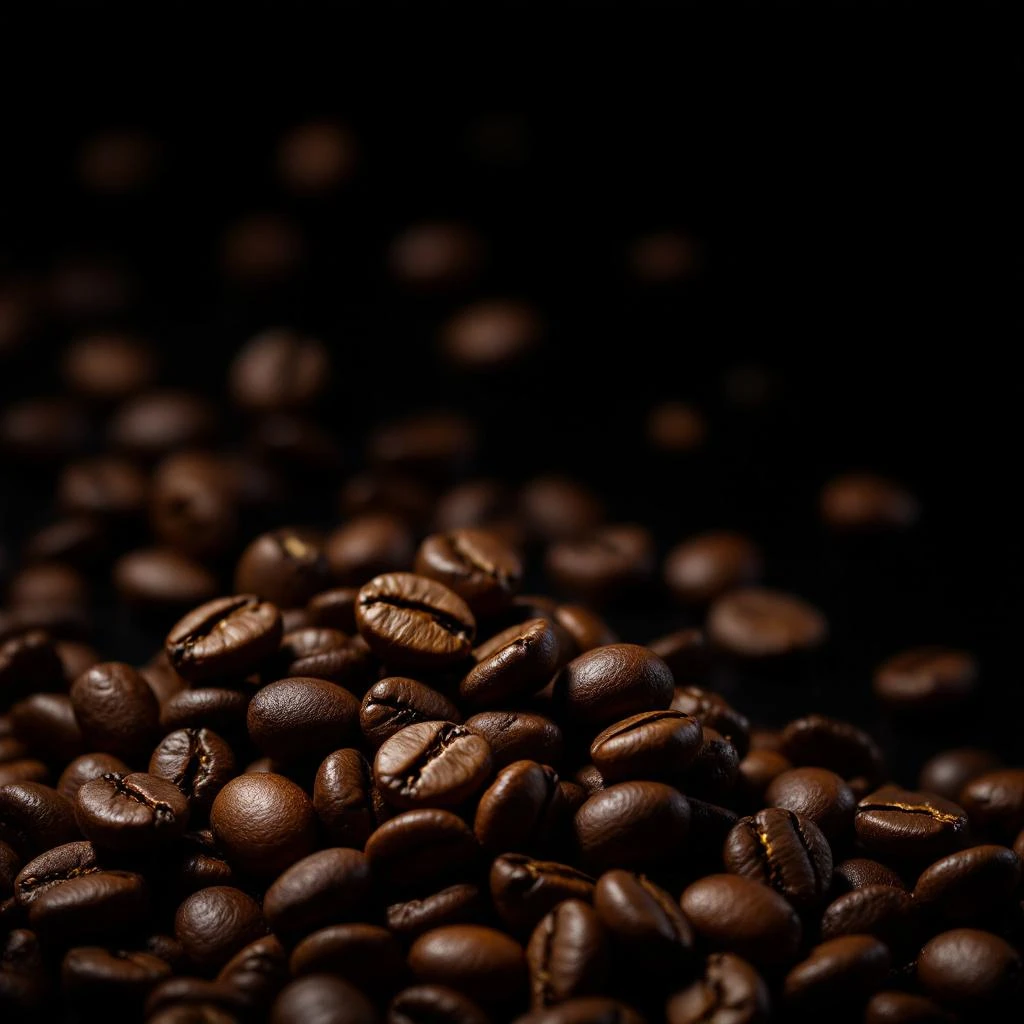
Moon Milk
A pale, velvety accord inspired by cave moonmilk, the mysterious limestone secretion that has puzzled naturalists for centuries. It carries a soft mineral creaminess with cool, stony depth.
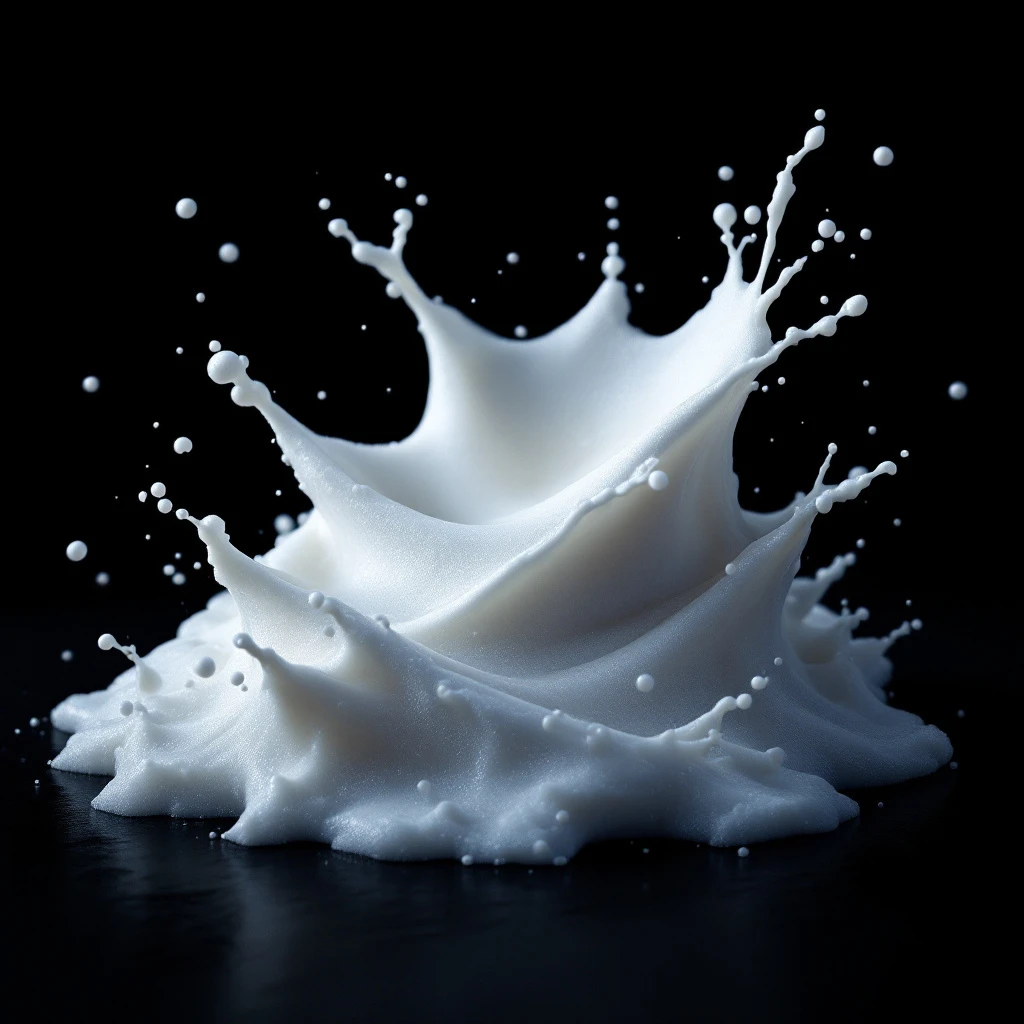
Character
How it smells
Stone-ground softness bottled in vapor.
Real moonmilk was found in a 2,700-year-old Chinese nobleman's tomb, yet scientists still debate how limestone caves produce this chalky paste.
Pairs beautifully with


Origin
Sweden
Long before perfumers claimed the name, moonmilk referred to a real substance: a soft, paste-like deposit that oozes from limestone cave walls. Archaeological evidence shows it was placed in the tomb of a Chinese nobleman roughly 2,700 years ago, possibly as a ritual offering.
The term resurfaced in sixteenth-century Europe when Swiss spelunker and natural philosopher Conrad Gessner described it in his climbing notes, puzzled by its ghostly white appearance. Centuries later, microbiologists identified the deposit as calcium carbonate produced by bacterial action, though the full mechanism remains debated.
The fragrance concept emerged in the late 2010s with niche launches like Stora Skuggan's Moonmilk, which translated that cavernous mystique into a wearable skin scent. It sits within a growing category of atmospheric, place-inspired fragrances that treat geology as a raw material.
Wears it best
Fragrances featuring Moon Milk
Brands
Brands known for Moon Milk
Good to know
Questions, answered
The essentials on Moon Milk in perfumery: how it smells, where it comes from, and how it behaves on skin.
What does moon milk smell like in perfume?
Moon milk accord smells creamy and slightly mineral, with soft dairy notes layered over cool, stony undertones. It evokes damp limestone and warm skin rather than any single flower or fruit.
Is moon milk a real ingredient?
In perfumery, moon milk is a constructed accord, not a single raw material. The real substance is a chalky cave deposit whose exact formation scientists still debate.
Which perfumes feature a moon milk note?
Stora Skuggan's Moonmilk, released in 2020, popularized the accord in niche fragrance. Several indie houses have since released variations exploring its milky, mineral profile.
Where does natural moon milk come from?
Natural moon milk forms on limestone cave ceilings and walls worldwide, with notable deposits in the Alps, Scandinavia, and parts of North America. Bacterial activity appears central to its creation.
Is moon milk safe to wear as a fragrance?
Yes, the fragrance version uses skin-safe synthetic aroma chemicals formulated for cosmetic use. The cave deposit itself is edible and historically used in folk remedies, though perfume versions contain none of the original mineral.
How old is the moon milk concept?
Archaeologists found moon milk in a Chinese nobleman's tomb dated to roughly 700 BCE. The name entered European science in the 1500s through Swiss naturalist Conrad Gessner.
Does moon milk fragrance contain dairy?
Most moon milk perfumes are entirely dairy-free, achieving their creamy impression through lactones, coconut-derived molecules, and coumarin. Some versions may incorporate trace goat milk distillate for added richness.
What fragrance family does moon milk belong to?
Moon milk sits within the gourmand and skin-scent families, bridging creamy edible notes with mineral or earthy undertones. It pairs well with iris, ambrette, and soft white musks.