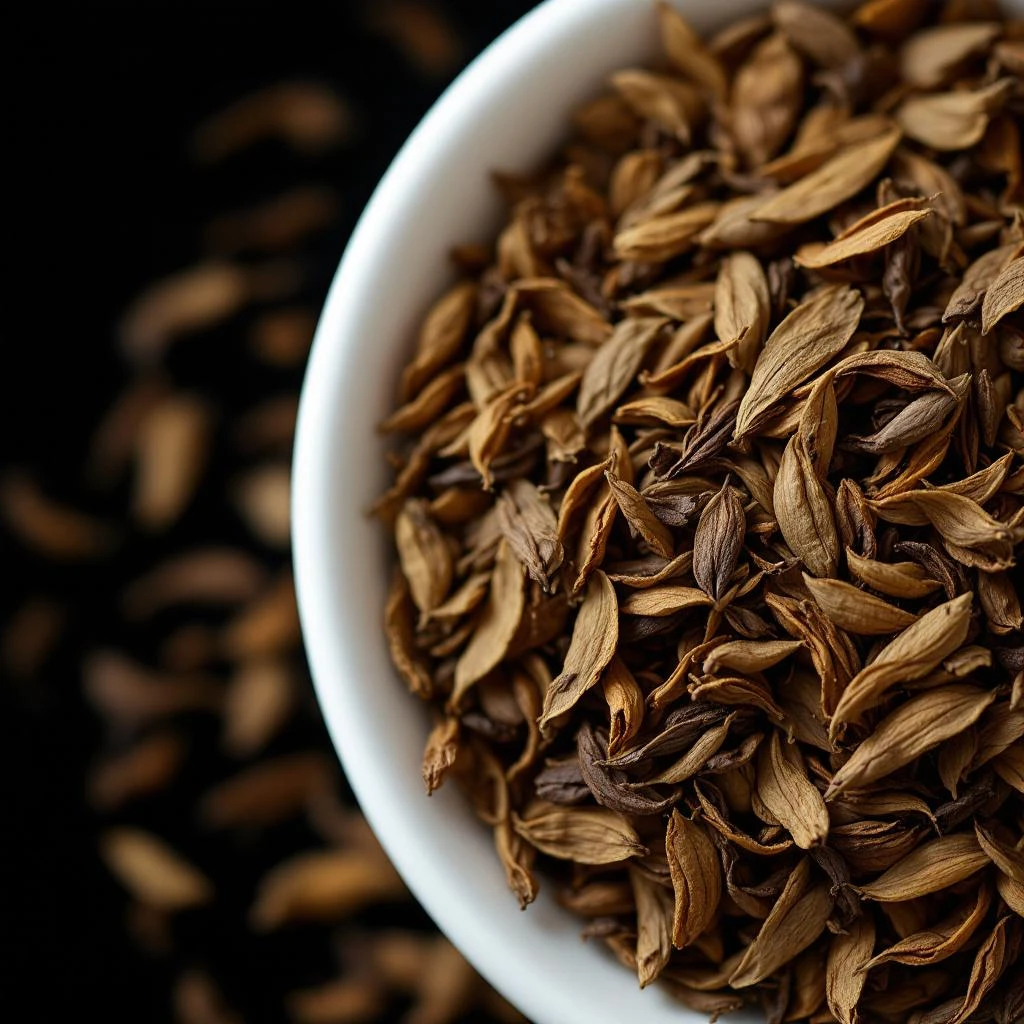
Medlar Leaf
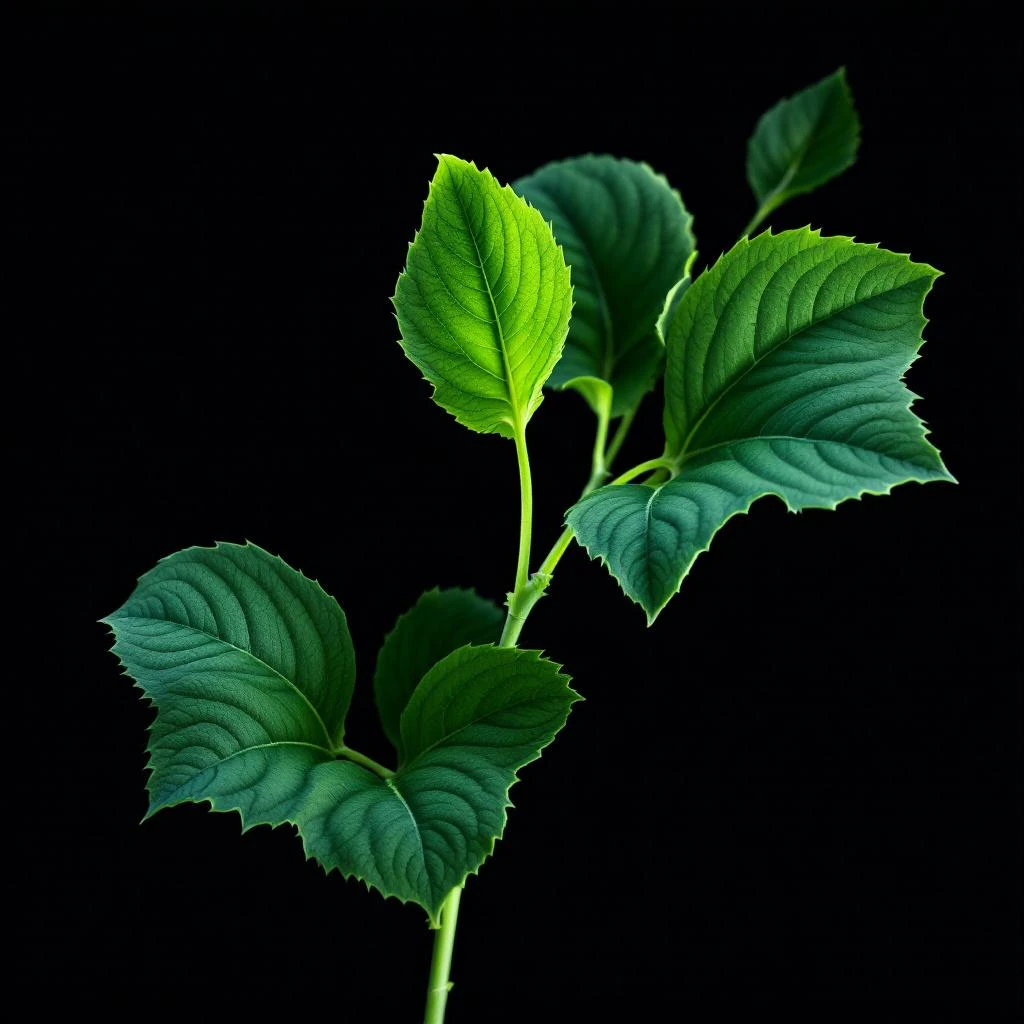
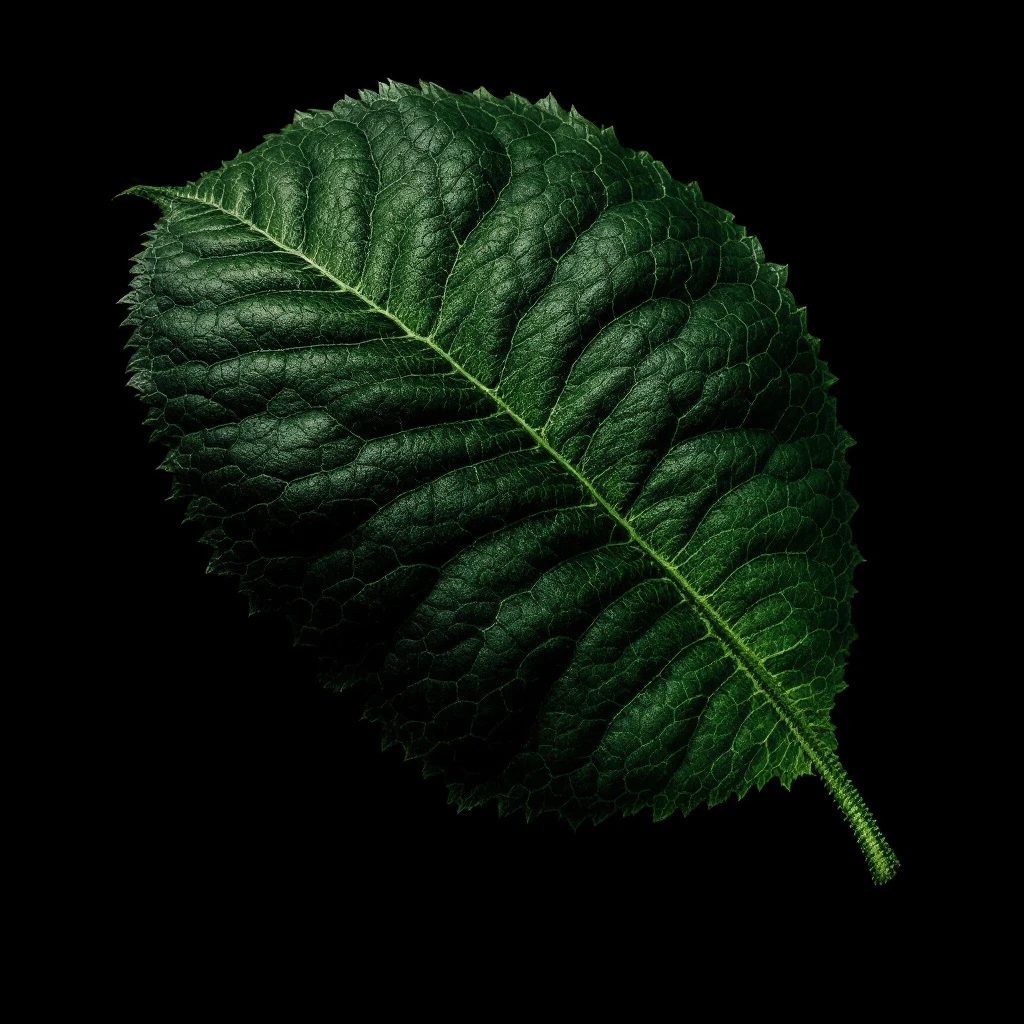
Medlar leaf brings a quiet complexity to perfumery, offering verdant, slightly bitter green notes that ground brighter elements in a fragrance composition. This underutilized botanical draws from centuries of European cultivation.
Character
How it smells
Verdant, bitter, grounding.
The medlar tree survives in cultivation across Europe with documented presence since Roman times, outliving many garden trends.


Origin
Turkey
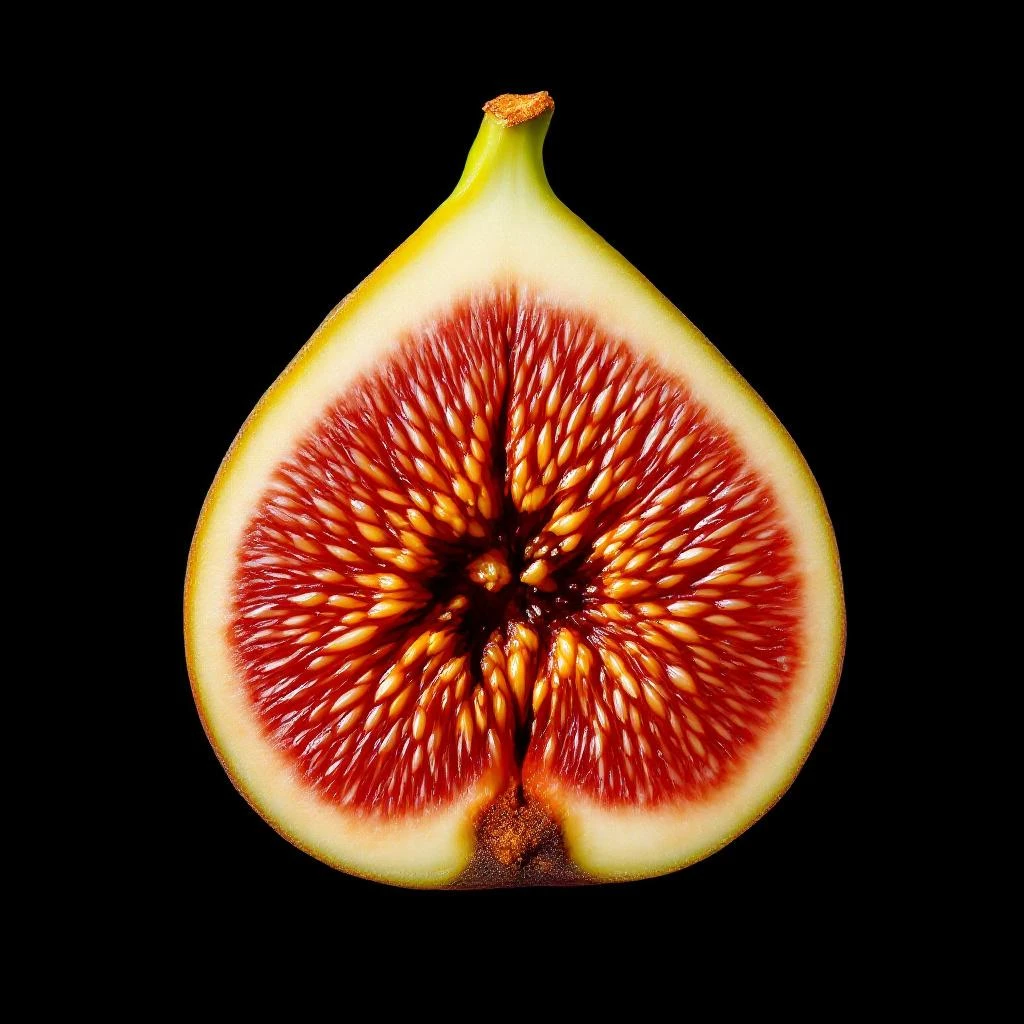
Mespilus germanica originated in the Black Sea region and Caspian Sea territories before spreading through Persian and Roman trade routes into Western Europe. Greek and Roman writers documented the fruit extensively, though leaf use in perfumery remains less historically recorded. The tree found favor in monastery gardens and aristocratic estates throughout the Middle Ages, valued more for its fruit than aromatic applications.
Medieval herbalists occasionally used medlar leaves in preparations, though dedicated fragrance extraction from this material emerged only in recent centuries as natural perfumery expanded its botanical palette. Today it remains a rare perfumery ingredient, found primarily in formulations seeking distinctive green notes.
Wears it best
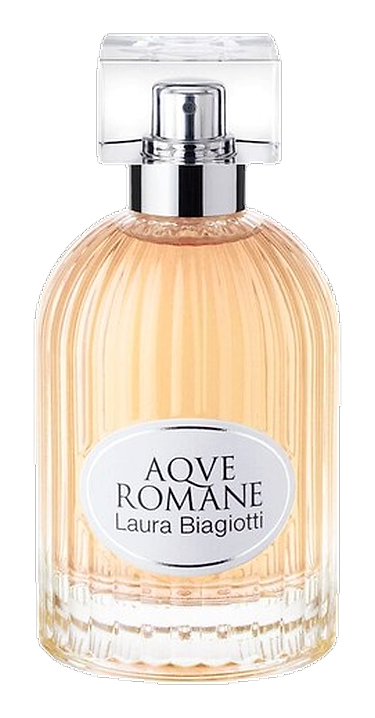
Fragrances featuring Medlar Leaf
Brands
Brands known for Medlar Leaf
Good to know
Questions, answered
The essentials on Medlar Leaf in perfumery: how it smells, where it comes from, and how it behaves on skin.
What does medlar leaf smell like?
Medlar leaf delivers a green, slightly bitter aroma with verdant, herbaceous qualities. It functions as a grounding element in fragrance compositions, adding herbal depth without overwhelming lighter notes.
Is medlar leaf commonly used in perfumery?
Medlar leaf remains an uncommon ingredient in modern perfumery. It appears primarily in formulations from niche houses seeking distinctive botanical profiles.
What extraction methods work for medlar leaf?
Steam distillation and solvent extraction both yield usable extracts from medlar leaf. Steam distillation produces essential oil, while solvent extraction typically yields a more concentrated absolute.
Where does medlar originate?
Mespilus germanica traces its origins to the Black Sea and Caspian Sea regions, spanning parts of modern Turkey, Iran, and the Caucasus. The species spread westward through ancient trade routes.
How long has medlar been cultivated?
Documented cultivation of medlar dates to Roman times, with references appearing in Greek and Latin agricultural texts. The tree has survived in European gardens for over two thousand years.
What part of the medlar plant is used in fragrance?
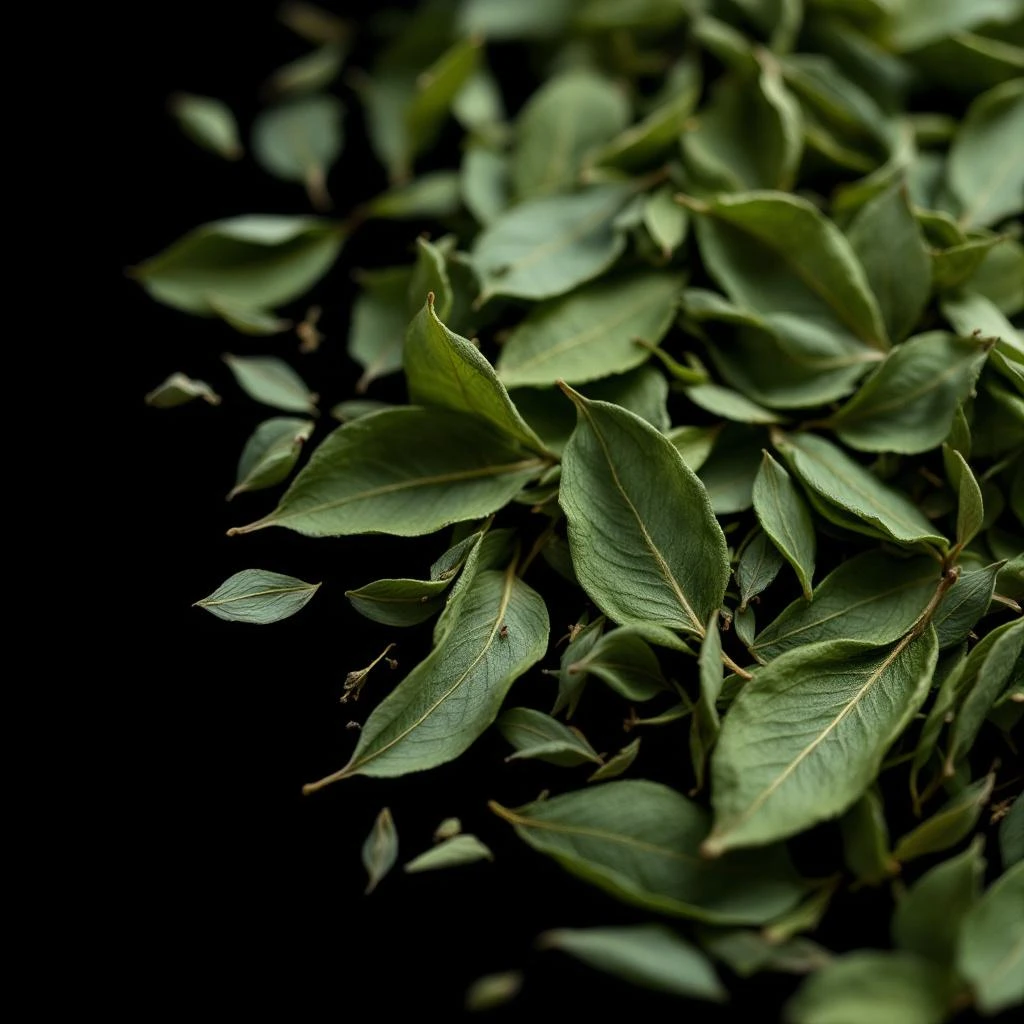
Fragrance production focuses on medlar leaves rather than the fruit. Leaves are harvested and processed fresh or after careful drying to preserve aromatic compounds.
Does synthetic medlar leaf exist?
Synthetic alternatives to medlar leaf exist, though they cannot fully replicate the complexity of natural extracts. Natural perfumers generally prefer the botanical material for its nuanced profile.
How does medlar leaf compare to other green notes?
Medlar leaf offers a more bitter, less sweet green character compared to galbanum or violet leaf. It provides a distinctive herbal quality that works well in chypre and fougere compositions.