Mediterranean Iris Butter
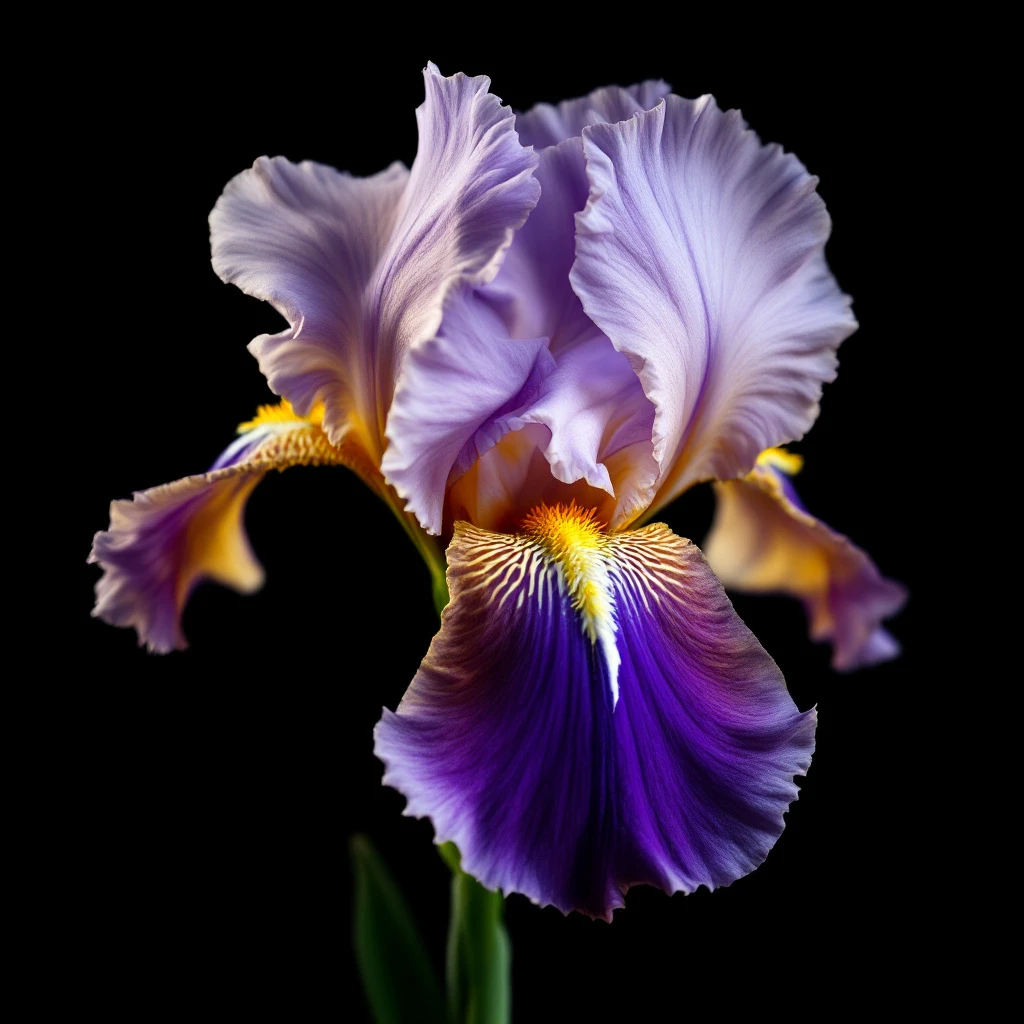
Iris butter earns its name from the waxy, pale-yellow concentrate that emerges from aged rhizomes of Iris pallida. Sought for powdery, violet-like depth, it anchors some of the costliest compositions in modern perfumery.
Character
How it smells
Six years underground, one golden butter, countless admirers.
Iris pallida rhizomes must age for a minimum of three years after harvest, and often up to five, before distillation yields butter.
Pairs beautifully with




Origin
Italy
Orris enters the perfumery record during the Renaissance, when Catherine de Medici brought Italian refiners to the French court and helped shift scent from heavy animalic bases toward floral elegance. Iris pallida had already been cultivated near Florence for centuries, with roots valued for their fresh, violet-peel scent in pomanders and glove sachets.
By the eighteenth century, the rhizome was a staple of European apothecaries, sold as a fixative, a breath freshener, and a base for violet-scented powders. The Italian town of San Polo a Sangro became a center of orris farming, and Tuscan roots still set the quality benchmark.
In the twentieth century, iris butter entered haute perfumery as perfumers learned to isolate and concentrate its irones, the molecules responsible for the dry, powdery, slightly earthy facet. Today, orris remains a signature material in luxury compositions, tied directly to the same Tuscan fields that have supplied perfumers for generations.
Wears it best
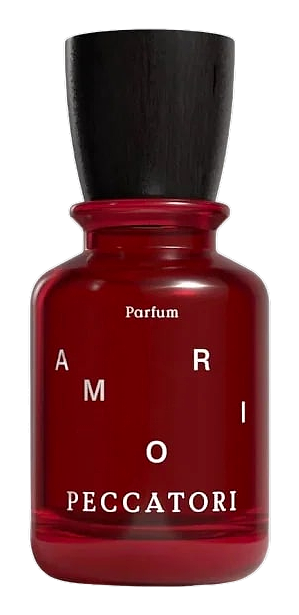
Fragrances featuring Mediterranean Iris Butter
Good to know
Questions, answered
The essentials on Mediterranean Iris Butter in perfumery: how it smells, where it comes from, and how it behaves on skin.
What is iris butter in perfumery?
Iris butter is the waxy, yellowish concentrate that remains after steam distillation of aged Iris pallida rhizomes. It contains the irones responsible for orris's signature powdery, violet-like scent and serves as a base for many luxury fragrances.
Why is iris butter so expensive?
Iris butter requires six to eight years from planting to finished product, the longest cycle of any natural perfumery ingredient. Combined with low yield per hectare and labor-intensive hand peeling, this timeline keeps global supply tight and prices high.
What does iris butter smell like?
Iris butter carries a powdery, soft scent with violet-like floralcy, warm earthiness, and a dry, almost suede-like finish. The irones inside the butter produce the same refined character found in fresh orris root.
Where does Mediterranean iris butter come from?
Tuscany in central Italy produces the majority of high-grade iris butter, with Morocco as a secondary source. Tuscan Iris pallida rhizomes have set the quality benchmark since the Renaissance.
How is iris butter different from orris root?
Orris root refers to the dried rhizomes themselves, while iris butter is the waxy concentrate extracted from those rhizomes through steam distillation. The butter is a more potent, processed form used directly in fragrance composition.
How long does iris butter take to produce?
From planting to finished butter, iris requires six to eight years. Rhizomes grow for two to three years, are peeled and dried for another two to five years, and then undergo steam distillation to yield the final butter.
When was iris first used in perfumery?
Iris appeared in European perfumery during the Renaissance, when Catherine de Medici brought Italian scent traditions to the French court in the sixteenth century. Orris root was already valued in pomanders and powders before that.
Is iris butter used in modern fragrances?
Yes, iris butter remains a signature material in modern luxury perfumery, anchoring powdery, violet-driven compositions. Its rarity and complex character make it a staple in high-end formulations rather than mass-market scents.