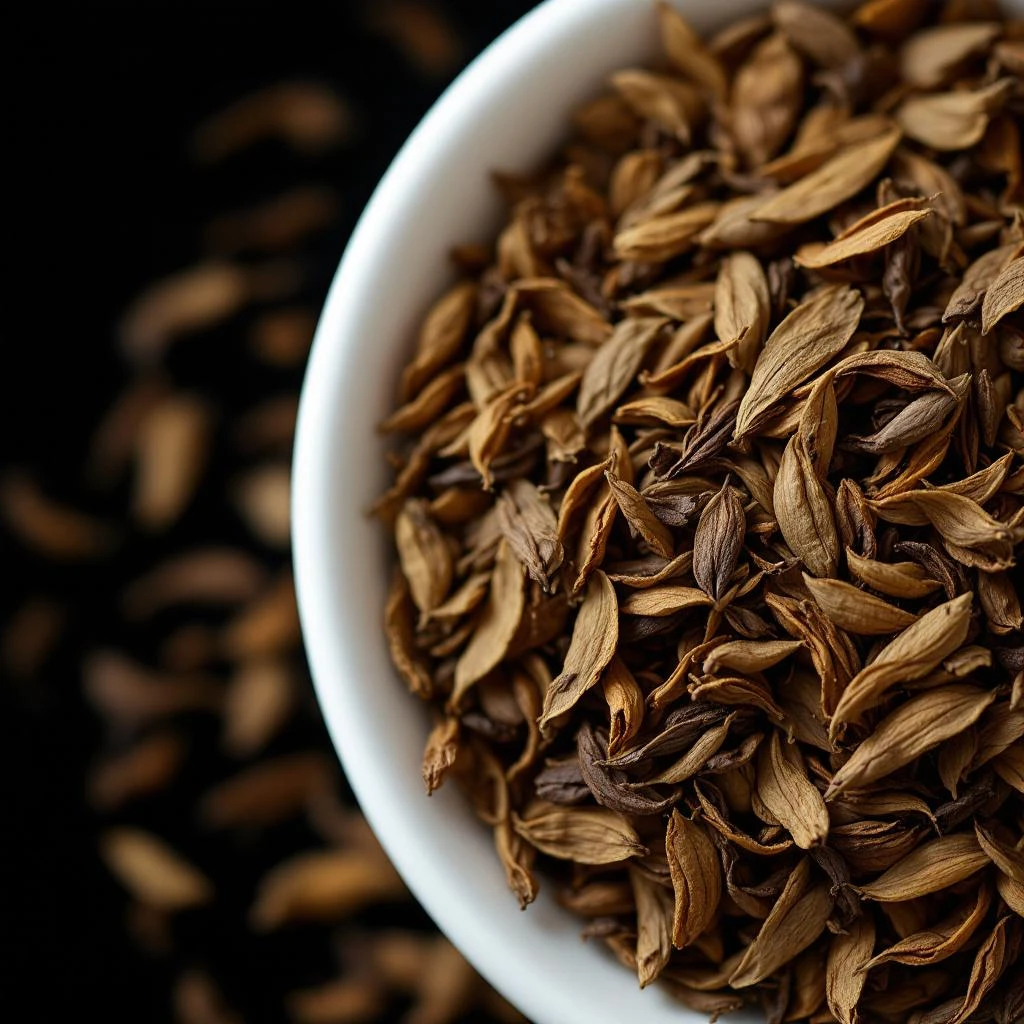
Meadow Grasses
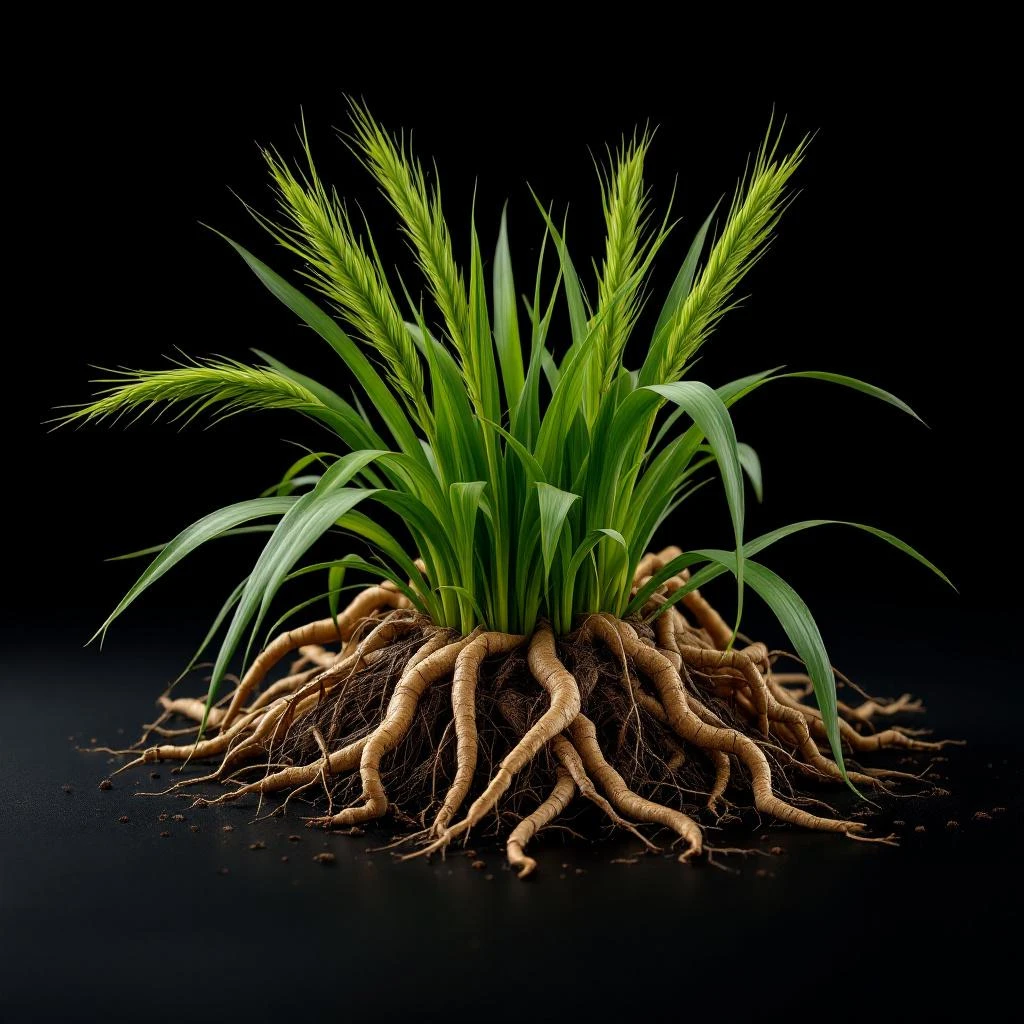
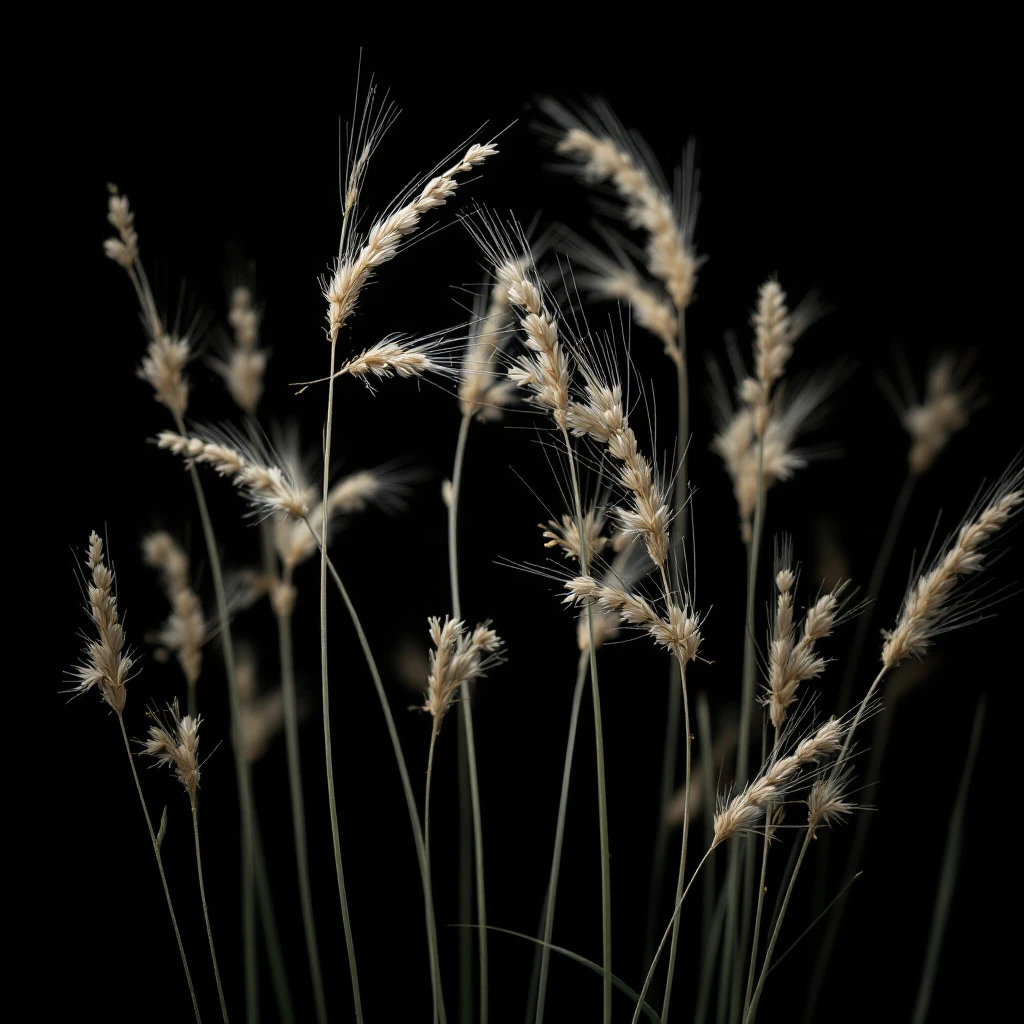
Meadow grasses capture the scent of sunlit fields in late spring, when blades sway and release their green, slightly sweet aroma into the air. This note brings pastoral freshness to modern perfumery.
Character
How it smells
Sun-warmed fields bottled
The smell of cut grass is actually a plant distress signal. When blades are severed, they release volatile compounds called green leaf aldehydes as a defense mechanism.
Pairs beautifully with


Origin
France
Grasses have appeared in human culture since the earliest agricultural societies, with cereal grains forming the foundation of civilization in Mesopotamia around 7000 BC. Yet their aromatic use in perfumery came much later. The modern fascination with green, grassy scents began in the 20th century when perfumers sought to break away from the heavy florals and orientals that dominated earlier decades.
The introduction of synthetic green notes in the mid-1900s revolutionized fragrance composition. Chemists identified cis-3-hexenal and related aldehydes as the key molecules behind the smell of crushed vegetation, allowing perfumers to capture grassy freshness without extracting actual plants. This shift coincided with a broader cultural movement toward nature-inspired compositions, reflecting post-war longing for open landscapes and pastoral simplicity.
Today, meadow grass notes appear across genders and concentrations, from light colognes evoking morning walks through dewy fields to complex compositions where green accords interact with florals and woods.
Wears it best
Fragrances featuring Meadow Grasses
Brands
Brands known for Meadow Grasses
Good to know
Questions, answered
The essentials on Meadow Grasses in perfumery: how it smells, where it comes from, and how it behaves on skin.
What does meadow grass smell like in perfume?
Meadow grass notes smell green, slightly sweet, and herbaceous, reminiscent of freshly cut fields on warm days. The dominant molecule is cis-3-hexenol, which provides the characteristic sharp, leafy quality. Undertones often include hay-like warmth and faint earthiness.
Is meadow grass a natural or synthetic note?
Most meadow grass notes are synthetic reconstructions because true grass yields minimal extractable oil. Perfumery builds the scent using identified aroma molecules, occasionally supplemented with natural hay tinctures or solvent extracts of fresh vegetation for added complexity.
Why do cut grasses smell so distinctive?
When grass blades are cut, they release green leaf aldehydes and alcohols as a chemical distress signal. This biological response produces the sharp, fresh aroma that perfumers have learned to isolate and recreate using compounds like cis-3-hexenol.
Which fragrances feature meadow grass notes?
Green and grassy accords appear in numerous compositions across the past several decades. These notes often anchor fresh, outdoor-themed fragrances and pair with florals, citrus, or aquatic elements to evoke pastoral settings.
When did green grass notes first appear in perfumery?
Synthetic green notes entered mainstream perfumery in the mid-20th century as chemists identified the specific aldehydes responsible for vegetation aromas. This innovation allowed perfumers to capture grassy freshness in stable, reproducible forms for the first time.
Can real meadow grass be distilled into an essential oil?
Steam distillation of fresh grasses produces negligible aromatic yield, making traditional essential oil production impractical. This limitation is why perfumers rely on molecular reconstruction rather than conventional extraction for this note.
What ingredients pair well with meadow grass?
Meadow grass complements floral notes like lily of the valley and violet, aquatic accords, and citrus elements such as bergamot. It also layers effectively with hay absolute, fig leaf, and white musks for extended longevity in compositions.
Is meadow grass suitable for sensitive skin?
Since most meadow grass notes are synthetic reconstructions rather than plant extracts, they typically cause fewer skin reactions than botanical absolutes. However, individual sensitivity varies, and patch testing remains advisable for any new fragrance.