Marsh Violet
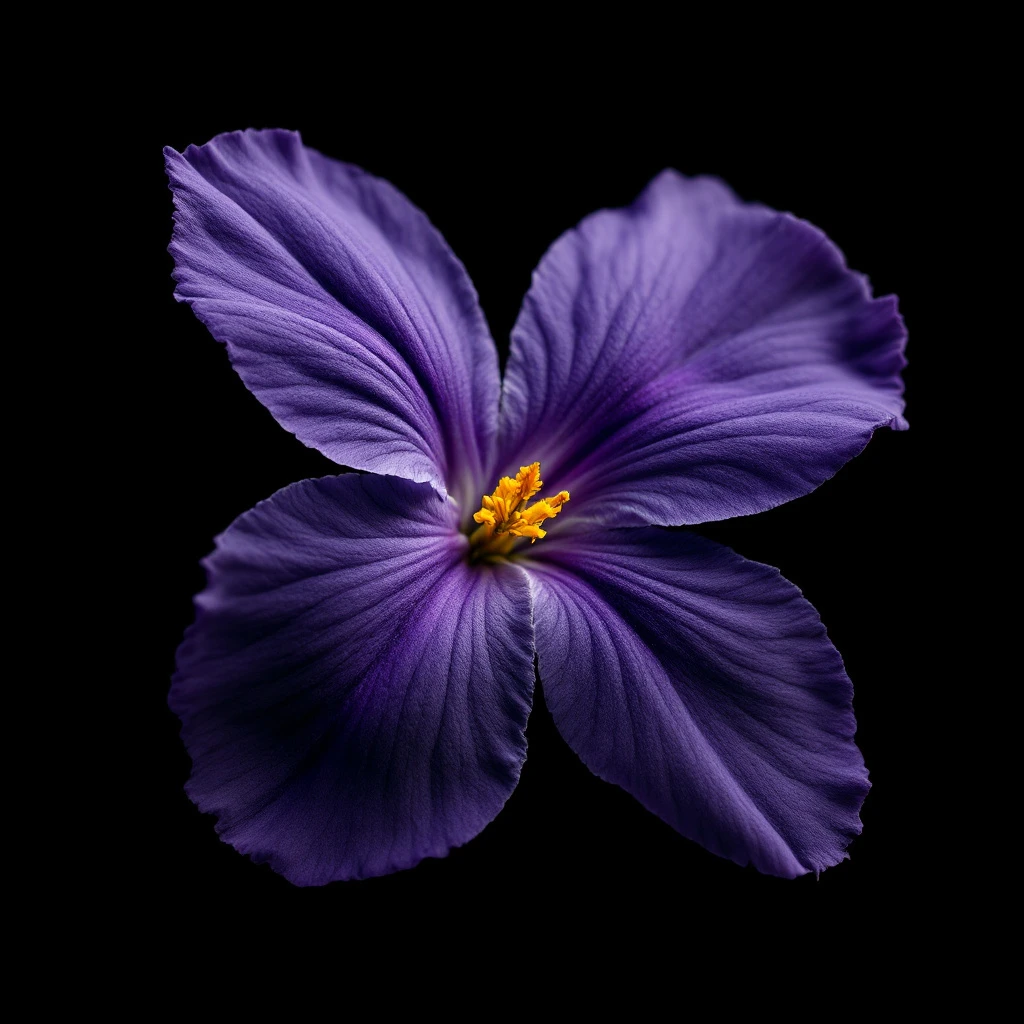
Marsh Violet brings a rare, waterlogged floralcy to perfumery, offering a cooler, greener take on violet that evokes damp earth and sunlit wetlands rather than the classic powdery sweetness.
Character
How it smells
A wetland floral with an earthy, cool-green soul.
Unlike sweet violet, marsh violet (Viola palustris) grows in boggy meadows, and its scent is extracted from leaves rather than flowers.
Pairs beautifully with
Origin
France
The violet has a legacy stretching back to ancient Mesopotamia, where Tapputi documented fragrant preparations around 1200 BCE. However, violet cultivation for perfumery truly began in 1867 when fields blossomed in Grasse, Provence, marking a turning point for European fragrance houses. Before the ionone breakthrough in 1893, extracting violet essence required over 33,000 kilograms of flowers to produce a single kilogram of absolute, making it prohibitively expensive.
The discovery of ionone, a synthetic aroma chemical replicating violet's signature scent, democratized violet perfumery. Today, while traditional sweet violet remains cultivated in Parma, Italy, marsh violet finds its place in modern perfumery as a distinctive ingredient offering olfactory complexity that sweeter relatives cannot match.
Wears it best
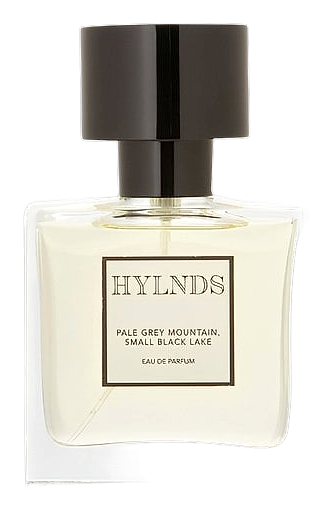
Fragrances featuring Marsh Violet
Brands
Brands known for Marsh Violet
Good to know
Questions, answered
The essentials on Marsh Violet in perfumery: how it smells, where it comes from, and how it behaves on skin.
What does Marsh Violet smell like?
Marsh Violet offers a cool, green, slightly earthy floral scent. Unlike powdery sweet violet, it carries damp, mossy undertones with a watery freshness that evokes wetland habitats.
Is Marsh Violet natural or synthetic?
Marsh Violet is a natural ingredient extracted from the leaves of Viola palustris using solvent extraction. However, its scent profile is heavily influenced by ionones, the same compounds that made synthetic violet affordable in 1893.
What is the difference between Marsh Violet and sweet violet?
Marsh Violet (Viola palustris) grows in wet meadows and bogs, while sweet violet (Viola odorata) prefers sheltered gardens. Marsh violet is extracted from leaves rather than flowers, giving it a greener, earthier character.
How is Marsh Violet extracted?
Solvent extraction draws aromatic compounds from marsh violet leaves. The solvent dissolves volatile compounds, then evaporates, leaving a concentrated absolute with green, herbal-floral character.
When did violet cultivation for perfumery begin?
Commercial violet cultivation for perfumery began in 1867 in Grasse, Provence. Before this, violet essence required over 33,000 kg of flowers per kilogram of extract, making it extremely expensive.
What is ionone and why is it important to violet fragrance?
Ionone is a synthetic aroma chemical discovered in 1893 that replicates violet's signature scent. Its invention made violet fragrances affordable and accessible to a wider market.
Where does Marsh Violet grow?
Marsh violet thrives in wet, boggy meadows across temperate regions of Europe, North America, and Asia. Commercial perfumery cultivation historically centered on Grasse, France, and Parma, Italy.
What fragrances feature Marsh Violet?
Marsh Violet appears in niche and natural fragrance lines that value green, earthy floral notes. It pairs well with galbanum, oakmoss, and other herbal ingredients for complex botanical compositions.