Water Pepper
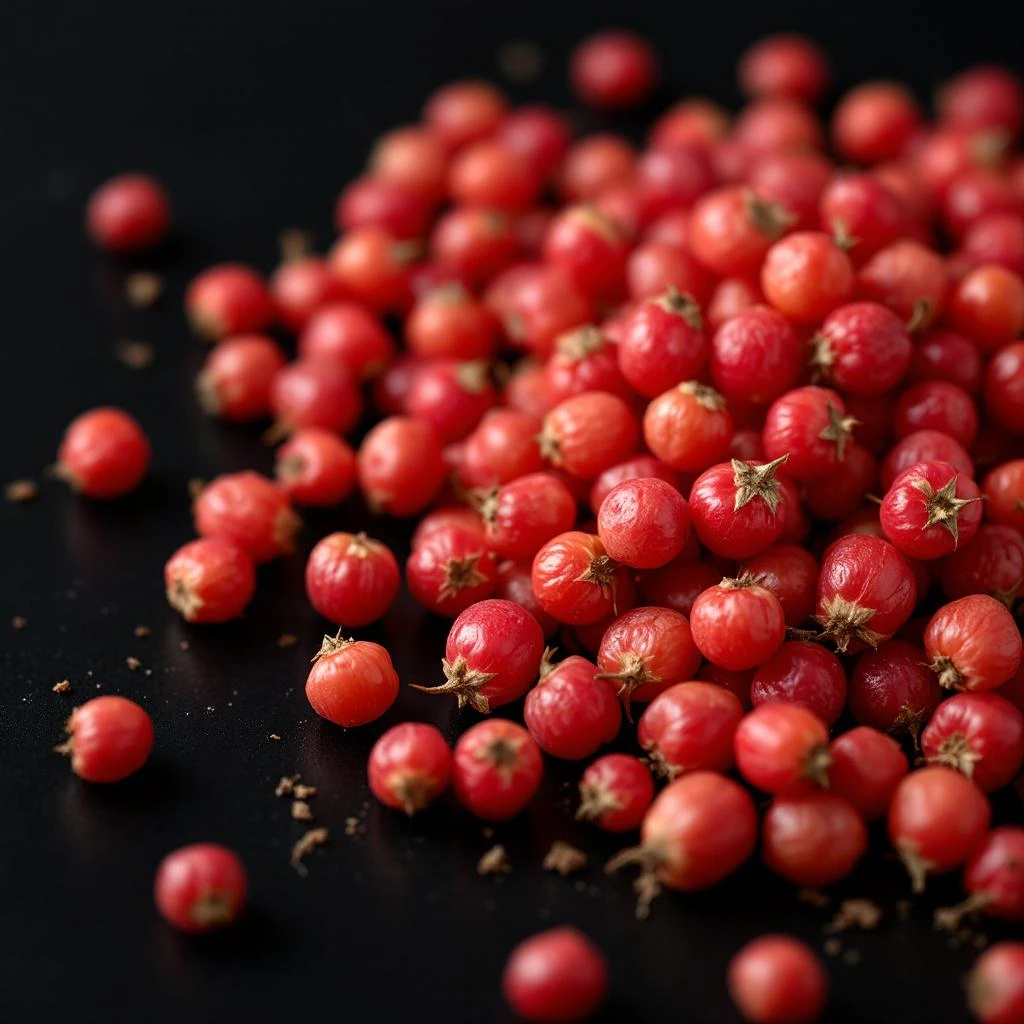
Water Pepper delivers a sharp, verdant sting with grassy-green and peppery facets. The botanical material brings an aquatic-herbaceous edge that lifts compositions with clean, almost biting freshness.
Character
How it smells
A verdant sting from marsh and stream.
The plant's leaves burn intensely when chewed, earning it the common name 'smartweed' in some regions.


Origin
India
Water Pepper has ancient roots as a medicinal and culinary herb across wetland regions of Europe, Asia, and North America. Traditional healers used the plant for its warming and stimulating properties.
In perfumery, botanical ingredients like Water Pepper gained renewed interest during the late twentieth century as fragrance makers sought to incorporate lesser-known plant materials to expand the olfactory palette. While not as storied as frankincense or sandalwood, Water Pepper represents the perfumer's ongoing exploration of local and wildcrafted botanicals as alternatives to more established ingredients.
Wears it best
Fragrances featuring Water Pepper
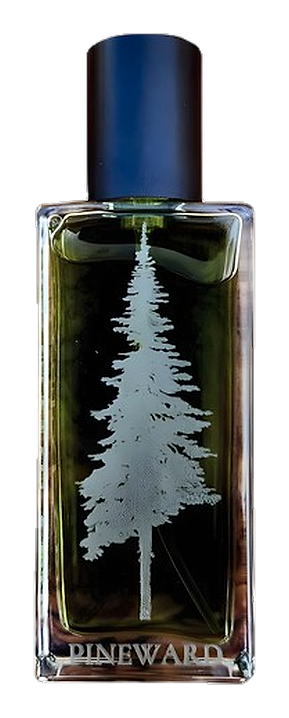
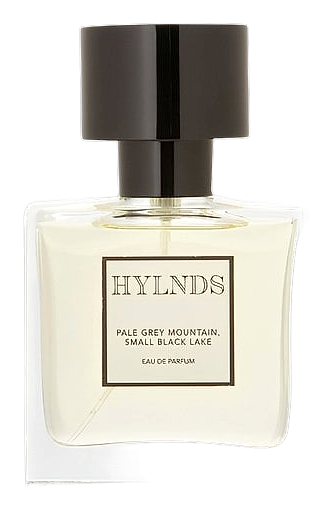
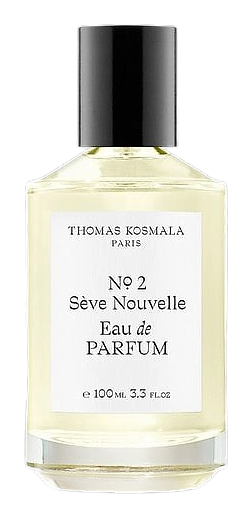
Brands
Brands known for Water Pepper
Good to know
Questions, answered
The essentials on Water Pepper in perfumery: how it smells, where it comes from, and how it behaves on skin.
What does Water Pepper smell like?
Water Pepper delivers a sharp, green, peppery aroma with verdant and slightly aquatic facets. It adds a clean, biting freshness to fragrance compositions.
Is Water Pepper a synthetic or natural ingredient?
Water Pepper is a natural botanical ingredient. It is sourced from the Polygonum hydropiper plant and extracted via steam distillation or maceration.
Which part of the Water Pepper plant is used in perfumery?
The fresh aerial parts, including stems, leaves, and flower spikes, are used. The entire above-ground portion carries the aromatic compounds.
Where does Water Pepper originate from?
Polygonum hydropiper grows widely across wetland regions. It thrives in marshes, stream banks, and damp habitats across South Asia, particularly India.
How is Water Pepper extracted for use in fragrance?
Steam distillation or cold maceration preserves the fresh, green character. Both methods capture the polygodial compounds responsible for the sharp, peppery note.
What compounds give Water Pepper its peppery character?
Polygodial, a sesquiterpene dialdehyde, is the primary driver of Water Pepper's sharp, peppery quality. It also contains related sesquiterpenes that contribute to its green, herbaceous profile.
What fragrance families use Water Pepper?
Water Pepper is used in fresh, aromatic, and green fragrance families. It works well in aquatic compositions, herbaceous blends, and spicy-green formulations.
Can Water Pepper be found in mainstream perfumes?
Water Pepper appears more often in artisanal and niche fragrances that emphasize botanical authenticity. Its intensity means it is used at low concentrations as an accent note.