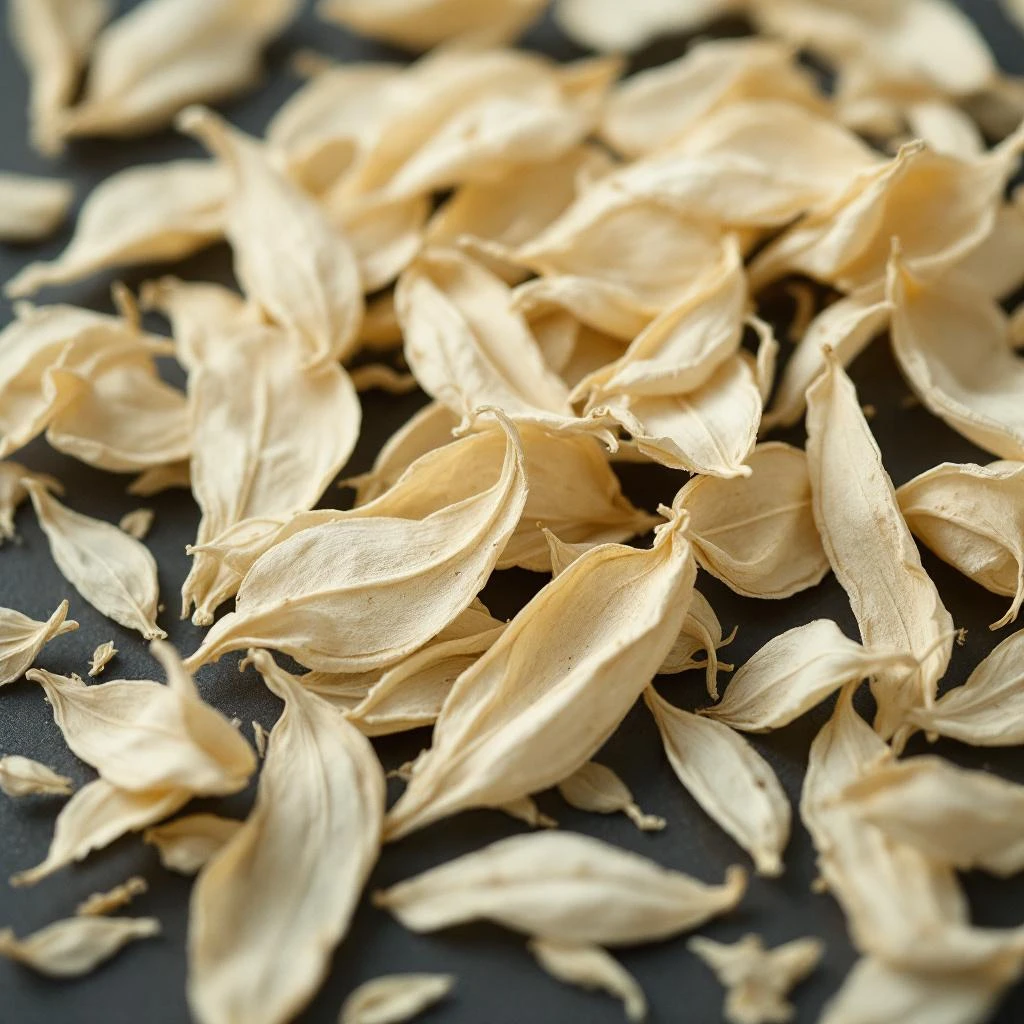
Marron Glace
The warm exhale of chestnuts glazed in sugar. Marron Glace captures the moment the outer shell splits open, releasing sweet, buttery steam into cold winter air. In perfumery, this note reconstructs candied chestnut's golden warmth through analytical chemistry, creating a gourmand accord that smells like a velvet box of French confectionery.
Character
How it smells
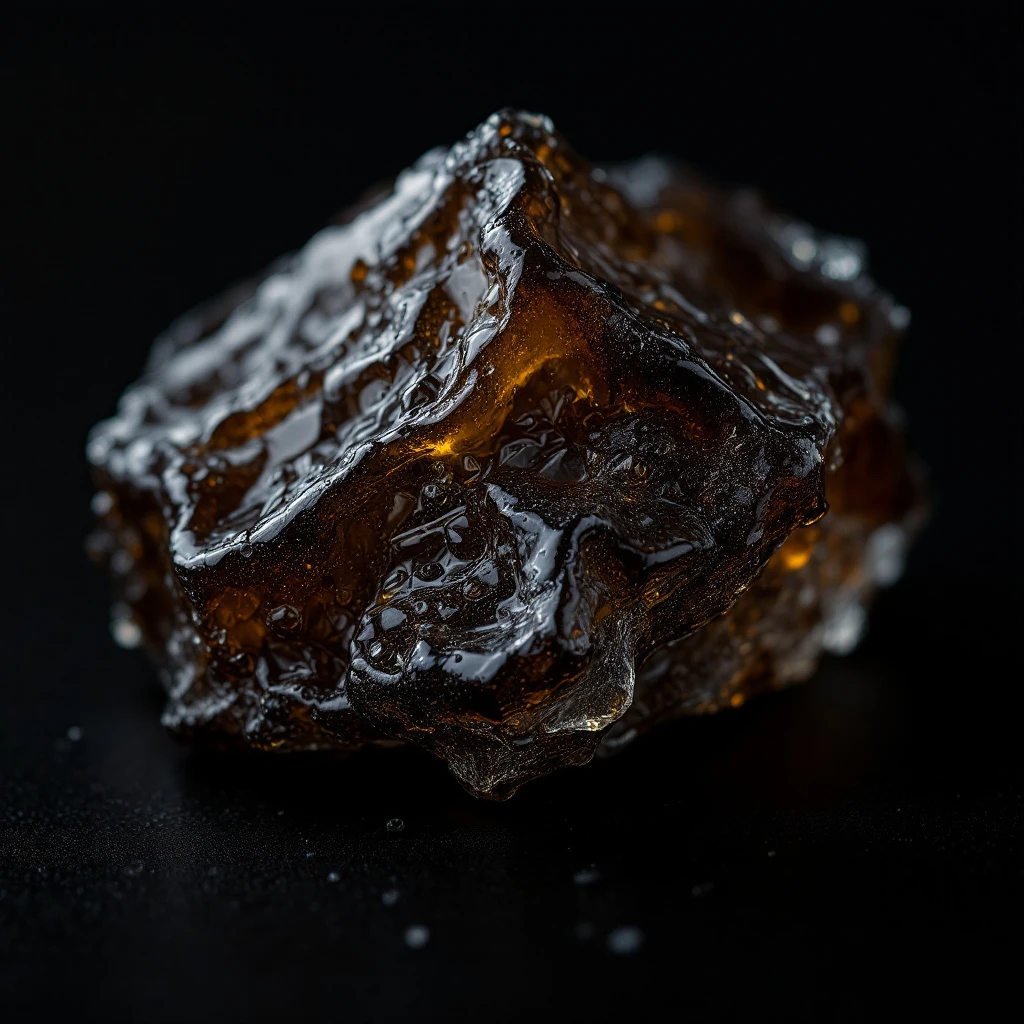
Candied chestnut warmth, reconstructed for fragrance.
No natural extraction yields chestnut scent. Marron Glace exists in perfumery only through analytical reconstruction, blending compounds like maltol and lactones to recreate candied chestnut aroma.





Origin
France
The chestnut sustained Mediterranean populations for centuries, earning the title 'bread tree' for its reliable starchy harvests. Families in Ardèche, the Isère valley, and across the French Alps built winter stores around dried chestnuts ground into flour.
It was not until 1882 that engineer Clément Faugier pioneered industrial-scale candying in Ardèche, transforming humble chestnuts into the luxurious marrons glacés sold in velvet-lined boxes across France. This French confectionery tradition, once reserved for aristocratic tables, became intertwined with winter celebrations and artisan patisserie.
Perfumers eventually captured this cultural resonance as a fragrance note, reconstructing the aromatic memory of candied chestnut through chemistry rather than extraction. Today Marron Glace appears in oriental fragrances and gourmand compositions, carrying centuries of Alpine warmth into modern perfumery.
Wears it best
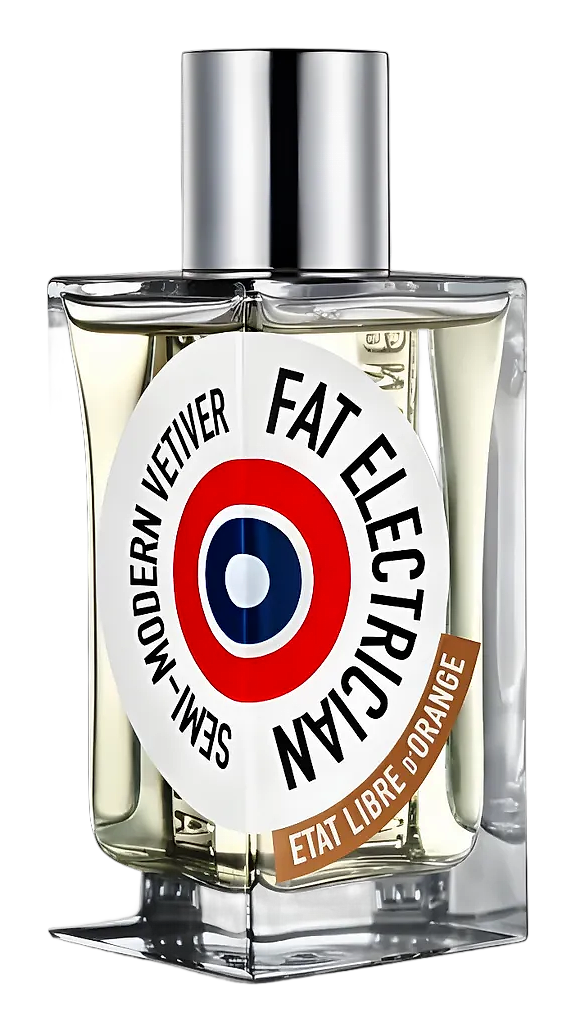
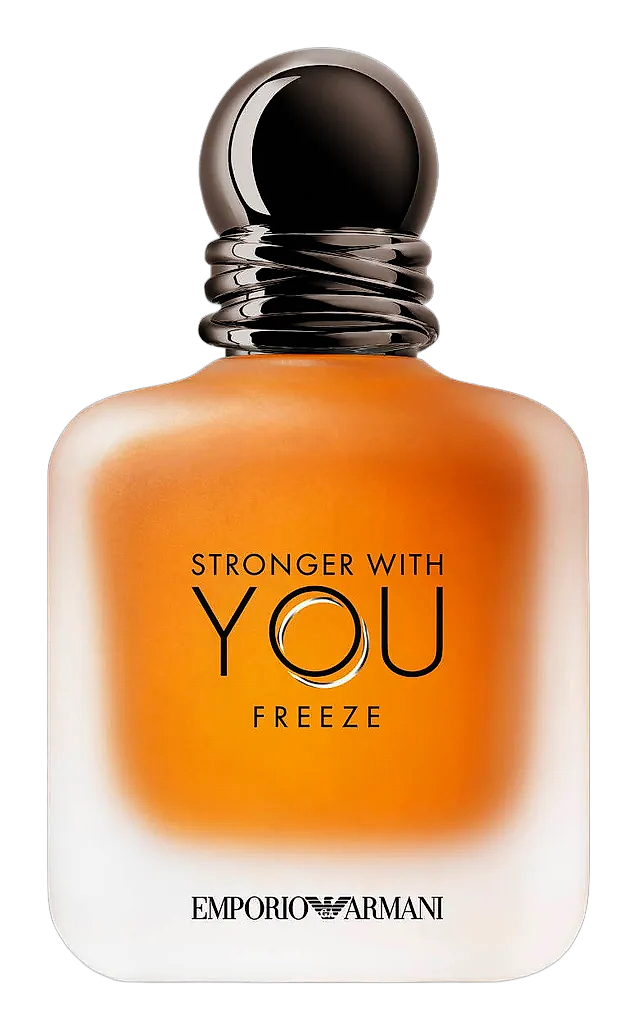
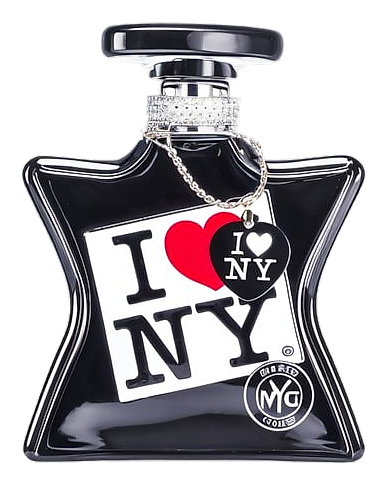
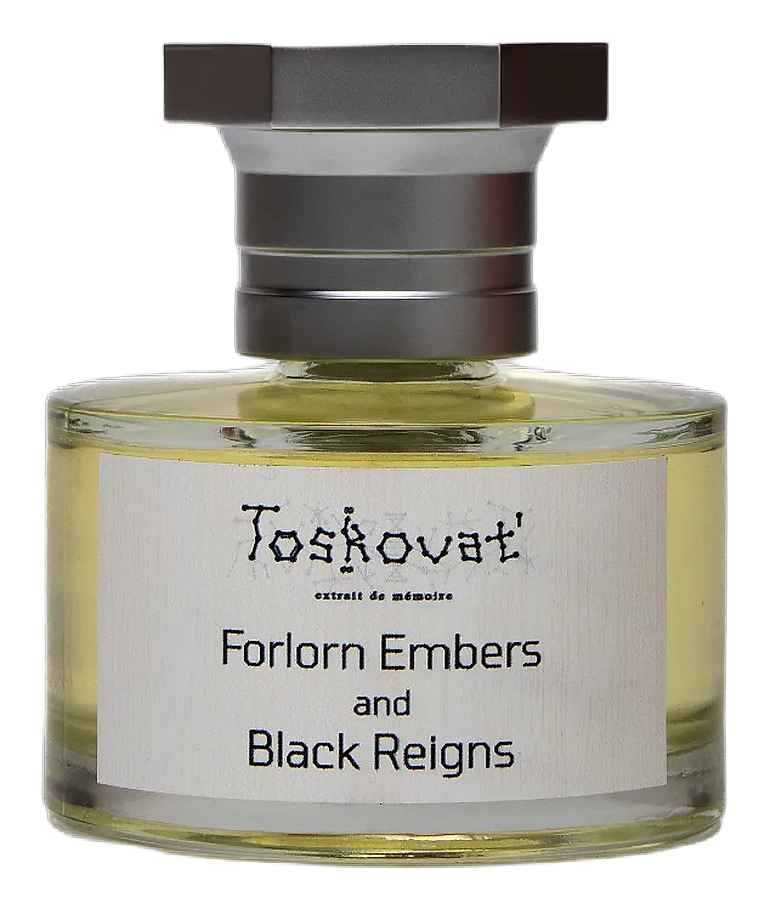
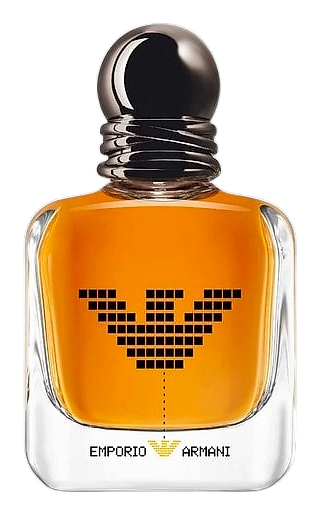
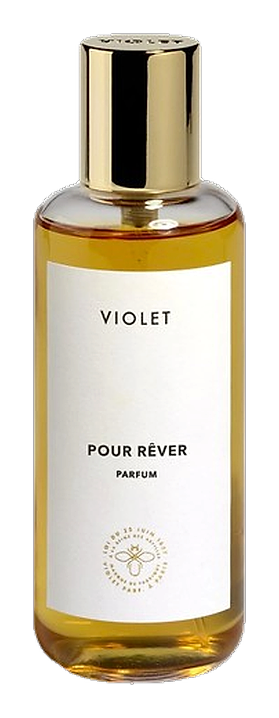
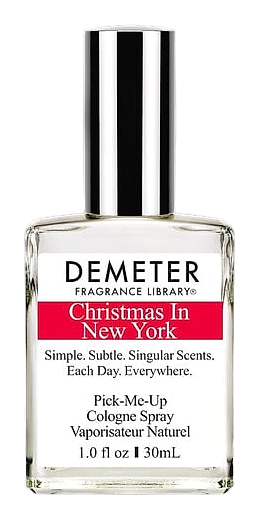
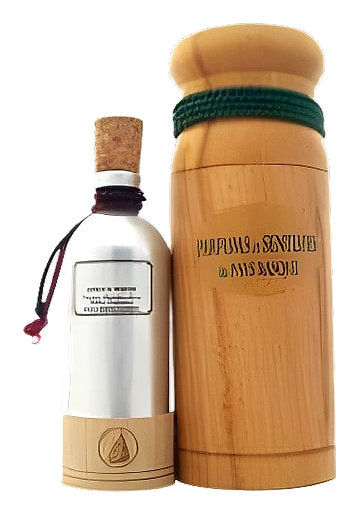
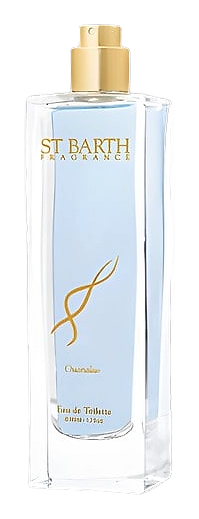
Fragrances featuring Marron Glace
Brands
Brands known for Marron Glace
Good to know
Questions, answered
The essentials on Marron Glace in perfumery: how it smells, where it comes from, and how it behaves on skin.
What is Marron Glace in perfumery?
Marron Glace is a reconstructed fragrance note that mimics the aroma of candied chestnuts. It is synthesized by blending aroma compounds like maltol, lactones, and furaneol to recreate the warm, sweet, nutty character of the French confectionery.
Is Marron Glace a natural ingredient?
No. Marron Glace does not exist as a natural aromatic extract. Chestnuts yield no usable fragrance material through conventional extraction, so perfumers create this note analytically by identifying and blending the volatile molecules that make candied chestnut smell distinctive.
What does Marron Glace smell like?
It smells like roasted chestnut with sugary glaze—warm, nutty, buttery, and gently sweet. The accord combines creamy lactone facets with caramel-like furanones and toasted pyrazines for depth.
Which fragrance families use Marron Glace?
Orientals and gourmands most commonly feature Marron Glace. It appears in men's and women's fragrances alike, particularly in autumn and winter fragrances where warm, edible warmth suits the seasonal profile.
Where did candied chestnuts originate?
Candied chestnuts originated in the French Alps region, particularly Ardèche. Engineer Clément Faugier pioneered industrial production in 1882, transforming chestnuts from rural staple food into a luxury French confection.
Can Marron Glace be extracted from real chestnuts?
No. Standard extraction methods including steam distillation and solvent extraction yield no usable aromatic material from chestnut. The note exists solely through laboratory reconstruction of its characteristic aroma profile.
What perfumers use Marron Glace?
The reconstructed accord is produced by major fragrance ingredient suppliers and incorporated by perfumers into oriental, chypre, and gourmand fragrance compositions. It adds warmth and sweetness without the heaviness of vanilla.