Marijuana
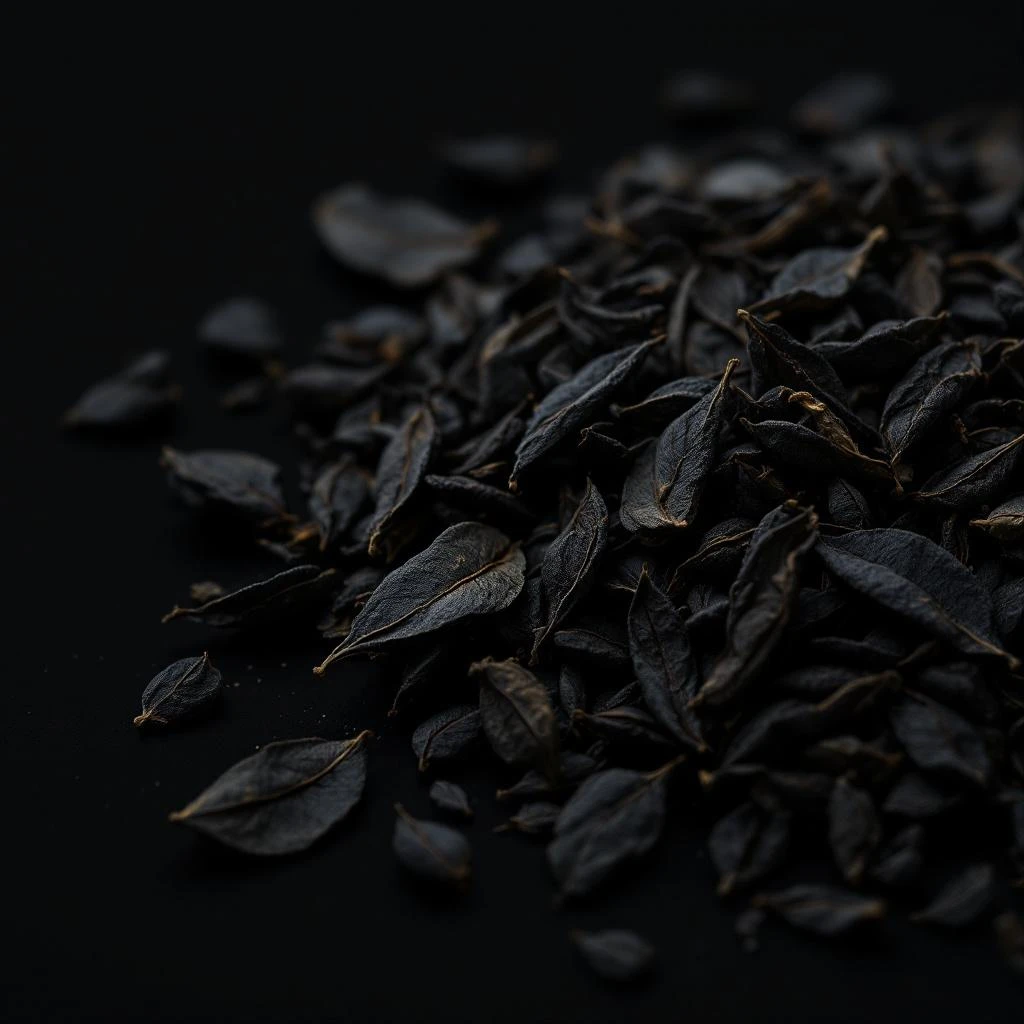
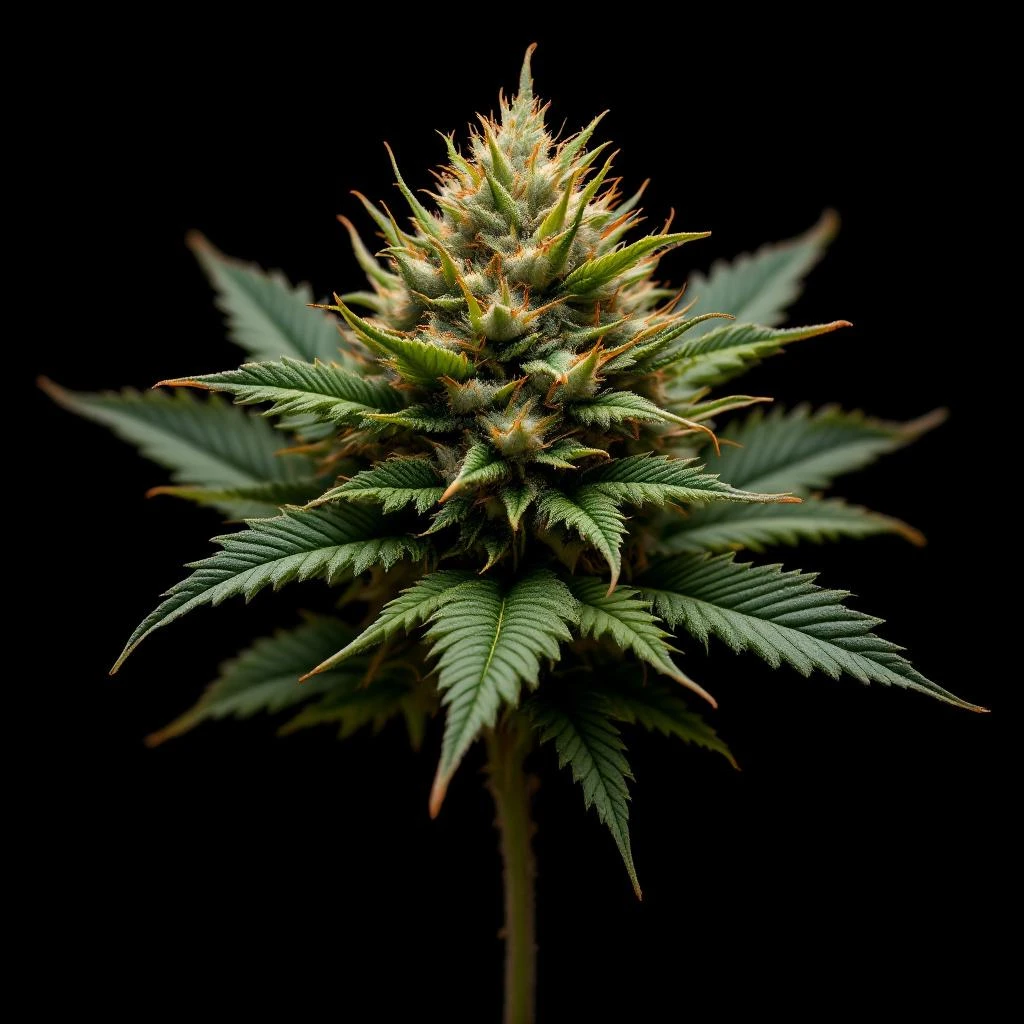
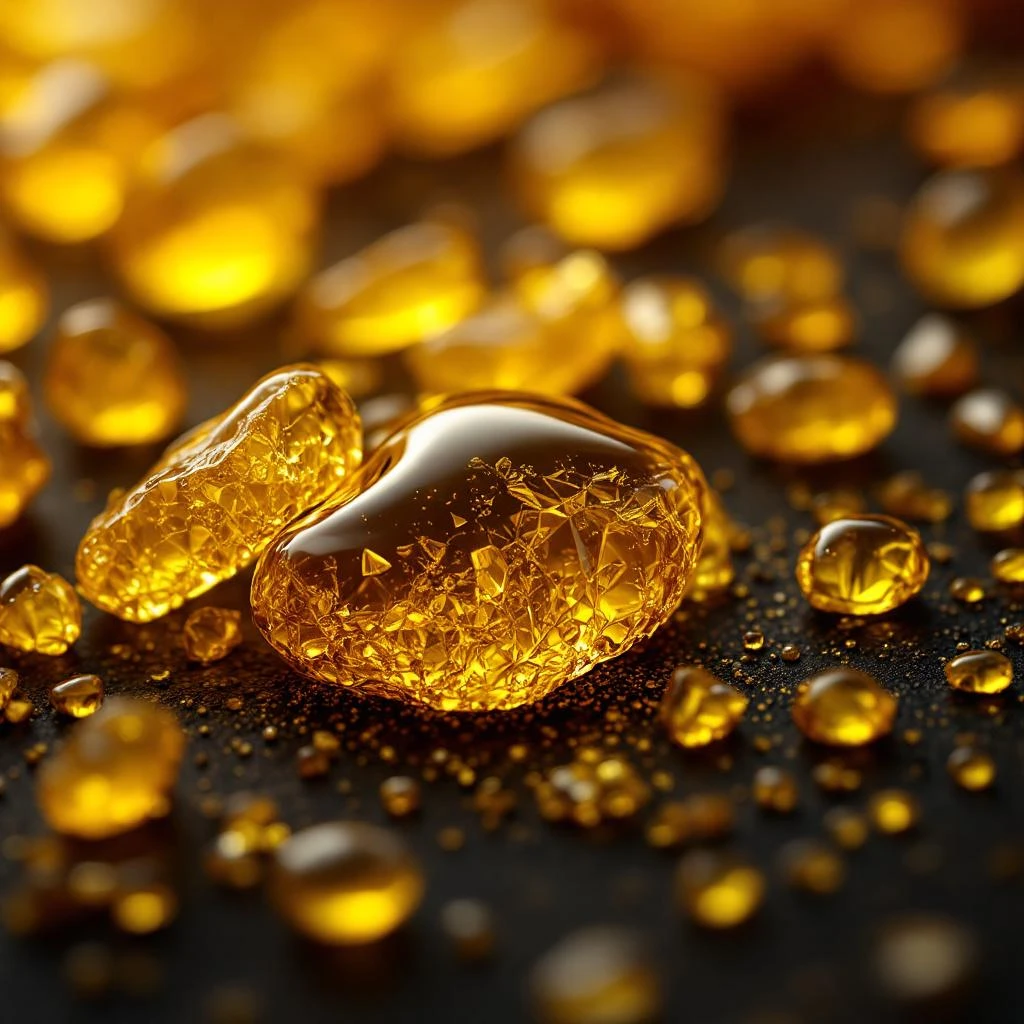
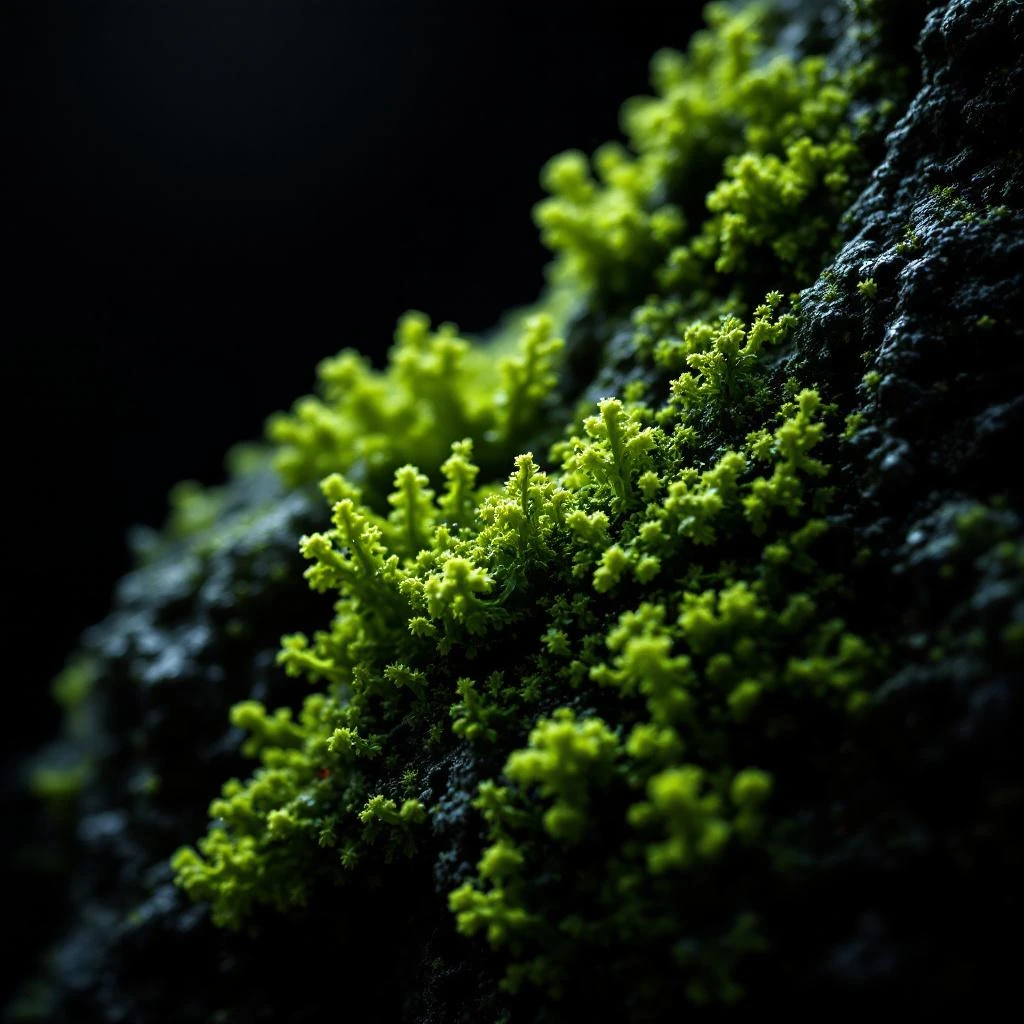
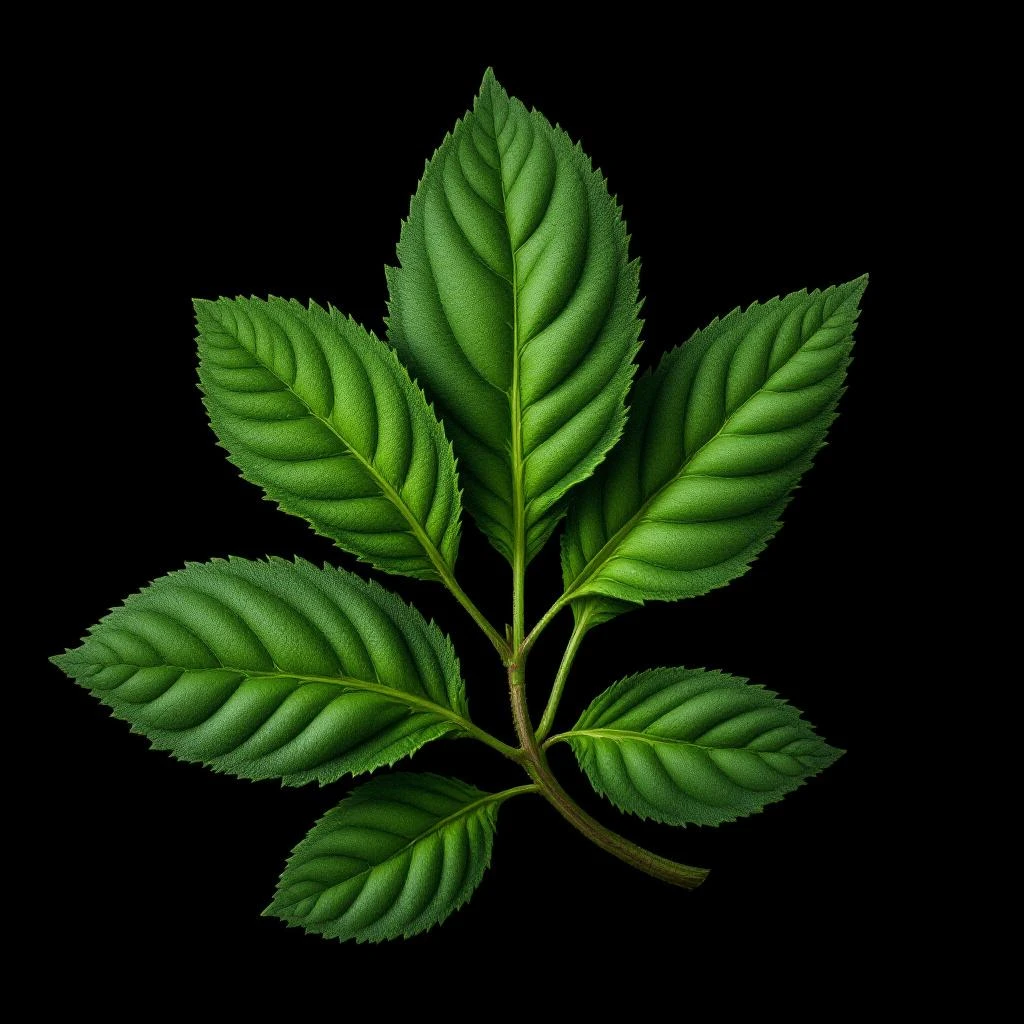
Marijuana delivers a fresh, green herbaceous scent accented by earthy resin and subtle woody hints, offering a natural, bright accent that modern perfumers use to add depth and authenticity.
Character
How it smells
Green herb meets resinous depth.
Cannabis terpenes like myrcene and β‑caryophyllene appear in many herbs, and the earliest recorded use of cannabis incense dates to 500 BCE in ancient China, where it featured in ritual offerings.




Origin
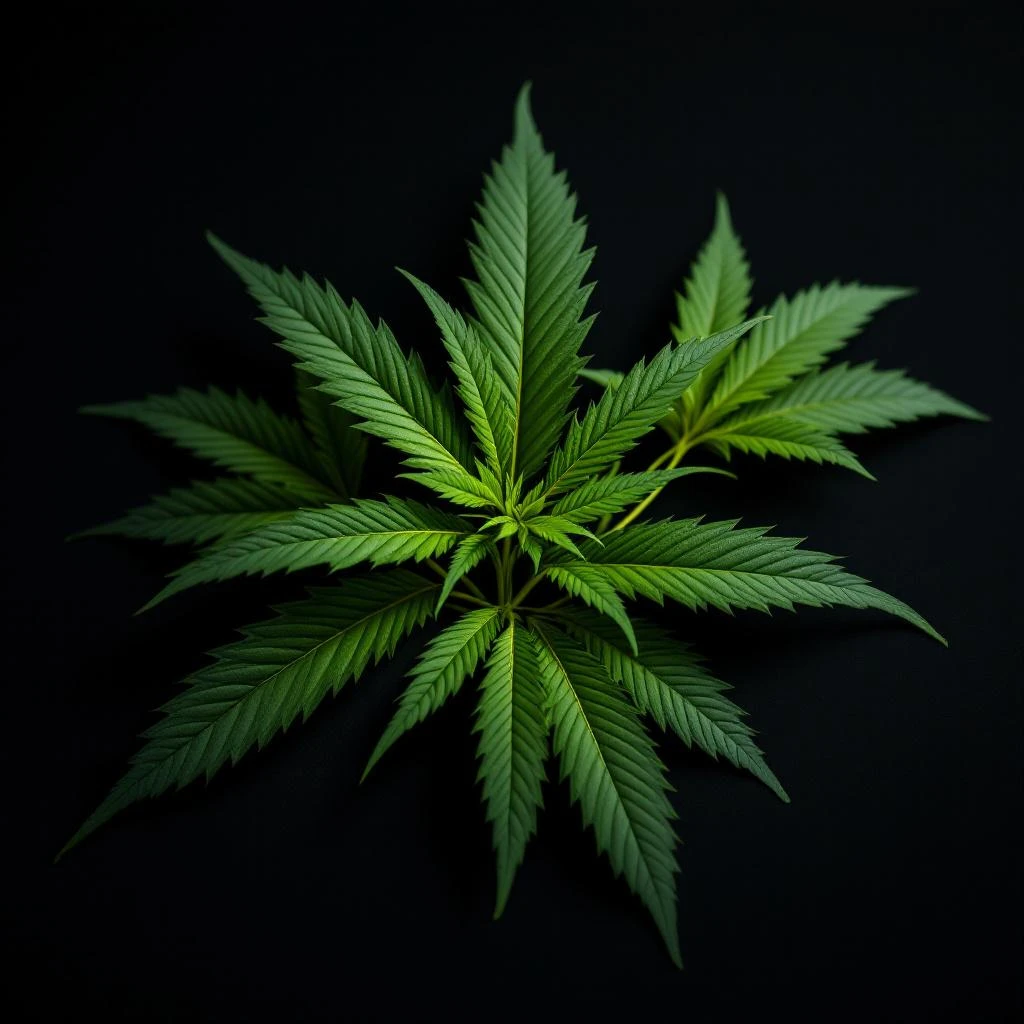
India
Archaeological evidence shows that cannabis was burned as incense in ancient China as early as 500 BCE, and Egyptian tomb murals depict herbal smoke rituals that likely included the plant. Classical Greek texts describe hemp as a fragrant herb used in medicinal balms.
By the Middle Ages, cannabis resin entered the spice trade, traveling to the Ottoman courts where it flavored aromatic oils. The 19th‑century European perfume industry experimented with hemp extracts, but strict regulations limited their use after psychoactive concerns rose.
The 20th‑century prohibition era pushed cannabis out of mainstream perfumery, yet underground artisans kept the scent alive in niche creations. Legal reforms in the 2000s reopened the market, and modern perfumers now blend regulated hemp‑derived terpenes with synthetic allies to craft green, earthy accords that echo the plant’s historic role as a sacred and medicinal aroma.
Wears it best
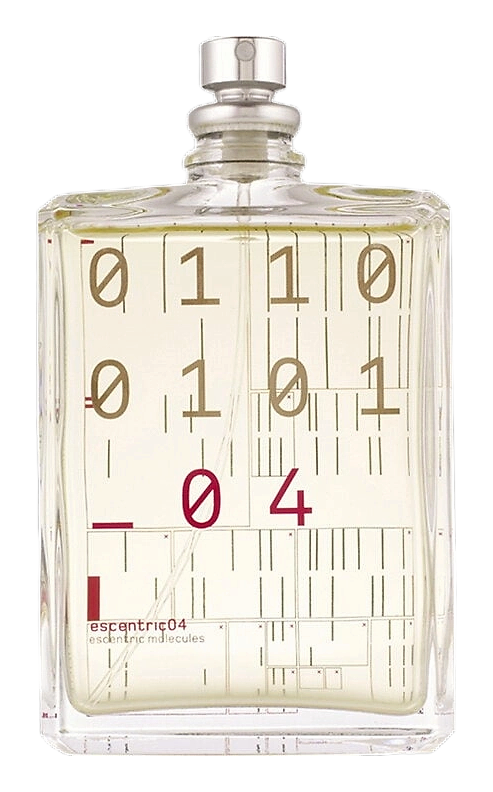
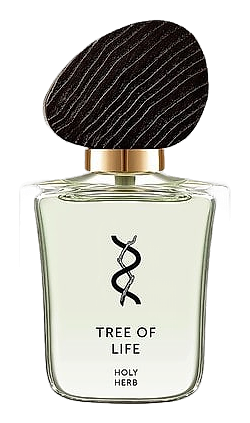
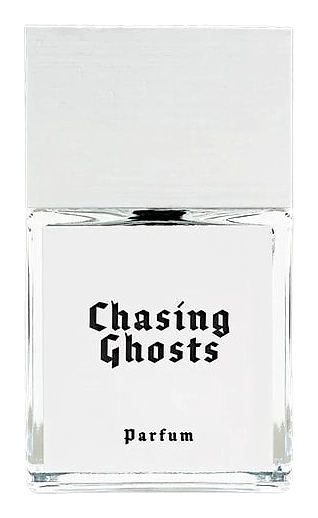
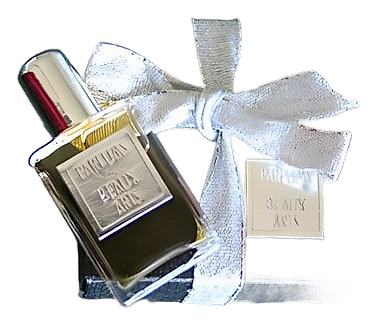
Fragrances featuring Marijuana
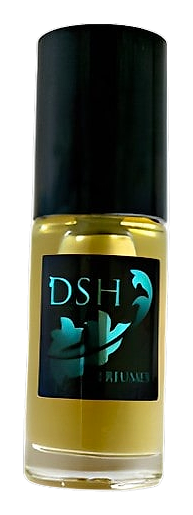
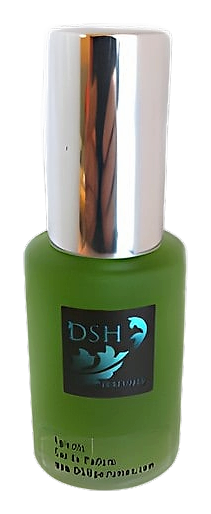
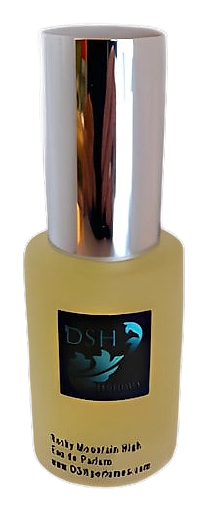
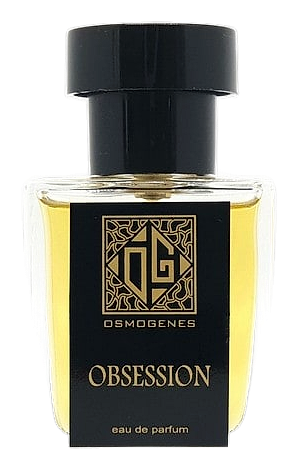
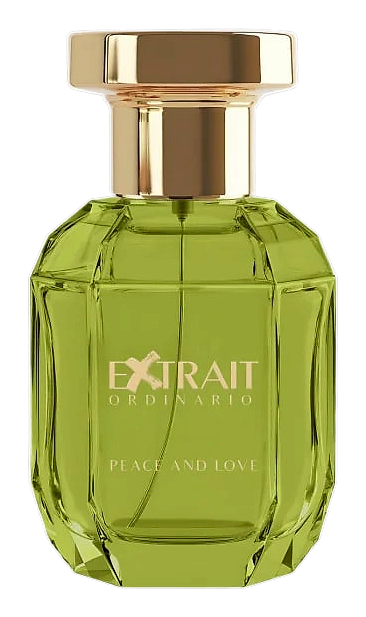

Brands
Brands known for Marijuana
Good to know
Questions, answered
The essentials on Marijuana in perfumery: how it smells, where it comes from, and how it behaves on skin.
What primary scent does marijuana contribute to a fragrance?
It contributes a green, herbaceous aroma with earthy and resinous nuances. Laboratory analysis shows myrcene accounts for up to 60 % of the volatile profile in typical cannabis essential oil. The note often brightens compositions and adds a natural, fresh edge.
Is marijuana oil permitted in mainstream perfumery?
Many jurisdictions allow cannabis‑derived terpenes in fragrance formulations, provided the product contains no psychoactive THC. The European Union classifies hemp‑derived essential oil under the 0.2 % THC threshold, allowing its commercial use since 2018. Brands typically source the oil from certified hemp farms to meet regulatory limits.
How is marijuana fragrance oil extracted?
Producers extract the oil using supercritical CO₂, which preserves delicate terpenes while avoiding heat damage. A 2021 study reported CO₂ extraction yields 1.8 % oil from dried buds, compared with 0.9 % from steam distillation. The method also reduces solvent residues, meeting strict purity standards for luxury perfumery.
Which part of the cannabis plant provides the fragrance?
Perfumers use the dried flower buds, where resinous glands concentrate the aromatic terpenes. Gas‑chromatography of bud extracts shows β‑caryophyllene peaks at 12 % of total volatile content. These glands also store cannabinoids, but extraction processes separate the scent compounds from psychoactive elements.
How long does the marijuana note last on skin?
The green herbaceous note fades within two to three hours, while its woody undertones can linger up to six hours. Wear tests on a controlled panel recorded a median dry‑down time of 180 minutes for the top green accord. Fragrance formulators often blend it with longer‑lasting base notes to extend its presence.
Are there synthetic alternatives to natural marijuana oil?
Yes, chemists reproduce key terpenes such as myrcene and β‑caryophyllene in the lab. Synthetic myrcene has been available commercially since the 1990s, offering a consistent 99 % purity for perfumery use. These synthetics match the aroma profile while eliminating regulatory concerns tied to THC content.
Which regions produce the highest quality cannabis for fragrance?
The Himalayan foothills of India and Nepal yield buds with a rich terpene spectrum prized by perfumers. A 2020 agronomic survey recorded average myrcene concentrations of 58 % in samples from the Kashmir valley. Farmers cultivate the plants at elevations above 1,500 m, which enhances resin development.
Does marijuana fragrance affect skin sensitivity?
The oil is generally non‑irritating when diluted to typical perfume concentrations below 5 %. Dermatological testing on 30 volunteers showed no adverse reactions at a 3 % dilution level. Formulators still recommend a patch test for individuals with known sensitivities to cannabis extracts.