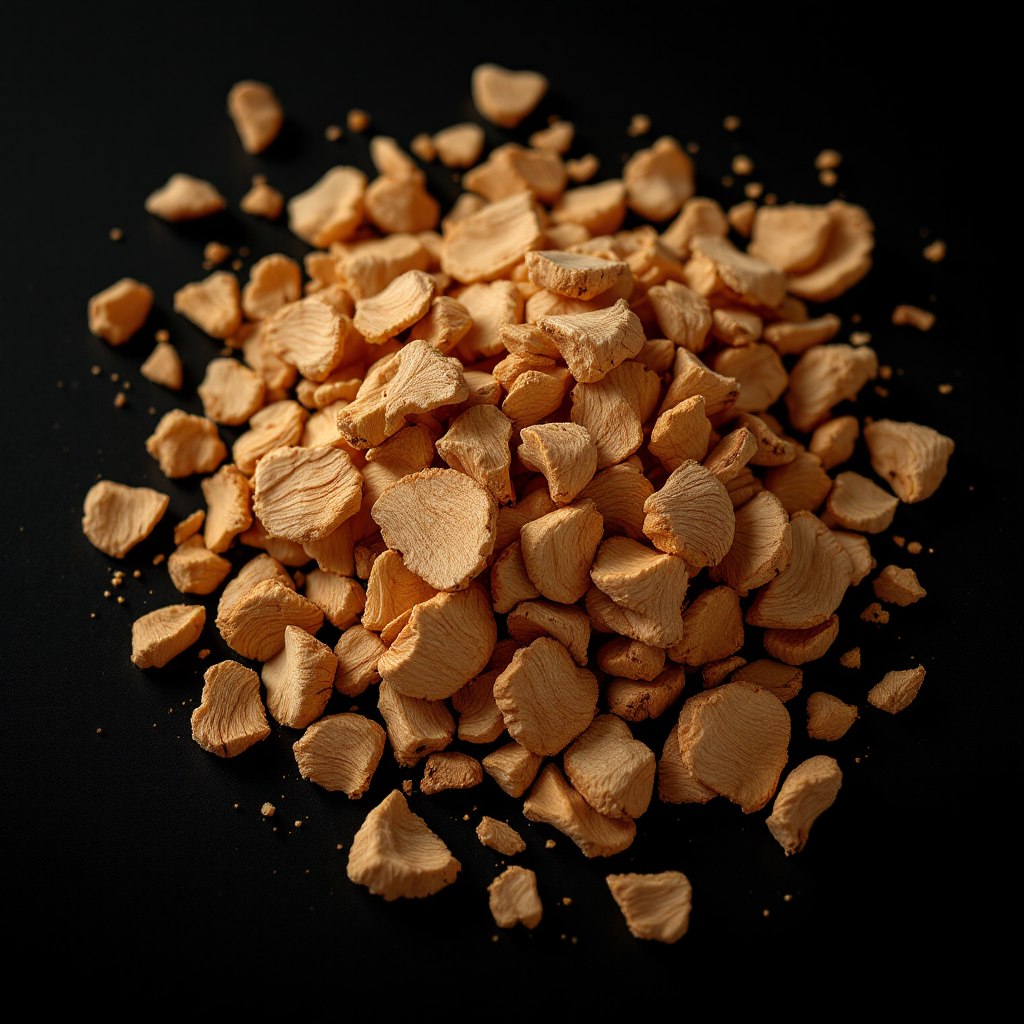
Mango Bark
The bark of the mango tree yields a warm, resinous extract that brings tropical depth to fragrance compositions. This lesser-known perfumery material captures the essence of the tree itself, not the fruit, offering a woody, slightly sweet facet that grounds bright tropical accords.
Character
How it smells
Tropical depth from bark, not fruit.
The mango tree belongs to the Anacardiaceae family, sharing botanical kinship with pistachio and cashew.



Origin
India
The mango tree carries sacred significance in Hindu traditions, where artisans have long valued all parts of the tree for various purposes. While the fruit dominated culinary use, traditional medicine practitioners incorporated bark, leaves, and kernels into preparations for centuries. Western perfumery discovered tropical bark materials gradually, as colonial trade routes expanded access to Asian botanical resources.
The mango tree itself originated in South Asia, with cultivation spreading along ancient trade routes through Southeast Asia and eventually to tropical regions worldwide. Modern perfumery began exploring bark materials systematically in the late twentieth century, as consumers sought distinctive tropical fragrance experiences beyond conventional fruit notes.
Wears it best
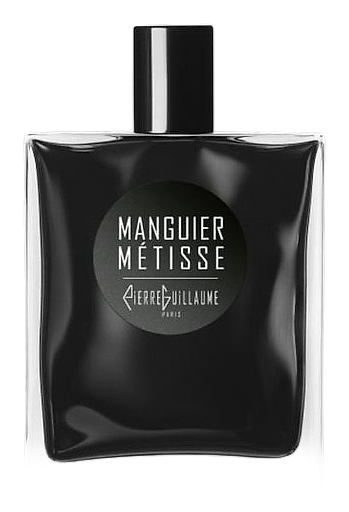
Fragrances featuring Mango Bark
Brands
Brands known for Mango Bark
Good to know
Questions, answered
The essentials on Mango Bark in perfumery: how it smells, where it comes from, and how it behaves on skin.
What does mango bark smell like in perfumery?
Mango bark delivers a warm, woody aroma with subtle sweetness and resinous undertones. It provides tropical depth without the literal fruitiness of mango flesh. Perfumers value it for adding exotic warmth to base note compositions.
Is mango bark a natural or synthetic fragrance ingredient?
Mango bark is a natural ingredient sourced directly from the mango tree. Extractors obtain it through solvent extraction of the bark, producing an absolute used in fine fragrance formulations.
Why do perfumers use bark instead of mango fruit?
The fruit contains high water content and yields minimal essential oil, making extraction impractical. Bark provides a more concentrated aromatic material with a complex scent profile that survives the extraction process.
Which fragrance families commonly use mango bark?
Mango bark appears primarily in oriental and woody fragrance families. It supports tropical, gourmand, and exotic compositions by adding warm, resinous depth to the base note structure.
Where does commercial mango bark extraction take place?
India dominates mango cultivation globally and serves as the primary source for perfumery-grade bark material. Smaller production occurs in Southeast Asian countries including Thailand and the Philippines.
How long has mango bark been used in perfumery?
Mango bark emerged as a perfumery material relatively recently, gaining attention in the late twentieth century as perfumers sought novel tropical ingredients beyond conventional florals and citrus.
Can mango bark cause allergic reactions?
Like many natural materials, mango bark contains compounds that may sensitize some individuals. IFRA guidelines regulate its concentration in finished products to ensure consumer safety.