The Story
Why it exists.
The beginning
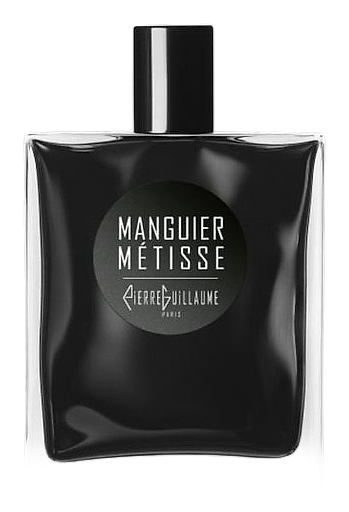
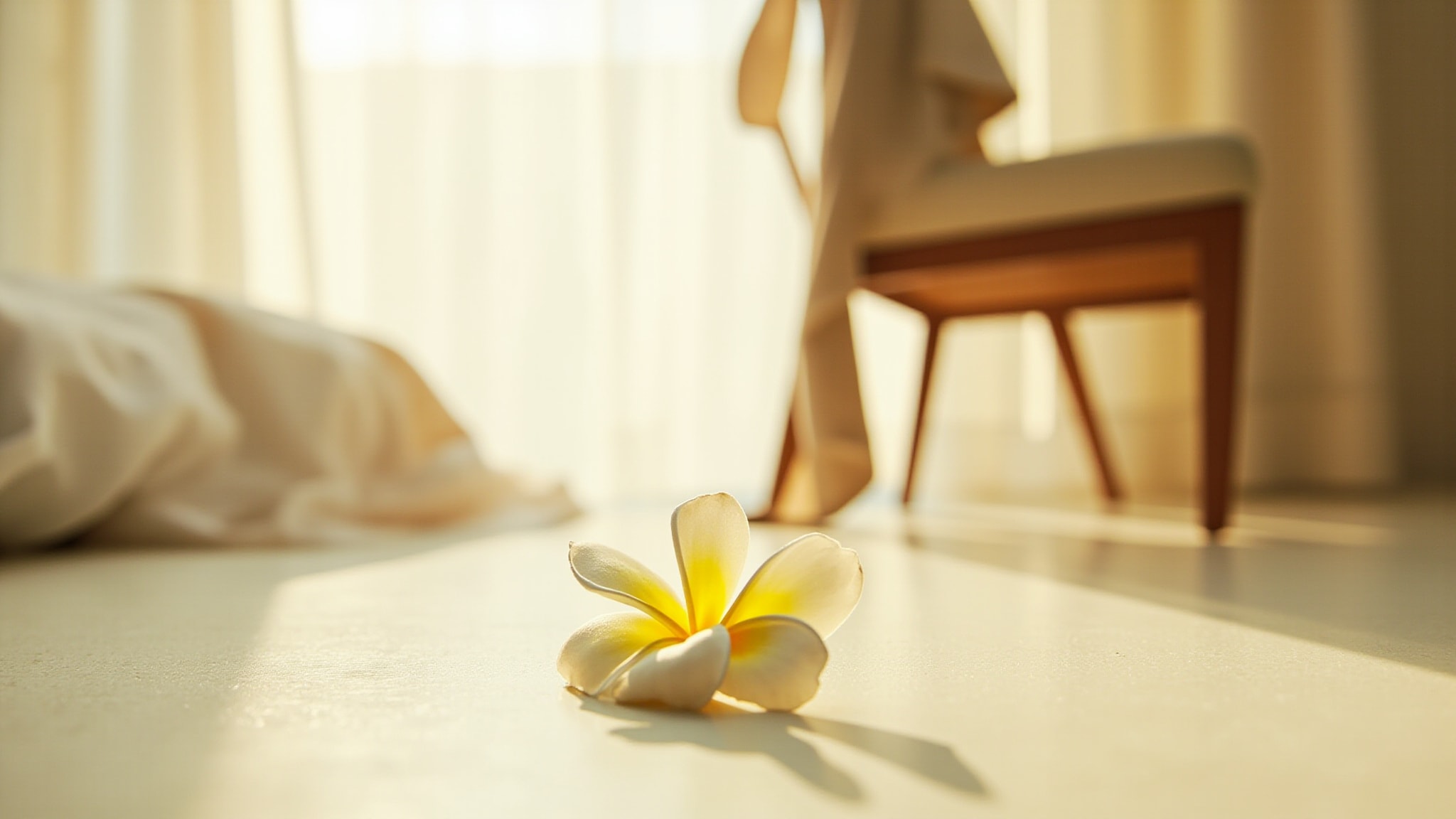
Pierre Guillaume named this one for the mango tree itself, not the fruit, but the bark. The woody, slightly bitter outer layer that protects the sweet flesh inside. It became the structural idea: a fragrance built on contrast, where tropical sweetness and powdery restraint could coexist in the same bottle. Frangipani flower, creamy, heady, tropical, took the center stage, a choice that set this apart from the start. The Collection Noire setting gave permission to go darker, more complex, even with a fruit at the core.
The double accent of mango bark extract is what separates this from a standard tropical fragrance. Most perfumes reach for mango as a sweet, overripe fruit note, here, the bark brings an aromatic, almost powdery quality that shifts the entire composition away from the expected. Frangipani flowers are rarely placed at the center of a fragrance; their heady, almost narcotic sweetness makes them a risk. Pierre Guillaume took that risk anyway, and the powdery accord that surrounds the floral heart gives it a softness that keeps the sweetness from overwhelming. Black tea leaves add a quiet green bitterness that most wearers don't expect but that prevents the whole thing from tipping into gourmand territory.
The evolution
The opening is the surprise. Mango bark doesn't smell like mango fruit, it smells like something architectural, green, almost bitter. The sugar in the top accord sweetens it just enough to feel approachable, but there's a restraint here that says this isn't a beach perfume. Within twenty minutes, the frangipani takes over. The heart is where this fragrance earns its reputation, creamy, tropical, undeniably floral. The powdery accord keeps it soft, close to the skin rather than projecting outward. The woody base arrives quietly, without fanfare, and it becomes the tell. That's what stays. The drydown isn't dramatic, it's the feeling of mango and frangipani warmed by skin, held close, lasting well past what the sillage meter suggests.
Cultural impact
Released in 2010 as part of the Collection Noire line, Manguier Métisse occupies an unusual position: tropical without being bright, sweet without being playful. The frangipani-at-the-center structure makes it a conversation piece among collectors, rare enough to intrigue, accessible enough to wear. Wearers tend to describe it as the fragrance for someone who wants tropical but isn't interested in the obvious version.