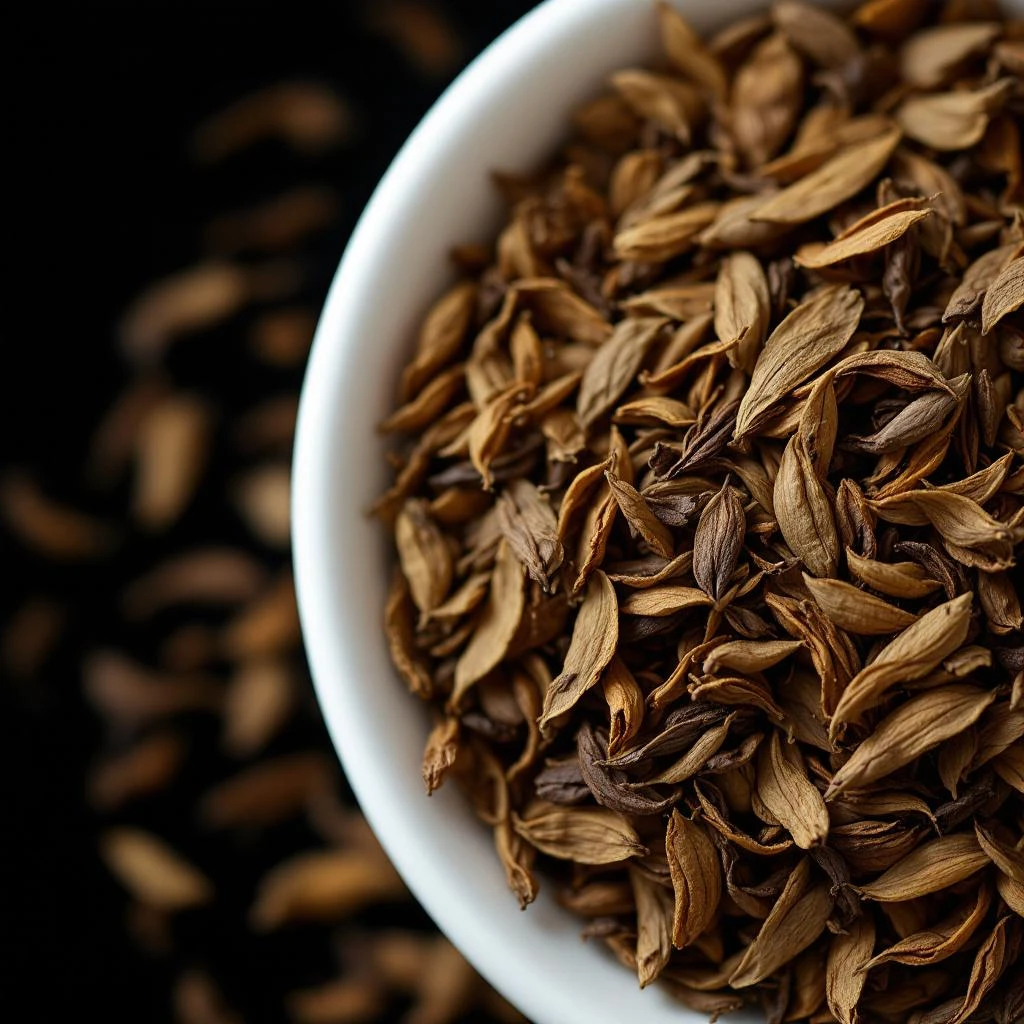
Mandarin Orange Leaves
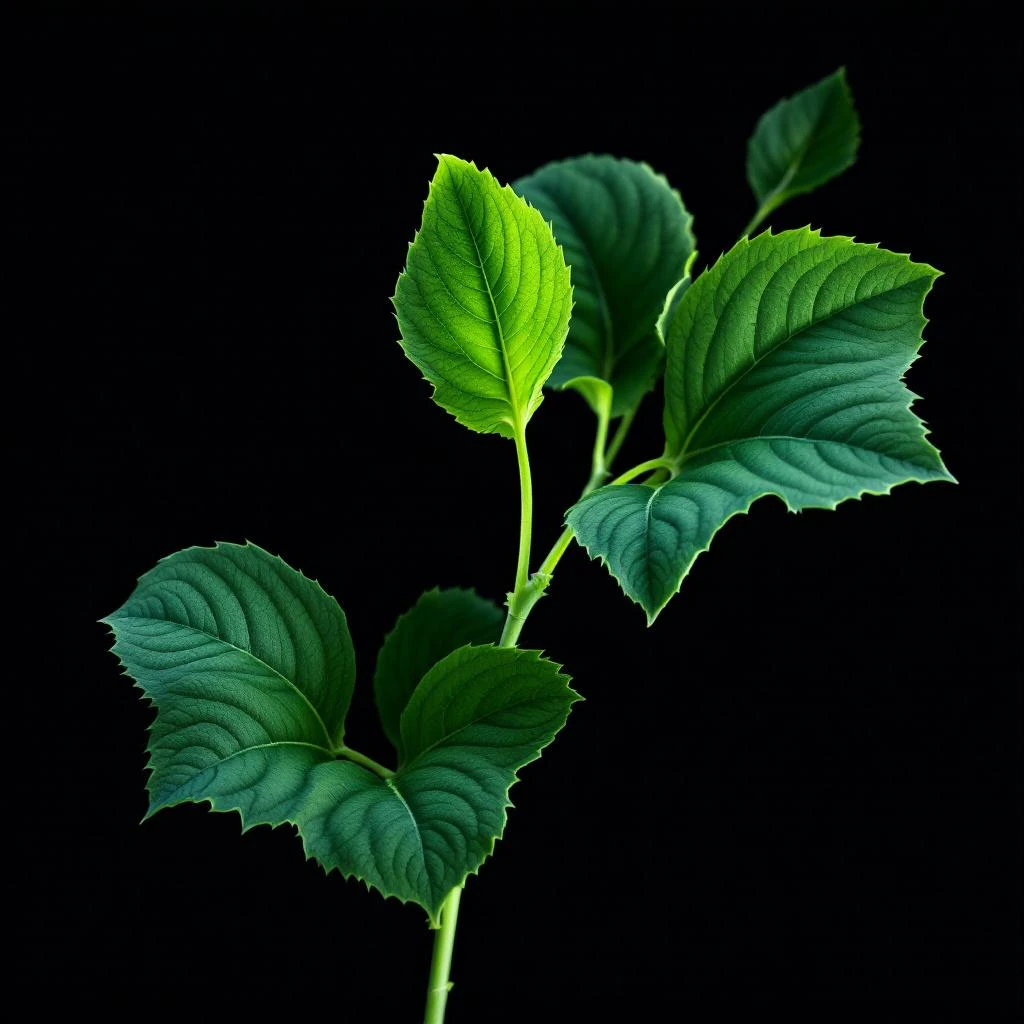
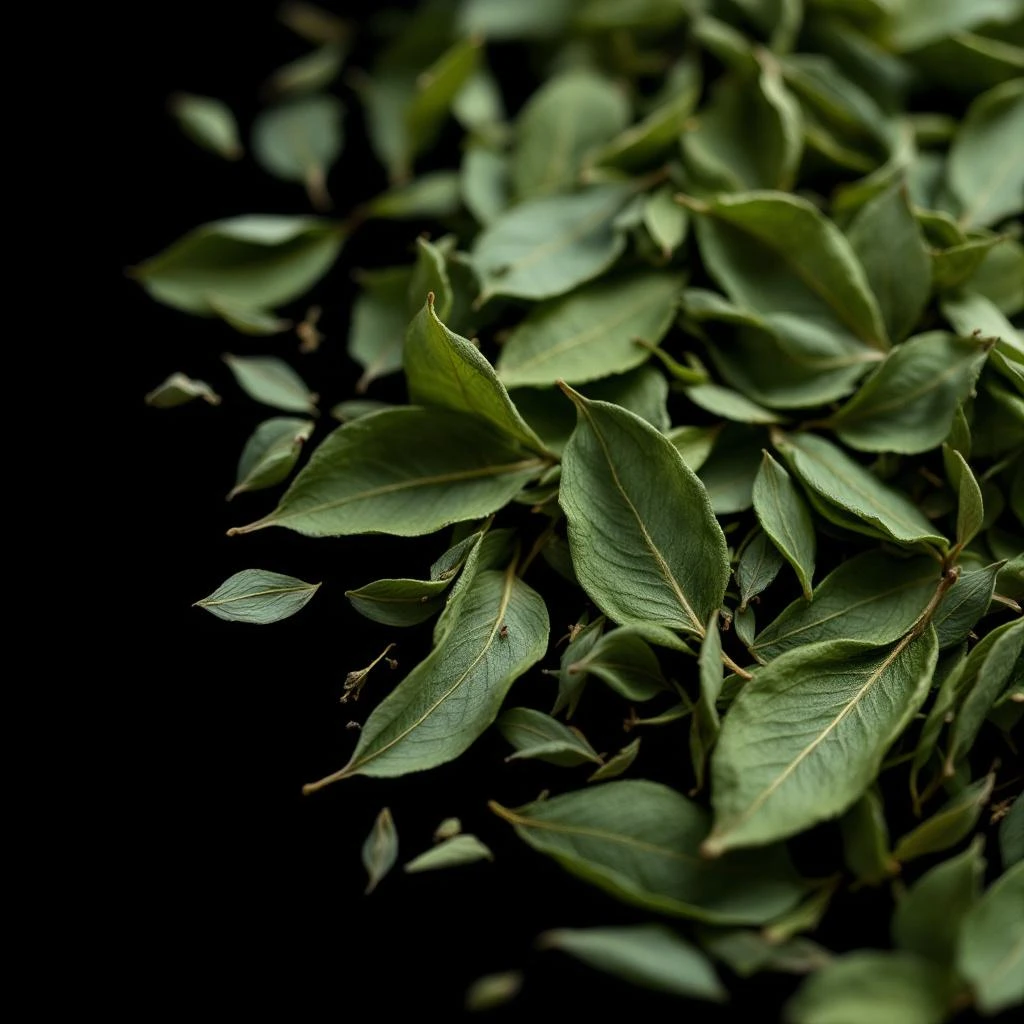
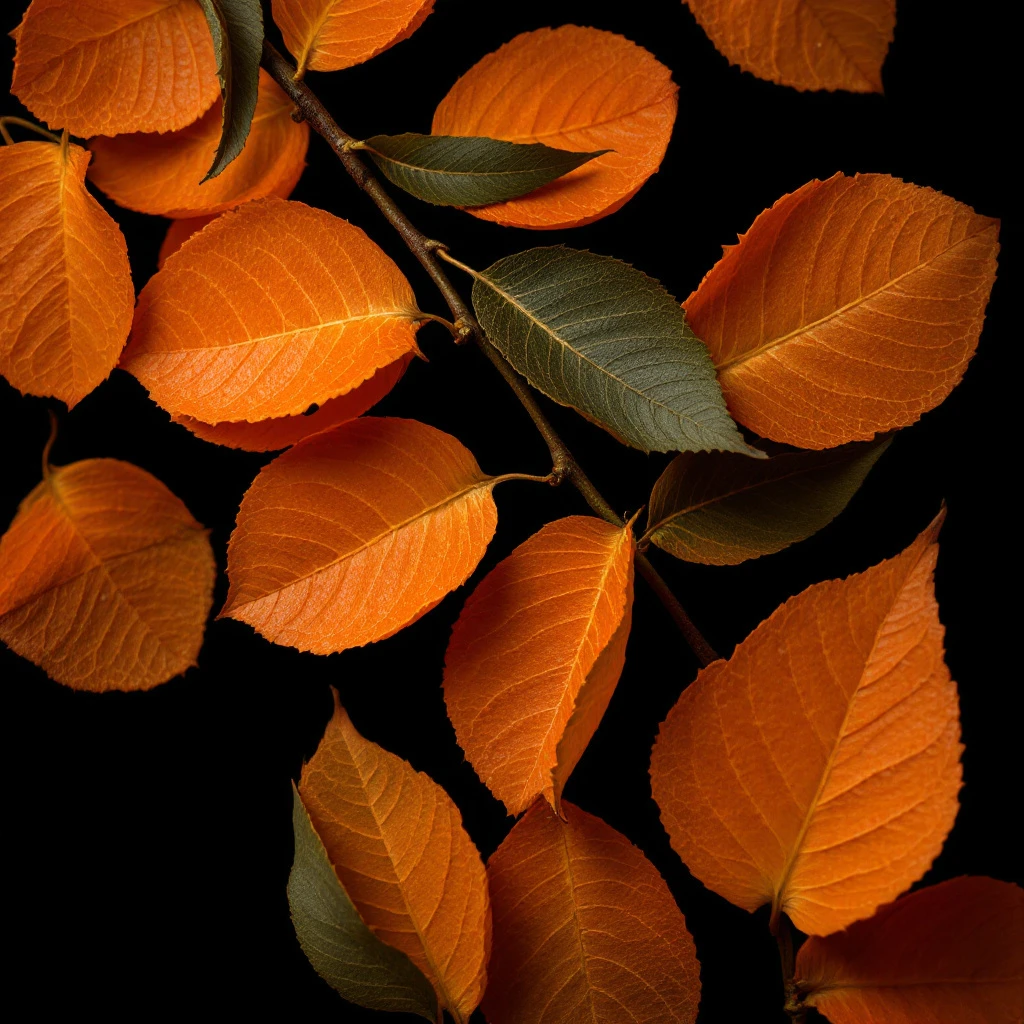
Mandarin Orange Leaves deliver a fresher, greener citrus character than the fruit itself. Where the peel offers sweetness, the leaves bring crisp, vegetal warmth that grounds bright compositions. This subtle note adds botanical depth that perfumers prize for its restraint and versatility.
Character
How it smells
Green, crisp, and quietly alive.
The same tree that yields bright orange fruit also produces leaves with an entirely different olfactory identity.




Origin
China
The mandarin tree traces its roots to southeastern Asia, specifically the region encompassing southern China and Vietnam. Ancient Chinese texts reference citrus cultivation as early as 2400 BC, placing mandarin firmly among humanity's oldest cultivated fruits.
The leaves were likely noticed for their aromatic properties early on, as traditional Chinese medicine incorporated various citrus components. European traders encountered the fruit in the 19th century and began transferring trees to the Mediterranean.
The name "mandarin" derives from the Chinese officials who grew and prized the fruit. While the fruit dominated commercial interest, perfumers gradually recognized the leaves as valuable raw material, developing extraction techniques that isolated their distinctive green character.
Wears it best
Fragrances featuring Mandarin Orange Leaves
Brands
Brands known for Mandarin Orange Leaves
Good to know
Questions, answered
The essentials on Mandarin Orange Leaves in perfumery: how it smells, where it comes from, and how it behaves on skin.
What does mandarin orange leaf smell like?
Mandarin orange leaf smells greener and more bitter than the fruit. It has a crisp, herbaceous quality reminiscent of fresh-cut stems with subtle citrus undertones. The effect is vegetal rather than sweet.
How is mandarin orange leaf oil produced?
Producers extract the oil via steam distillation of young leaves and shoots. The process yields a pale yellow liquid with a fresh, green aroma. Quality depends heavily on harvest timing and distillation conditions.
Which perfumes feature mandarin orange leaf?
Mandarin leaf appears as a supporting note in many modern fragrances rather than a dominant star. It works especially well in colognes, chypres, and green compositions where it adds botanical authenticity without sweetness.
Is mandarin orange leaf natural or synthetic?
Natural mandarin leaf oil exists and comes from steam distillation of Citrus reticulata foliage. Synthetic alternatives also exist, but natural versions offer greater olfactory complexity with green, slightly bitter facets.
Where does commercial mandarin leaf oil come from?
Italy and Paraguay are major producers. Italian oil tends toward delicate herbaceousness. Paraguayan oil is generally richer and more aromatic. China remains the origin country of the parent plant.
Does mandarin leaf differ from petitgrain?
Petitgrain typically comes from bitter orange (Citrus aurantium amara). Mandarin leaf comes from Citrus reticulata specifically. The profiles overlap but mandarin leaf reads slightly sweeter and less bitter than standard petitgrain.
When should perfumers use mandarin leaf?
Use mandarin leaf when you need green citrus brightness without sweetness. It works well in top notes that require longevity, as the green character persists longer than the fruit's fleeting brightness.
What pairs well with mandarin orange leaf?
Mandarin leaf combines naturally with other citrus materials, white florals, and woody base notes. It bridges bright opening accords and deeper heart compositions, creating olfactory continuity across fragrance development.