Malva
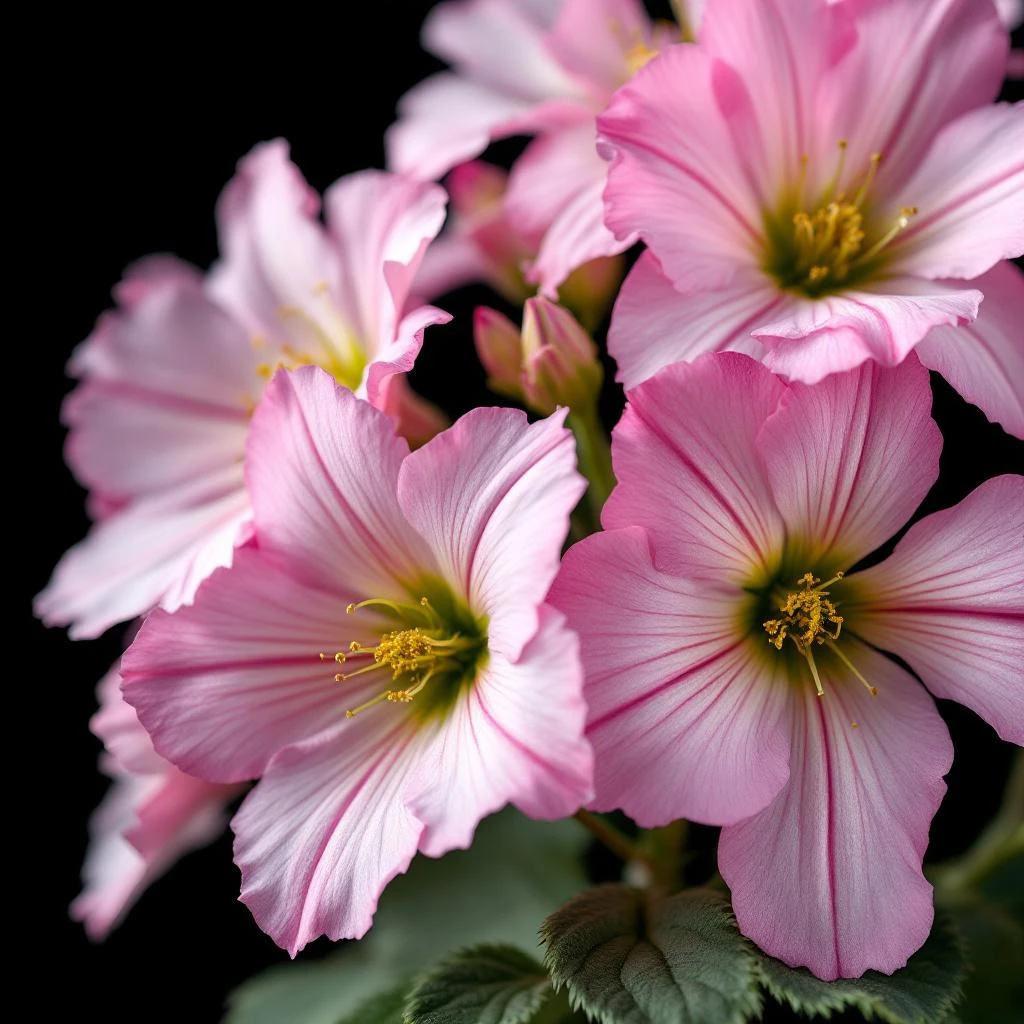
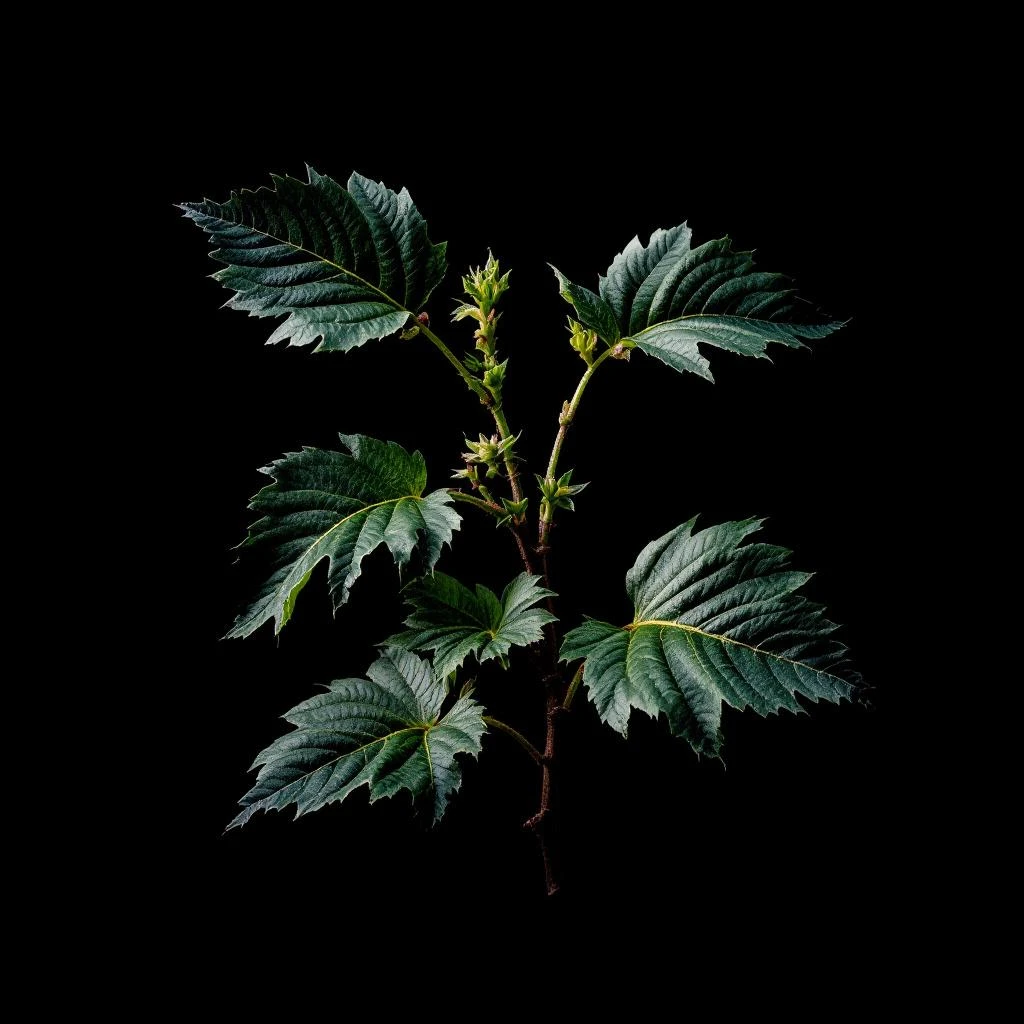
Malva sylvestris, or common mallow, rarely appears as a named ingredient in perfumery. This gentle European herb has been valued in herbal medicine for millennia yet never developed a significant presence in fragrance. Discover why.
Character
How it smells
The gentle herb that never became a perfume
Ancient Egyptians called mallow a "cure for everything" and included it in medicinal papyri over 3,500 years ago.



Origin
France
Malva sylvestris grows wild across Europe, North Africa, and parts of Asia. Ancient Greek physicians documented its medicinal uses extensively. The name mallow derives from the Greek "malake," meaning soft, referring to the plant's soothing properties.
Medieval herbalists including Hildegard von Bingen recommended mallow for inflammation and skin complaints. Across Europe, the Middle East, and North Africa, mallow served as a versatile folk remedy for respiratory ailments and skin irritations. While ancient perfumers worked with aromatic plants like resins, spices, and florals, mallow remained firmly in the medicinal camp.
In the 19th century, as perfumery shifted toward synthetic chemistry, mallow stayed rooted in healing traditions. Only in recent decades have perfumers begun incorporating malva extracts into modern compositions, often highlighting its connection to herbalism and natural wellness.
Wears it best
Fragrances featuring Malva
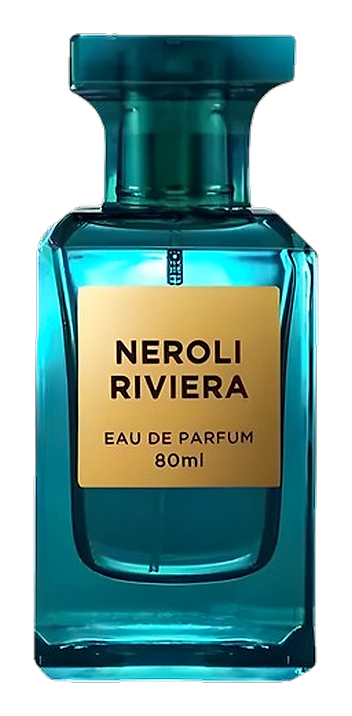
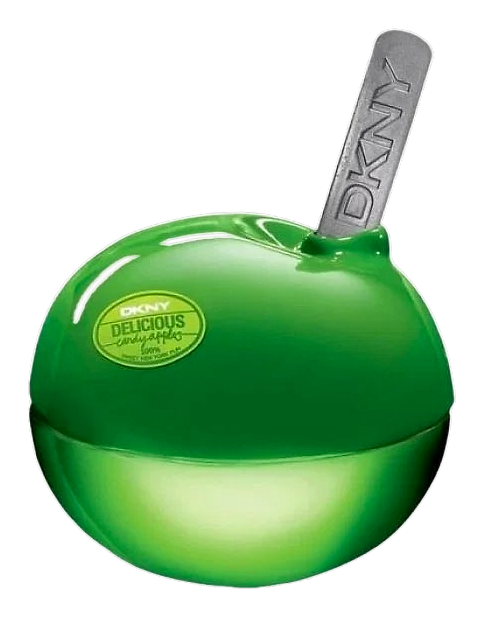
Brands
Brands known for Malva
Good to know
Questions, answered
The essentials on Malva in perfumery: how it smells, where it comes from, and how it behaves on skin.
Is mallow actually used in perfumery?
Mallow rarely appears as a named perfumery ingredient. While the plant exists in botanical extracts used by some fragrance manufacturers, it is not a standard perfumery material. Most perfumers encounter mallow only as an incidental component in complex botanical bases.
What does mallow contribute to a fragrance?
As a functional ingredient, mallow extract can act as a fixative and add subtle green, herbaceous undertones to a fragrance. Its mucilage content makes it useful for adding texture and a soft, slightly powdery quality to the base of a composition.
Where does mallow come from?
Malva sylvestris grows wild across temperate Europe, North Africa, and Western Asia. The plant prefers disturbed soils and roadside habitats. French and Swiss alpine varieties are considered particularly robust, with some cosmetic manufacturers sourcing specifically from alpine regions for higher compound concentration.
How is mallow different from typical perfumery ingredients?
Unlike rose or jasmine, mallow is not harvested for its fragrance. The plant contains mucilage, not essential oils. Traditional perfumery extraction methods such as steam distillation yield little from mallow, which is why perfumers work with extracts and infusions rather than aromatic oils.
Are there synthetic alternatives to mallow in perfumery?
Synthetic aroma chemicals can approximate green, herbal notes found in mallow, but no direct synthetic replacement for mallow exists. The mucilage compounds that define the ingredient do not have reliable aromatic equivalents in the perfumer's palette.
Is mallow safe for skin use?
Mallow has an excellent safety profile. It has been used in traditional medicine for millennia without significant adverse effects. The mucilage is gentle and soothing, making mallow extract particularly suitable for sensitive skin and body care formulations.
Why did mallow never become a major perfumery ingredient?
For centuries, mallow was cultivated almost exclusively for medicinal use. The plant lacks strong aromatic compounds that would make it commercially viable for fragrance production. Traditional healing traditions prioritized its mucilage content for internal use, keeping mallow in apothecaries rather than perfumeries.
Can I buy mallow extract for fragrance making?
Mallow extract for cosmetic and personal care use is available from specialty ingredient suppliers. Products typically contain 5% concentration dissolved in water and glycerin. However, finding mallow as a dedicated perfumery ingredient with standardized aromatic properties remains uncommon.