Malayan Lime
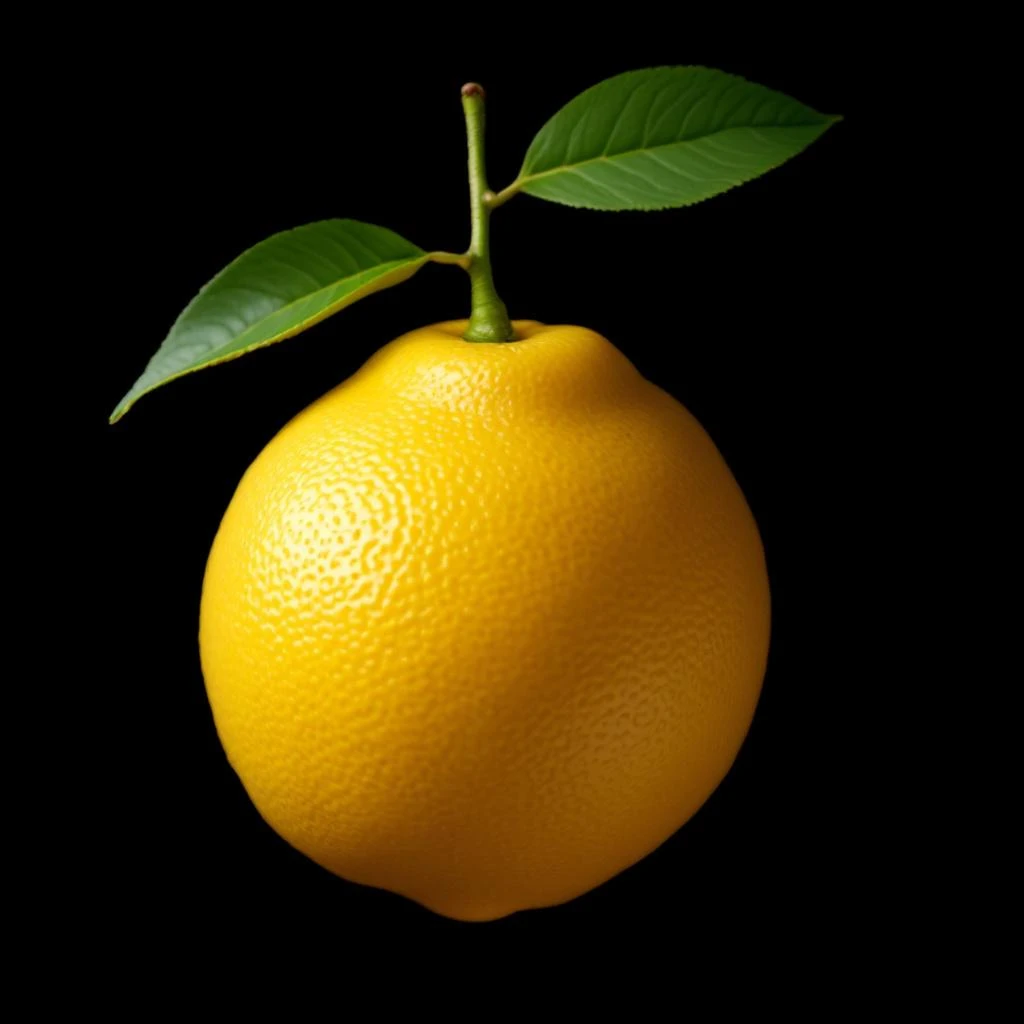
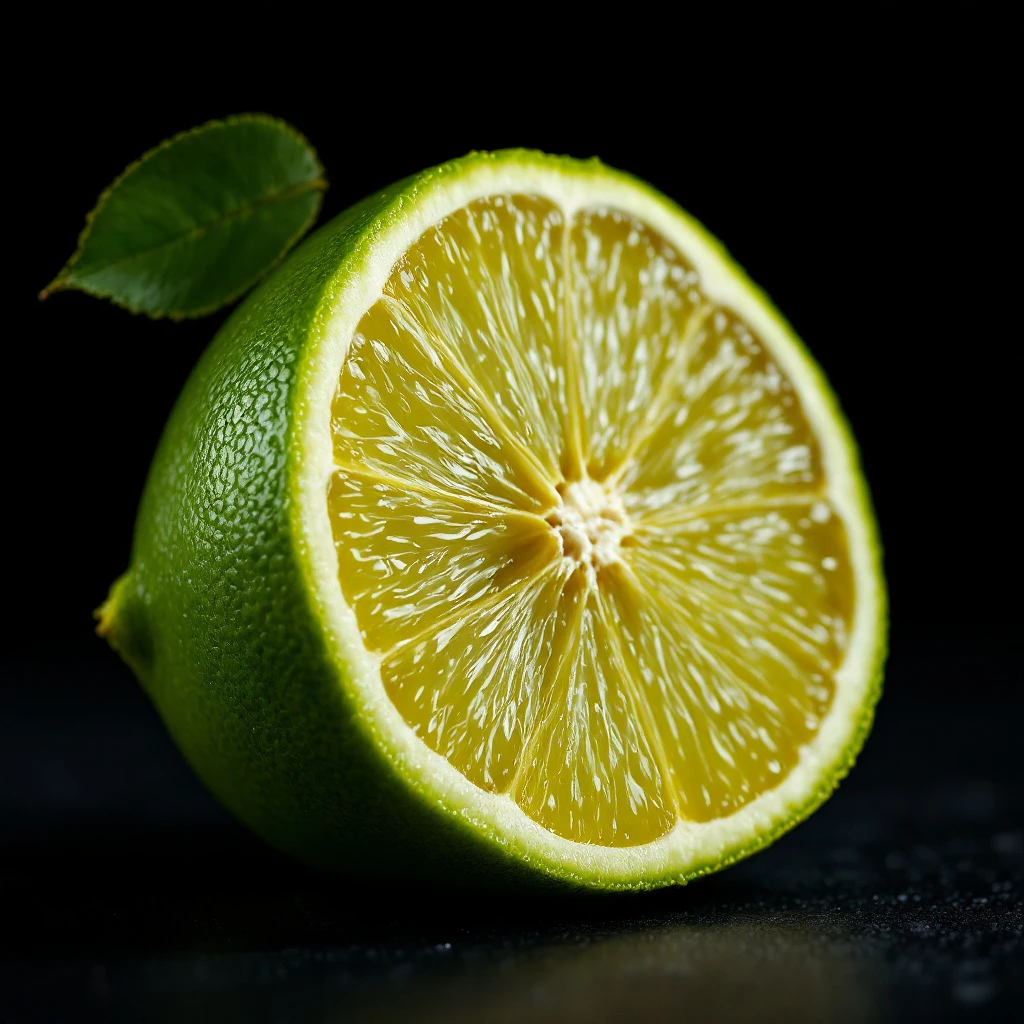
Malayan lime delivers a sharper, more herbaceous brightness than its Mexican cousin. The peel yields an intensely green, almost metallic juice that captures the fruit's raw, sun-warmed character.
Character
How it smells
Greener, sharper, wilder than Persian lime.
The Key lime once dominated global production until 1926 when a hurricane decimated Florida groves, cementing Mexico as the dominant supplier and reshaping the entire lime oil market.
Pairs beautifully with

Origin
Malaysia
The lime traces its ancestry to Southeast Asia, likely the East Indian archipelago, long before Persian traders carried it westward. Malay fishermen and farmers cultivated limau nipis for centuries, using the juice to flavor curries and the rind in traditional medicine. Arab merchants spread citrus across the Middle East, where the fruit crossed with citrons to eventually produce what Europeans called the Persian lime.
British colonial botanists introduced cultivated lime varieties to Malaya in the late 19th century, establishing plantation systems that supplied naval crews with vitamin C to prevent scurvy. The British Navy's adoption of lime juice earned British sailors the nickname "limeys," a small linguistic legacy of the fruit's strategic importance.
In perfumery, lime appeared prominently in 19th-century eau de cologne formulations, where its sharp top note cut through heavier herbal and floral compositions. Malaysian perfumers later incorporated locally distilled lime oil into traditional attars and soap formulations. The cultivation of Malayan lime reflects this layered history: a Southeast Asian native fruit refined through colonial trade routes and, eventually, modern extraction techniques.
Wears it best
Fragrances featuring Malayan Lime
Brands
Brands known for Malayan Lime
Good to know
Questions, answered
The essentials on Malayan Lime in perfumery: how it smells, where it comes from, and how it behaves on skin.
What does Malayan lime smell like in perfume?
Malayan lime produces a sharper, greener aroma than Persian lime, with pronounced metallic and herbaceous facets. It opens with an almost bitter citrus zest and settles into sweet, slightly floral undertones within minutes on skin.
How is Malayan lime oil different from regular lime oil?
Malayan lime, typically a Key lime cultivar, yields oil with higher citral content and a more pronounced green character. Mexican Persian lime oil tends rounder and sweeter, while Malayan versions carry a wilder, more astringent profile.
Is Malayan lime essential oil safe on skin?
Cold-pressed lime oil is phototoxic due to furanocoumarins and can cause severe burns on UV-exposed skin. Steam-distilled versions are safer but lose some aromatic complexity. Always dilute below 2 percent in leave-on formulations.
What perfumes use Malayan lime prominently?
Several niche and independent houses source Southeast Asian Key lime for cologne-style fragrances. Most major designer scents use Mexican or Brazilian Persian lime due to scale and cost consistency.
How long does lime top note last in a fragrance?
Lime's volatile top notes typically evaporate within 15 to 30 minutes on skin. However, trace amounts persist in the heart phase for 2 to 3 hours, contributing subtle brightness to the drydown.
Where do Malayan limes grow?
Malayan lime cultivation spans Peninsular Malaysia, particularly the states of Perak and Kelantan, along with parts of southern Thailand and Indonesia. The tropical climate and well-drained soils support year-round flowering.
Why do perfumers choose cold-pressed lime over distilled?
Cold pressing preserves the full spectrum of volatile aldehydes and terpenes responsible for fresh lime character. Steam distillation sacrifices this brightness for stability and a colorless oil that resists oxidation in soap and candle applications.
Can Malayan lime oil go bad?
Yes, citrus oils oxidize rapidly. Properly stored lime oil lasts 12 to 18 months; improperly sealed bottles can spoil within months. Refrigeration and dark amber glass extend shelf life considerably.