Lychee Martini
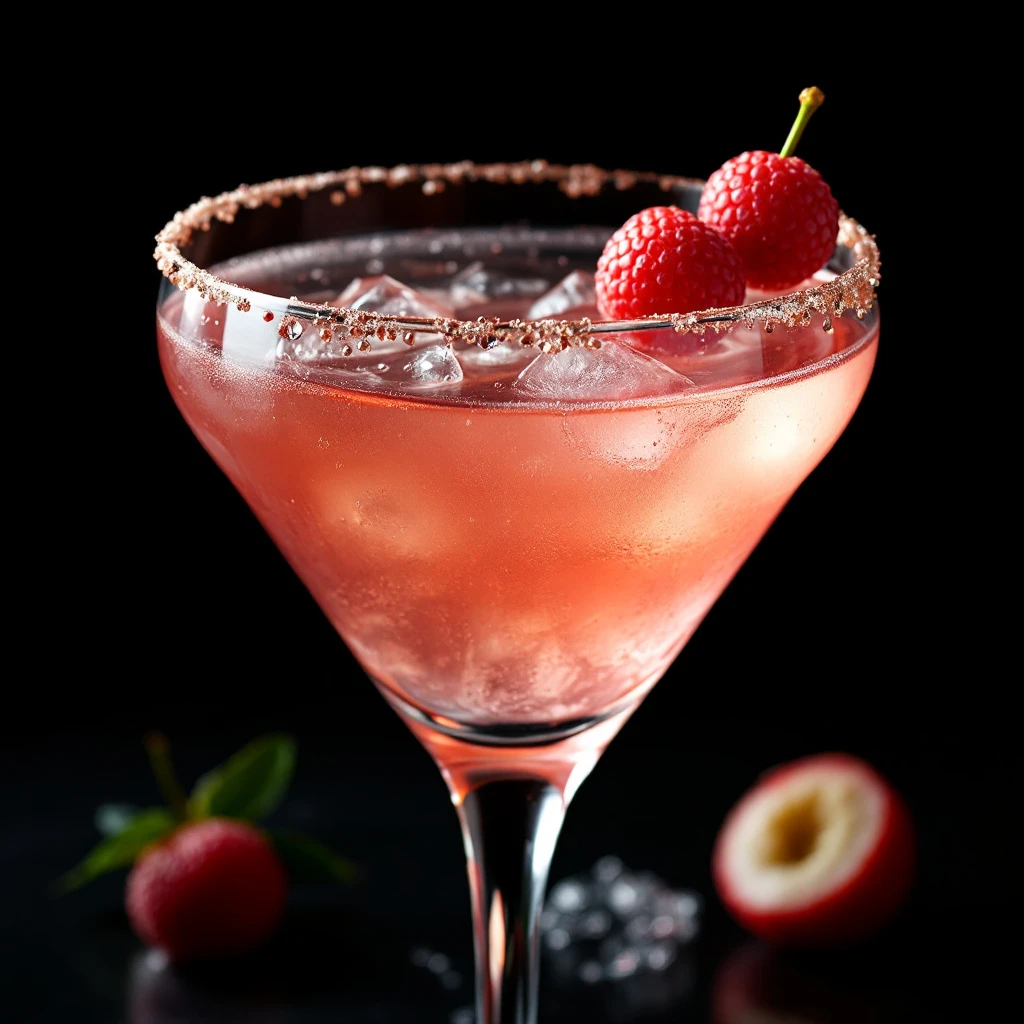
Lychee Martini captures the effervescent sweetness of a cocktail in a bottle. A confectionary note blending juicy lychee fruit with boozy, effervescent accents that adds playful sophistication to modern perfumery.
Character
How it smells
Cocktail hour, bottled.
True lychee fruit yields almost no usable oil, so perfumers reconstruct the scent from molecules like geraniol and linalool, originally found in rose and lavender.
Pairs beautifully with

Origin
China
The lychee fruit has been cultivated in southern China for over two thousand years, where it appeared in imperial poetry and court cuisine. It reached Europe only in the late 18th century through trade routes, and the fresh fruit remains rare in Western markets.
In perfumery, the fruit itself posed a problem from the start: its delicate juice contains almost no essential oil, so chemists working in the late 19th century had no natural material to distill. The rise of organic synthesis in Paris between 1889 and 1921 gave perfumers new tools, and by the 1990s fruity gourmands became a dominant fragrance category.
Lychee entered mainstream perfumery around 2005 with the launch of several bestselling women scents. The martini variation, pairing the fruit with boozy and sparkling accents, emerged as a sub-trend in the 2010s as cocktail culture influenced fragrance development across both niche and commercial houses.
Wears it best
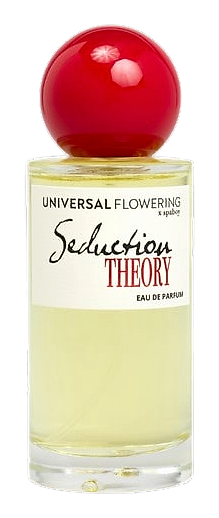
Fragrances featuring Lychee Martini
Brands
Brands known for Lychee Martini
Good to know
Questions, answered
The essentials on Lychee Martini in perfumery: how it smells, where it comes from, and how it behaves on skin.
What does Lychee Martini smell like in perfume?
Lychee Martini blends juicy, candy-like sweetness with a subtle boozy warmth and sparkling lift. The accord typically combines geraniol and linalool with fruity esters for a gourmand cocktail effect that opens bright and settles into a soft musky drydown.
Is Lychee Martini a natural or synthetic fragrance note?
It is almost entirely synthetic. True lychee fruit yields virtually no usable essential oil through steam distillation or cold pressing, so perfumers reconstruct the scent using aroma chemicals like geraniol, linalool, and ethyl maltol.
Where does lychee originate from?
The lychee fruit originates from southern China, where it has been cultivated for over two thousand years. It remains most associated with the Guangdong and Fujian provinces, roughly at coordinates 23.1°N, 113.3°E.
What fragrance families include Lychee Martini?
Lychee Martini sits within the fruity gourmand family, often crossing into floral and oriental categories. It pairs especially well with rose, peony, and white musk bases in modern commercial and niche compositions.
Is Lychee Martini suitable for unisex fragrances?
Yes, the note appears across gendered and unisex launches. Its sparkling sweetness leans feminine in florals but reads neutral when paired with amber woods or smoky accords in contemporary niche perfumery.
How long does Lychee Martini last on skin?
Top notes built on lychee molecules typically last 30 to 90 minutes before fading. Perfumers extend longevity by anchoring the accord with ambroxan, white musks, or sugary vanilla bases.
Which chemicals recreate the lychee scent?
Lychee accords rely on geraniol, linalool, and rose oxide for the fruit body, layered with ethyl maltol for sweetness and cis-3-hexenol for green freshness. These ingredients also occur naturally in rose, geranium, and fresh-cut grass.
When did lychee become popular in perfumery?
Lychee entered mainstream Western perfumery around 2005, riding the late-1990s fruity gourmand trend. The martini variation gained traction in the 2010s as cocktail culture influenced fragrance development across both niche and commercial houses.