Longoza
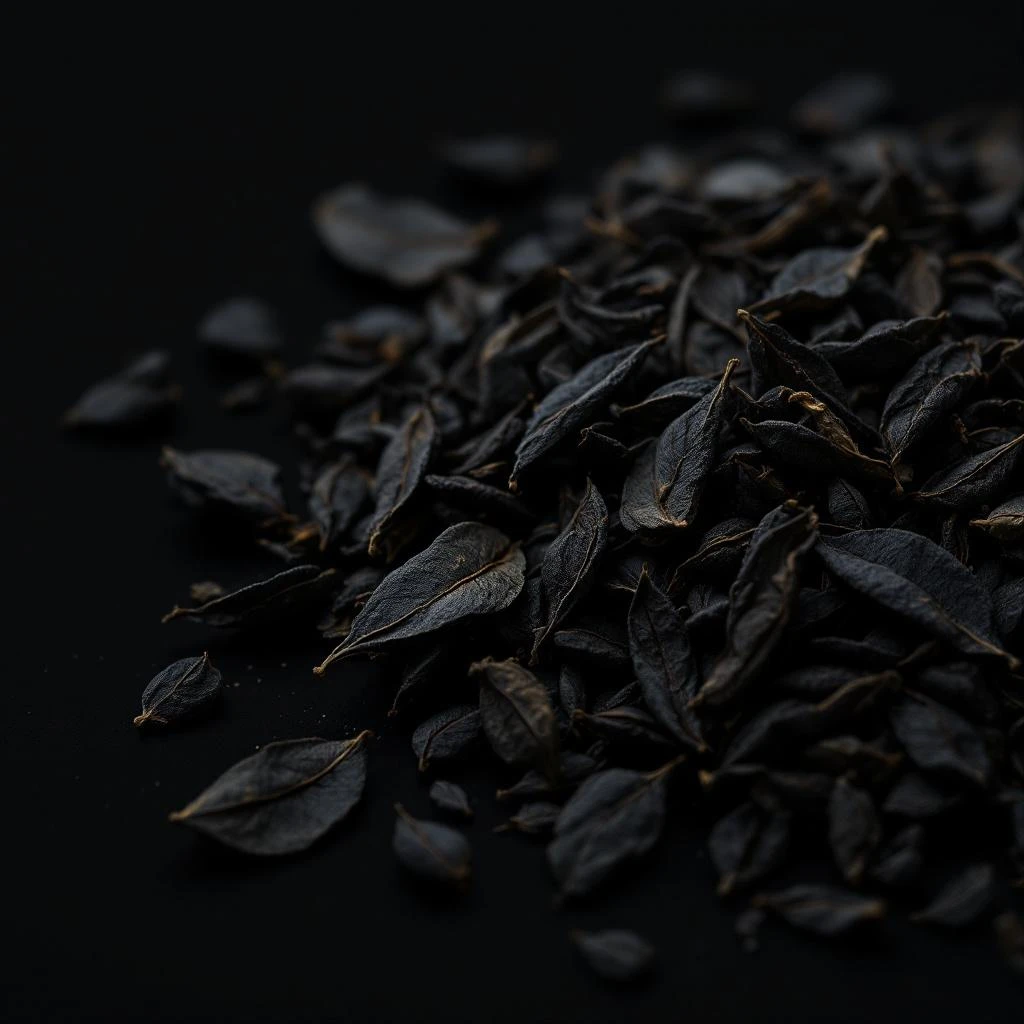
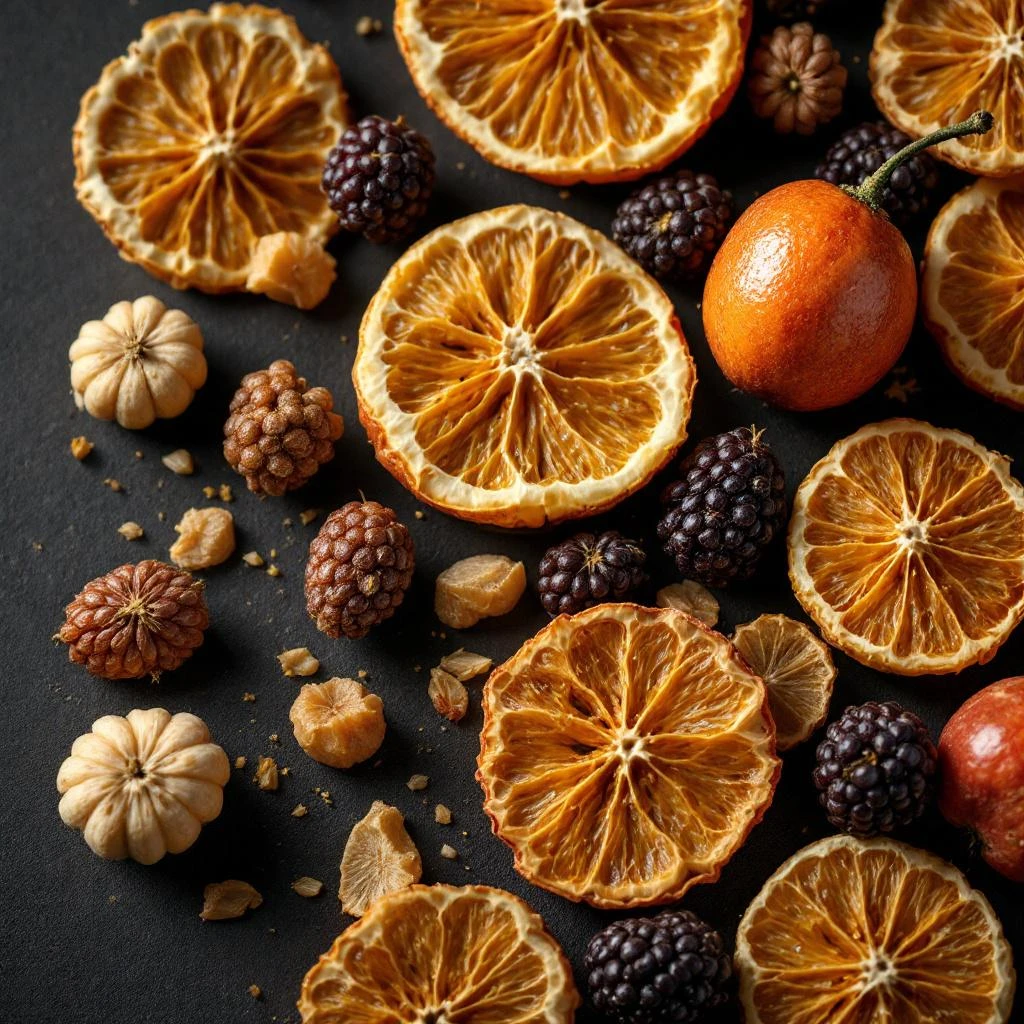
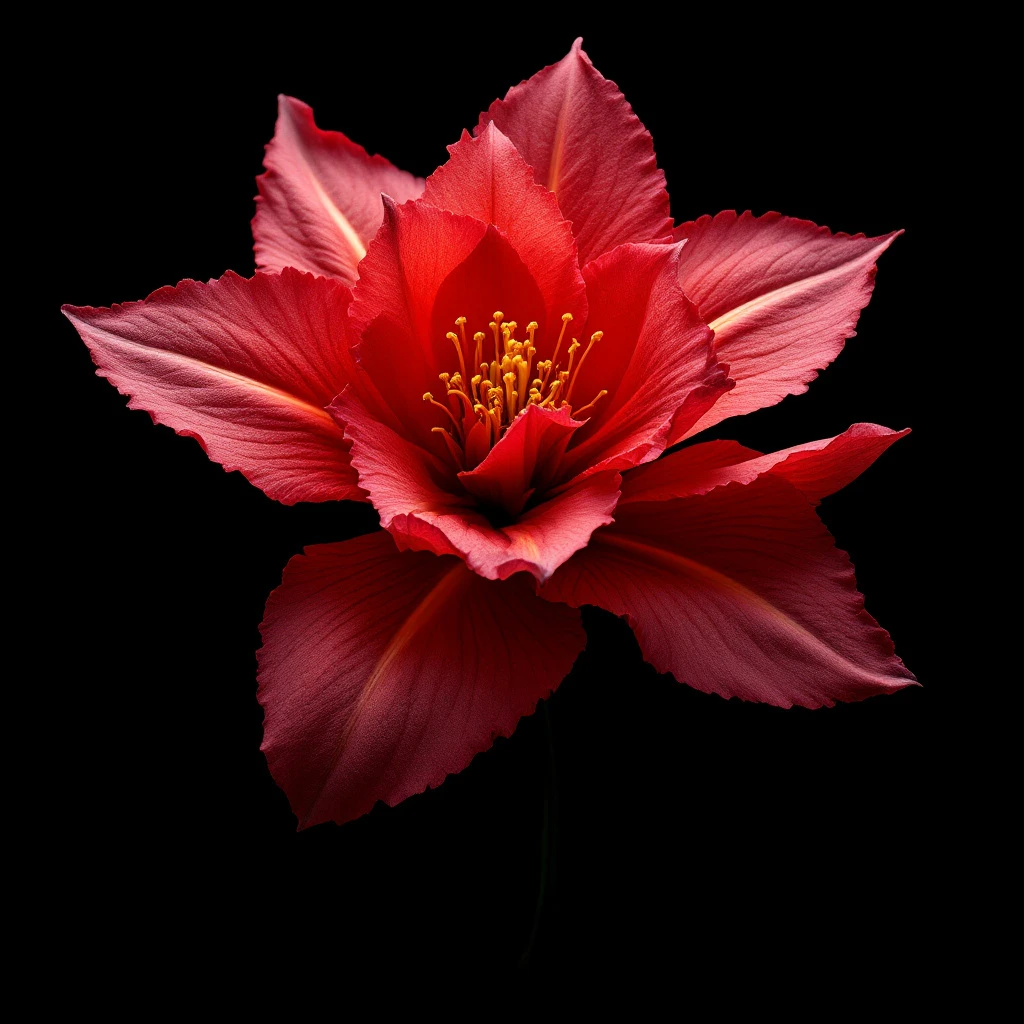
Longoza, the rare 'flower of eternity,' grows exclusively on Madagascar's east coast. Its sun-dried seeds yield an exotic absolute prized in high-end perfumery for warm, spicy floral notes that evoke tropical sensuality.
Character
How it smells
Madagascar's hidden treasure of warm, sensual florals
Longoza remains one of perfumery's best-kept secrets. Many fragrance lovers have never encountered it, as brands rarely disclose its use by name.





Origin
Madagascar
Longoza holds deep cultural significance in Madagascar, where local communities have long associated the plant with protection and longevity. The 'flower of eternity' nickname reflects traditional beliefs connecting Longoza to ancestral rites and commemorative ceremonies. Aromatic use of the plant predates European contact, though Madagascar's colonial period first introduced its scent to international markets.
French traders recorded Longoza observations during the late 19th century, yet the ingredient remained obscure in global perfumery until the 21st century. Modern fragrance houses began incorporating Longoza in luxury compositions during the 2010s, signaling a shift toward lesser-known botanicals. The ingredient's recent rise parallels increased interest in Madagascar's endemic biodiversity among perfumers seeking storytelling angles and geographic exclusivity.
Today, Longoza cultivation provides economic opportunity for coastal communities, though wild-harvesting pressures raise sustainability questions that responsible producers address through traceable sourcing partnerships.
Wears it best
Fragrances featuring Longoza




Brands
Brands known for Longoza
Good to know
Questions, answered
The essentials on Longoza in perfumery: how it smells, where it comes from, and how it behaves on skin.
What does Longoza smell like?
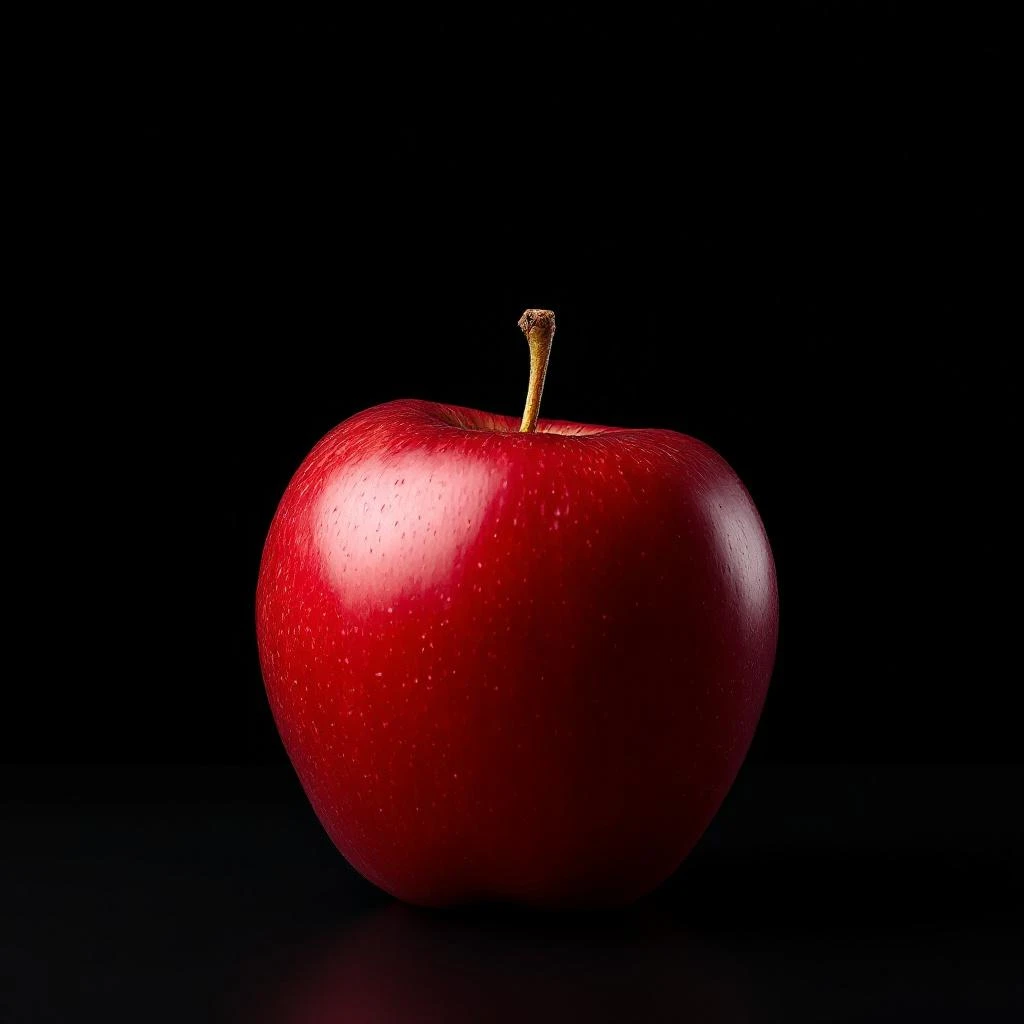
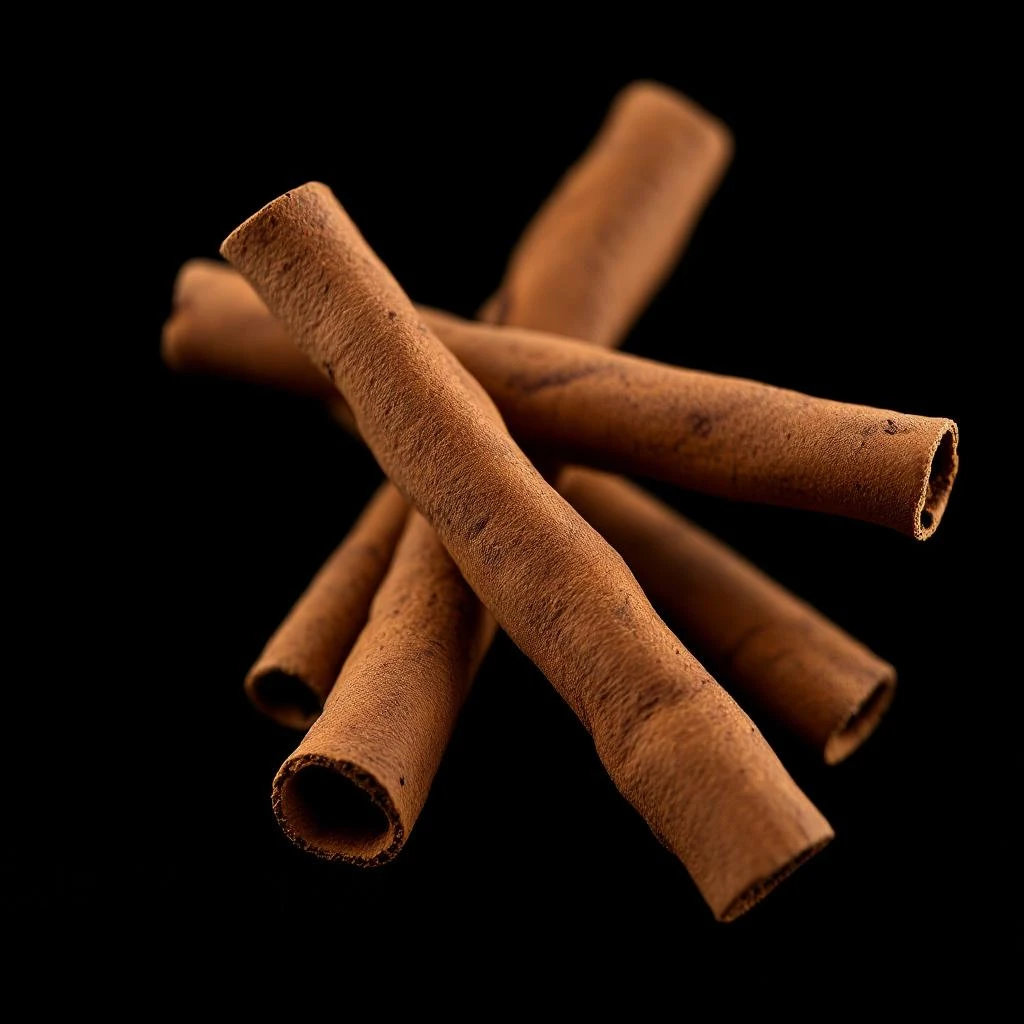
Longoza absolute features warm, spicy floral notes with green, slightly peppery undertones. It combines tropical florals with a honeyed sweetness, creating a distinctly Oriental character rarely found in other floral materials.
Where does Longoza come from?
Longoza grows exclusively on the east coast of Madagascar, primarily in the tropical rainforest belt. This geographic restriction makes it one of the rarest natural ingredients in perfumery.
How is Longoza harvested?
Harvesters collect seeds from mature Longoza plants, then sun-dry them on traditional racks for several days. This drying stage concentrates aromatic compounds and develops the signature warm, slightly peppery character before distillation.
Is Longoza a sustainable ingredient?
Wild-harvesting pressures exist due to Longoza's rarity. Responsible producers now establish traceable sourcing partnerships with Malagasy cooperatives to ensure sustainable wildcrafting practices.
What fragrances feature Longoza?
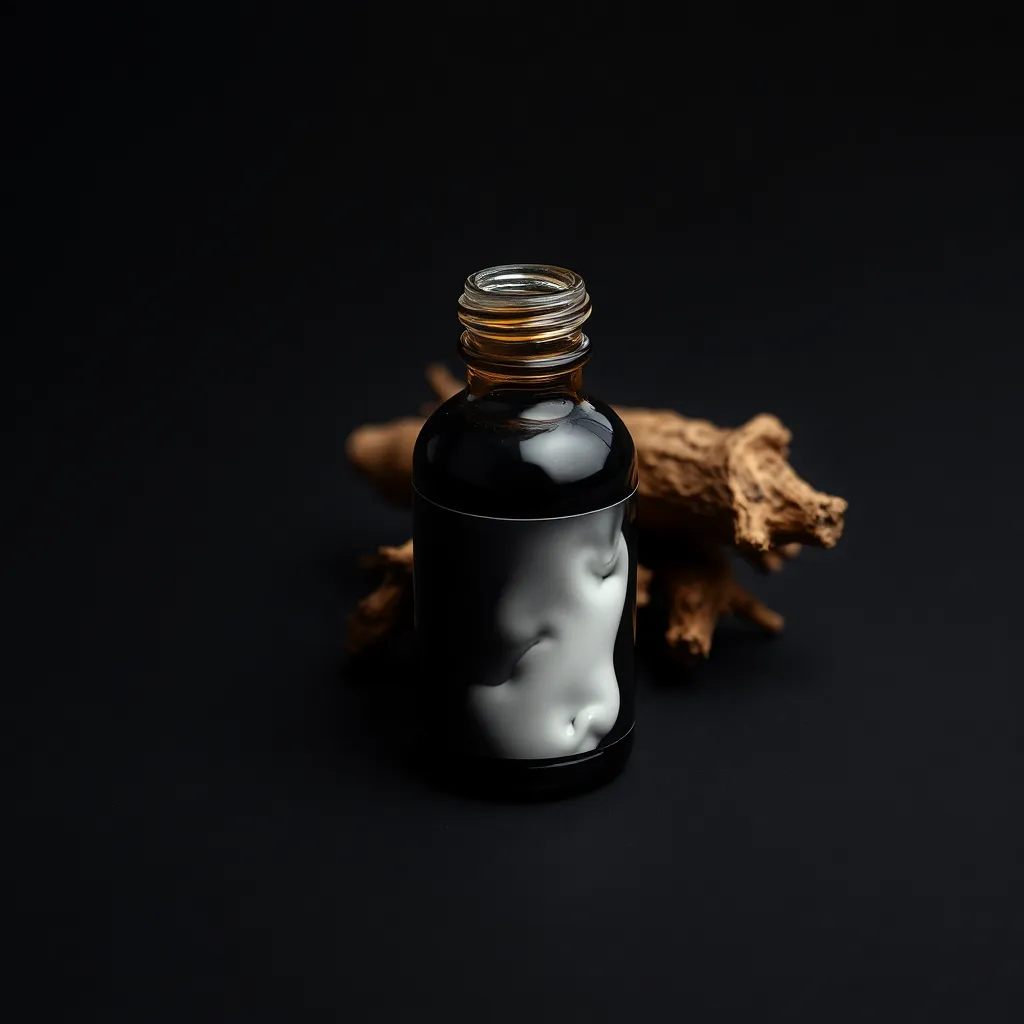
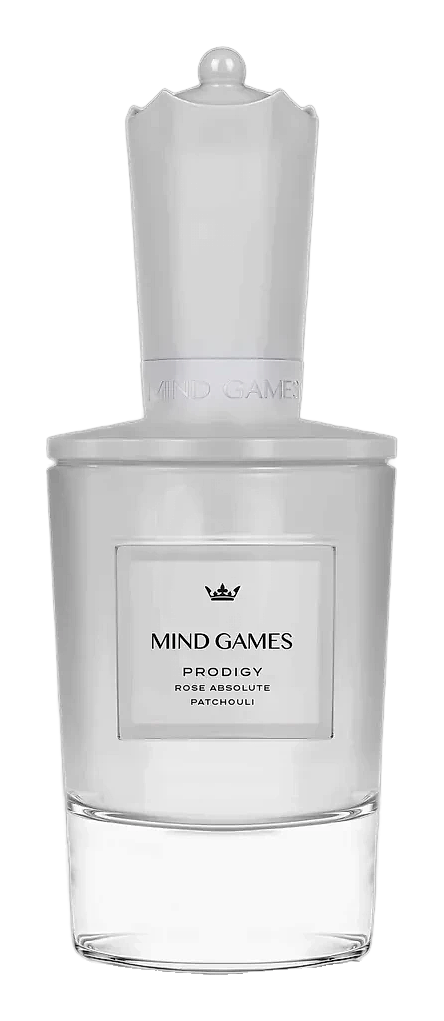
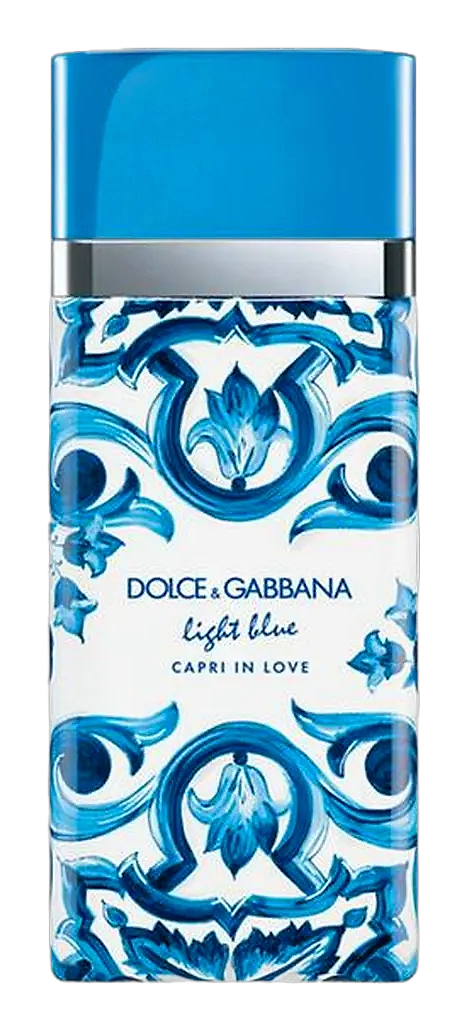
Longoza appears in niche and luxury compositions including 'Dans le Noir' by Theodore. Its rarity means it rarely appears in mass-market fragrances, making it a marker of exclusivity.
What part of the Longoza plant is used in perfumery?
Perfumers use the dried seeds of the Longoza plant. The seeds yield an absolute after steam distillation that captures the warm, complex aromatic profile desired in fine fragrances.
Does Longoza have any traditional uses beyond perfumery?
Malagasy communities historically used Longoza in traditional medicine and spiritual ceremonies. The 'flower of eternity' nickname reflects beliefs about protection and longevity in local cultural practices.
Why is Longoza considered rare in perfumery?
Longoza grows only in a narrow coastal region of Madagascar and requires specific conditions to thrive. Combined with labor-intensive harvesting and modest yield per plant, these factors limit global supply.