Linden tree
Linden blossom captures spring's brief luxury—honey-thick, green, and sun-warmed. One of perfumery's rarest naturals, it inspires devoted collectors who find even the finest interpretations fall short of the living tree.
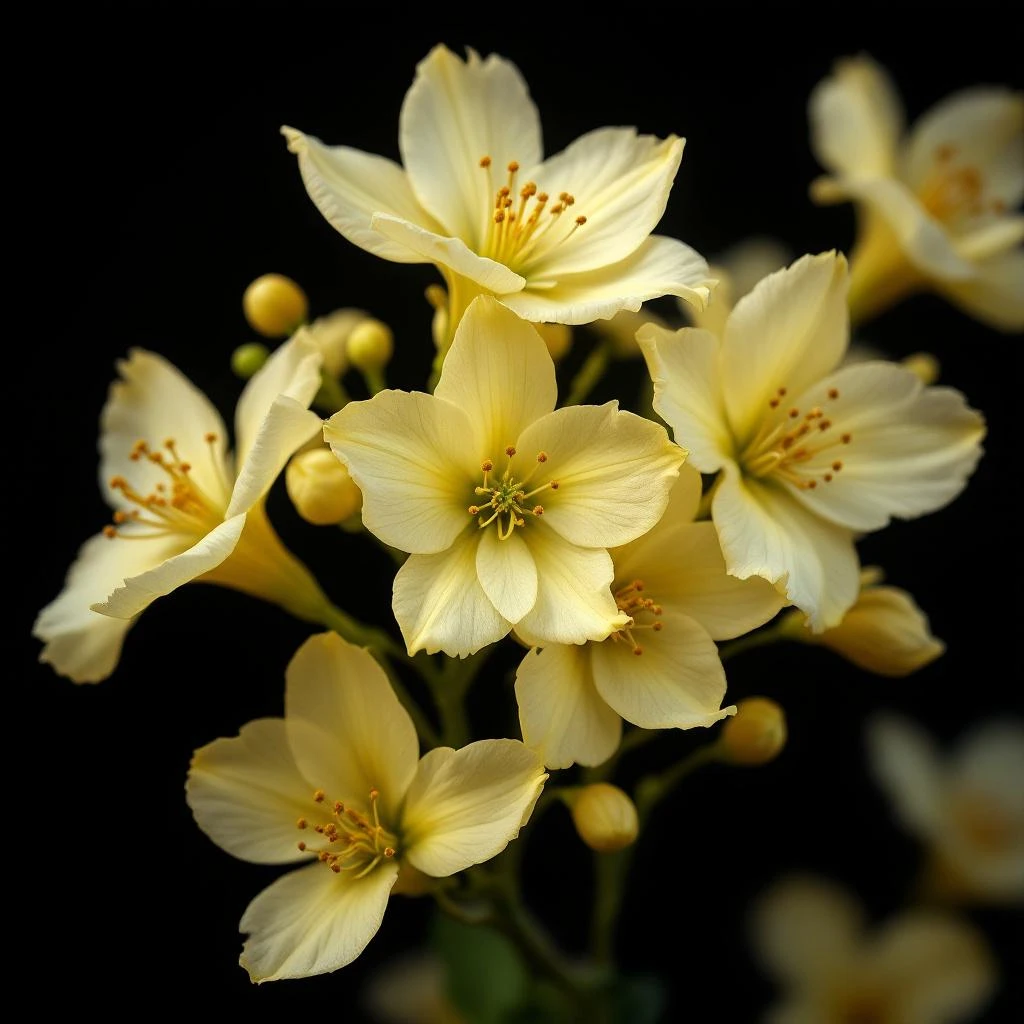
Character
How it smells
A fleeting spring blossom with honeyed warmth.
The Unter den Linden boulevard in Berlin literally means 'under the linden trees'—a 1.4-kilometer avenue of centuries-old linden trees.









Origin
France
The linden tree carries centuries of cultural weight across Europe. Ancient Germanic peoples held the tree sacred, gathering beneath its branches for community decisions. The famous Unter den Linden boulevard in Berlin preserves this heritage in its very name.
In France, the tree became deeply embedded in perfumery culture under the name tilleul. Eastern European perfumers developed dedicated linden fragrances, including the Soviet-era Among the Lindens and Germany's Unter den Linden by Florena. The tree's brief flowering season—just a few weeks in June—has made it both treasured and frustrating for perfumers.
Real linden extraction represents a new frontier, enabling nectar-like creations that follow the ingredient's natural character: aromatic, vegetal, sweet, and subtly spicy.
Wears it best
Fragrances featuring Linden tree

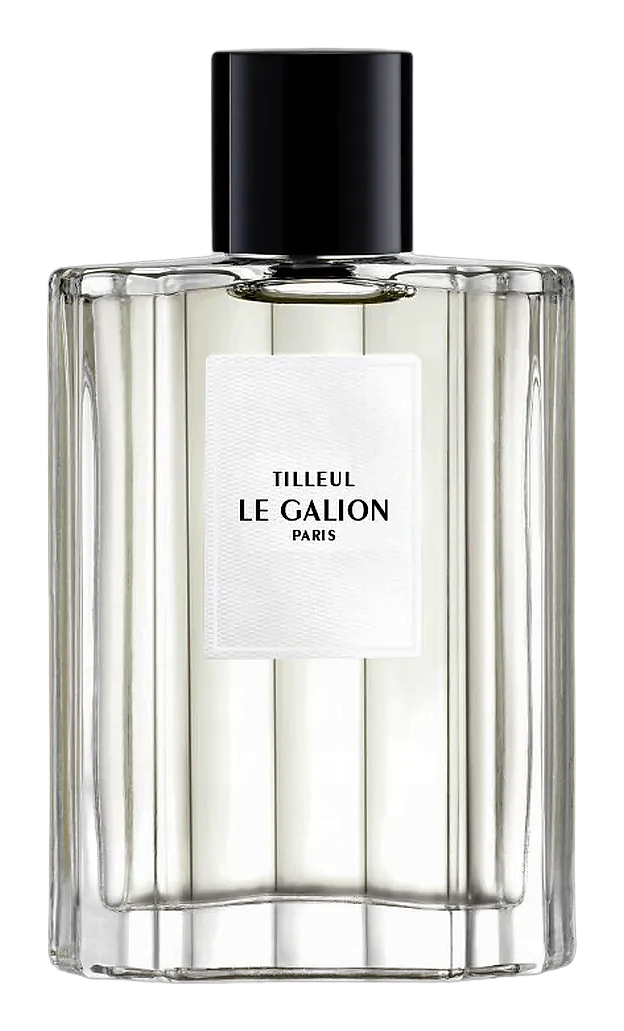
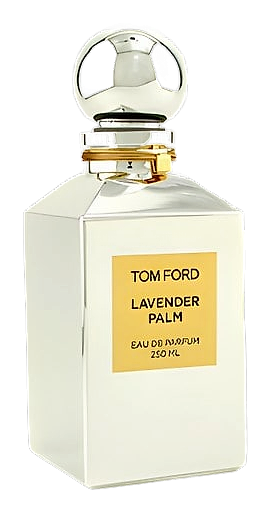
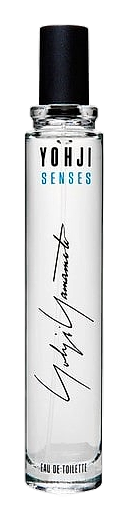
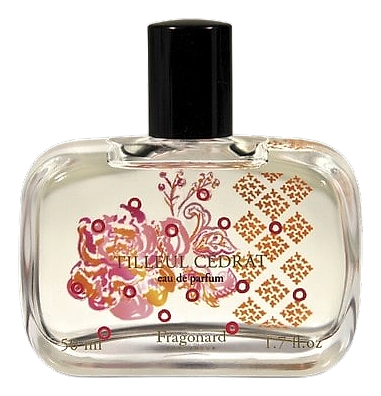
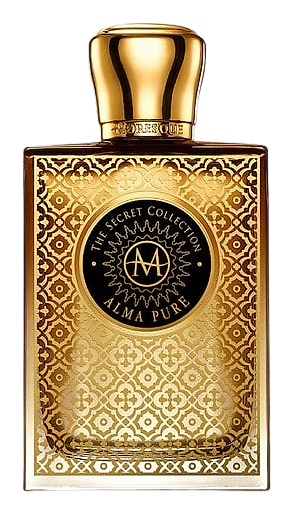
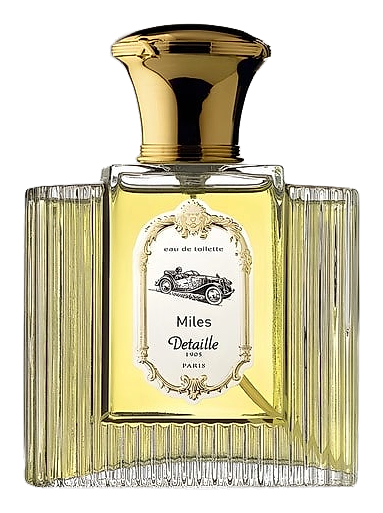
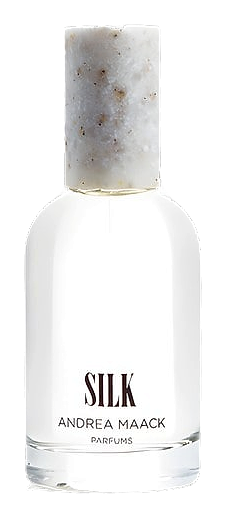
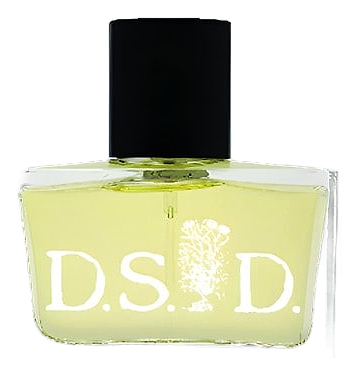
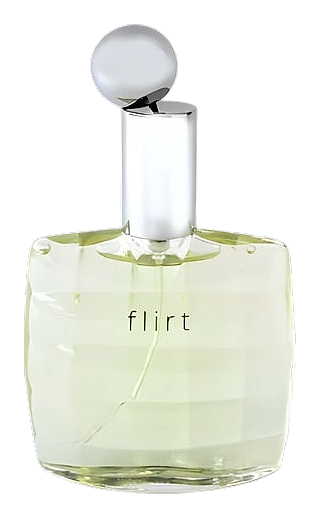
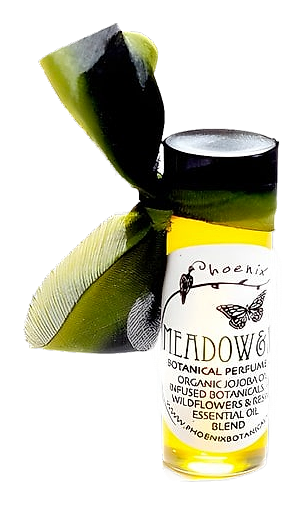
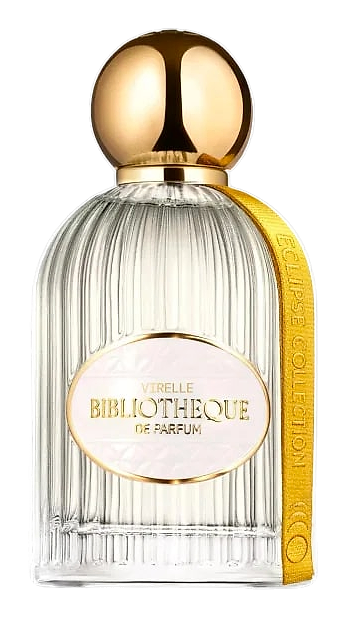
Brands
Brands known for Linden tree
Good to know
Questions, answered
The essentials on Linden tree in perfumery: how it smells, where it comes from, and how it behaves on skin.
Is natural linden common in perfumes?
No. Natural linden absolute is one of perfumery's rarest ingredients. Most fragrances labeled as linden are built with synthetic recreations using compounds like linalool because authentic natural extraction remains extremely limited.
What does linden smell like?
Linden combines honey sweetness with green vegetal notes, soft vanilla warmth, and subtle spicy undertones. It evokes standing beneath a blooming tree in summer—warm, almost tropical, and gently floral.
Can linden be steam distilled?
Steam distillation captures some aromatic compounds but risks losing the delicate top notes that define linden's character. Solvent extraction better preserves the full olfactive profile of the fresh blossom.
Why is natural linden so rare?
Linden trees bloom for only two to three weeks in June, making harvest timing critical. The flowers are fragile, and extraction yields are low, driving up costs. Most producers prioritize synthetic alternatives.
Which classic fragrances feature linden?
Serge Lutens Baies, Diptyque Eau de Lierre, and Guerlain Herba Fresca all incorporate linden or linden-like accords. These compositions aim to capture that honeyed-green character central to the note.
Can I grow linden for fragrance use?
Tilia trees grow well in temperate climates with full sun to partial shade. The tree takes several years to mature before producing significant blooms, and harvest must occur within the narrow June flowering window.
Is linden related to lime or citrus?
No. Despite 'lime blossom' being a common alternate name, linden belongs to the Tiliaceae family and has no botanical connection to citrus. The confusion likely stems from similar common names across European languages.
How should linden be stored?
Store linden absolute in a cool, dark place in a tightly sealed glass container. The delicate aromatics are sensitive to light and heat, which can degrade the scent profile over time.