Lilyflore
Lilyflore captures the crisp elegance of lily of the valley in a laboratory setting. Developed by Firmenich in 1996, this synthetic ingredient delivers the fresh, dewy character of muguet without relying on scarce natural extracts.
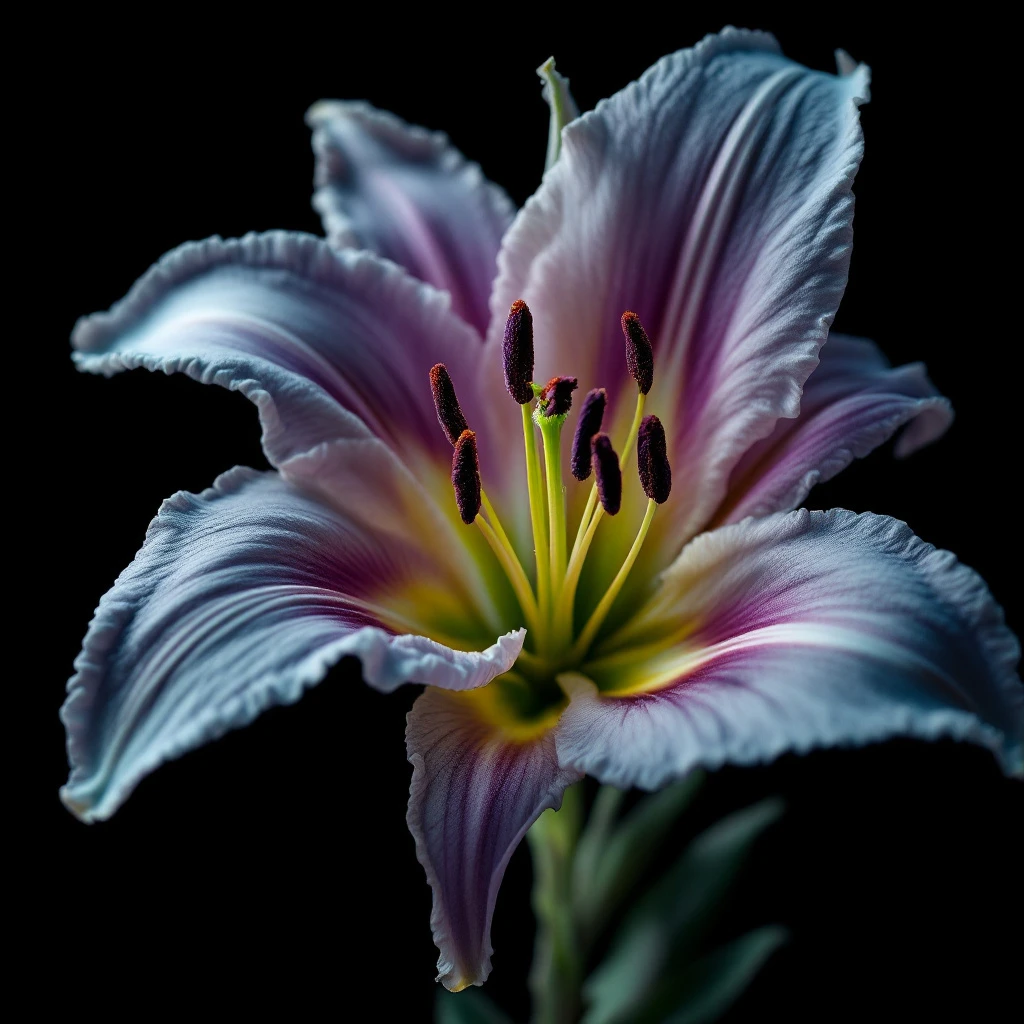
Character
How it smells
The laboratory's answer to spring's most elusive bloom.
Natural lily of the valley yields almost no extractable fragrance oil, making synthetic alternatives like Lilyflore essential for perfumers.



Origin
Switzerland
Before synthetic chemistry, perfumers could not extract usable fragrance from lily of the valley. The flower contains virtually no extractable aromatic compounds, leaving a significant gap in white floral compositions for decades.
In 1996, Firmenich chemist Béat Winter developed Lilyflore as part of the company's Beyond Muguet initiative, an effort to recreate the beauty of natural muguet through molecular design. This discovery arrived during a period of rapid advancement in fragrance chemistry, following the first synthetic florals pioneered in the 1890s.
Lilyflore expanded what perfumers could achieve with white florals, making the lily of the valley note accessible to a wider range of fragrance families. Today it remains a foundational ingredient for modern white floral constructions.
Wears it best
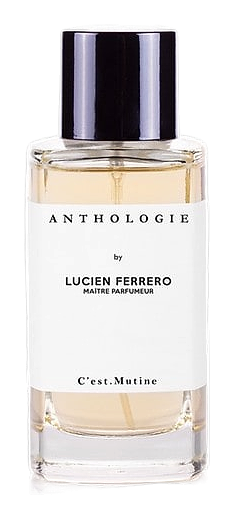
Fragrances featuring Lilyflore
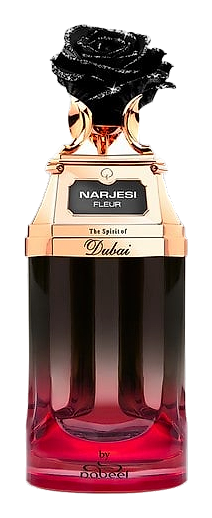
Brands
Brands known for Lilyflore
Good to know
Questions, answered
The essentials on Lilyflore in perfumery: how it smells, where it comes from, and how it behaves on skin.
What is Lilyflore in perfumery?
Lilyflore is a synthetic fragrance ingredient created by Firmenich in 1996. It reproduces the fresh, dewy character of lily of the valley, a flower long considered impossible to extract naturally. The ingredient is part of Firmenich's Beyond Muguet concept, which aimed to recreate muguet's beauty through molecular design.
When was Lilyflore discovered?
Firmenich chemist Béat Winter discovered Lilyflore in 1996. The same chemist also developed Florhydral the same year, another landmark muguet-type ingredient. Both discoveries significantly expanded the perfumer's palette for fresh white floral compositions.
How is Lilyflore produced?
Lilyflore is produced through green synthesis, a sustainable chemical process developed by Firmenich. This method minimizes waste and reduces environmental impact compared to traditional synthetic fragrance production. The result is a consistent, high-quality muguet-type ingredient with a clean olfactory profile.
What does Lilyflore smell like?
Lilyflore presents as a fresh, transparent white floral with delicate green facets and subtle aquatic undertones. The scent evokes the dewy, crisp quality of morning lily of the valley. It reads as clean, bright, and slightly soapy, making it ideal for modern fragrance compositions.
How does Lilyflore differ from natural lily of the valley?
Natural lily of the valley yields almost no extractable aromatic oil, making it one of the most elusive florals in perfumery. Lilyflore solves this problem by delivering the same scent character through synthetic chemistry. The result offers consistent performance that natural extraction simply cannot provide.
What is the typical concentration of Lilyflore in perfumes?
Lilyflore typically appears as part of a fragrance's heart composition at concentrations between 5% and 20% of the concentrate. It performs well in both fine fragrance and functional products. Dosage depends on the desired intensity of the muguet character within the overall formula.
Which fragrances feature Lilyflore?
Lilyflore appears in numerous white floral and fresh fragrance compositions across the market. Firmenich has incorporated it into both designer and niche formulations as part of their Beyond Muguet program. Specific formulations using this ingredient are not always disclosed on consumer-facing fragrance packaging.
What is the chemical name of Lilyflore?
Lilyflore is known chemically as 2,5-dimethyl-2-indan methanol. This molecule delivers the characteristic muguet freshness with notable strength and performance. The indane structure contributes to its stability across different fragrance formats and base chemistries.


