Lemon Candy
Lemon Candy brings the bright, zesty spark of citrus into a sugar-dusted world of playful indulgence. This playful accord captures the joy of citrus drops and hard candy, translating childhood sweetness into a sophisticated adult fragrance context.
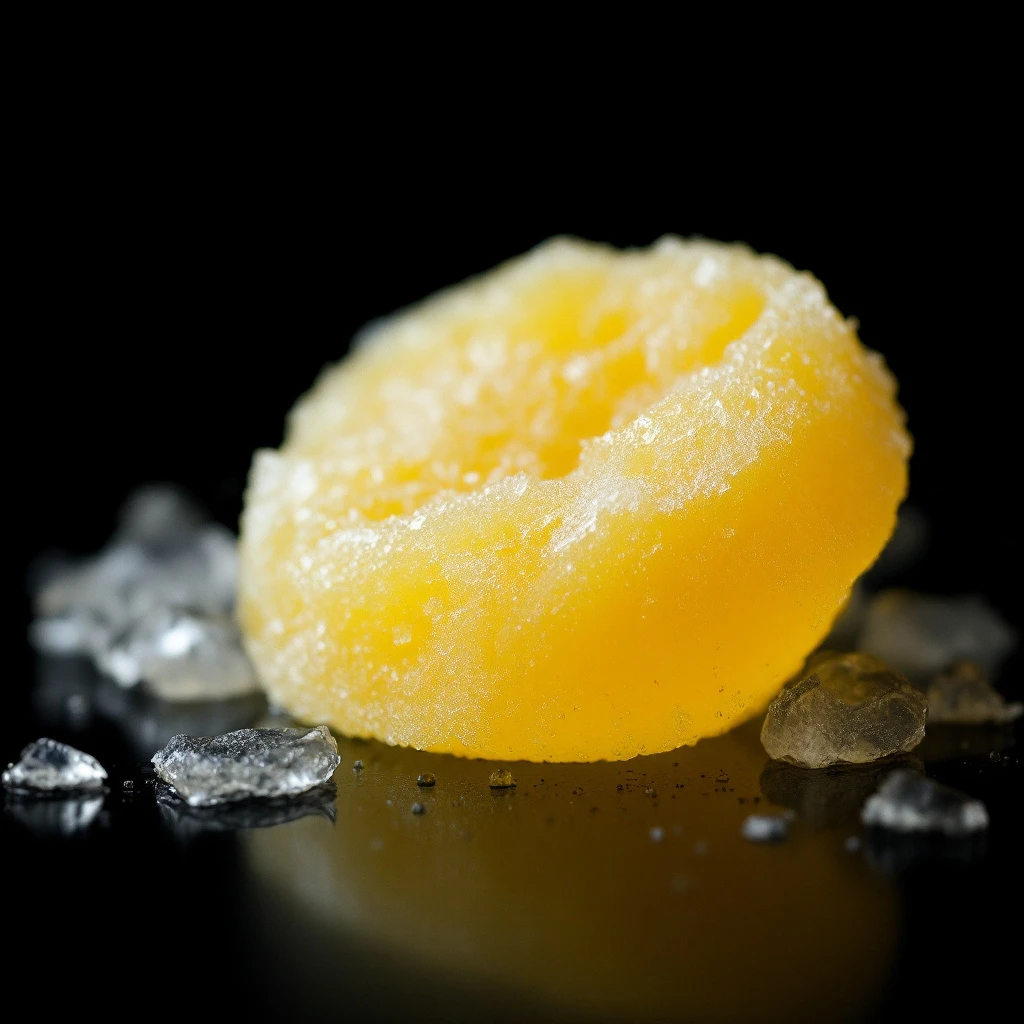
Character
How it smells
Citrus sweetness distilled into wearable joy.
The first lemon-flavored hard candies appeared in 17th-century Italy, when confectioners began sugar-coating citrus rinds.







Origin
France
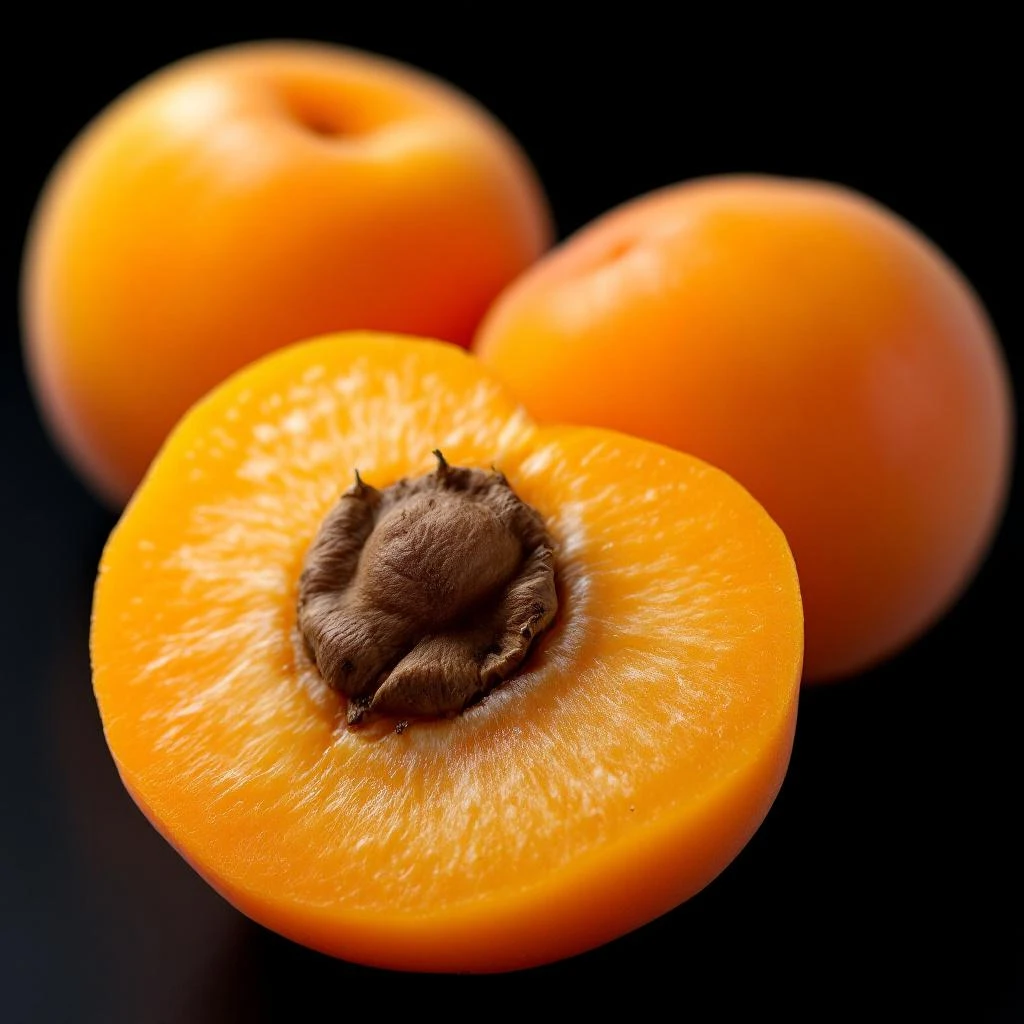
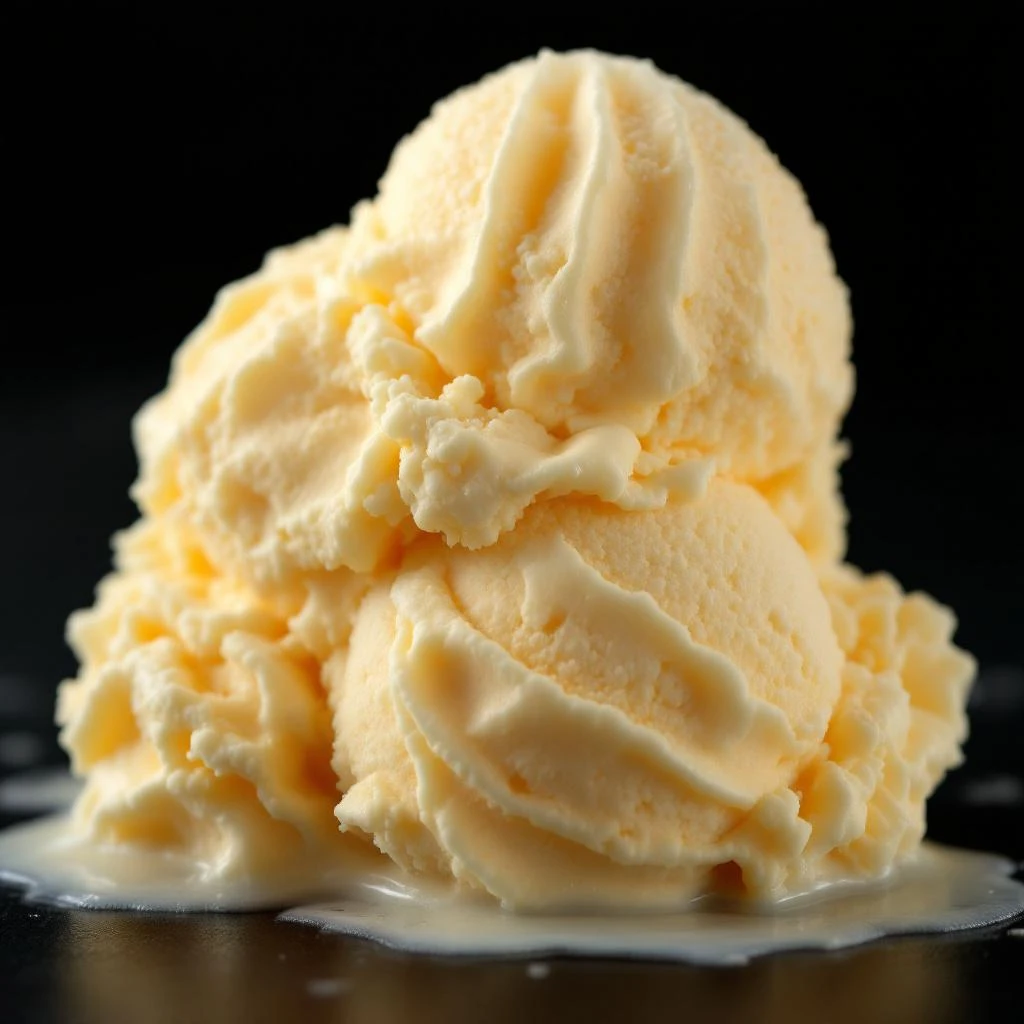
The concept of candied citrus traces back centuries to Mediterranean traditions of preserving lemons in sugar. Italian confectioners of the 1600s created the first lemon drops by coating citrus peels in sugar syrup, establishing a flavor profile that would eventually influence perfumery. When modern fragrance chemistry emerged in the late 1800s, perfumers gained access to synthetic aroma compounds that could recreate and modify natural scents.
This technological leap allowed fragrance creators to imagine olfactory experiences beyond what nature provided directly. The Lemon Candy accord represents a distinctly modern approach: a deliberately constructed fantasy note that captures not a natural material but a beloved confectionery memory. Gourmand perfumery, which embraces food-like notes including candy, flourished particularly in the late 20th century as consumer appetite for playful, accessible fragrances grew.
Today, Lemon Candy appears in countless fragrances as a bridge between bright citrus tradition and contemporary sweetness.
Wears it best
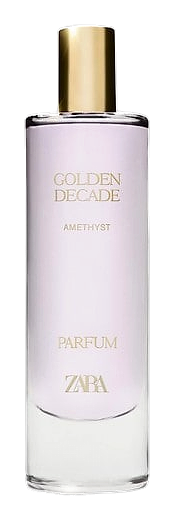
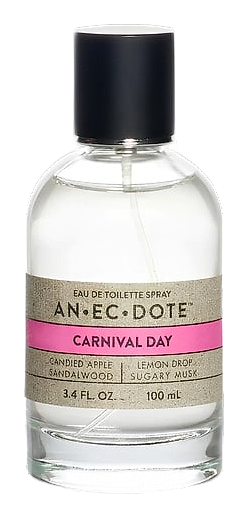
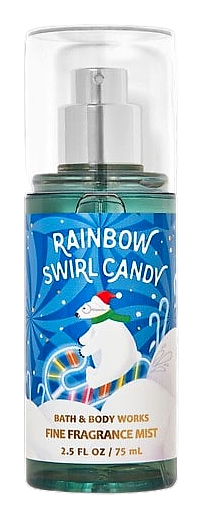
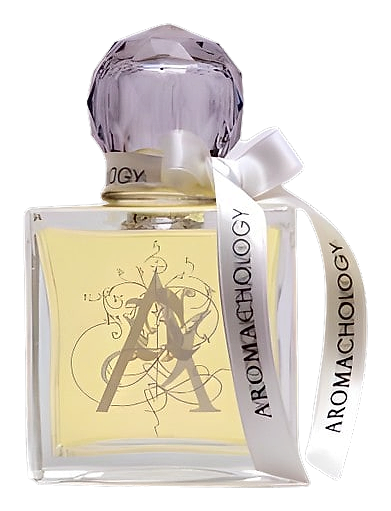
Fragrances featuring Lemon Candy

Brands
Brands known for Lemon Candy
Good to know
Questions, answered
The essentials on Lemon Candy in perfumery: how it smells, where it comes from, and how it behaves on skin.
What is Lemon Candy in perfumery?
Lemon Candy is a synthetic fragrance accord designed to evoke candied lemon. Perfumers combine citrus aroma chemicals with sweet modifiers to create the sensation of lemon drops or sugar-dusted citrus.
Is Lemon Candy a natural ingredient?
No. Lemon Candy is a constructed accord using synthetic aroma chemicals, not an extracted natural material. It mimics the taste and smell of lemon confectionery.
What chemicals create the Lemon Candy effect?
Citral provides the lemon character, while ethyl maltol or vanillin add sugary depth. Citrus aldehydes contribute brightness, and sweet modifiers round the edges for a candy-like finish.
Which perfumes commonly feature Lemon Candy?
Many youthful and gourmand fragrances use this accord. It appears frequently in summer scents, designer fragrances, and playful compositions from brands across the market.
Does Lemon Candy smell like actual candy?
It smells like lemon with pronounced sweetness, similar to lemon hard candy or citrus drops. The citrus remains recognizable but loses natural tartness in favor of sugary appeal.
How long does Lemon Candy last on skin?
As a top-note accord, Lemon Candy typically lingers 30 minutes to 2 hours before gentler heart notes emerge. Citrus sweets fade faster than heavier perfume materials.
Can Lemon Candy be combined with florals?
Yes. Lemon Candy pairs well with white florals like jasmine and tuberose, adding brightness that prevents sweet florals from feeling heavy or cloying.
Why do perfumers use candy-style accords?
Candy accords make fragrances feel approachable and joyful. They bridge the gap between sophisticated perfumery and everyday sensory pleasures, appealing to broad consumer tastes.