Leather Accord
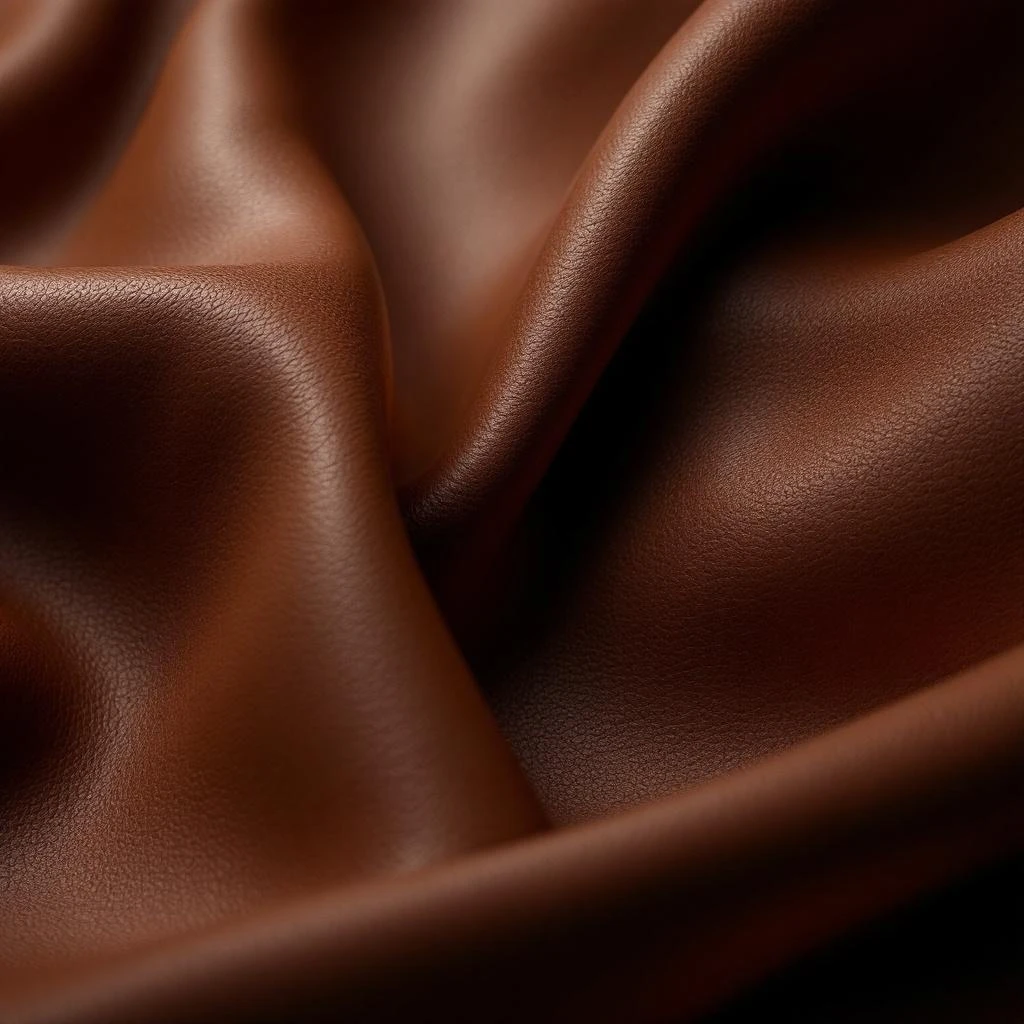
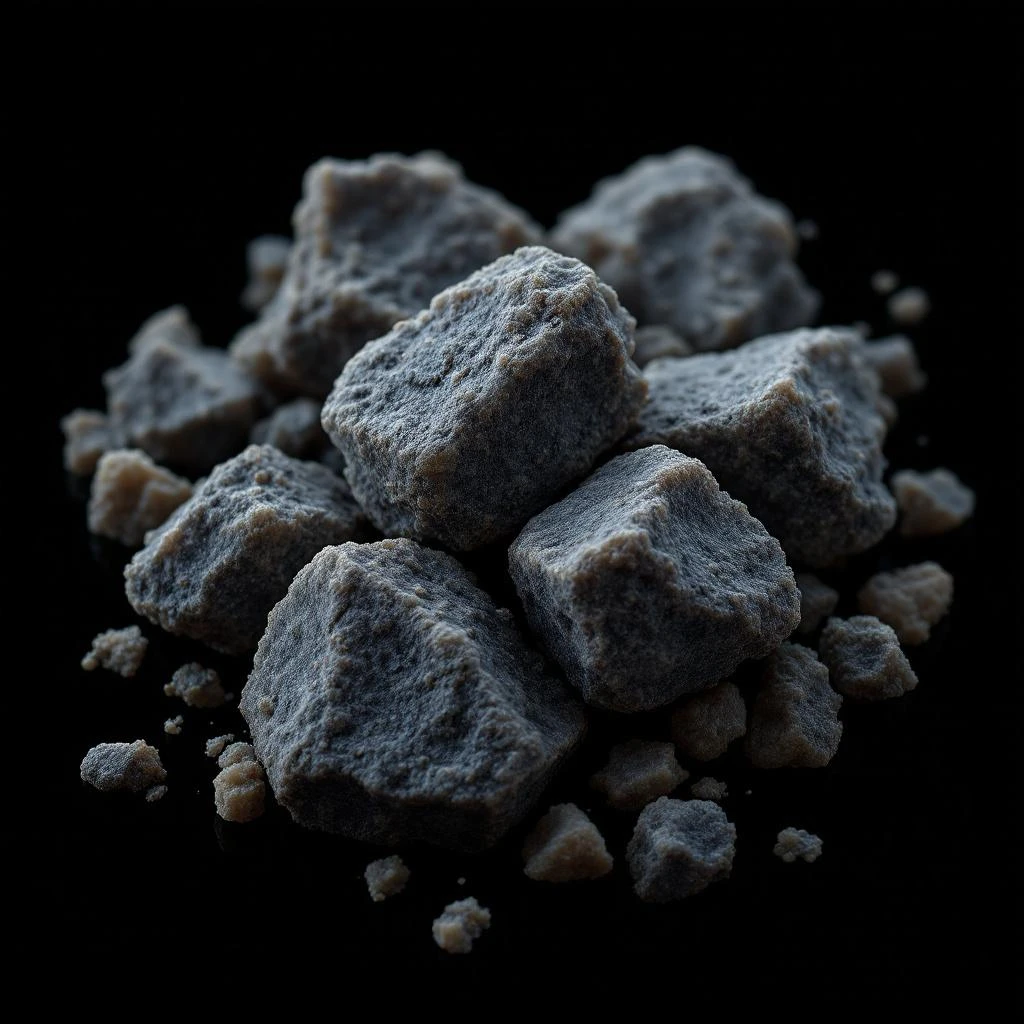
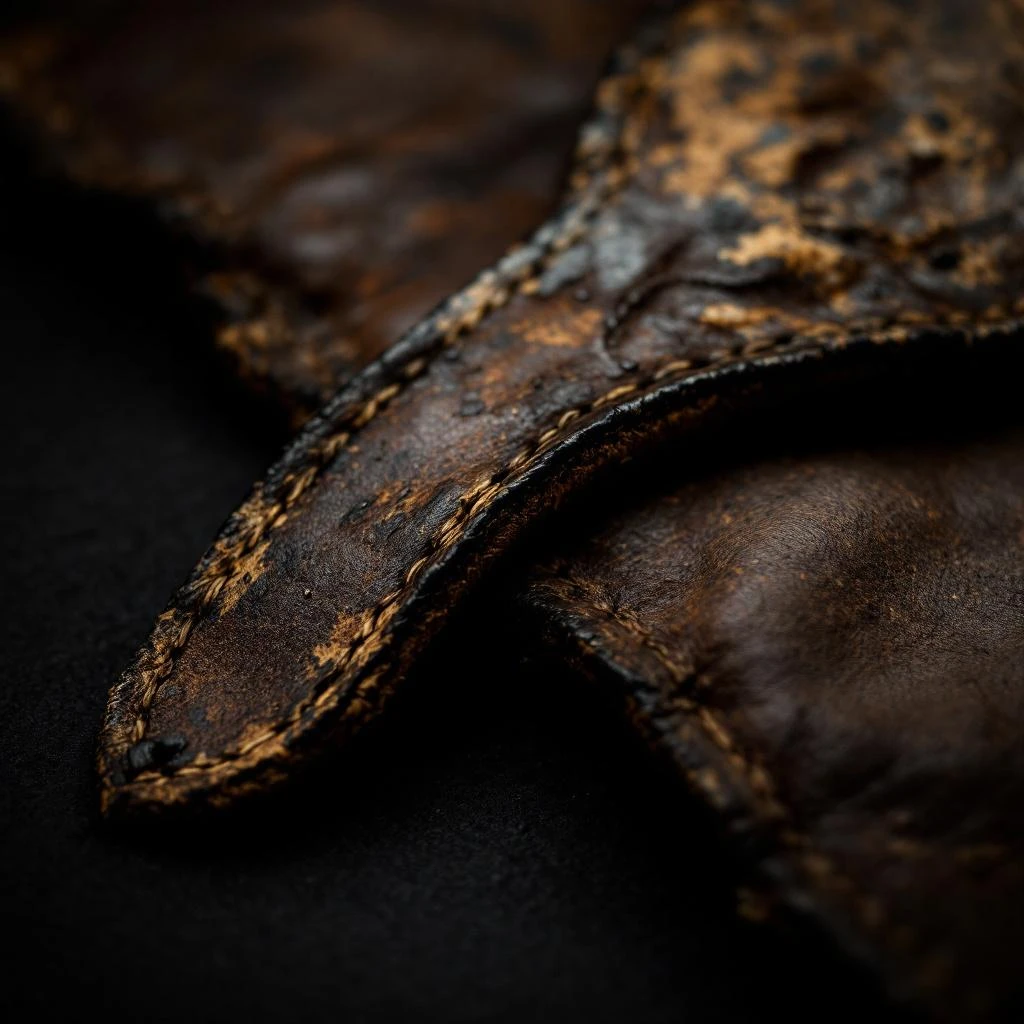
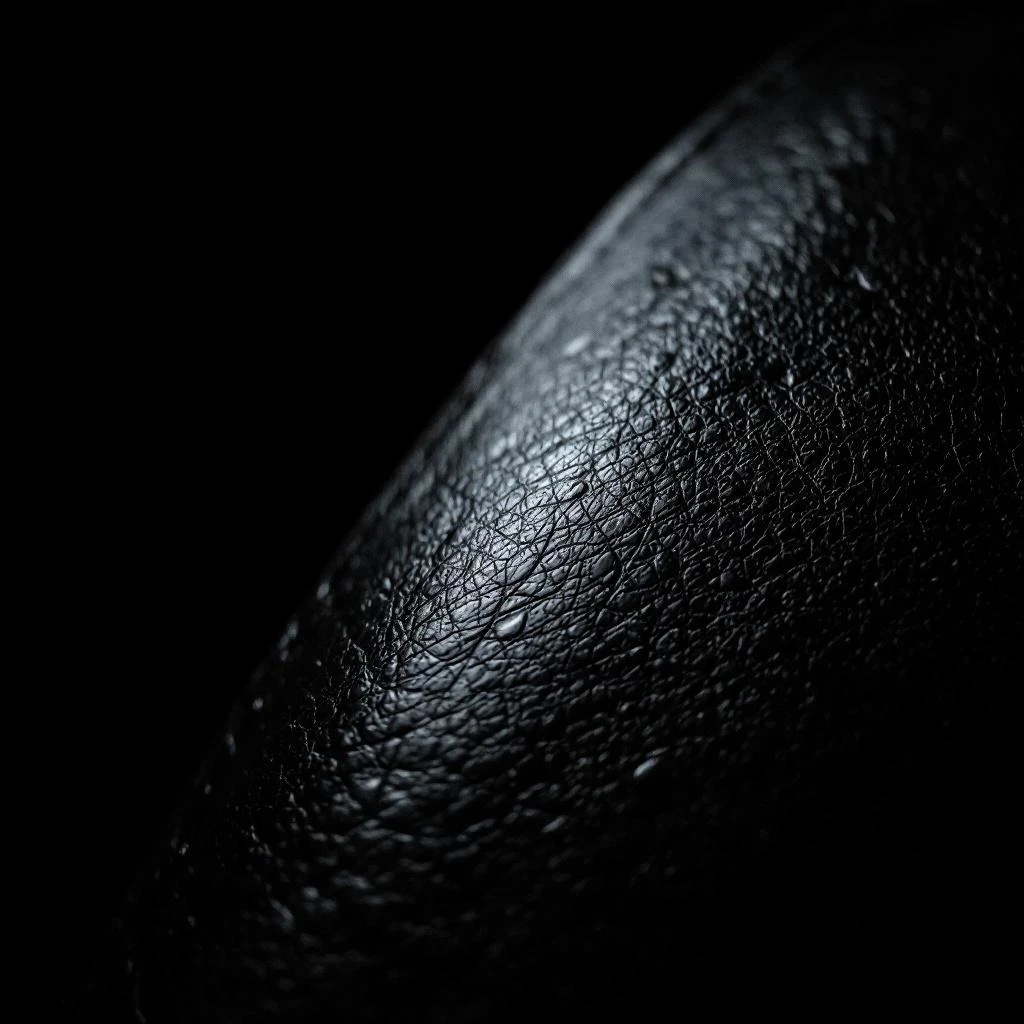
Leather accord recreates the rich, smoky essence of tanned hides through a complex blend of birch tar, cade oil, styrax, and synthetics like isobutyl quinoline. From antique trunks to worn gloves, leather brings rugged sophistication to fragrance.
Character
How it smells
Smoke, tar, and timeless sophistication
Grasse glovers in the 1600s accidentally invented leather perfume when masking harsh tanning odors with floral essences.







Origin
France
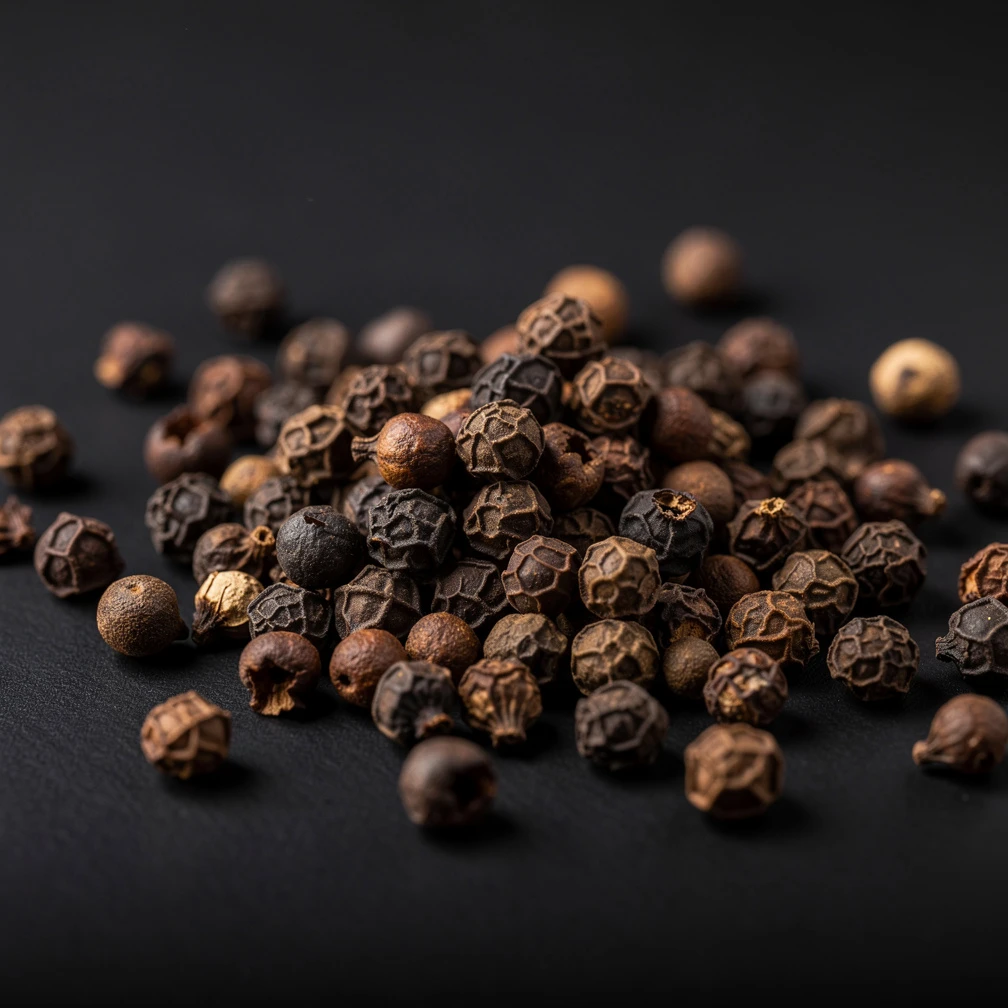
Leather notes emerged from the glove-making trade in 17th-century Grasse, France. Tanners used silver birch bark following the Cossack method to treat skins, creating a distinctive smoky aroma. To mask the harsh odor of tallow-tanned leather, glovers coated their products with floral essences, giving rise to the gantier-parfumeur guild.
These scented gloves became fashionable among European nobility, with King George III later commissioning Creed to transform his beloved glove scent into a wearable fragrance, creating Royal English Leather. Russian soldiers waterproofing their boots with birch bark inspired Chanel's Cuir de Russie in 1924. After 1880s, synthetics like isobutyl quinoline enabled perfumers to construct leather accords with unprecedented precision.
The note peaked in popularity from 1920 to 1960, featured in landmark fragrances like Bandit and Tabac Blond, before evolving into today's diverse interpretations from minimalist white leather to rich, animalic compositions.
Wears it best
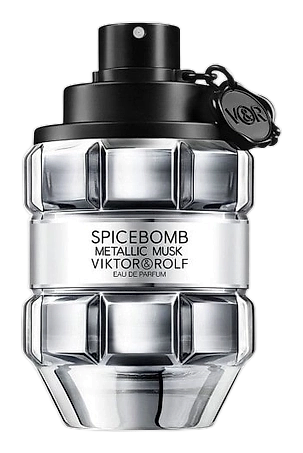
Fragrances featuring Leather Accord
Good to know
Questions, answered
The essentials on Leather Accord in perfumery: how it smells, where it comes from, and how it behaves on skin.
What does leather accord smell like?
Leather accord smells smoky, warm, and animalic with tar-like depth. Birch tar provides dryness, styrax adds balsamic sweetness, and synthetics bring sharp, quinine-like leather impact. The result evokes worn gloves, antique trunks, or polished saddlery.
Is leather in perfume natural or synthetic?
Leather accord is always synthetic or blended, since leather cannot be directly extracted from any plant. Perfumers combine natural materials like birch tar and cade oil with synthetic aromachemicals such as isobutyl quinoline to recreate the scent.
Which classic fragrances defined leather?
Chanel Cuir de Russie (1924) set the standard using birch tar for a smoky, aristocratic character. Robert Piguet's Bandit (1944) pushed leather into the avant-garde, while Caron Tabac Blond (1919) paired it with tobacco for bold masculinity.
When did leather notes peak in popularity?
Leather accord was most popular from 1920 to 1960, appearing prominently in both women's and men's fragrances. The note declined in mainstream perfumery after the 1960s but experienced a renaissance in niche fragrances from the 2000s onward.
Can leather accord be vegan?
Yes. Perfumers can construct entirely plant-based leather accords using birch tar, cade oil, styrax, Peru balsam, and other botanical extracts. Synthetic aromachemicals also provide vegan alternatives to animal-derived leather materials.
What fragrance families pair well with leather?
Leather harmonizes with chypres, orientals, and fougeres. Florals gain depth when contrasted against leather bases. Woods, tobacco, spices, and dark fruits enhance leather's warmth and smoky character.
Why does birch feature so prominently in leather accord?
Birch tar replicates the scent of traditional Russian leather, which Cossack soldiers created by waterproofing boots with birch bark. This smoky, tar-like quality became the definitive leather note in early 20th-century perfumery.
What is the difference between leather and suede notes?
Leather notes tend toward smoky, tarry, and animalic qualities with structural weight. Suede interpretations soften these edges, emphasizing velvety, warm, and slightly sweet aspects that evoke worn nubuck or soft glove leather.