Lavandin
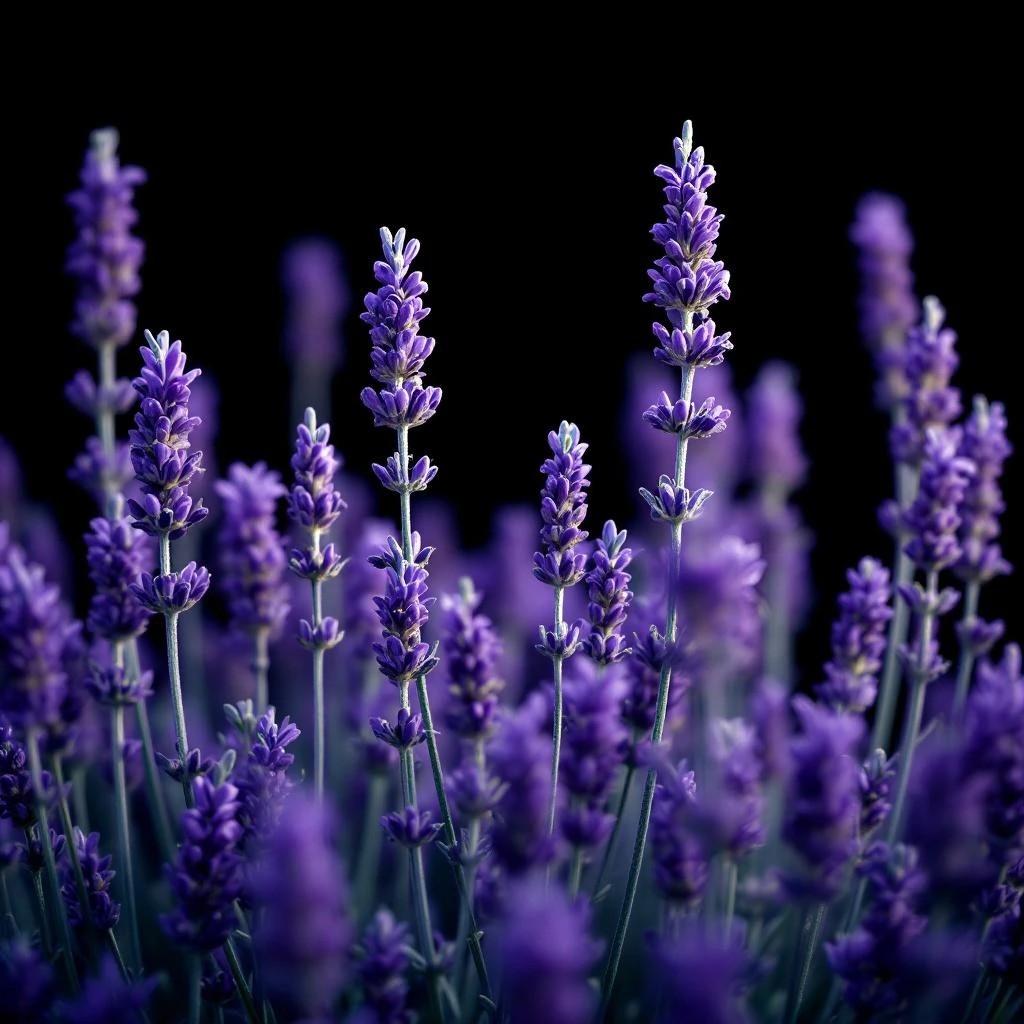
Lavandin is a natural hybrid of true lavender and spike lavender, cultivated on Provençal plateaus since the 1920s. Its oil delivers a sharper, cineole-rich herbaceousness that brings depth and durability to fougère and aromatic compositions.
Character
How it smells
Provence's robust lavender, built for fougère and aromatic perfumery.
Lavandin plants produce up to five times more essential oil than true lavender, making them a cost-effective and sustainable option for fragrance production.


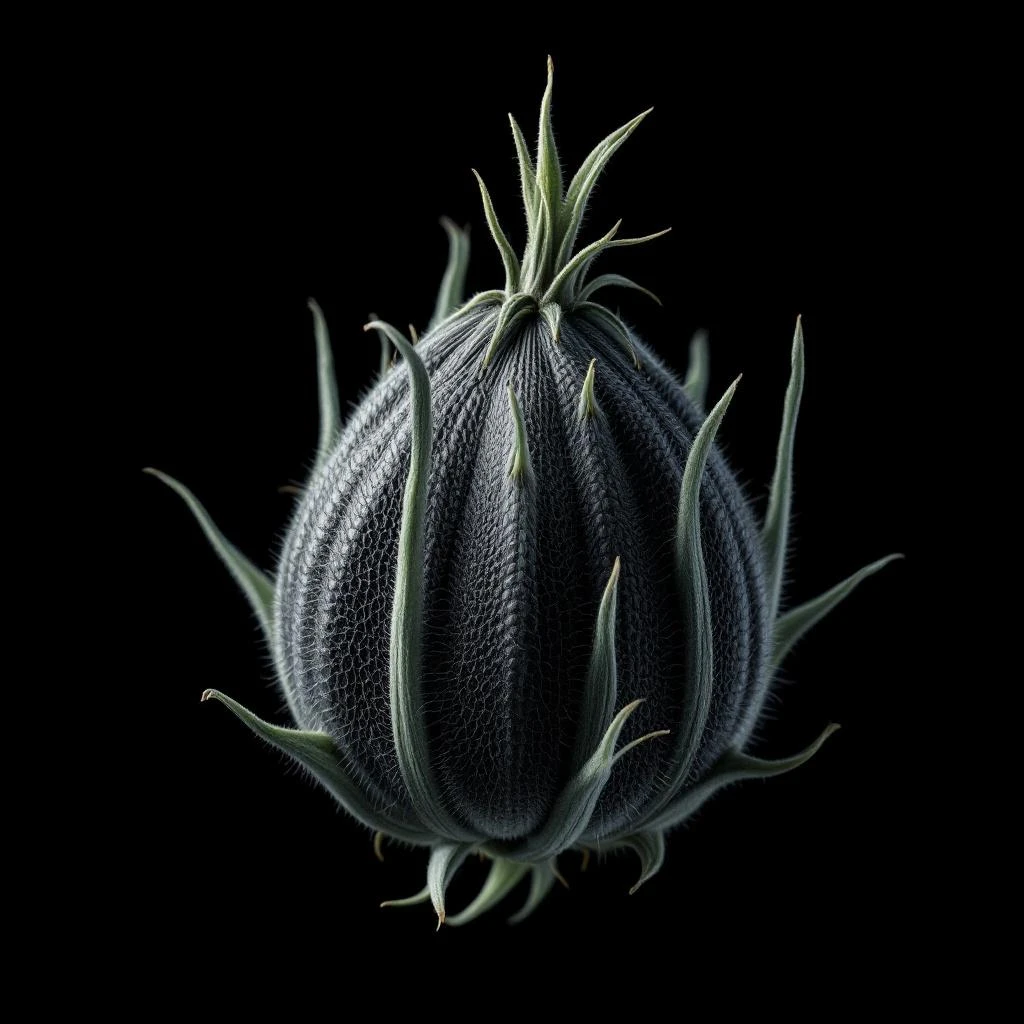
Origin
France
Lavandin arose naturally where true lavender and spike lavender grew side by side on Provençal plateaus. Growers identified this hybrid for its superior hardiness and began cultivating it systematically in the 1920s to meet rising perfume industry demand. Unlike true lavender requiring altitudes above 600 meters, lavandin thrives from sea level, opening cultivation to wider regions.
The hybrid quickly became indispensable in masculine fragrance bases, aromatic compositions, and fougère structures that had defined Western perfumery since the 18th century. French production has maintained its reputation despite competition from China and other cultivation regions, thanks to the unique terroir of the Provençal plateau.
Wears it best
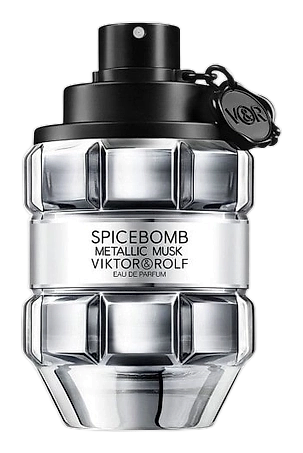
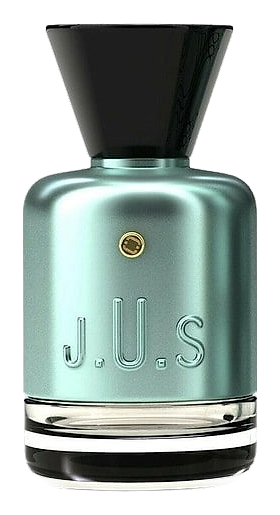
Fragrances featuring Lavandin
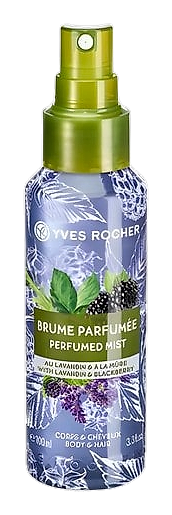
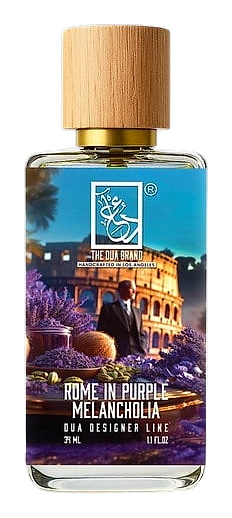
Brands
Brands known for Lavandin
Good to know
Questions, answered
The essentials on Lavandin in perfumery: how it smells, where it comes from, and how it behaves on skin.
Is lavandin a natural or synthetic ingredient?
Lavandin is a natural hybrid. It occurred spontaneously when true lavender (Lavandula angustifolia) cross-pollinated with spike lavender (Lavandula latifolia). Growers subsequently selected and propagated desirable specimens, but no synthetic creation was involved.
How does lavandin differ in scent from true lavender?
Lavandin carries a more powerful, cineole-forward aroma. True lavender offers subtle, elegant fragrance preferred in fine perfumery. Lavandin provides sharper, more assertive herbaceousness with woody undertones that performs well in functional applications.
What gives lavandin its characteristic scent profile?
Lavandin contains naturally higher camphor content than true lavender. This compound contributes to its stronger, more penetrating aroma. The essential oil also includes linalool, limonene, and geraniol, which appear on EU allergen declaration lists.
How do perfumers extract lavandin essential oil?
Steam distillation is the standard extraction method. Distillers pass hot steam through dried lavandin flowers, vaporizing the oil compounds. The vapor condenses, separating the essential oil from the hydrosol. This technique preserves the herbaceous-cineole character.
What fragrance families use lavandin most frequently?
Lavandin appears most often in fougère and aromatic compositions, particularly masculine fragrances. It also features in woody and citrus blends. Perfumers deploy it as a top to middle note that introduces cooling, herbaceous freshness to a structure.
Why do many mass-market fragrances use lavandin instead of true lavender?
Lavandin costs significantly less. Plants yield up to five times more essential oil than true lavender per harvest. This higher productivity makes lavandin economical for large-volume functional fragrance production in soaps, deodorants, and candles.
Where does commercial lavandin cultivation originate?
The hybrid emerged on the dry plateaus of Provence, France. Growers began cultivating it there in the 1920s. Today, the region remains the primary source of premium lavandin oil, with the Grosso cultivar dominating commercial production.
Is lavandin more sustainable to cultivate than true lavender?
Yes. Lavandin demonstrates superior disease resistance and drought tolerance compared to true lavender. Its higher oil yield per hectare makes land use more efficient. The hybrid tolerates lower altitudes, reducing water requirements for irrigation.