Ciste Labdanum
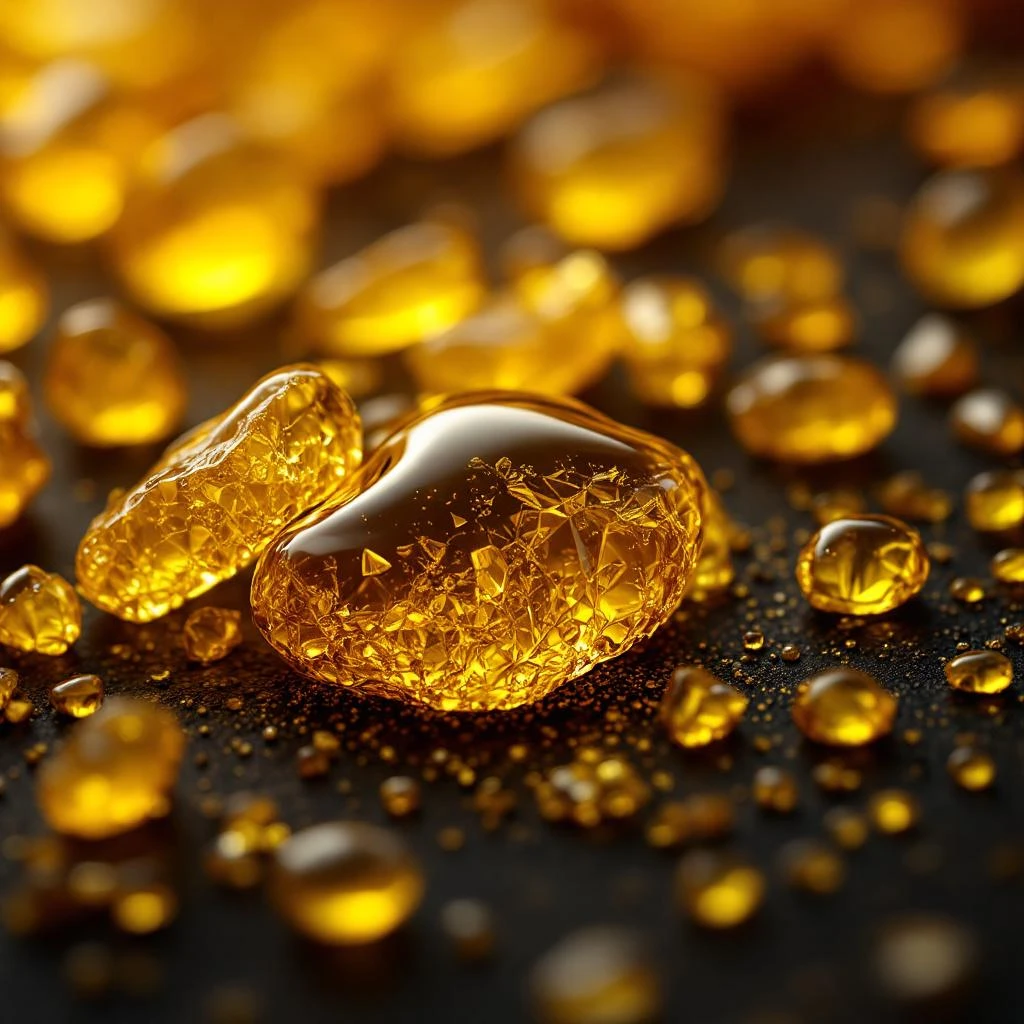
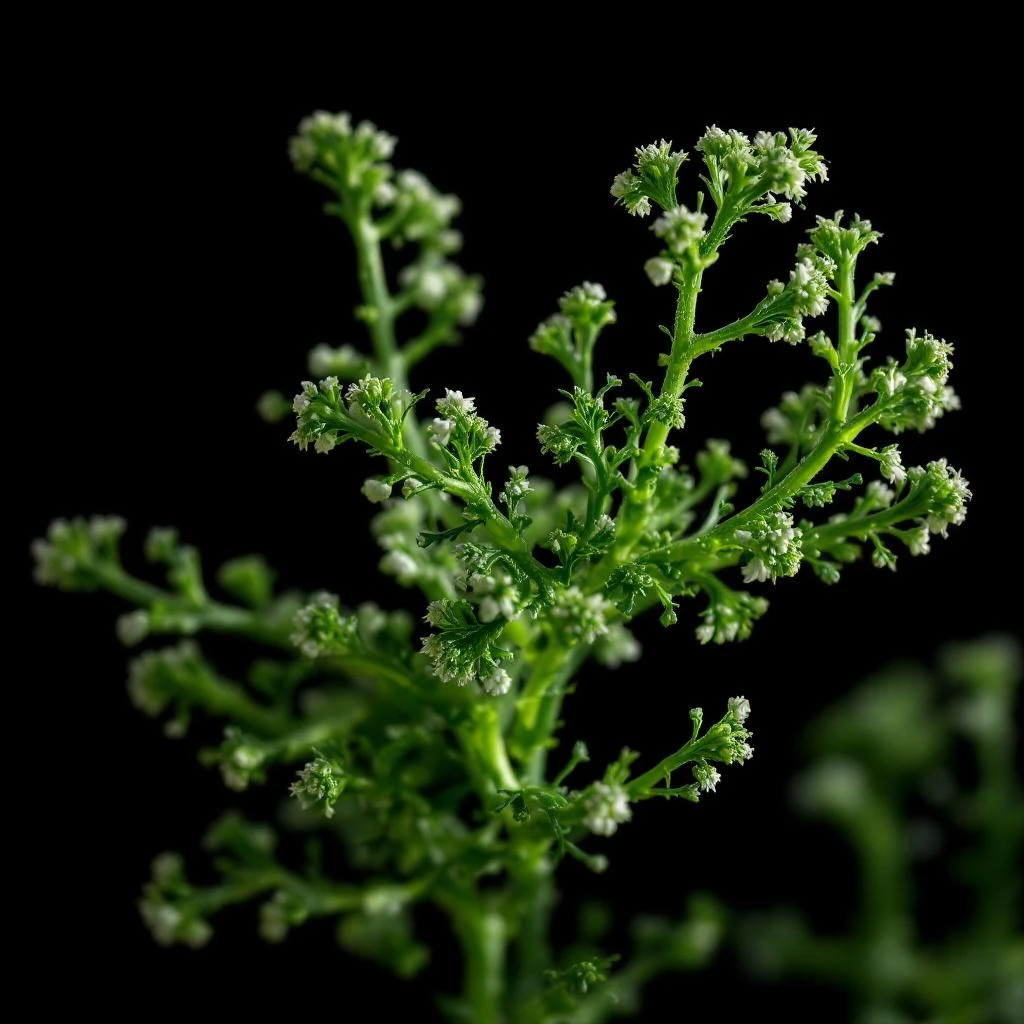
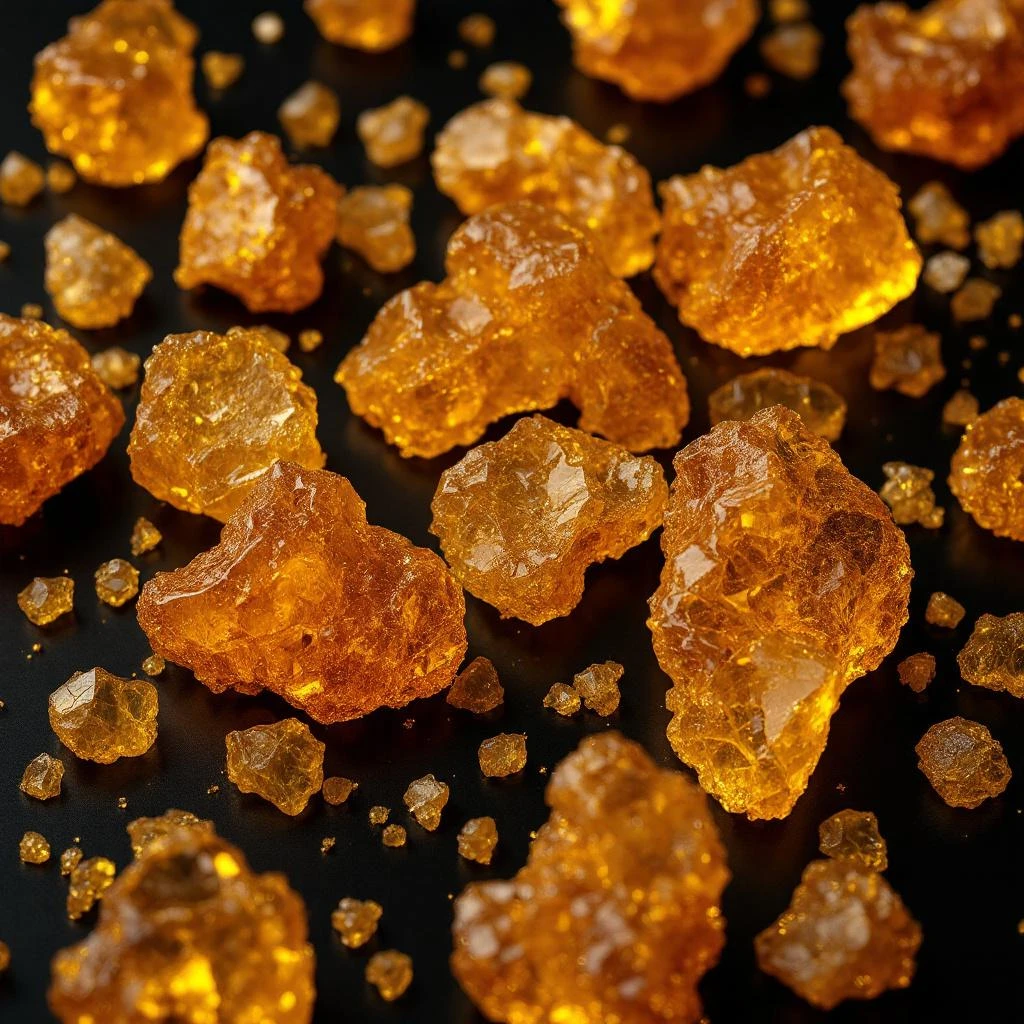
Ciste Labdanum is a precious resinous absolute extracted from the gum secreted by Cistus ladaniferus shrubs in summer heat. Revered for 3,000 years, it delivers an intensely warm, balsamic amber profile with spicy, leathery, and honeyed nuances. This natural fixation anchors fragrance compositions with exceptional longevity and animalic depth.
Character
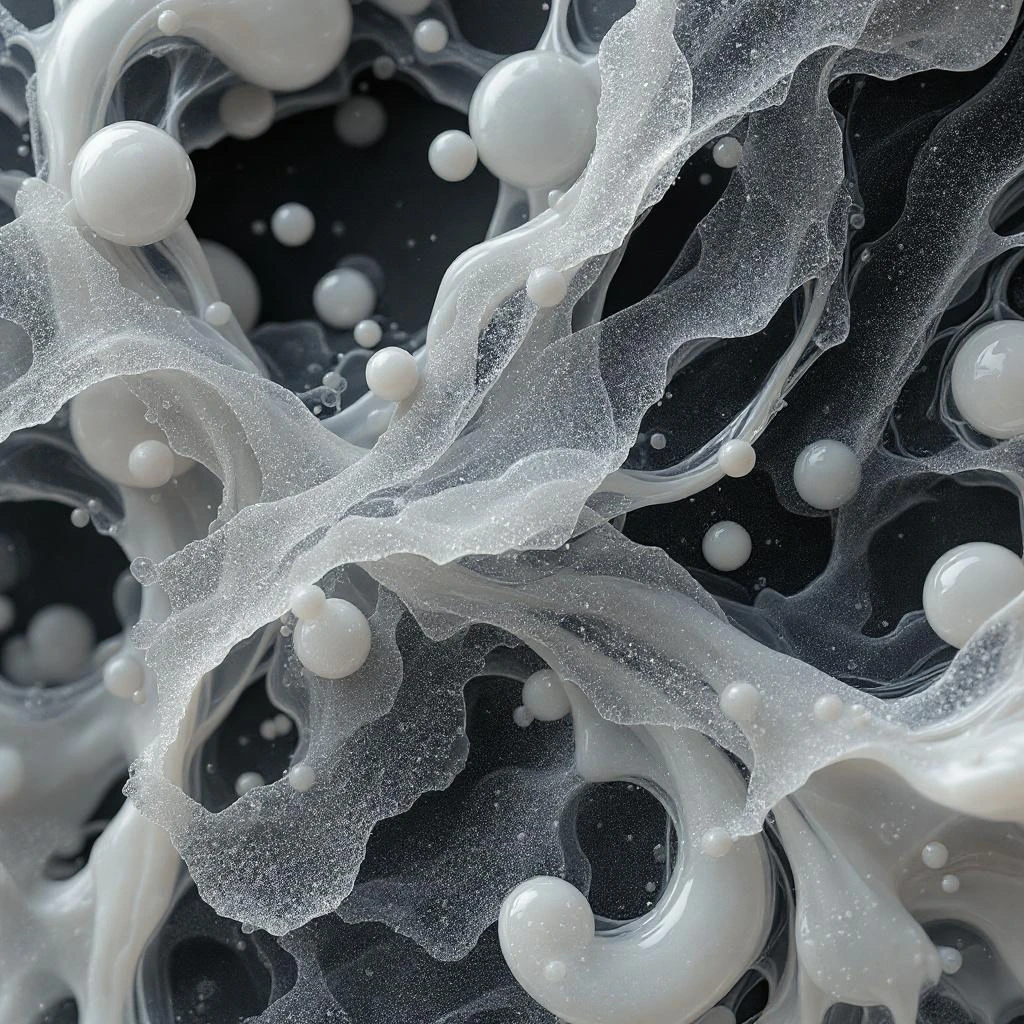
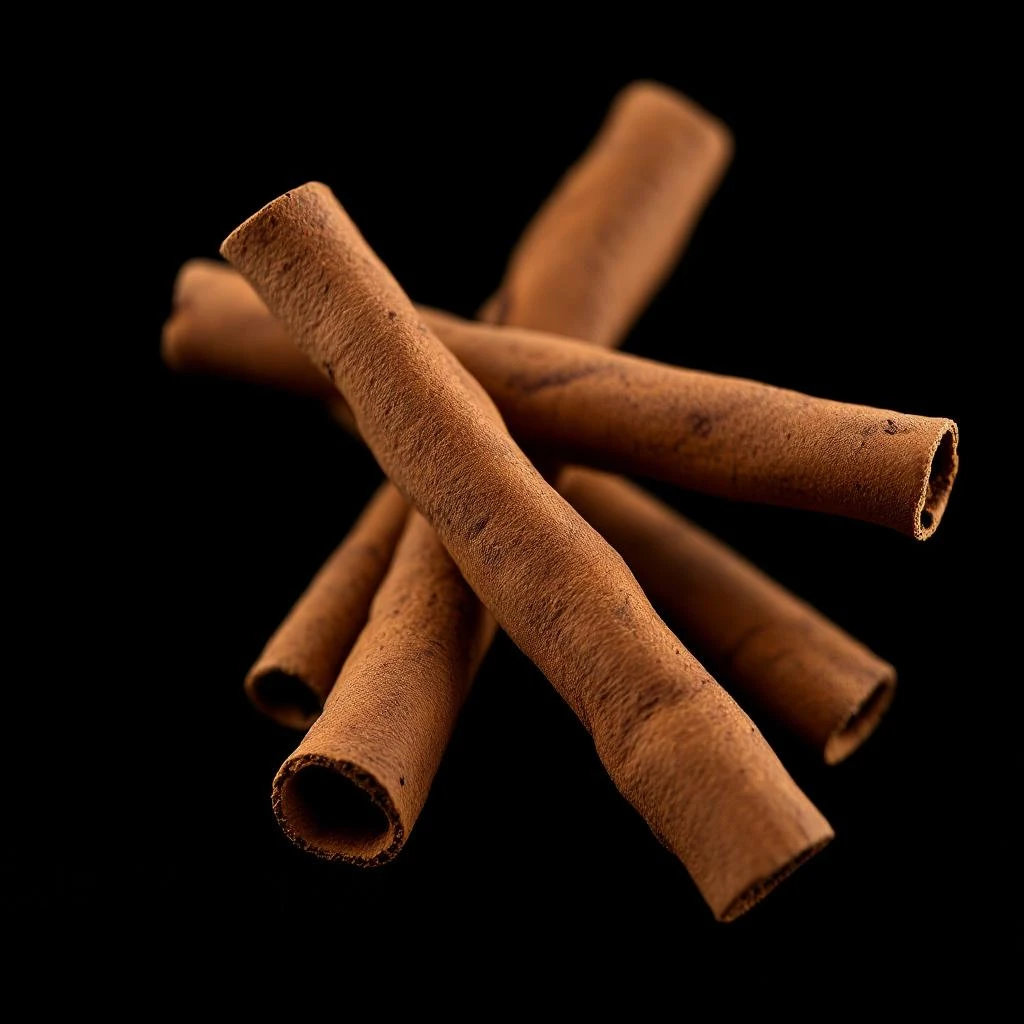
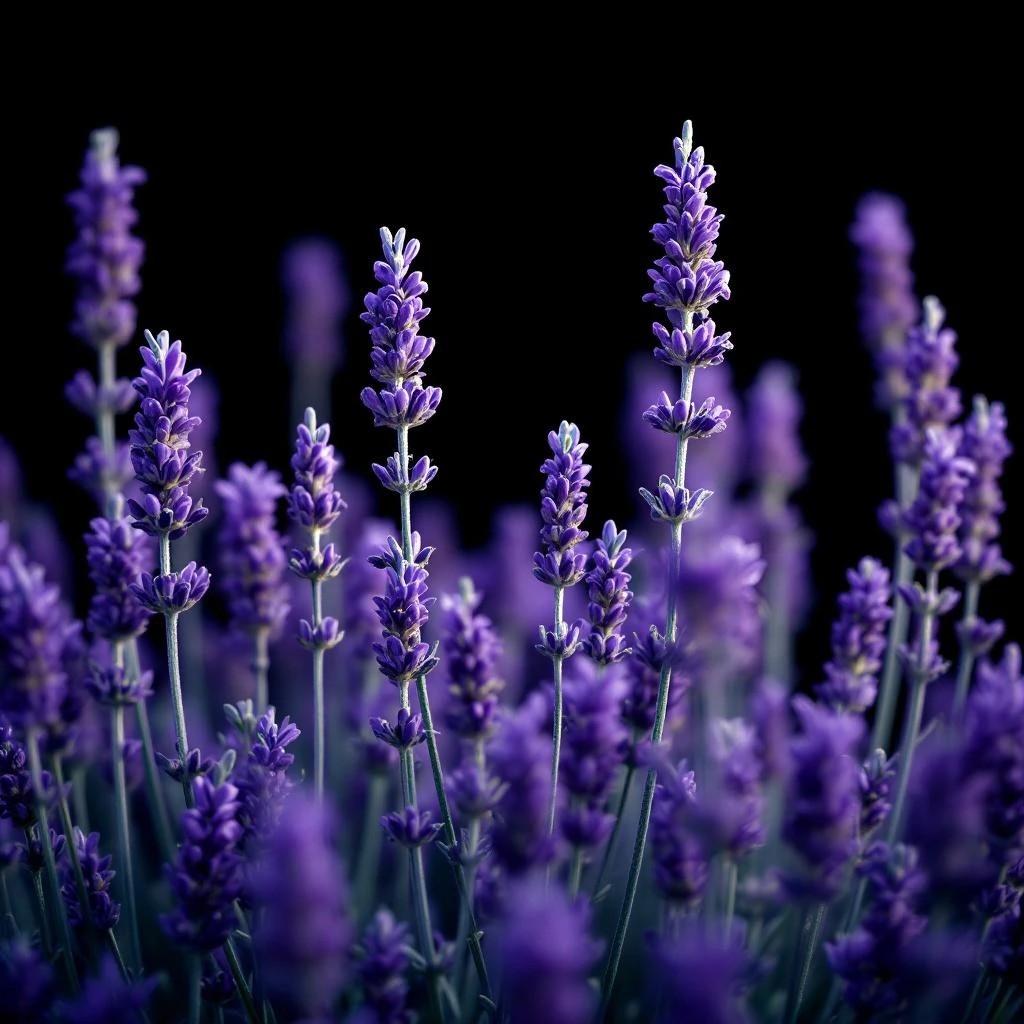
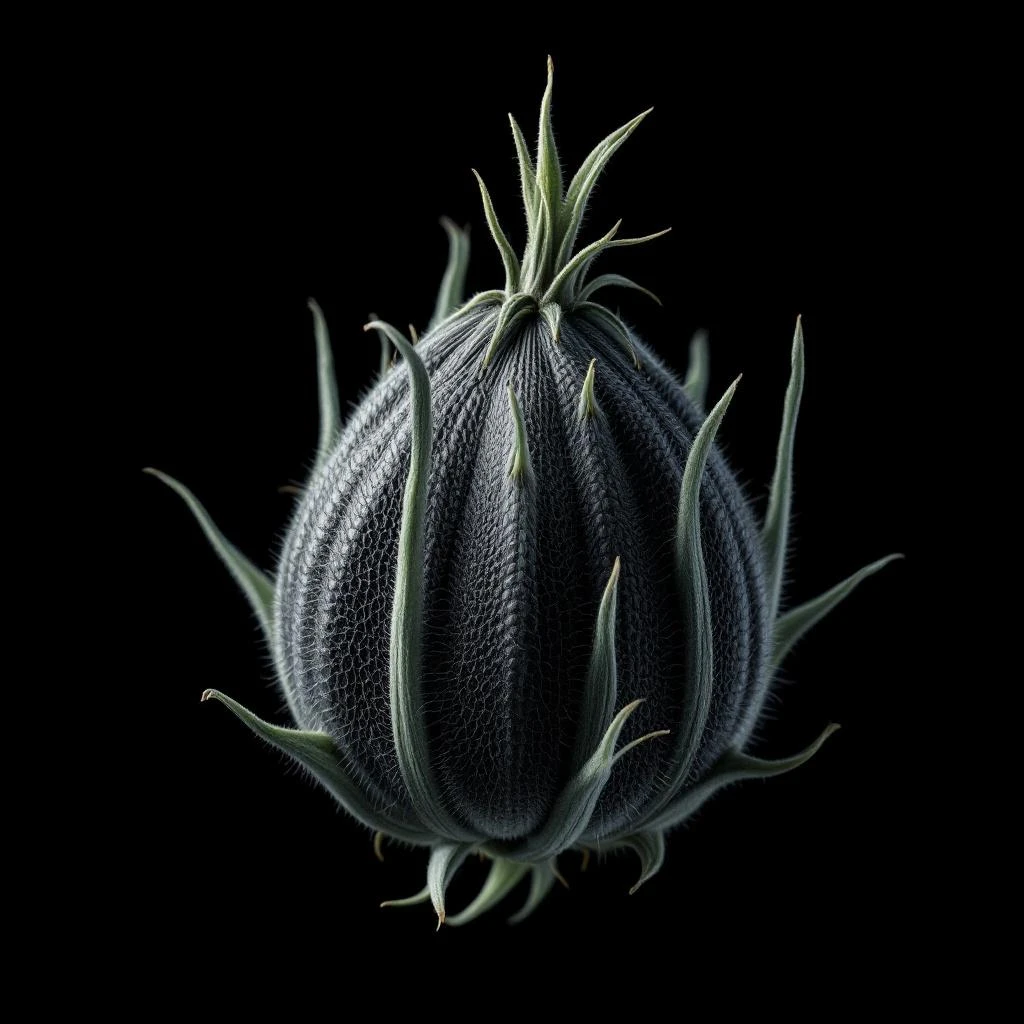
How it smells
Ancient resin, modern luxury: the amber that time forgot.
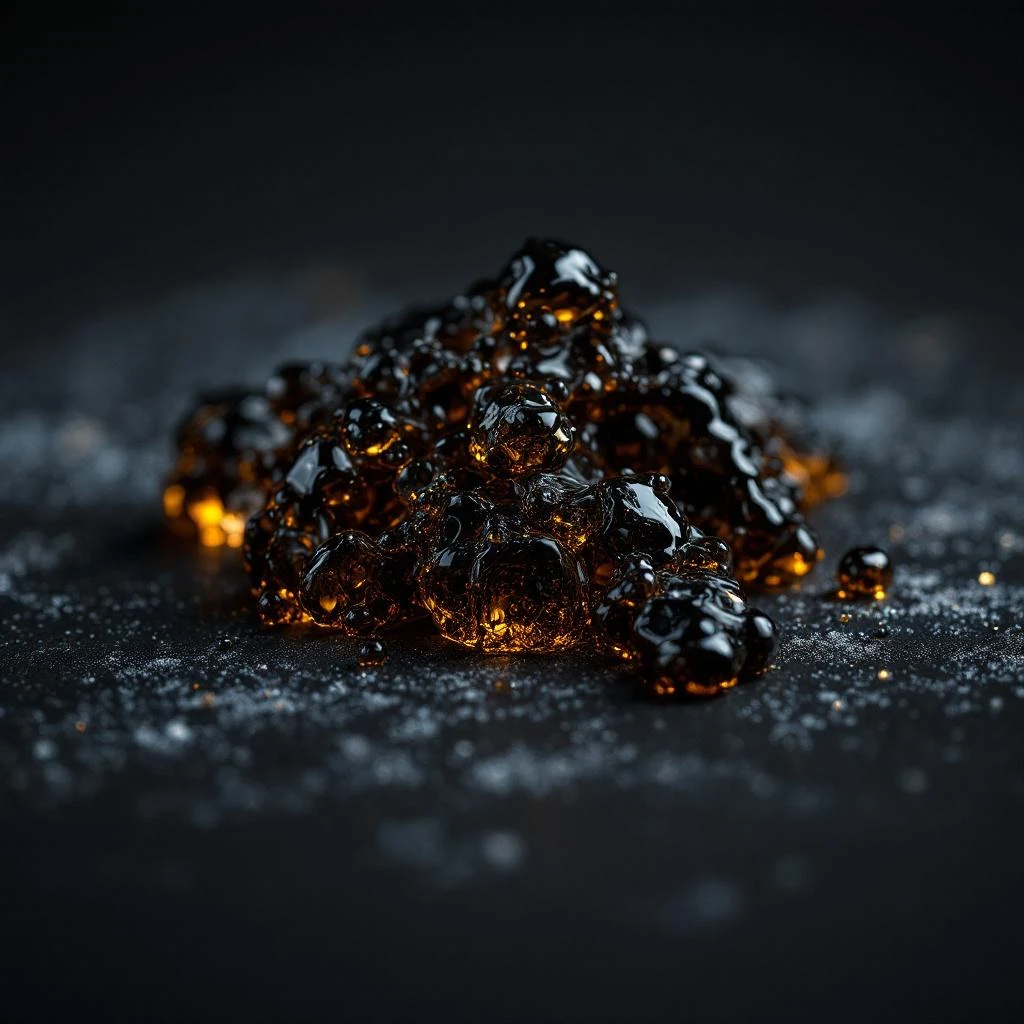
Ancient shepherds in Egypt and Carthage combed labdanum directly from the fur of goats and sheep that grazed on cistus shrubs, forming the sticky resin into prized amber balls.


Origin
Spain
Labdanum has been coveted since antiquity. Ancient texts mention Ladanum resin as a prized incense, and Egyptian pharaohs reportedly wore false beards soaked in labdanum-scented preparations. Shepherds discovered the resin naturally adhering to goats and sheep browsing cistus shrubs, harvesting it with special combs as amber balls.
The crimson stains on the flower petals, lasting just two days before wilting, earned the name Christ's tears in Andalusian folklore. Beyond perfumery, labdanum served medicinal purposes: antiseptic, astringent, and remedies for bronchial and skin conditions. Its fragrance was believed to ward off malevolent spirits, with wearers dabbing it on wrists as spiritual protection.
Today, the plant remains woven into Puebla de Guzmán's heritage, embroidered onto the Virgin de la Peña's mantle during the annual Romería.
Wears it best
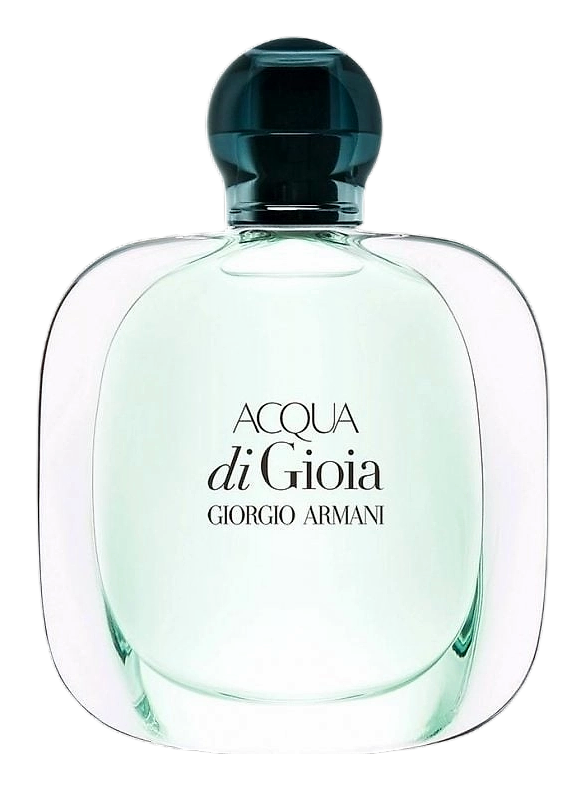
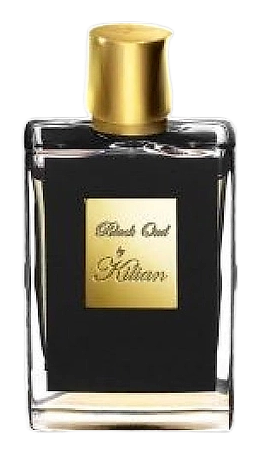
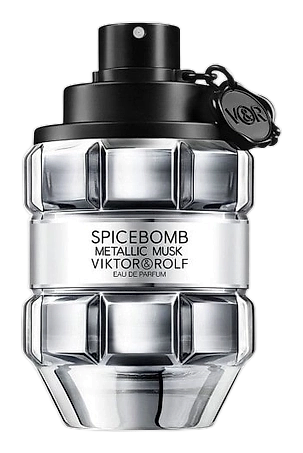
Fragrances featuring Ciste Labdanum
Brands
Brands known for Ciste Labdanum
Good to know
Questions, answered
The essentials on Ciste Labdanum in perfumery: how it smells, where it comes from, and how it behaves on skin.
What does Ciste Labdanum smell like in perfume?
Ciste Labdanum presents an intensely warm, balsamic amber character with spicy, leathery, and honeyed undertones. Perfumers detect subtle plum and floral nuances alongside deep resinous warmth. Its sillage is exceptional, projecting an animalic depth often compared to ambergris.
Why is Ciste Labdanum used in perfumery?
Ciste Labdanum serves as a natural fixative that extends fragrance longevity on skin, often lasting 8+ hours. Its complex balsamic profile adds depth to amber, chypre, and oriental compositions. The resinous, animalic facets create an olfactory signature that conveys warmth, sensuality, and timeless elegance.
Is Ciste Labdanum in perfume natural or synthetic?
Authentic Ciste Labdanum is 100% natural, extracted from Cistus ladaniferus shrubs via volatile solvents. Synthetic alternatives exist but lack the multifaceted depth of the natural material. Look for 'labdanum absolute' or 'cistus absolute' on ingredient lists to confirm natural origin.
What famous perfumes contain Ciste Labdanum?
Ciste Labdanum features prominently in iconic fragrances like Amouage Jubilation XXV, Serge Lutens Ambre Sultan, and Parfums de Marly Layton. It appears across genders in orientals, chypres, and leather fragrances. Niche houses particularly favor this ingredient for its authentic, long-lasting amber character.
Is Ciste Labdanum a top note, heart note, or base note?
Ciste Labdanum functions as a base note due to its exceptional fixative properties and slow evaporation. Applied in fragrance dry-down, it anchors compositions for 6-12 hours. A small percentage (2-5%) suffices to extend the lifespan of lighter top and heart notes throughout the wear.
What notes pair well with Ciste Labdanum in perfume?
Ciste Labdanum harmonizes with warm woods like sandalwood and cedar, resinous materials including frankincense and myrrh, and oriental staples such as vanilla, benzoin, and tonka bean. It balances beautifully with bright citruses and florals, adding depth without overwhelming delicate companions.
How is Ciste Labdanum extracted?
Harvesters cut gum-coated branches from July to October, then process them using volatile solvent extraction. This method dissolves the resinous compounds, yielding a concrete that is further processed into resinoid and absolute. Alternative steam distillation of twigs produces a lighter essential oil marketed as Cistus.
Is Ciste Labdanum used in men's or women's fragrances?
Ciste Labdanum is gender-neutral, appearing extensively in both masculine and feminine compositions. Its warm, resinous character complements traditionally masculine leather and fougère structures, while adding sensuality and depth to feminine oriental and floral fragrances. Modern perfumery treats it as universally elegant.