La Réunion Cinnamon Absolute
From the volcanic slopes of La Réunion, this absolute captures the island's legendary spice in concentrated form. Its warm, multifaceted aroma brings immediate depth to any fragrance composition.
Character
How it smells
Volcanic warmth distilled into every drop.
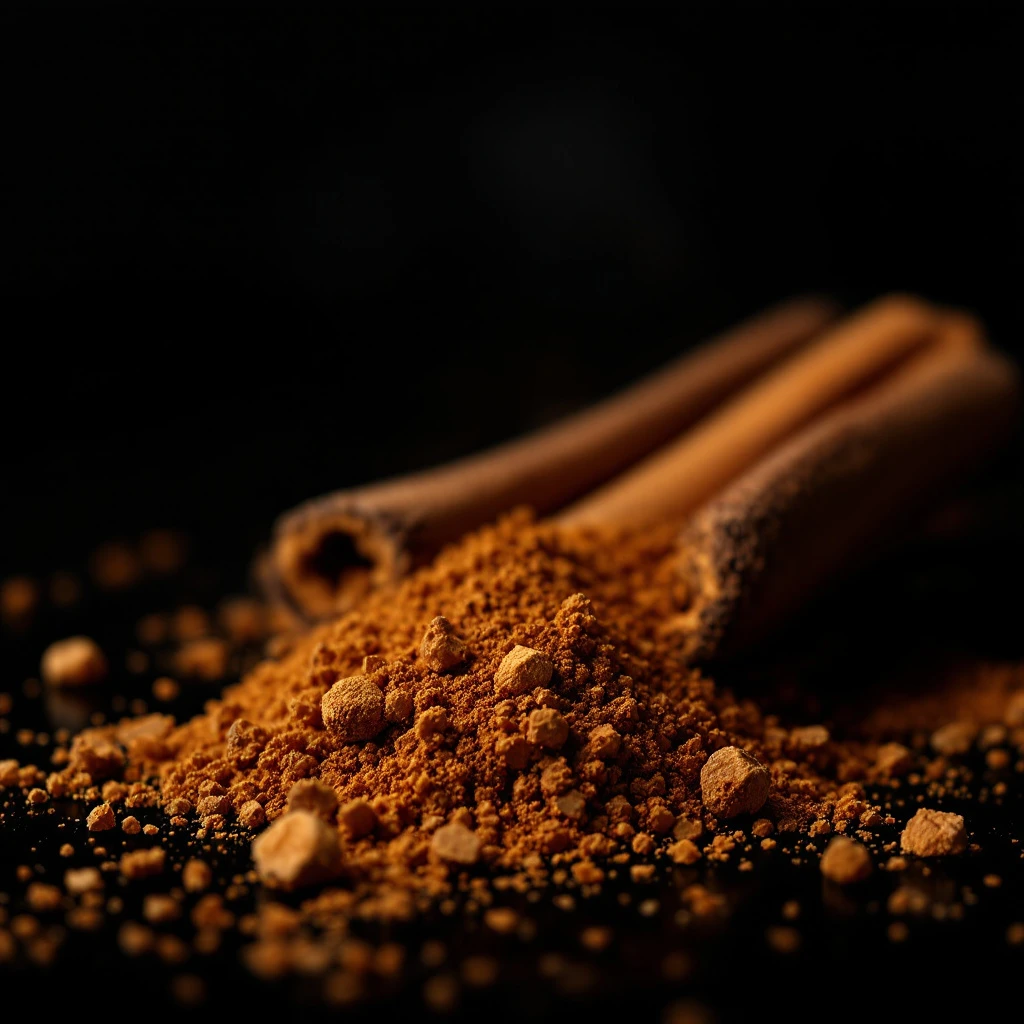
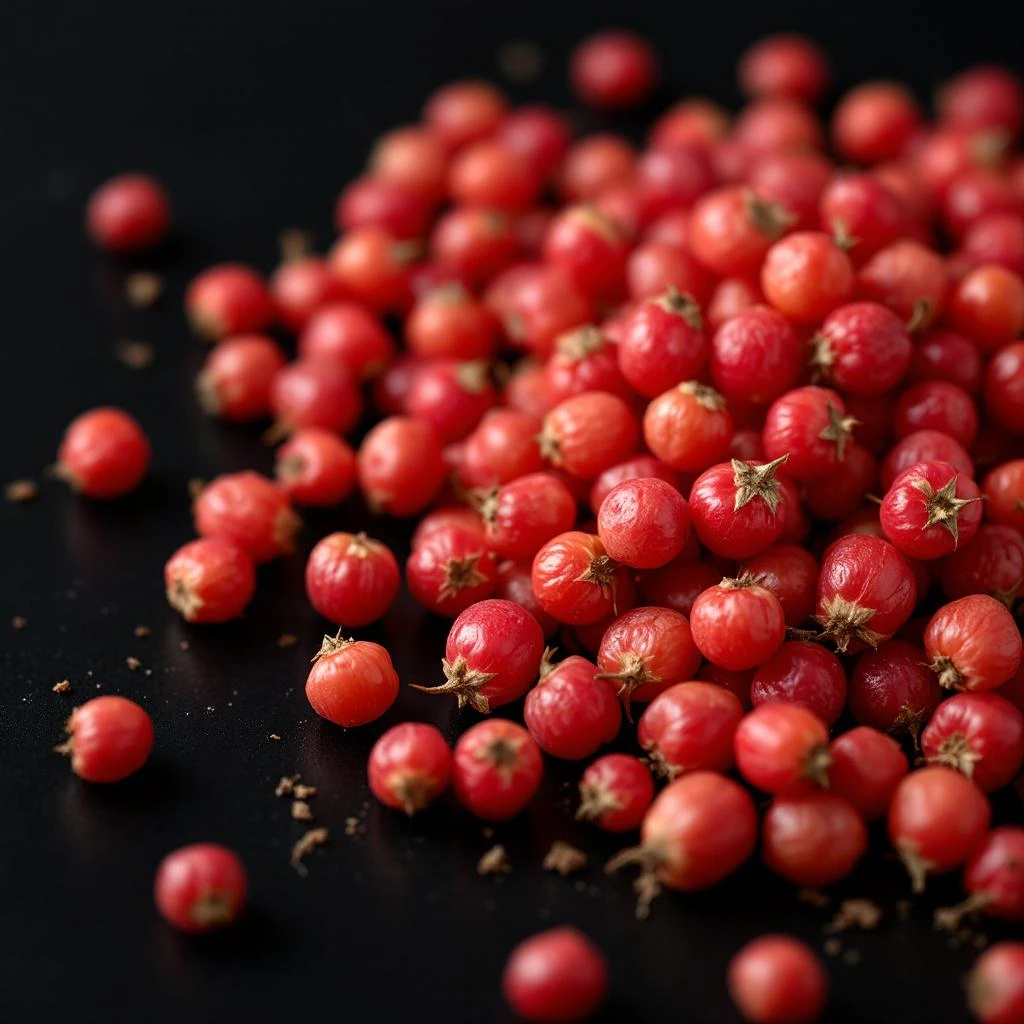
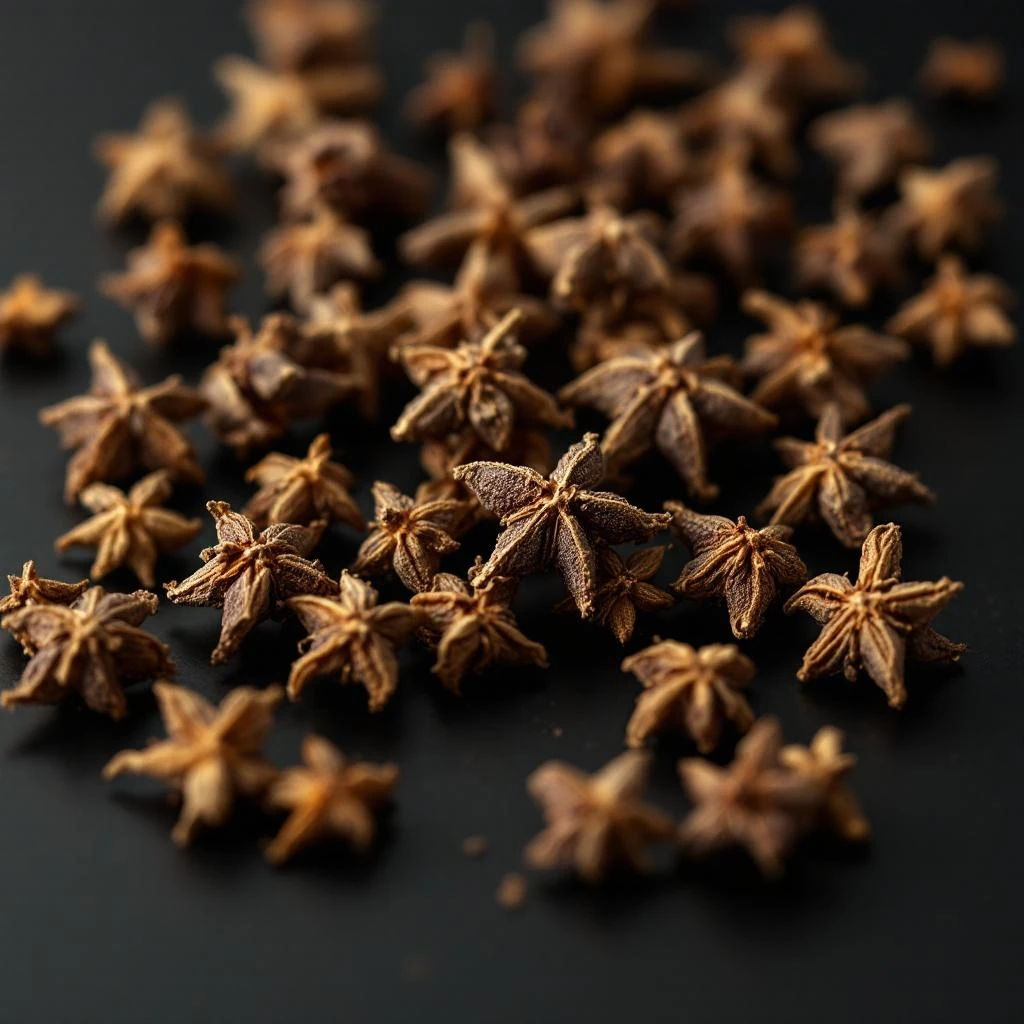
La Réunion produces only a fraction of global cinnamon, yet its terroir creates a distinctly floral, less coumarin-forward profile compared to Sri Lankan or Indonesian varieties.



Origin
France
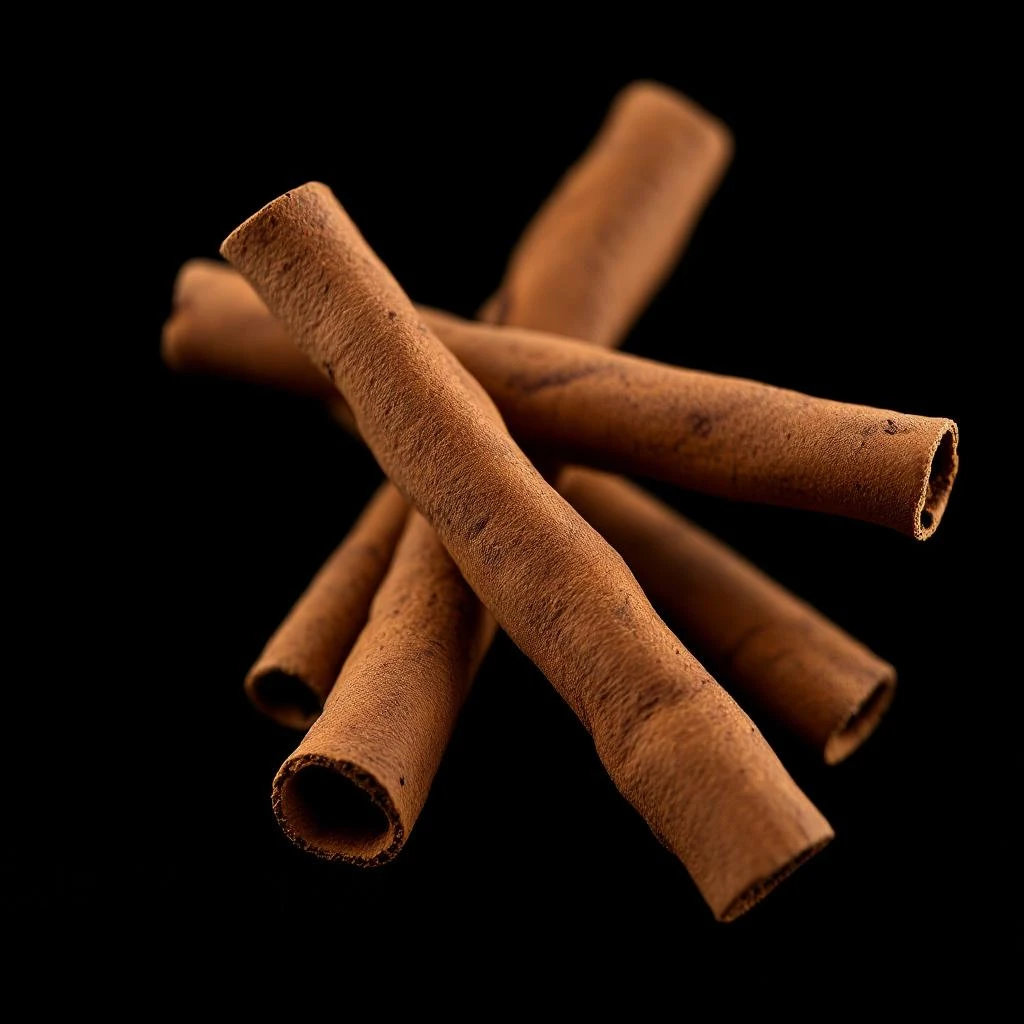
Cinnamon has been traded across the Indian Ocean for over four thousand years, long before La Réunion became a French colony in 1665. Arab traders controlled the spice routes for centuries, spinning fantastical tales about giant cinnamon birds building nests from the bark. When the French established settlements on La Réunion, they cultivated cinnamon alongside vanilla and sugar, creating a colonial economy built on tropical aromas.
By the 18th century, the island had become a key supplier of spices to European courts. Today, La Réunion's cinnamon differs from its Sri Lankan cousin (Cinnamomum verum) in subtle but significant ways. The island's volcanic soil and equatorial climate produce bark with higher linalool content, lending a floral quality absent in other origins.
Small-scale farmers still harvest by hand, stripping bark from pruned branches rather than harvesting entire trees, making La Réunion cinnamon a sustainable choice in modern perfumery.
Wears it best
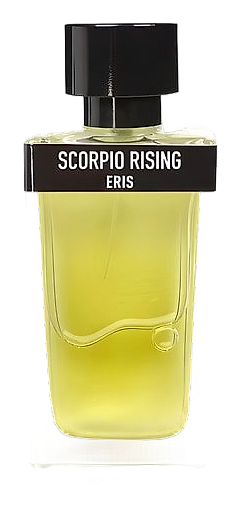
Fragrances featuring La Réunion Cinnamon Absolute
Brands
Brands known for La Réunion Cinnamon Absolute
Good to know
Questions, answered
The essentials on La Réunion Cinnamon Absolute in perfumery: how it smells, where it comes from, and how it behaves on skin.
What makes La Réunion cinnamon absolute different from Ceylon cinnamon absolute?
La Réunion cinnamon offers a distinctly floral top note due to higher linalool content, while Ceylon varieties lean sweeter and more coumarin-forward. The volcanic island terroir creates a spicier, less dusty character.
Is cinnamon absolute safe for skin application?
Cinnamon absolute contains cinnamaldehyde, a known allergen and skin sensitizer. IFRA guidelines restrict its use to 0.05% in leave-on products. It remains unrestricted in trace amounts for rinse-off formulations.
How much cinnamon absolute do perfumers typically use?
A little goes a very long way. Most formulations use cinnamon absolute at 0.1-2% dilution. At full strength, it overwhelms compositions within hours of blending.
Does La Réunion produce organic cinnamon absolute?
Several cooperatives on the island practice organic farming without synthetic pesticides. Certified organic options exist but command premium pricing due to limited production volume.
What fragrance families pair well with cinnamon absolute?
Oriental fragrances benefit most from its warmth. Amber, woody, and spicy oriental subfamilies use it prominently. It also appears in certain chypre and fougère masculine compositions for its spicy lift.
Can cinnamon absolute replace cinnamon bark essential oil?
They serve different functions. The absolute captures more of the bark's sweet, floral nuances through solvent extraction, while steam-distilled oil emphasizes sharp, phenolic notes. Many perfumers use both in the same formula.
Why is it called an absolute rather than an essential oil?
Absolutes result from solvent extraction, producing a higher concentration of aromatic molecules than steam distillation. The process captures non-volatile compounds that essential oils cannot retain, yielding greater olfactory complexity.
Does cinnamon absolute contain vanillin?
Unlike cassia absolute, La Réunion cinnamon absolute contains negligible vanillin. Its sweetness derives primarily from cinnamaldehyde and cinnamyl acetate, creating a spicier rather than dessert-like character.