Kumaru Wood
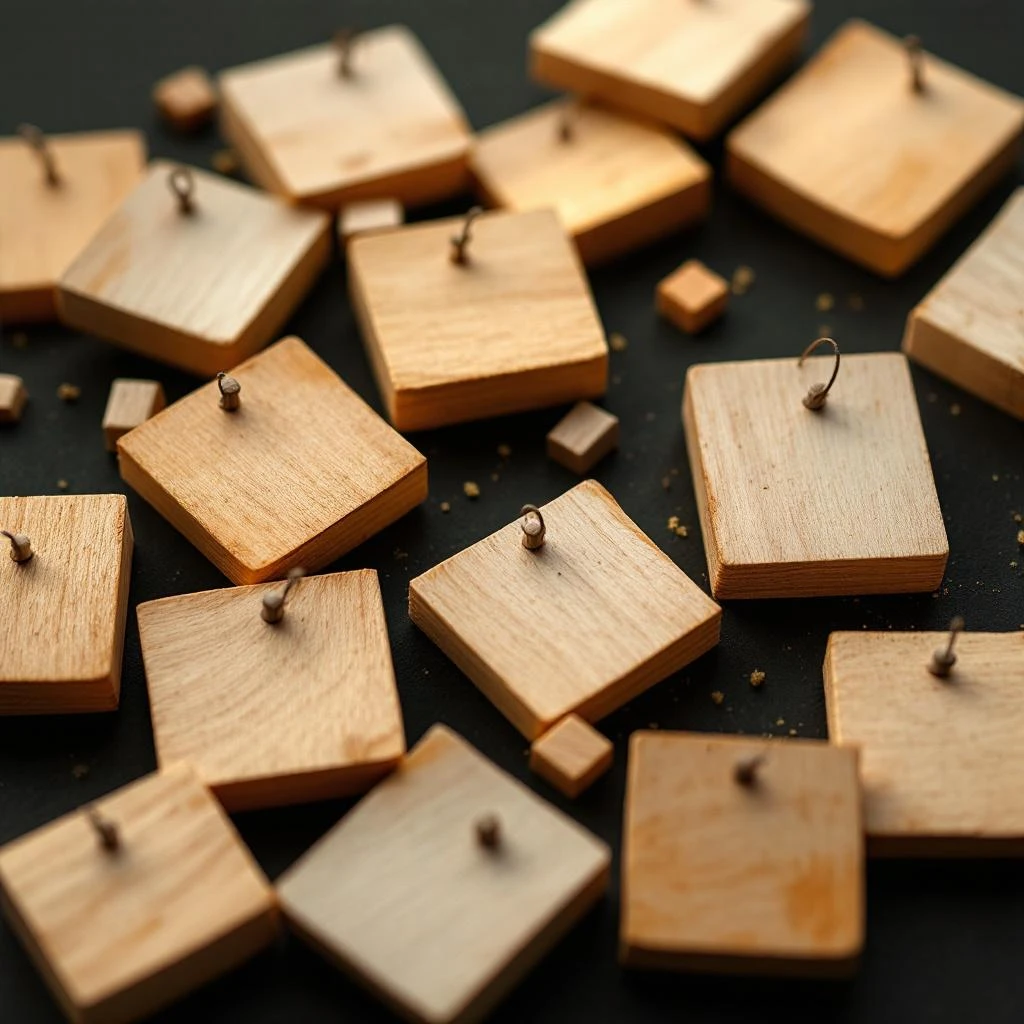
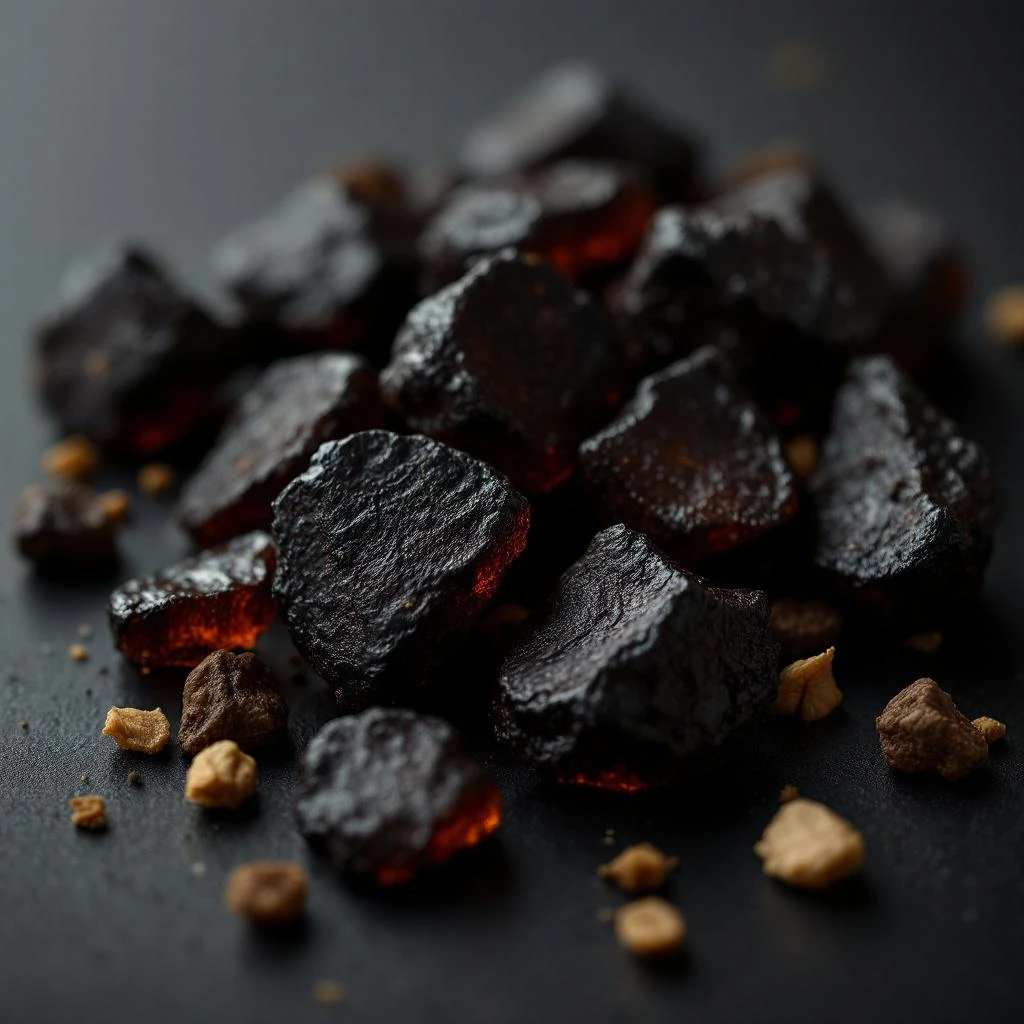
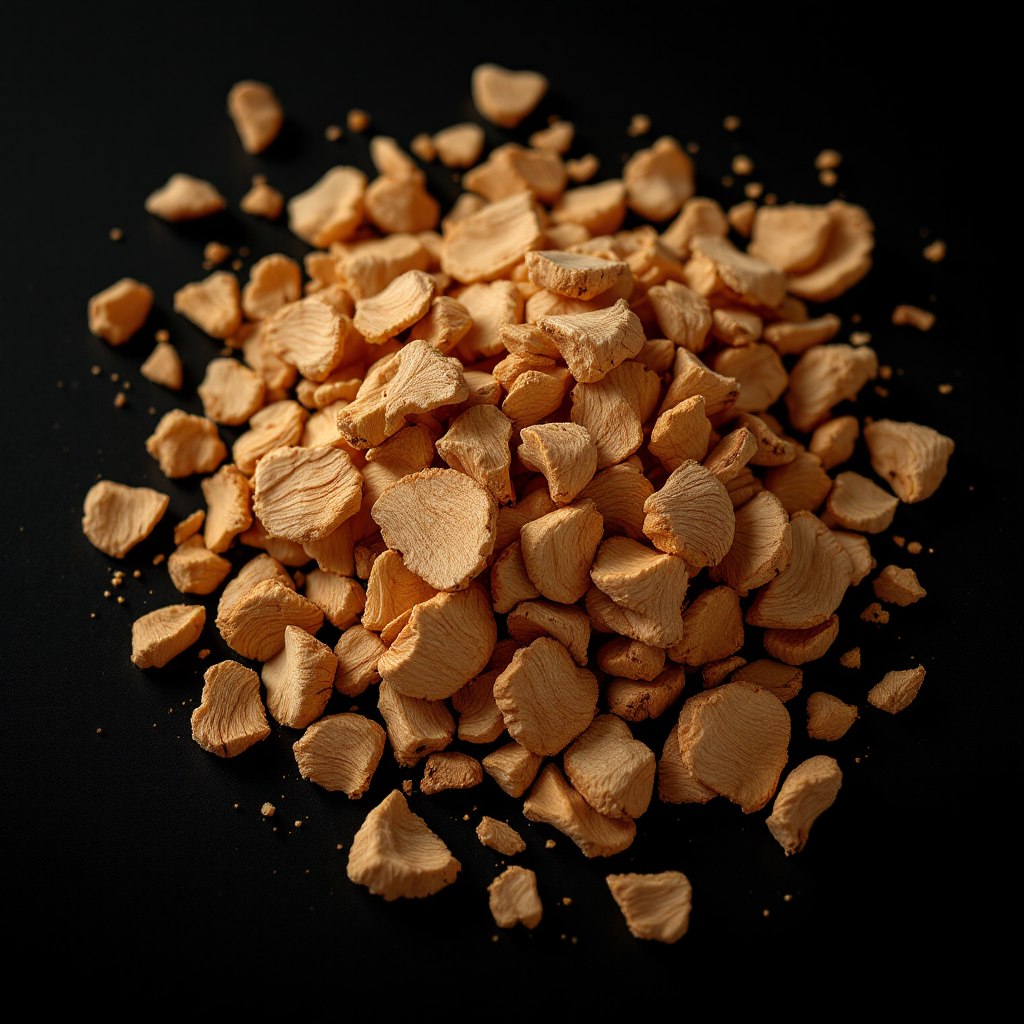
Kumaru wood from the Dipteryx odorata tree carries a warm, sweet aroma with vanilla, tobacco, and hay-like facets, all courtesy of its naturally high coumarin content. This Amazonian timber brings an intensely aromatic character to fine fragrance compositions.
Character
How it smells
Amazonian wood with warm, sweet coumarin-rich aroma
A single tonka bean can contain up to 3% coumarin by weight, giving this South American tree one of the highest natural concentrations of any plant.
Pairs beautifully with





Origin
Brazil
Indigenous communities of the Amazon basin have long utilized Dipteryx odorata, valuing both its durable timber and aromatic seeds for centuries. European traders encountered tonka beans in the 18th century, initially importing them as flavoring agents and pharmaceutical materials. The fragrance industry adopted kumaru wood derivatives in the late 1800s, when perfumers began working with tonka bean absolutes to create warm, sweet base notes.
Today, Brazil remains the primary source, with sustainable wild-harvesting practices protecting the slow-growing trees. The ingredient has become a staple in oriental and fougère compositions, prized for its ability to add warmth, sweetness, and olfactory complexity to fragrance foundations.
Wears it best
Fragrances featuring Kumaru Wood
Brands
Brands known for Kumaru Wood
Good to know
Questions, answered
The essentials on Kumaru Wood in perfumery: how it smells, where it comes from, and how it behaves on skin.
What does kumaru wood smell like?
Kumaru wood delivers a warm, sweet scent with vanilla, tobacco, and new-mown hay facets. Its coumarin content creates a distinctive sweet-woody character often compared to tonka bean and warm amber.
Is kumaru wood the same as tonka bean?
Yes, kumaru wood comes from the Dipteryx odorata tree, which produces tonka beans. Both terms refer to the same botanical source, with beans being the most commonly used part in perfumery.
Where does kumaru wood originate from?
Kumaru wood comes from Dipteryx odorata, a tree native to tropical South American rainforests, primarily Brazil, Venezuela, and surrounding Guiana regions in the Amazon basin.
How is kumaru wood used in perfumery?
Perfumery primarily uses tonka beans from the kumaru tree, processed via solvent extraction to produce an absolute. This absolute appears in oriental and fougère fragrances as a warm, sweet base note.
What gives kumaru wood its characteristic scent?
Coumarin is the primary aromatic compound, responsible for its sweet, vanilla-like fragrance. Tonka beans from this tree can contain up to 3% coumarin by weight.
Is kumaru wood sustainable?
Kumaru trees grow wild across the Amazon basin, and tonka beans are harvested without felling the tree. Sustainable harvesting practices make this one of the more responsibly sourced natural ingredients.
What fragrance families use kumaru wood?
Kumaru wood absolute appears frequently in oriental, fougère, and gourmand fragrances. Its sweet, warm character pairs well with vanilla, benzoin, labdanum, and various florals.
Does kumaru wood contain allergens?
Coumarin in kumaru wood is subject to IFRA regulations limiting concentration in final products. When used within guidelines, tonka absolute is considered safe for perfumery applications.