Kenyan Cypress Resin
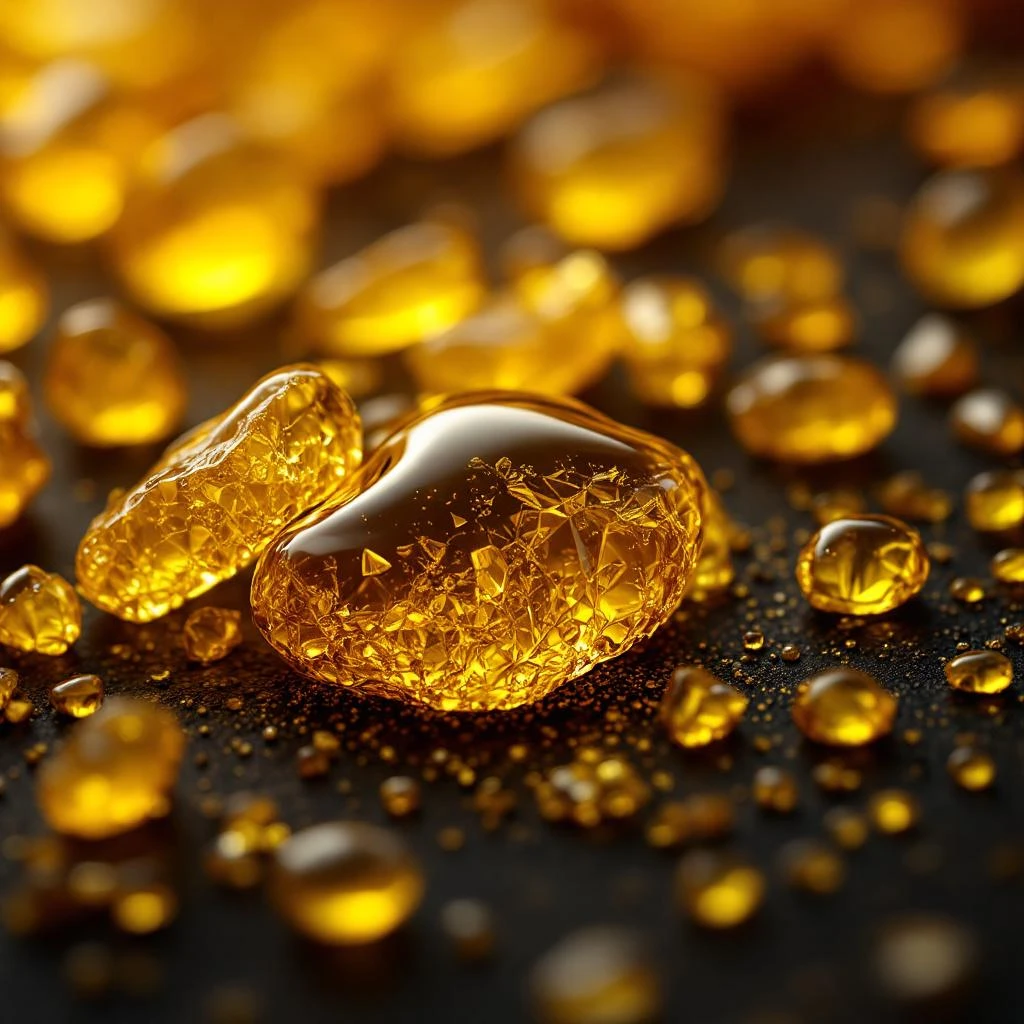
A rare resin from East African cypress forests, Kenyan Cypress Resin delivers a distinctive woody-balsamic signature that perfumers prize for its warm, slightly camphorated depth. This material bridges aromatic tradition and modern fragrance craft.
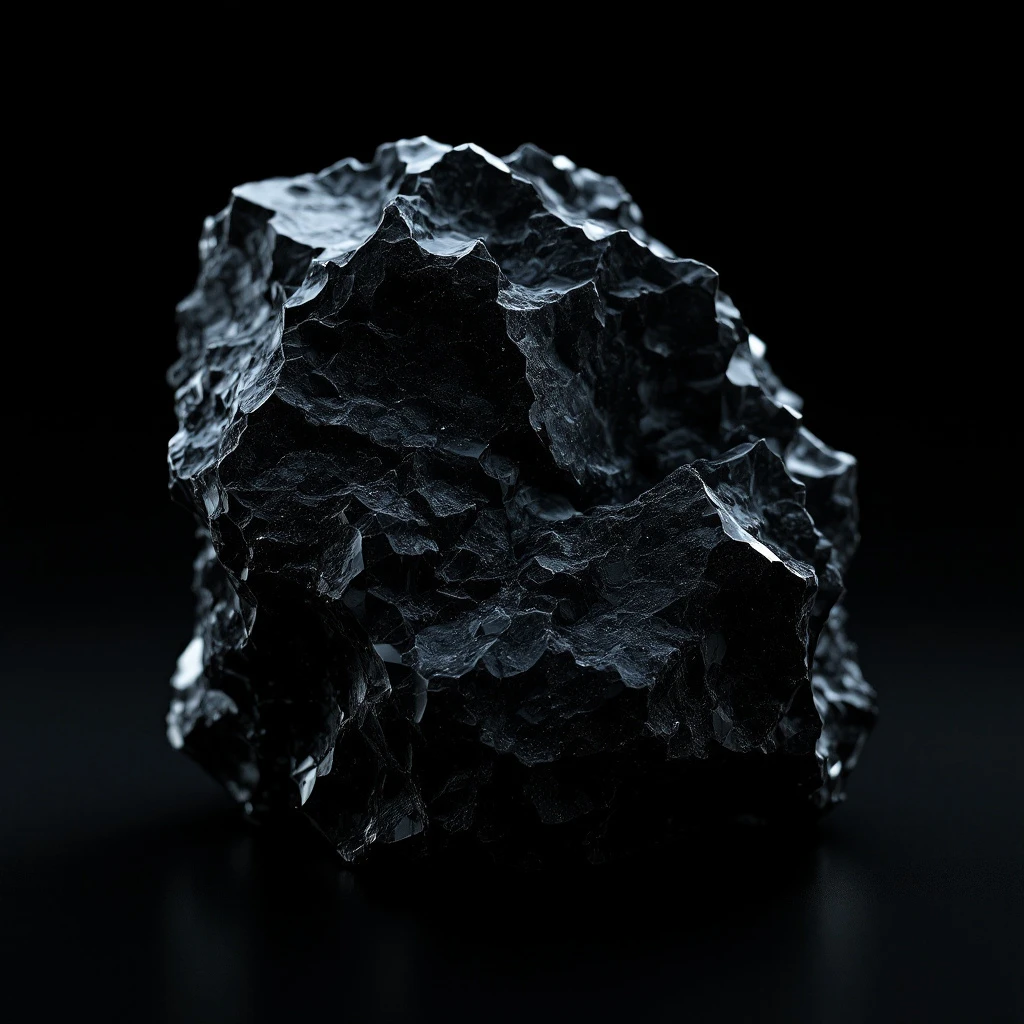
Character
How it smells
East Africa's aromatic gift to fine fragrance.
Kenyan cypress trees produce resin as a natural defense mechanism, and the tapping process mirrors techniques used by ancient Egyptian priests over 3,000 years ago.
Pairs beautifully with

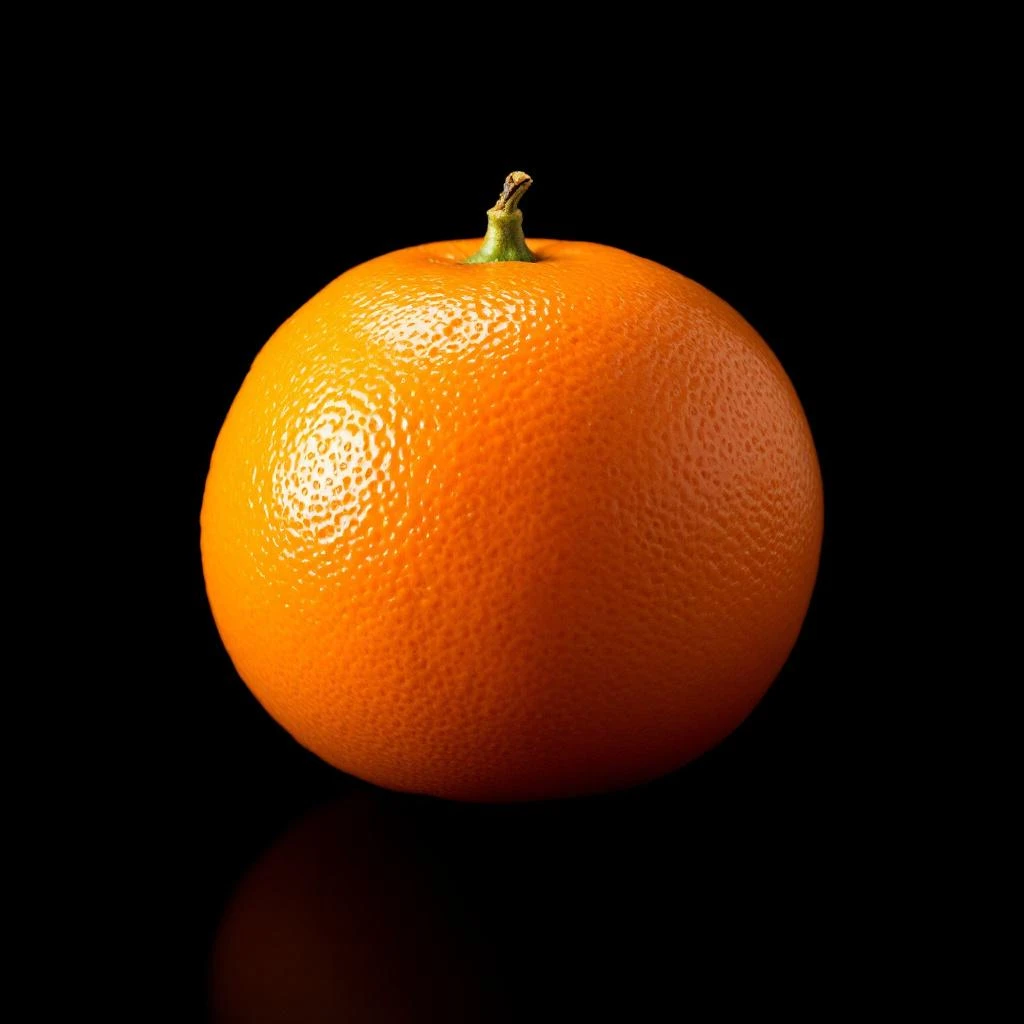
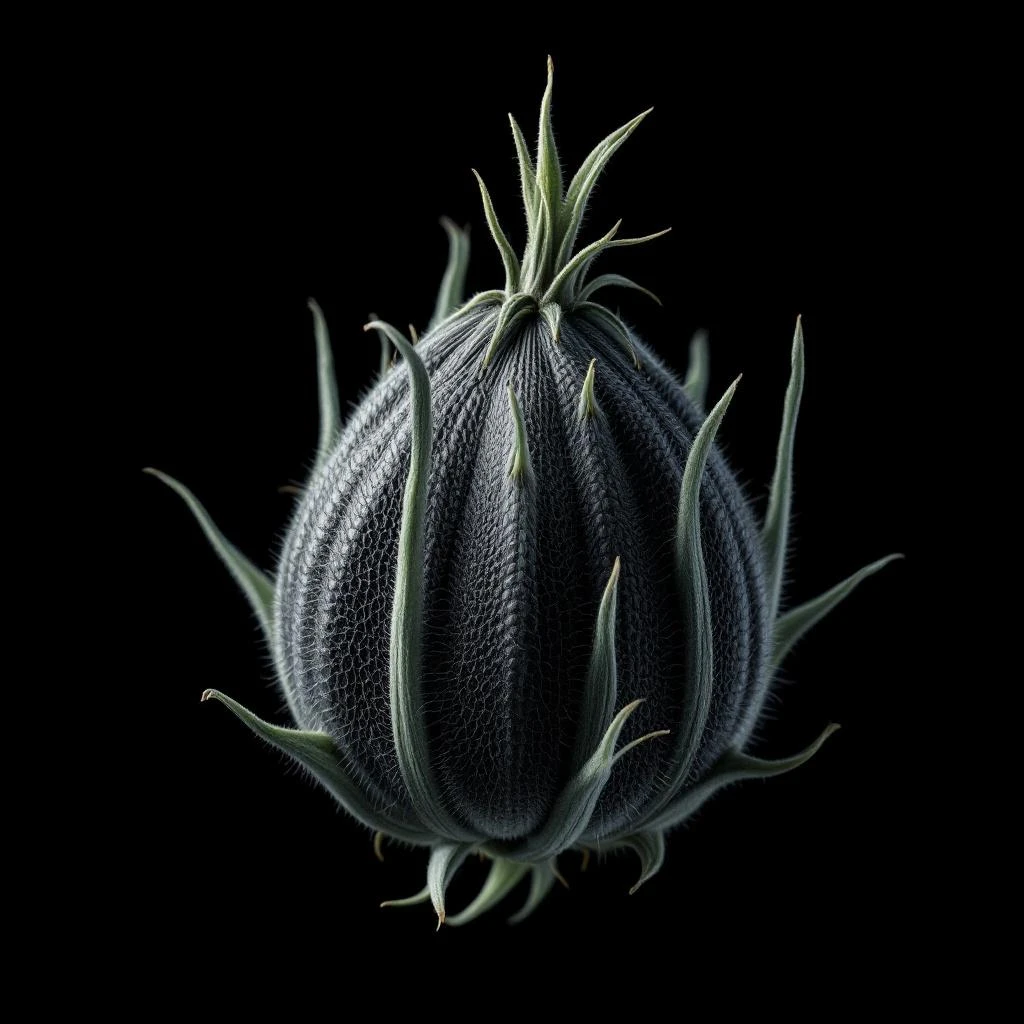


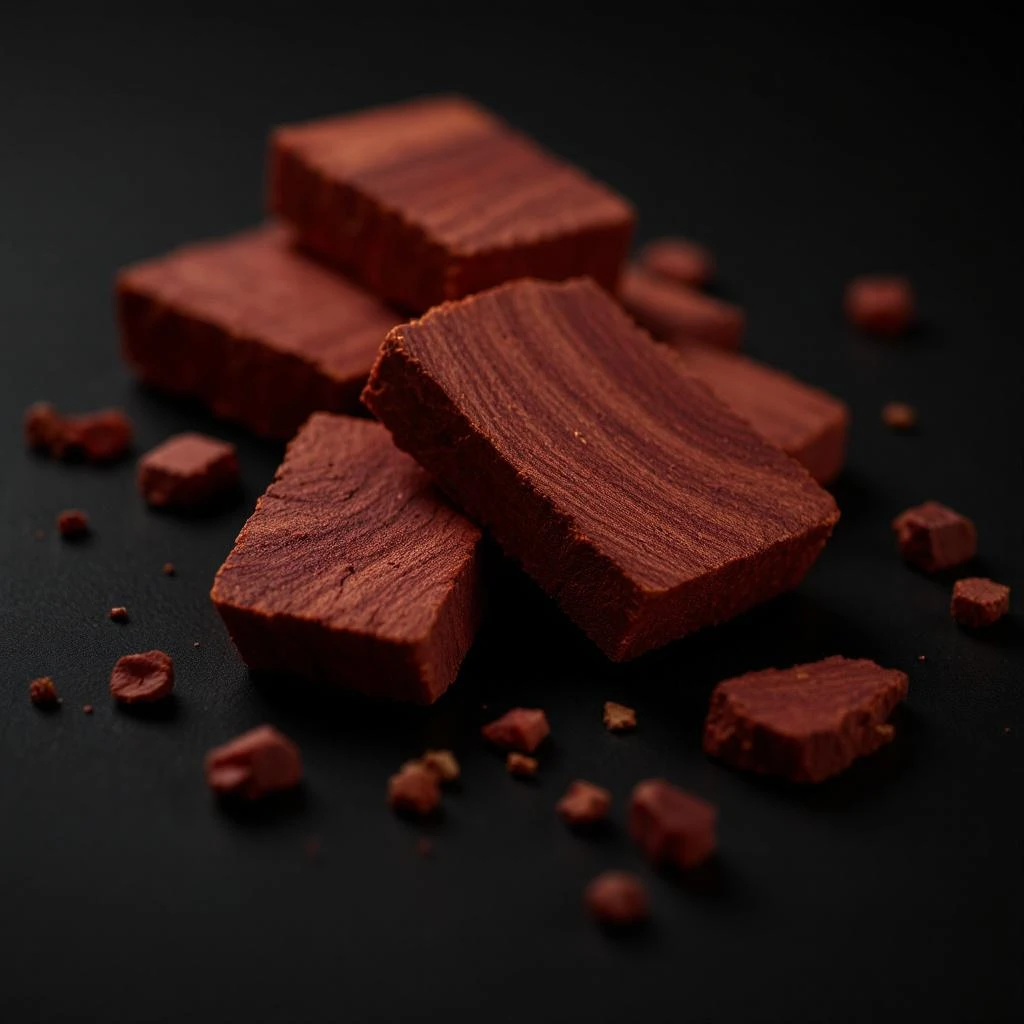
Origin
Kenya
Cypress trees have grown across the Kenyan highlands for millennia, and local communities long recognized their aromatic properties. Traditional healers used the resin in ceremonial practices and medicinal preparations. The material gained wider attention during the colonial era when European traders began sourcing African aromatics for emerging perfume industries.
East African cypress resin entered Western perfumery during the early 20th century as makers sought new exotic materials. Regional artisans continue harvesting the resin using methods passed down through generations, maintaining a living connection to ancient aromatic traditions.
Wears it best
Fragrances featuring Kenyan Cypress Resin
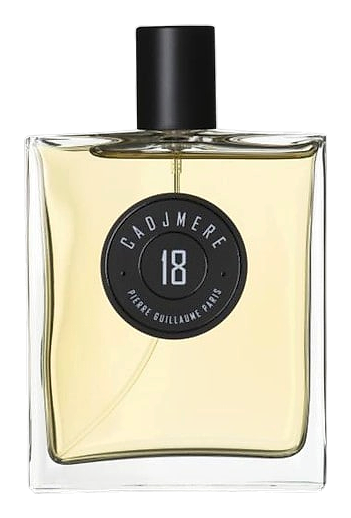
Brands
Brands known for Kenyan Cypress Resin
Good to know
Questions, answered
The essentials on Kenyan Cypress Resin in perfumery: how it smells, where it comes from, and how it behaves on skin.
What does Kenyan Cypress Resin smell like?
It offers a warm, woody-balsamic profile with subtle camphor and dry coniferous notes. The scent recalls fresh cypress wood with a resinous sweetness that develops as the fragrance dries down.
How is Kenyan Cypress Resin harvested?
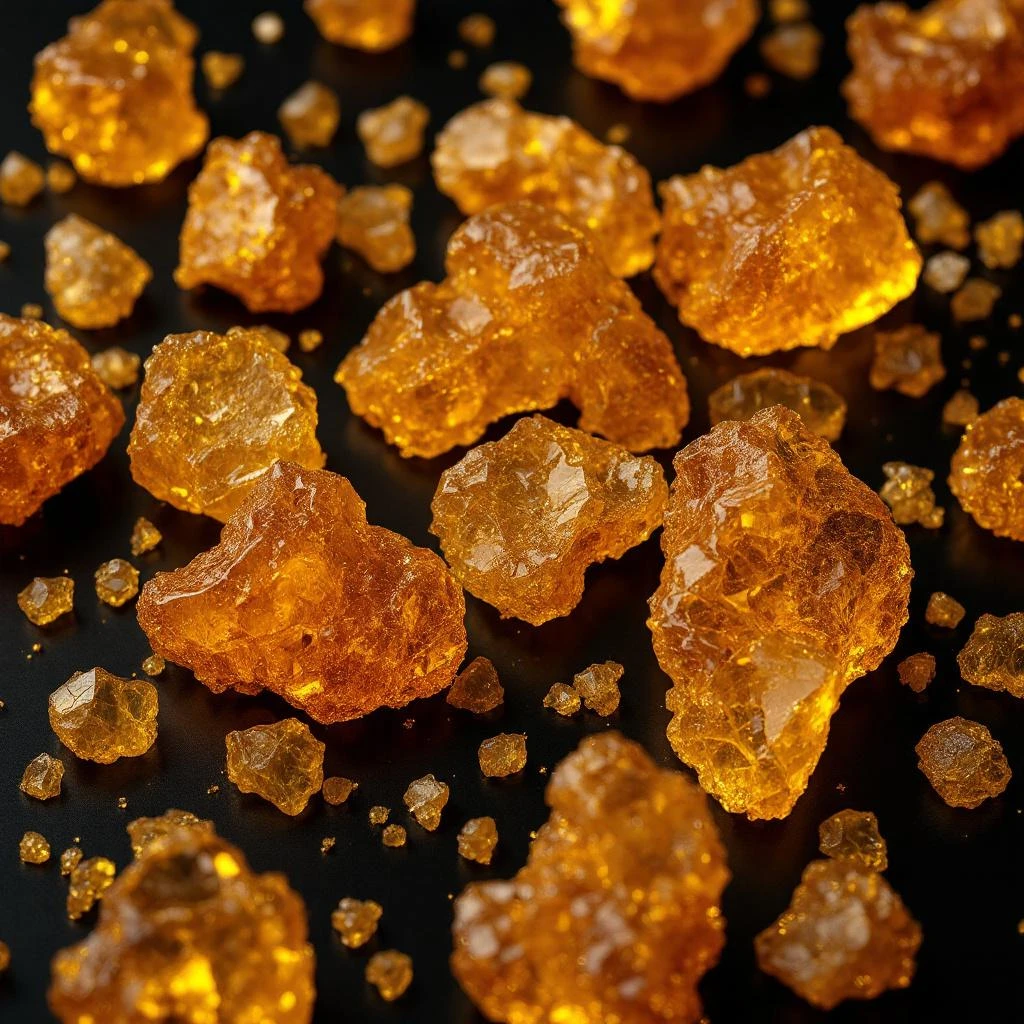
Harvesters use a traditional tapping method, making careful incisions in tree bark. The resin weeps slowly and solidifies over several weeks before collectors gather it by hand.
Is this material used in mainstream perfumery?
Niche and artisan perfumers favor this ingredient for its distinctive character. It appears primarily in woody, aromatic, and oriental fragrance families where its depth adds complexity.
How does Kenyan Cypress Resin differ from other resinous materials?
It carries less sweetness than frankincense or myrrh and offers more coniferous character. The camphorated quality sets it apart from typical balsamic resins used in Western perfumery.
What extraction methods yield the final product?
The raw resin may be steam-distilled for essential oil or processed into tinctures. Both forms preserve the characteristic woody-balsamic signature perfumers seek.
Does Kenyan Cypress Resin have traditional uses beyond perfumery?
East African communities have used it in ceremonial practices and traditional medicine for generations. The material holds cultural significance beyond its commercial applications.
How does this ingredient perform in fragrance formulations?
It works as a base note that adds longevity and depth. The resin provides excellent fixative properties, helping lighter top notes linger on the skin.
Is Kenyan Cypress Resin considered sustainable?
Responsible harvesting involves tapping methods that allow trees to regenerate. The practice supports rural livelihoods in highland communities where the trees grow naturally.