Kenyan Black Tea
From the misty highlands outside Nairobi, Kenyan black tea brings a bold, smoky warmth to fragrance — the aroma of a perfectly brewed morning cup, translated into something you wear on your skin.

Character
How it smells
Smoky, earthy, quietly commanding.
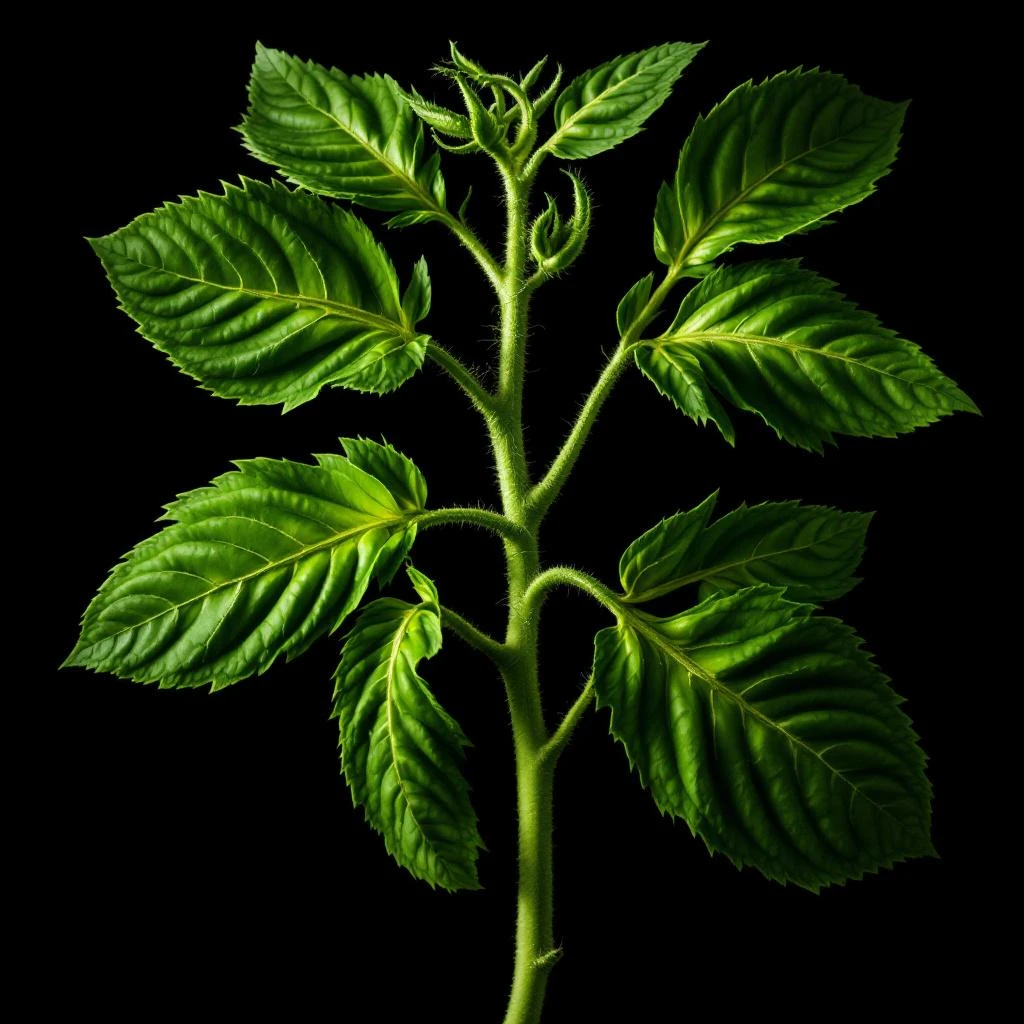
Kenya produces more black tea for export than any other nation on Earth, supplying roughly 10% of the world's tea from smallholder farms in the central highlands.

Origin
Kenya
Tea arrived in Kenya via British colonial networks in the early 1900s, but it was not until the 1950s and 1960s that cultivation expanded dramatically. The Kenya Tea Development Authority, founded in 1964, organized smallholder farmers into a cooperative structure that transformed the central highlands into one of the world's most productive tea regions. Today, over 600,000 Kenyan farmers grow tea in these highlands, making Kenya the leading global exporter of black tea.
The high altitude, equatorial sun, and rich red volcanic soil give Kenyan tea a distinctive character — bold, brisk, and deeply colored — unlike teas from China or India. For centuries, East African communities have also incorporated tea into ritual and hospitality, from Zanzibar's spiced chai ya viungo to plain brewed cups shared with visitors. This cultural weight infuses the ingredient with more than just its scent — it carries the habits and ceremonies of daily life across the region.
Perfumers discovered Kenyan tea's aromatic richness more recently, drawn to its earthy smokiness as an alternative to more conventional tea accords from Asia.
Wears it best
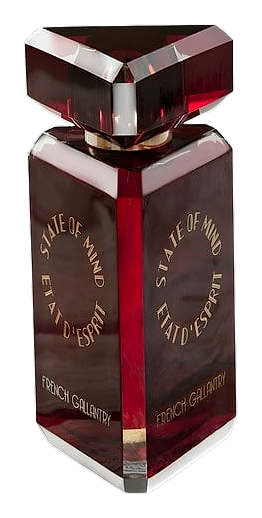
Fragrances featuring Kenyan Black Tea
Brands
Brands known for Kenyan Black Tea
Good to know
Questions, answered
The essentials on Kenyan Black Tea in perfumery: how it smells, where it comes from, and how it behaves on skin.
What does Kenyan black tea smell like in perfume?
Kenyan black tea reads as smoky, earthy, and slightly bitter with faint floral undertones. It gives fragrances a grounded, slightly dry character that works like a bridge between green and woody notes.
How is black tea absolute produced for perfumery?
Leaves undergo withering, oxidation, and firing before solvent extraction yields a concrete. This concrete is further processed into an absolute — a concentrated aromatic material that captures the full olfactory profile of the brewed leaf.
What makes Kenyan black tea different from Chinese or Indian tea in fragrance?
Kenyan tea grows at higher altitudes near the equator, producing leaves with a bolder, smokier profile. Chinese and Indian teas tend toward lighter, greener, or more astringent characters in extraction.
Is black tea absolute natural or synthetic?
Black tea absolute is a natural aromatic extract derived from Camellia sinensis leaves. Its scent cannot be reliably reproduced synthetically, which is why natural extracts remain preferred in niche perfumery.
What fragrance families pair well with black tea?
Black tea absolute works across chypre, woody, and oriental compositions. It combines naturally with bergamot, cedarwood, iris, and ambery base notes without overpowering lighter accords.
Where does most Kenyan tea grow?
Most Kenyan tea for perfumery comes from the central highlands around Mount Kenya and the Aberdare Range, where altitude, rainfall, and volcanic soil create ideal growing conditions for Camellia sinensis.
Can I detect black tea as a top note in fragrance?
Black tea functions more commonly as a heart or base note in perfumery due to its tenacity. It emerges in the dry-down phase rather than as an immediate opening burst.
Why is Kenyan tea important to the region's economy?
Over 600,000 smallholder farmers across Kenya depend on tea cultivation. Kenya is the world's largest black tea exporter, making the crop a cornerstone of livelihoods and agricultural identity in the highlands.
In the same family