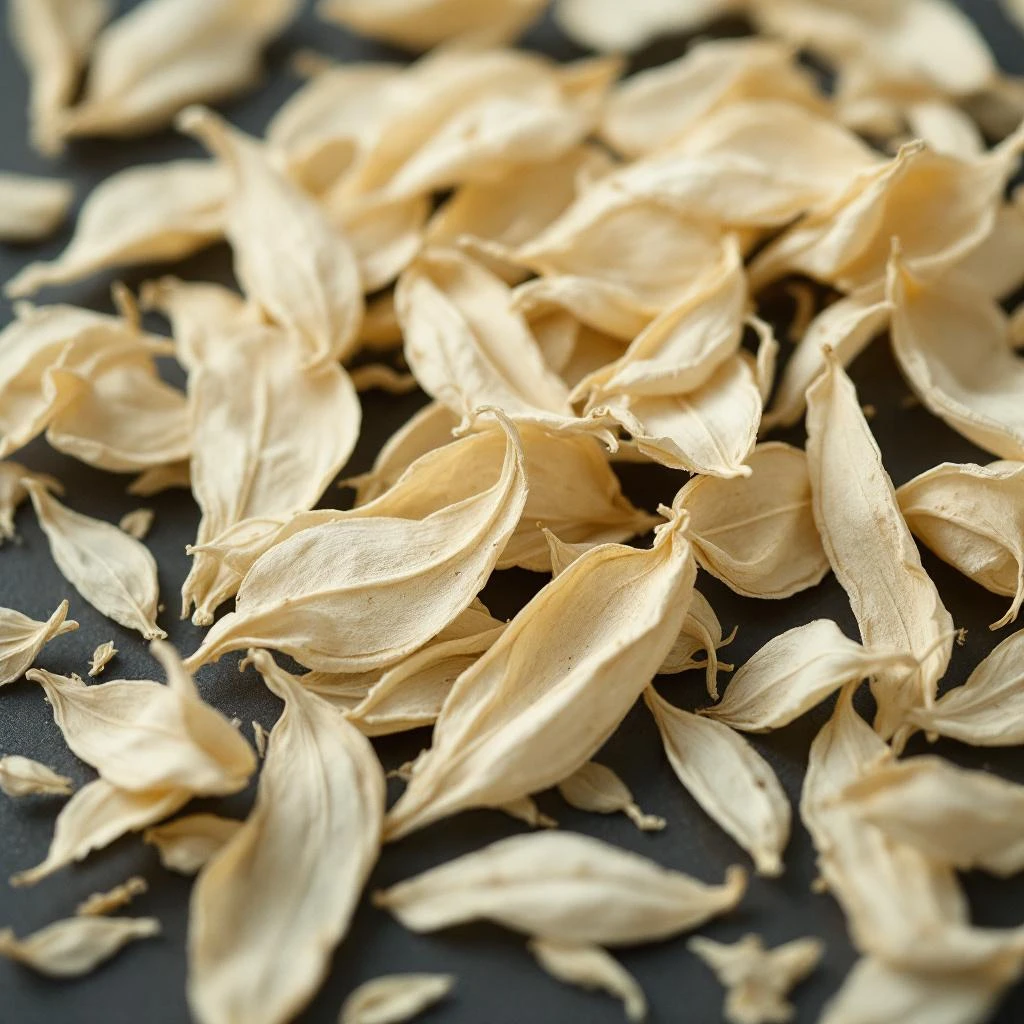
Jasmolactone
Jasmolactone is a synthetic lactone introduced in 1961 that reproduces jasmine's plush, sun-warmed petal character. It delivers creamy floralcy without the volatility of natural absolutes, making it a workhorse for perfumers building stable jasmine accord foundations.
Character
How it smells
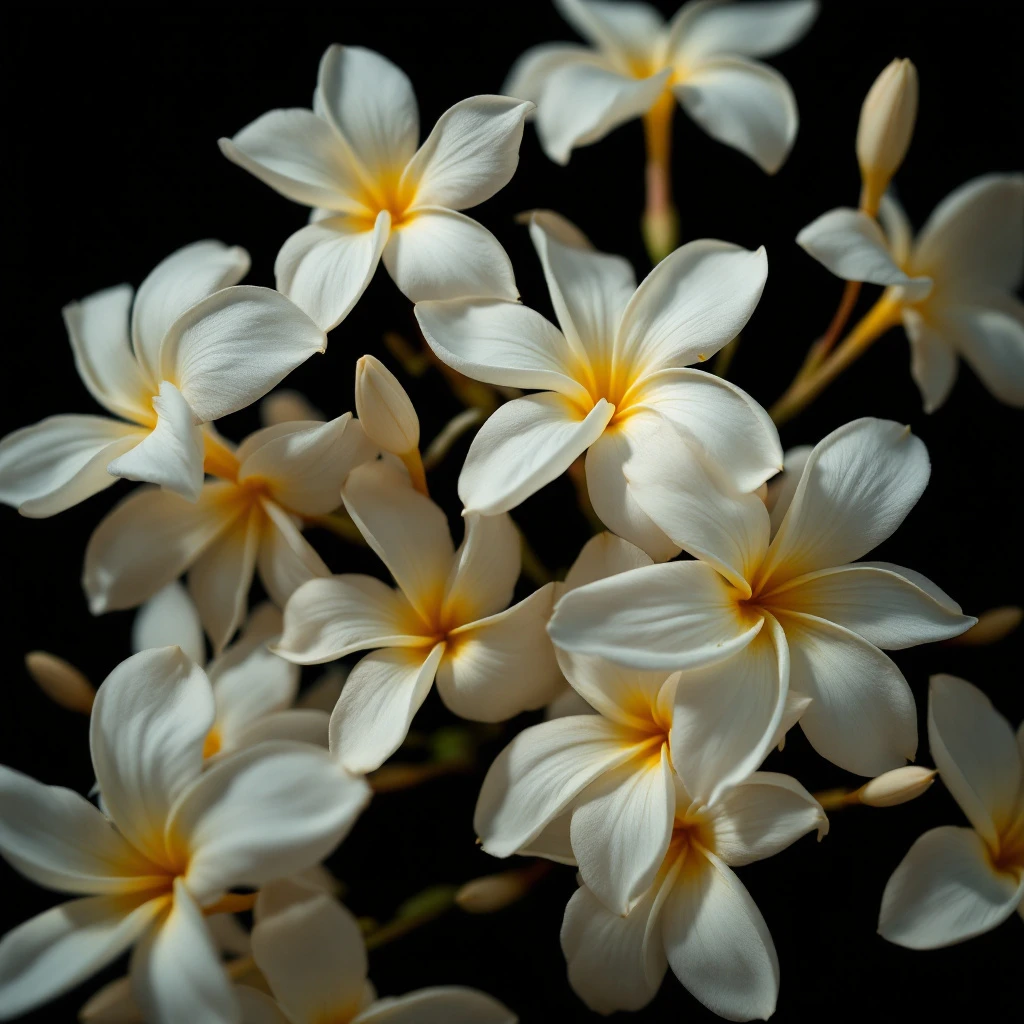
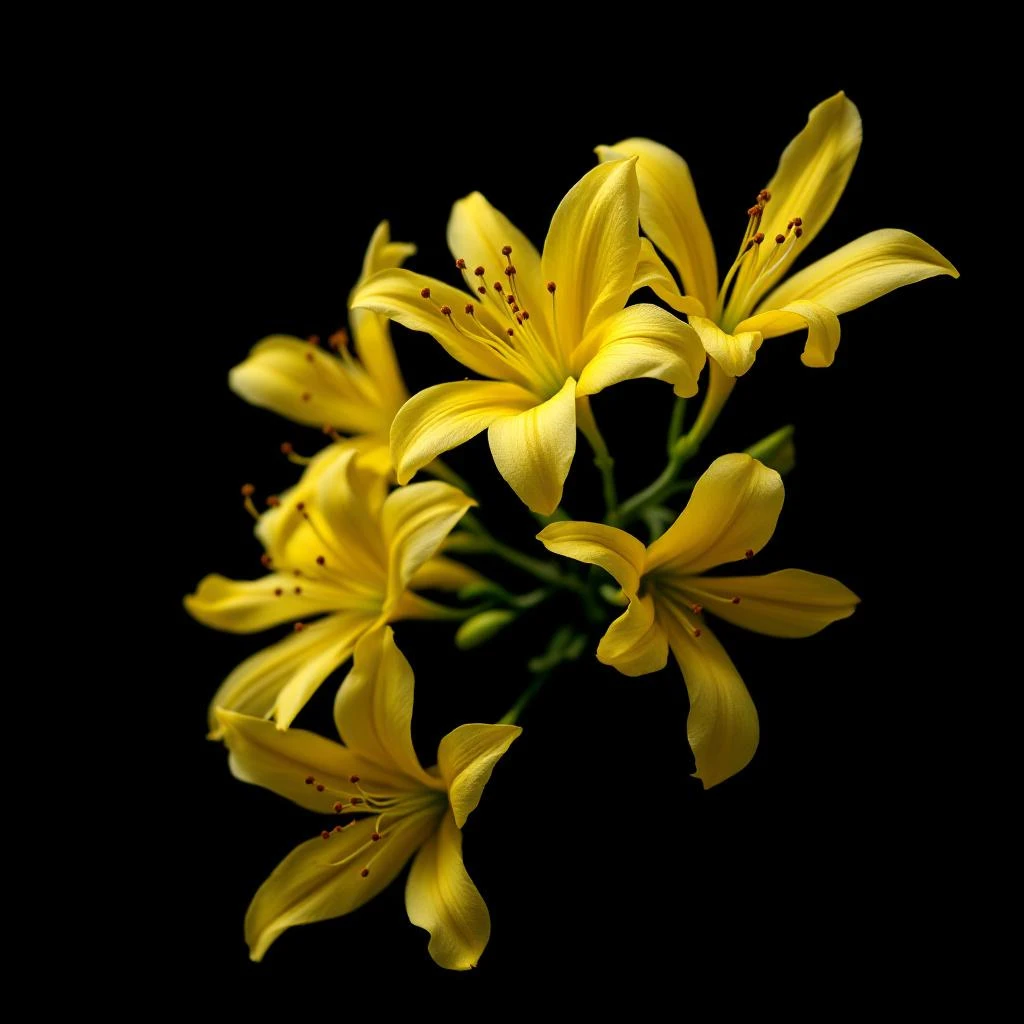
The creamy heart of jasmine, born from chemistry.
Despite its name evoking jasmine gardens, natural jasmine contains virtually no Jasmolactone. It exists only as a laboratory creation from 1960s aroma chemistry.





Origin
France
The 1960s marked an era of rapid expansion in synthetic perfumery ingredients. After industry commercialization of gamma and delta lactones in the late 1950s, researchers began systematically exploring how these structures could replicate specific floral notes.
Jasmolactone emerged from this focused research effort around 1961, designed specifically to deliver jasmine character without sourcing constraints. The timing aligned with a growing demand for stable, year-round aroma ingredients as fine fragrance production scaled globally.
Rather than replacing natural jasmine, Jasmolactone offered perfumers a complementary tool for building jasmine accords that could withstand temperature variations and shelf aging. This represented a philosophical shift: synthesis as precision engineering rather than mere imitation.
Wears it best
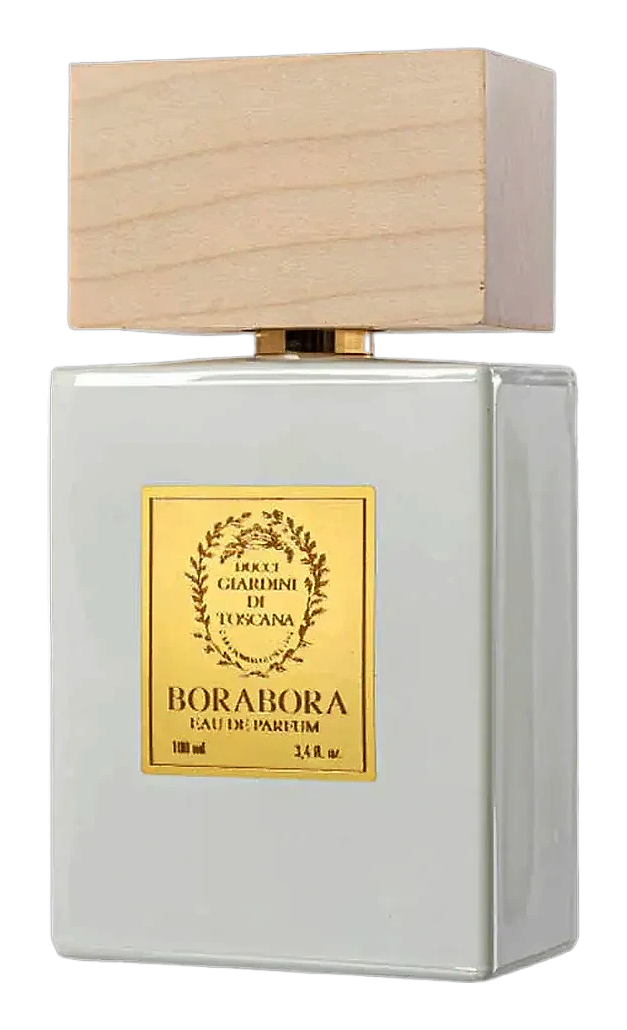
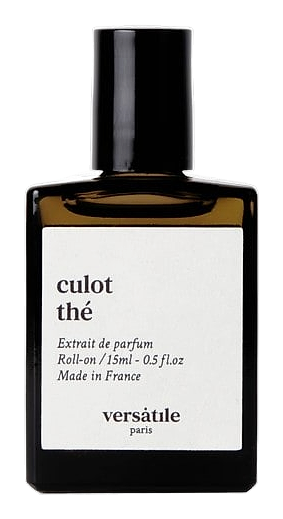
Fragrances featuring Jasmolactone
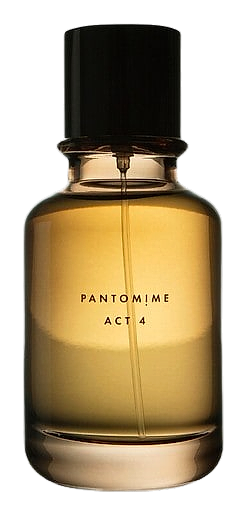

Brands
Brands known for Jasmolactone
Good to know
Questions, answered
The essentials on Jasmolactone in perfumery: how it smells, where it comes from, and how it behaves on skin.
What does Jasmolactone smell like?
Jasmolactone delivers a creamy, peachy-floral scent reminiscent of sun-warmed jasmine petals. It reads sweeter and softer than gamma-decalactone, adding plush warmth rather than fatty coconut notes.
Is Jasmolactone found in natural jasmine?
Natural jasmine contains negligible Jasmolactone. It is a purely synthetic material developed to complement rather than replicate natural jasmine absolutes in fragrance formulations.
How does Jasmolactone differ from other lactones used in perfumery?
Jasmolactone sits between peach-toned gamma-decalactone and coconut-scented delta-undecalactone. It trades gamma-decalactone's punchiness for smoother, more floral茉莉 character suited to floral compositions.
What fragrance families use Jasmolactone?
Jasmolactone appears primarily in modern florals, particularly jasmine and white floral constructions. It also works in fruity, lactonic, and certain gourmand bases where creamy floralcy benefits the drydown.
Does Jasmolactone perform well on skin?
Jasmolactone demonstrates good substantivity on skin, with moderate tenacity. Its molecular weight supports reasonable longevity without the volatility concerns that plague some lighter floral materials.
Who discovered Jasmolactone?
No single inventor is credited. Jasmolactone emerged from systematic lactone research by multiple fragrance houses in the early 1960s, following the commercial breakthrough of related gamma and delta lactones.
What happened before Jasmolactone existed?
Before Jasmolactone, perfumers relying on jasmine character had only expensive natural absolutes or less-targeted synthetics. The 1961 launch enabled stable, cost-effective jasmine effects in mass-market fragrances.
Can Jasmolactone replace natural jasmine in formulas?
Jasmolactone supplements rather than replaces natural jasmine. It strengthens the creamy jasmine character economically, while natural absolutes provide heady top notes and complexity that synthesis cannot fully replicate.