Citral
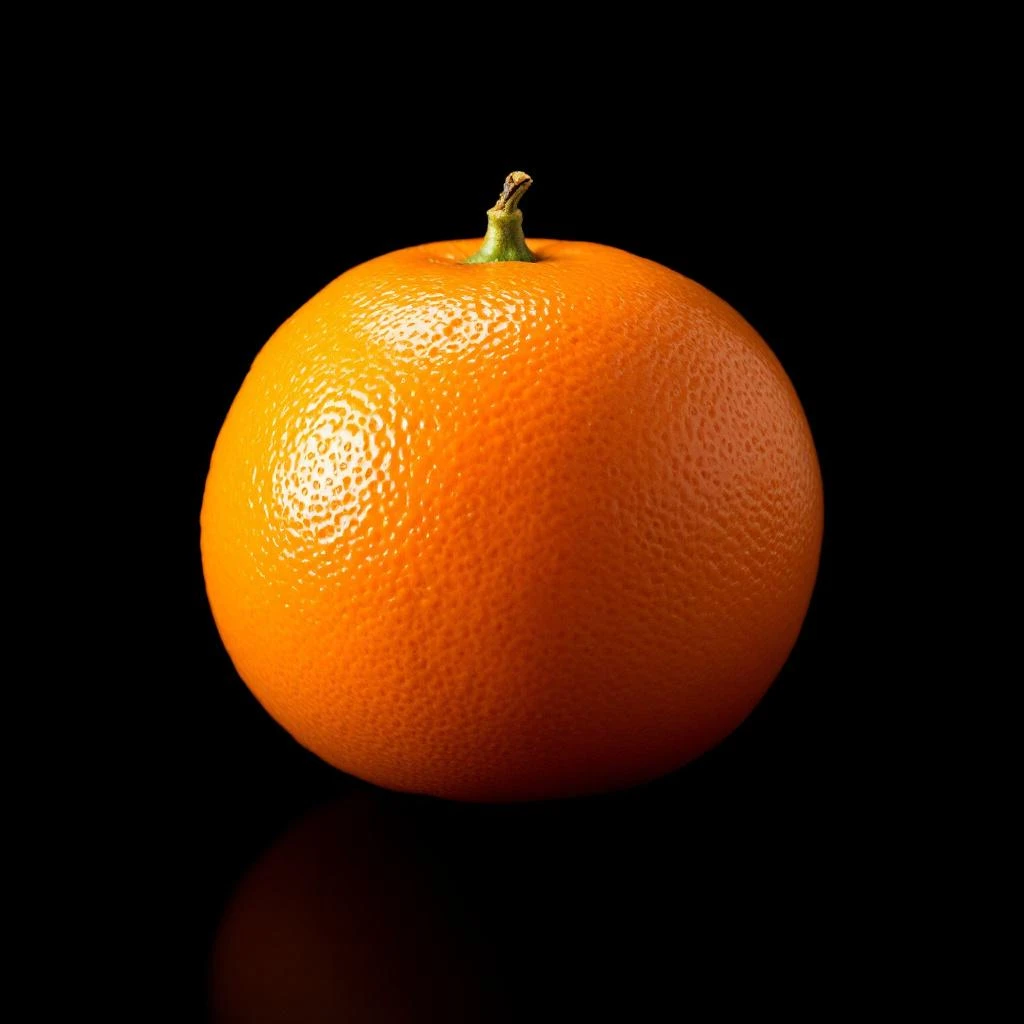
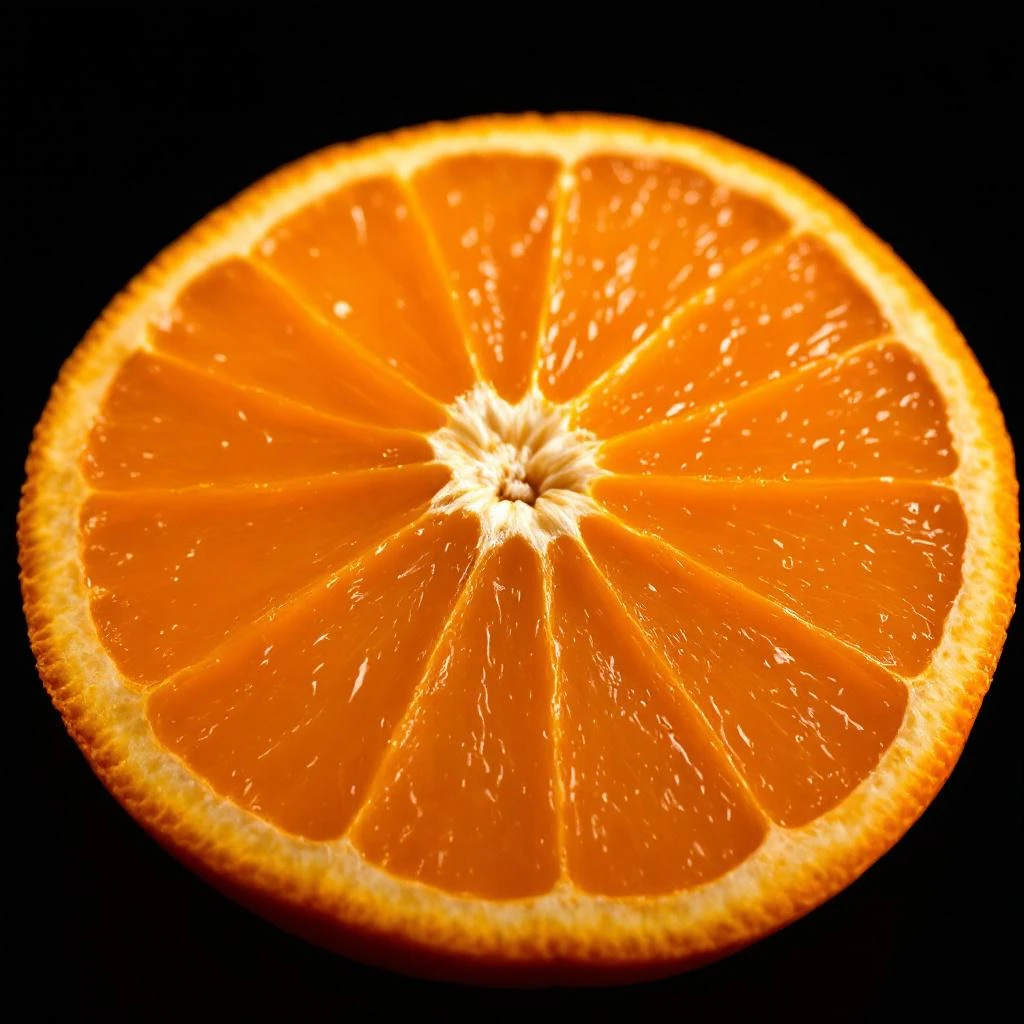
Citral is the sharp, lemony aroma molecule that defines lemon's character. Occurring naturally in lemongrass, Litsea cubeba, and lemon myrtle, it also exists as a high-impact synthetic material. This monoterpene aldehyde delivers immediate, sparkling citrus brightness as a staple top note in modern perfumery.
Character
How it smells
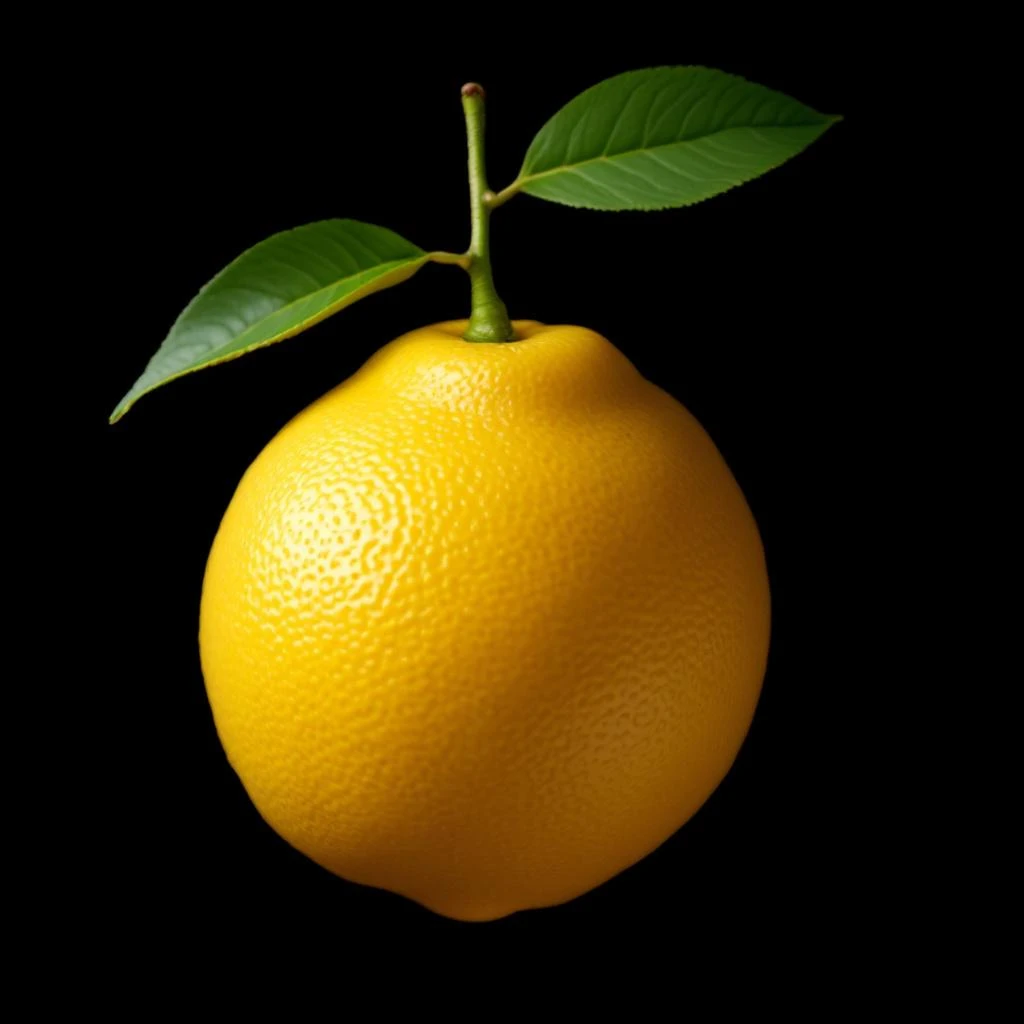
The clean, immediate snap of lemon, isolated and perfected.
Lemon myrtle leaf contains up to 90% citral, making it the most concentrated natural source known—outperforming whole citrus fruits by a significant margin.


Origin
India
The history of citral begins with the history of citrus itself, since ancient perfumers used whole citrus materials for their bright, fresh qualities. In the 19th century, organic chemistry unlocked the ability to isolate individual aroma molecules from botanical sources, allowing perfumers to work with concentrated components rather than complete essential oils. Chemists first identified and named citral as the specific compound responsible for lemon's characteristic scent.
By the early 20th century, citral had become a foundational material in citrus and fougère classifications. The aldehydic revolution of the 1920s expanded citrus usage broadly, and citral played a growing role as a precision lemon note. During the mid-20th century, commercial synthetic production expanded access to high-impact citrus materials beyond natural supply constraints.
Today, citral appears across functional and fine fragrance categories, valued for its immediate freshness, intensity, and versatility as a top-to-heart note bridge in modern perfumery.
Wears it best
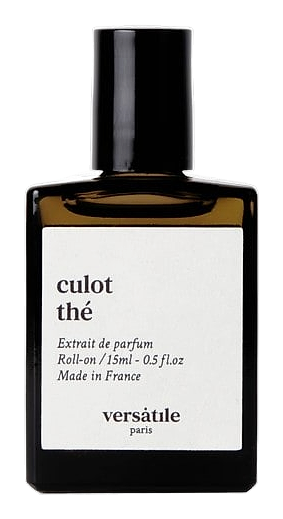
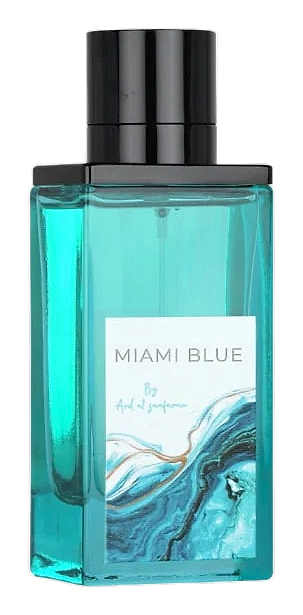
Fragrances featuring Citral

Brands
Brands known for Citral
Good to know
Questions, answered
The essentials on Citral in perfumery: how it smells, where it comes from, and how it behaves on skin.
What is citral in perfumery?
Citral is a monoterpene aldehyde that provides intense lemon and citrus character. It occurs naturally in lemongrass, Litsea cubeba, and lemon myrtle, and is also produced synthetically on a large scale.
Which plants contain the highest natural citral concentration?
Lemon myrtle (Backhousia citriodora) leads with up to 90% citral in its leaves, far surpassing lemongrass at 65-85% and Litsea cubeba at 65-75%.
How is citral produced commercially?
Most commercial citral is synthesized from petrochemical feedstocks including isobutylene. Natural citral is obtained via steam distillation of lemongrass or Litsea cubeba, yielding a concentrated aromatic extract.
What role does citral play in fragrance formulas?
Citral functions primarily as a top note, delivering immediate lemon brightness. It appears in citrus, aromatic, and fougère families, and is widely used in functional fragrances for soaps, detergents, and shampoos due to its high-impact fresh character.
Is natural citral better than synthetic citral for perfumery?
Chemically, they are identical. Natural citral carries subtle botanical context from its source plant. Synthetic citral offers consistency and scalability. The choice depends on formulation goals and the perfumer's material philosophy.
What safety considerations exist with citral in fragrances?
Citral has an IFRA restriction of 1.9% in finished consumer products due to its potential for skin sensitization at higher concentrations. These limits ensure safe use in commercial fragrance applications.
How does citral differ from whole citrus essential oils?
Whole citrus oils like lemon or bergamot contain dozens of aroma compounds including terpenes and esters. Citral isolates the dominant lemon note as a single molecule, providing consistent, concentrated lemon character without botanical variability.
What is the best way to store citral?
Store citral in airtight containers away from heat and light. It is volatile and prone to oxidation, which degrades both scent quality and fragrance performance. Cool, dark storage in dark glass extends shelf life significantly.