Indian Bay Leaf
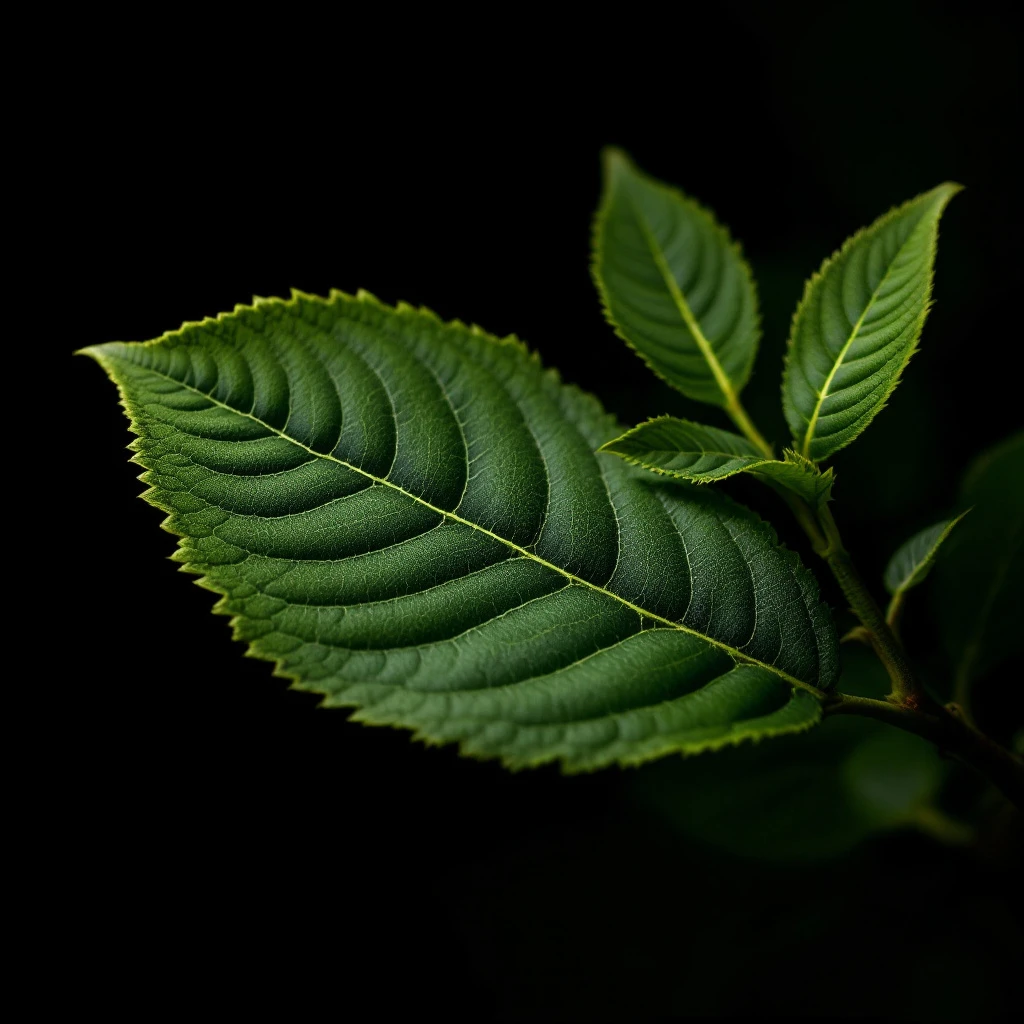
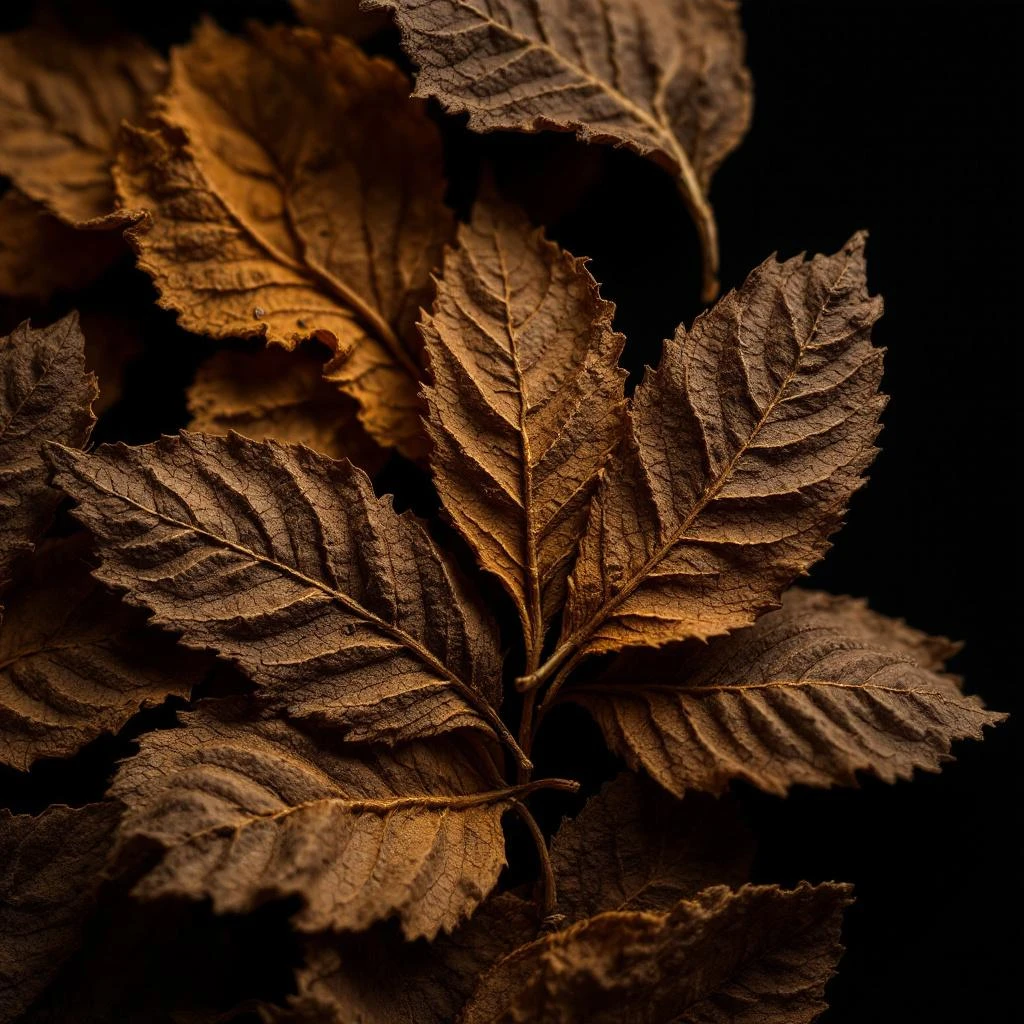
Indian bay leaf (Cinnamomum tamala) is a highly aromatic culinary spice from South Asia, prized in perfumery for its fresh, camphoraceous top notes and warm, spicy undertones.
Character
How it smells
A South Asian spice with camphor-fresh warmth
1838 Caribbean sailors accidentally discovered bay leaves, creating bay rum that remains a grooming staple two centuries later.





Origin
India
The origin of bay leaf traces most probably to South Asia, where Cinnamomum tamala, locally known as tejpat, has been woven into culinary and cultural traditions for centuries. Ancient trade routes carried the spice across the Mediterranean, Middle East, and beyond, where it became embedded in regional cuisines from Greece to Morocco. In perfumery, a parallel bay tradition emerged from the Caribbean.
In 1838, sailors discovered the leaves of Pimenta racemosa, a different but aromatically related species, leading to the accidental creation of bay rum. This aromatic aftershave and cologne rapidly became a grooming essential. Bay rum production spread across Caribbean labs and Western fragrance houses, cementing the bay note as a fixture in men's toiletries and perfumery.
Today, Indian bay leaf bridges culinary heritage and fine fragrance, valued equally as a kitchen essential and a treasured perfumery material.
Wears it best
Fragrances featuring Indian Bay Leaf



Brands
Brands known for Indian Bay Leaf
Good to know
Questions, answered
The essentials on Indian Bay Leaf in perfumery: how it smells, where it comes from, and how it behaves on skin.
What makes Indian bay leaf different from Mediterranean bay laurel?
Indian bay leaf (Cinnamomum tamala) belongs to the cinnamon genus, while bay laurel (Laurus nobilis) is a separate botanical family. Indian bay leaf carries stronger camphor and cinnamon-like warmth, making it distinct in both culinary and fragrance applications.
What does Indian bay leaf smell like in fragrance?
Indian bay leaf delivers a crisp, eucalyptol-forward top note with warm eugenol undertones reminiscent of clove. Base notes lean woody and subtly medicinal, creating a complex, fresh-yet-warm character.
Where does Indian bay leaf originate?
South Asia is the probable origin of bay leaf. Cinnamomum tamala thrives in the Himalayan foothills and remains central to Indian, Nepali, and Bhutanese cuisines and traditional medicine.
How is Indian bay leaf used beyond cooking?
Perfumery uses the essential oil and oleoresin extracted from Indian bay leaves. The oil appears in soaps, perfumes, dental products, and men's grooming lines, valued for its fresh, herbaceous bay character.
Does harvest season affect Indian bay leaf oil quality?
Yes. Winter-harvested leaves yield oil with the highest cineole content, producing a sharper, more medicinal aromatic profile ideal for certain fragrance applications.
What fragrance families pair well with Indian bay leaf?
Indian bay leaf harmonizes with citrus, spice (cinnamon, clove), and wood notes. It anchors fresh fougere and aromatic masculine compositions while adding complexity to oriental fragrance structures.
Are there safety concerns with Indian bay leaf in perfumery?
The essential oil contains eugenol and related compounds that may cause skin sensitization at high concentrations. Professional dilutions and IFRA compliance are essential for safe formulation.
How should Indian bay leaf materials be stored?
Essential oil and oleoresin should be stored in airtight, dark glass containers away from heat and light. Cool storage preserves cineole content and extends shelf life significantly.