Incense Stick
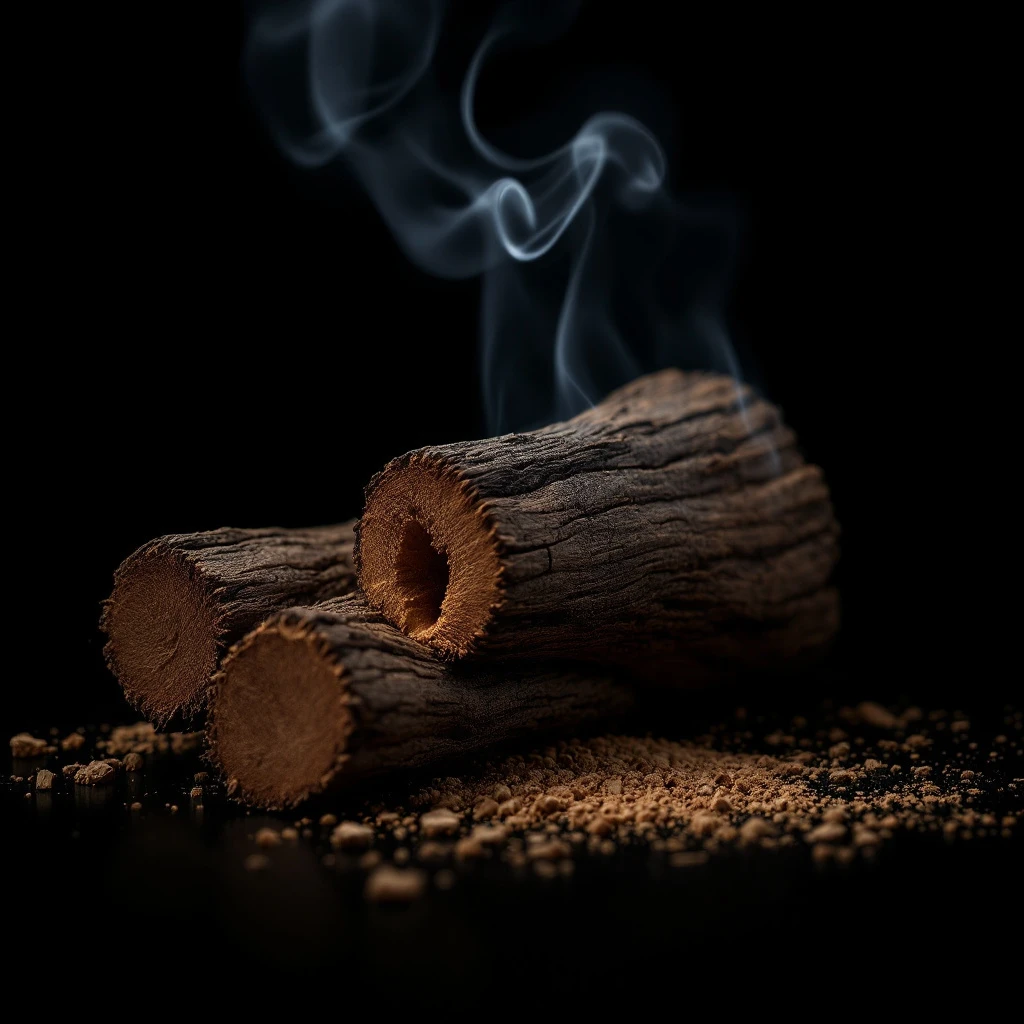
The smoke that carries memory. Incense transforms spaces into sanctuaries, its curling smoke bridging ancient ritual with modern desire for stillness and presence. A material that burns to become beautiful.
Character
How it smells
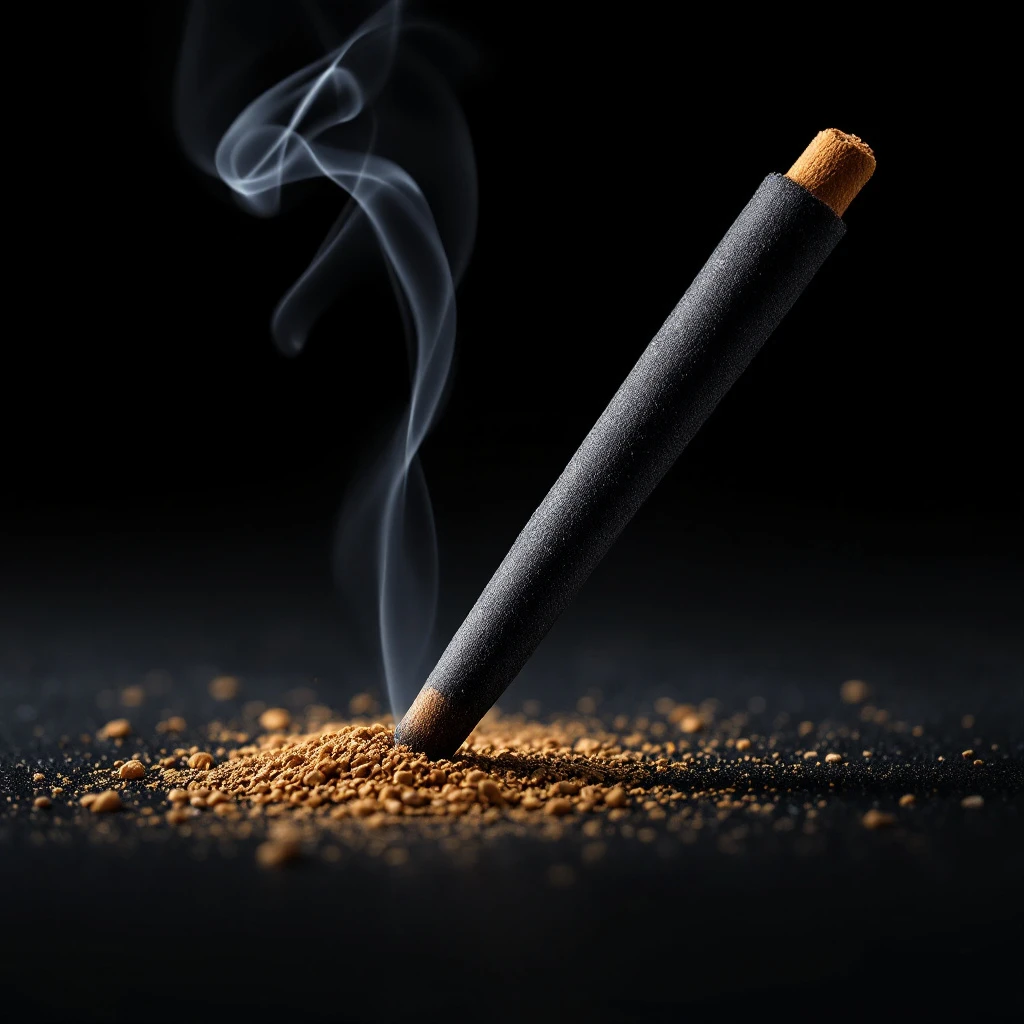
Sacred smoke, timeless presence.
The word 'incense' comes from the Latin 'incendere', meaning 'to burn' — this craft began simply with fire and intention.
Pairs beautifully with


Origin
India
The origins of incense reach back to ancient civilizations in Egypt, China, India, and Mesopotamia, where burning aromatic materials served spiritual and medicinal purposes. Egyptian priests used frankincense and myrrh in daily rites, while Mesopotamian texts from around 1200 BCE describe aromatic preparations that prefigure modern perfumery.
The word itself comes from the Latin 'incendere', meaning simply 'to burn'. Across cultures, incense marked the boundary between the everyday and the sacred — it purified temples in ancient India, accompanied Buddhist meditation in China, and perfumed the tombs of pharaohs in Egypt.
The resin trade routes, including the legendary Incense Route across the Arabian Peninsula, shaped the economic and cultural geography of the ancient world. Today, perfumers draw on both natural resin extracts and modern aromatic molecules that replicate the smoky, meditative character of burning incense, giving wearers access to that same sense of ritual stillness.
Wears it best
Fragrances featuring Incense Stick
Brands
Brands known for Incense Stick
Good to know
Questions, answered
The essentials on Incense Stick in perfumery: how it smells, where it comes from, and how it behaves on skin.
What does 'incense stick' mean in perfumery?
In perfumery, 'incense stick' refers to a fragrance style that evokes the smoky, meditative aroma of burning incense. It is built around resinous notes like frankincense and myrrh, often paired with woody or smoky base materials to recreate that ritual atmosphere in a wearable form.
Is incense a natural or synthetic ingredient?
Both. Natural incense comes from tree resins harvested in regions like the Horn of Africa, the Arabian Peninsula, and India. Modern perfumery also uses synthetic molecules that mimic incense smoke, giving perfumers consistent, sustainable options for the characteristic smoky, resinous effect.
What are the main types of incense resin used in perfumery?
The primary resins are frankincense (Boswellia), myrrh (Commiphora), and elemi (Canarium). Each offers a distinct profile: frankincense is citrusy and balsamic, myrrh is warm and slightly medicinal, and elemi brings sharp, spicy, lemon-like top notes to a composition.
What does incense smell like?
Incense smells smoky, resinous, and warm, with undertones that range from citrus and pine to dark, leathery depth. The specific character depends on the resin source — frankincense reads as clean and sacred, while myrrh tends toward darker, more animalic warmth.
How is incense resin harvested?
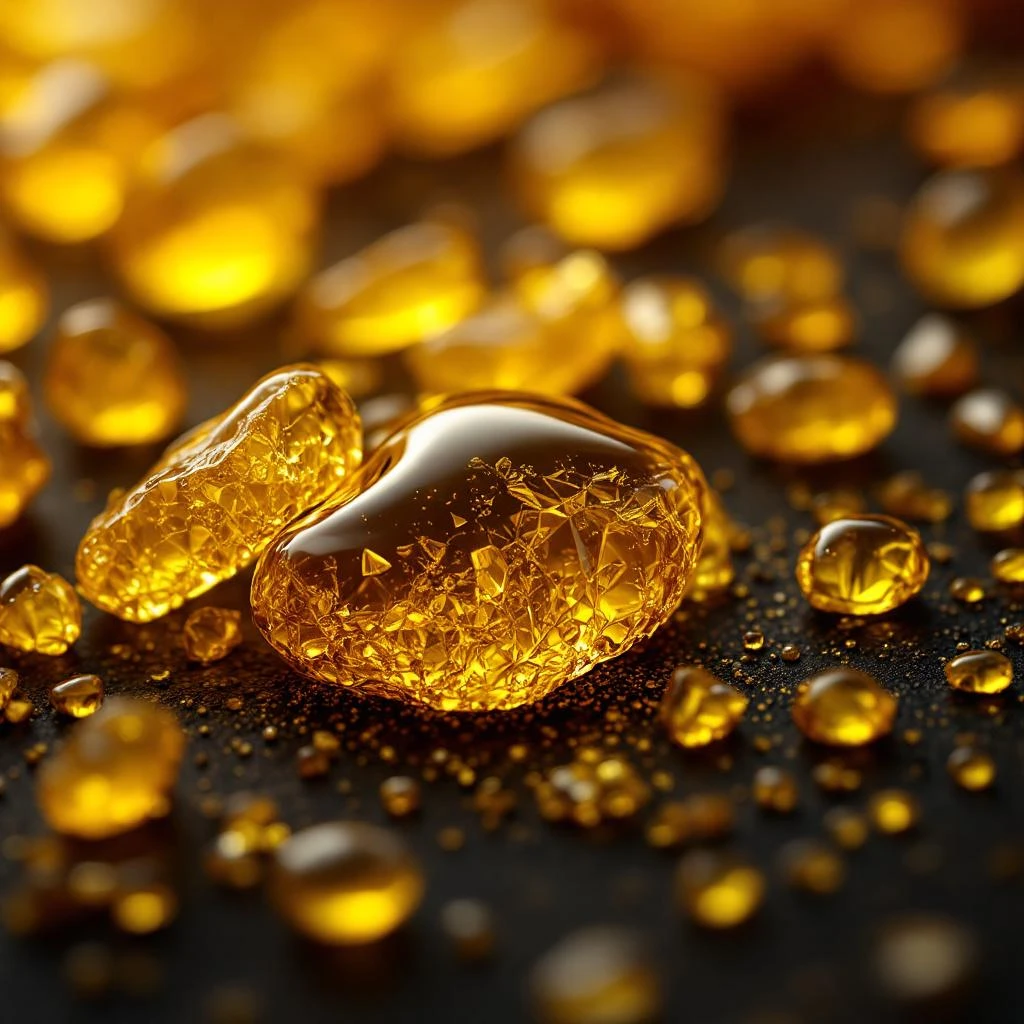
Resin is harvested through a process called tapping: farmers make shallow cuts in the bark of Boswellia or Commiphora trees, and the sap weeps out over days or weeks. It hardens naturally into tears or masses, which collectors gather by hand, sorting by quality and color.
What role did incense play in ancient cultures?
Incense served as a bridge between the material and spiritual worlds. Egyptian priests used it in daily temple rites, Indian traditions employed it in Ayurvedic practices, and Buddhist rituals across Asia used burning incense as an offering and a focal point for meditation.
Where does the best frankincense grow?
The finest frankincense grows in the arid, limestone-rich regions of the Horn of Africa — primarily Somalia — and along the southern Arabian Peninsula, particularly Oman. These specific conditions of heat and altitude produce resin with the highest concentration of aromatic compounds.
Can incense notes be found in modern perfumes?
Yes, incense notes appear across fragrance families. They anchor oriental and woody perfumes with depth and smoke, and have been embraced in modern minimalist fragrances as a way to introduce warmth and contemplative character without heaviness.