Honeydew Melon Sorbet
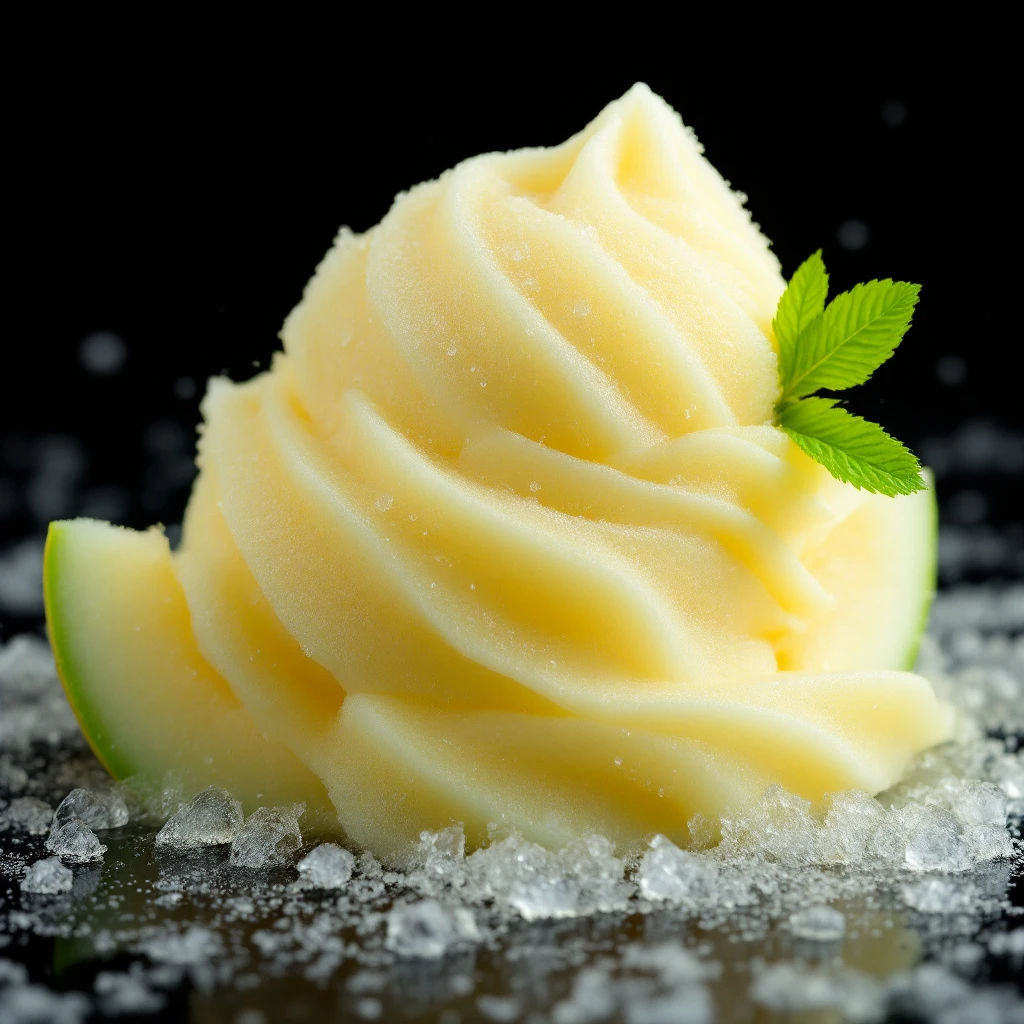
Honeydew melon sorbet captures the cool, watery sweetness of ripe melon in its most refreshing form. This modern fragrance accord evokes frosted fruit pulp, green rind, and a whisper of icy confection. It's an edible, thirst-quenching note that anchors summer compositions.
Character
How it smells
Frosted melon, crystallized into scent.
Melon scent molecules break down faster than almost any other fruity note, which is why perfumers anchor them with heavier musks called 'salicylates' for longevity.
Pairs beautifully with




Origin
Laboratory origin (first synthesized in Switzerland)
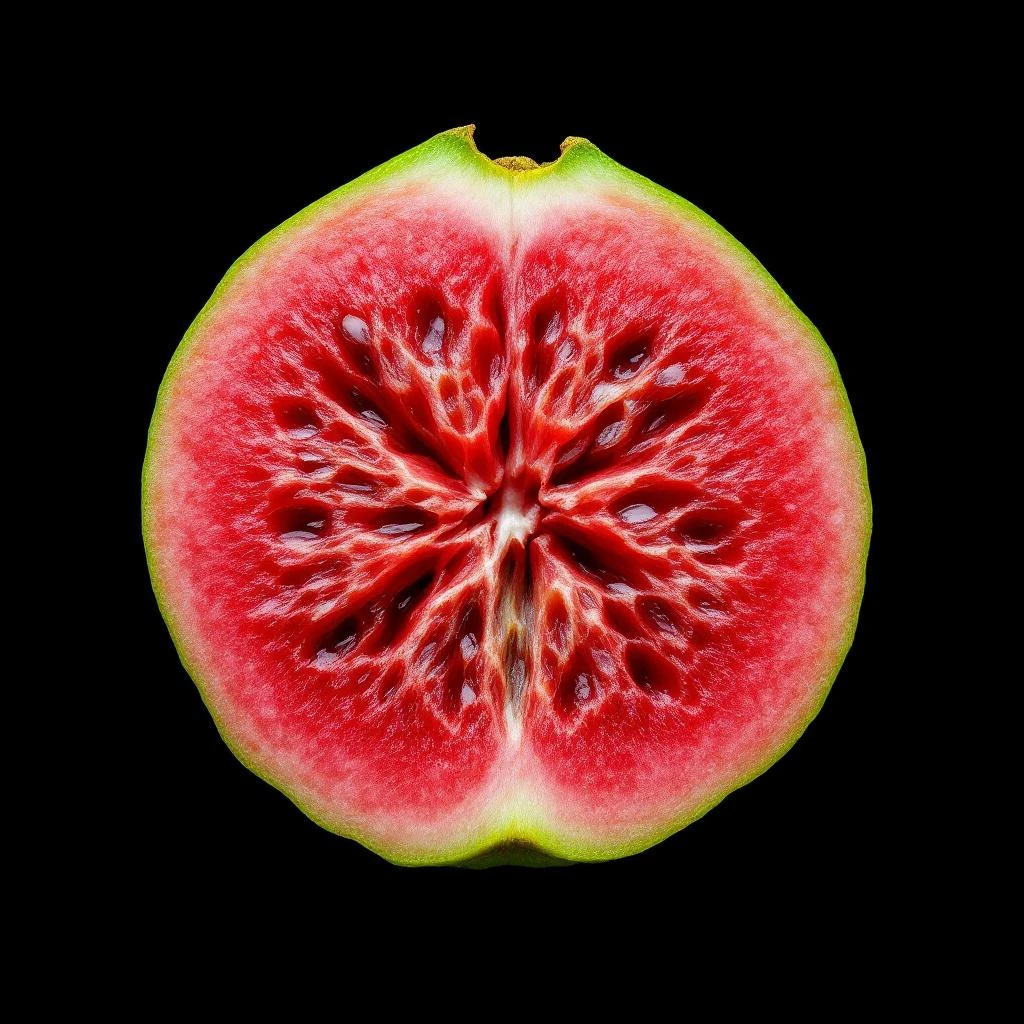
The melon family (Cucurbitaceae) has been cultivated for over 4,000 years, with ancient Egyptians and Mesopotamians growing early varieties along the Nile and Tigris. These cultures prized melons as food and ceremonial offerings, but never as a source of perfume. True melon fragrance in perfumery only became possible after the 1970s, when chemists at major aroma houses identified and synthesized 'melon aldehyde,' a compound originally isolated from fresh watermelon.
This breakthrough opened the door to an entire family of fruity-aquatic fragrances. The first commercial hit featuring prominent melon notes arrived in the 1990s, riding the wave of oceanic and fresh-sport scent trends. Since then, melon accords have appeared in hundreds of compositions, though always built from synthetic molecules.
Natural melon essence remains commercially unviable, making this one of the few fragrance notes that exists entirely as a modern invention.
Wears it best
Fragrances featuring Honeydew Melon Sorbet
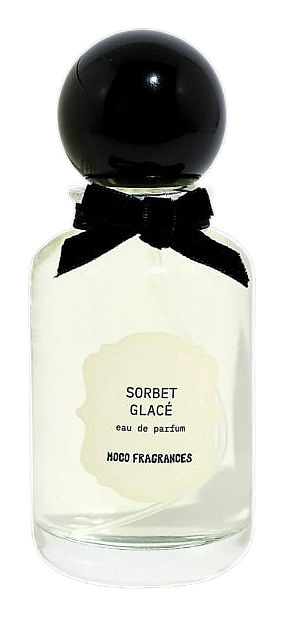
Brands
Brands known for Honeydew Melon Sorbet
Good to know
Questions, answered
The essentials on Honeydew Melon Sorbet in perfumery: how it smells, where it comes from, and how it behaves on skin.
Is honeydew melon sorbet a natural fragrance ingredient?
No. Real honeydew melon is roughly 90% water and contains almost no aromatic oils, so natural extraction yields virtually nothing. The scent is built entirely from synthetic aroma chemicals blended to smell like frozen melon.
What chemicals create the melon sorbet smell?
The primary component is 'melon aldehyde,' also known as watermelon ketone, discovered in the 1970s. Cooling agents like menthyl lactate and green notes like cis-3-hexenol round out the frosty fruit character.
When was melon first used in perfumery?
Synthetic melon notes entered commercial fragrances in the 1990s, following the isolation of melon aldehyde two decades earlier. Natural melon essence has never been commercially viable for perfumery.
Why does melon scent fade so quickly on skin?
Melon aldehyde and related compounds have very small molecular weights and evaporate within 30 to 60 minutes. Perfumers anchor them with heavier base notes called salicylates to extend wear time.
What fragrance families feature honeydew melon sorbet?
It appears most often in fresh, fruity-floral, and aquatic compositions. The note pairs especially well with white florals, cucumber, green tea, and light musks for sport and summer scents.
Is honeydew melon sorbet safe for sensitive skin?
Most melon aldehyde formulations are IFRA-compliant and considered low-irritation at typical usage levels, which range from 0.1% to 2% in finished fragrances. Patch testing is still recommended for reactive skin.
How does melon sorbet differ from regular melon notes?
Standard melon accords smell like ripe fruit at room temperature. Sorbet versions add cooling agents and a frosted edge, mimicking the sensory chill of frozen dessert rather than fresh-cut melon.
Can perfumers extract scent from real honeydew melons?
Practically, no. Steam distillation and cold pressing both fail because the fruit's volatile content is below 0.01%. Solvent extraction captures some aroma but at unsustainable cost, so synthesis remains the only realistic route.




