Pink guava
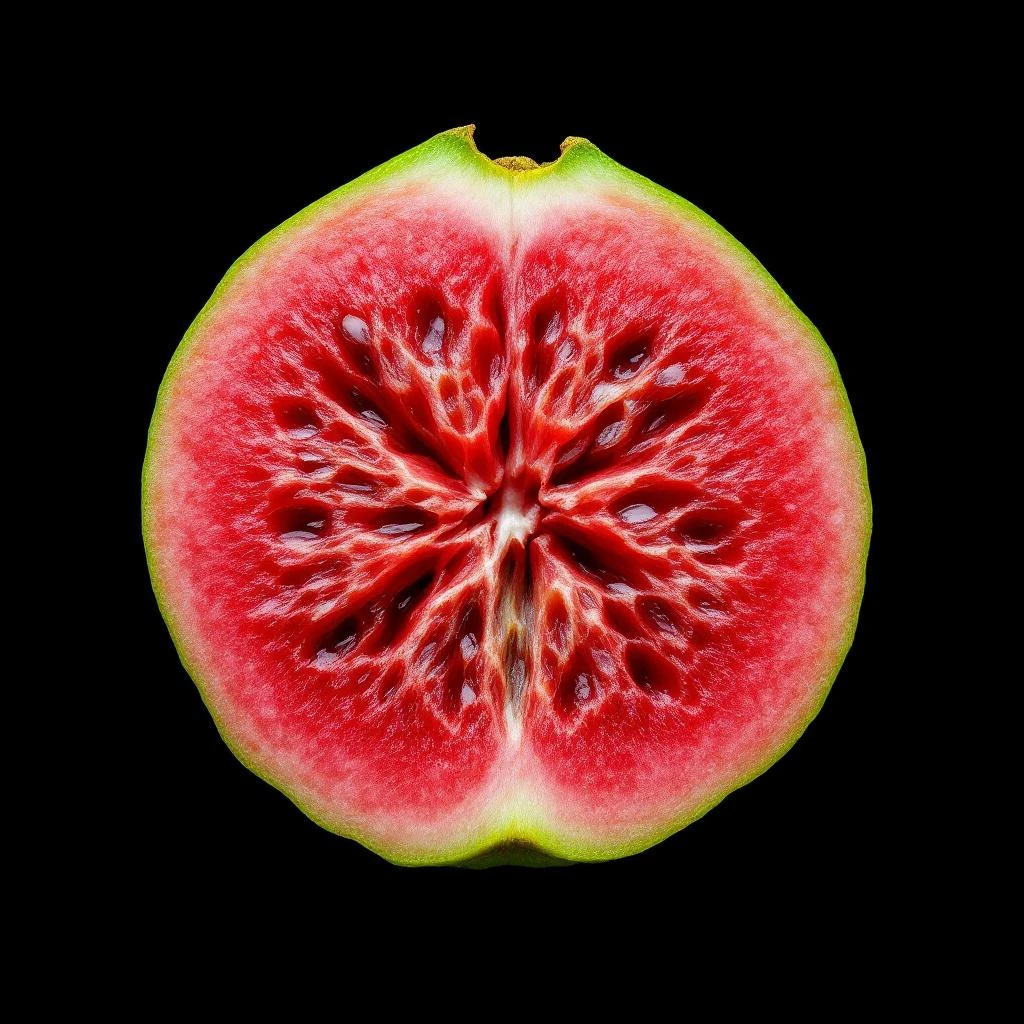
Pink guava brings a burst of tropical sunshine to fragrances with its sweet, slightly tart aroma and soft floral undertones. This sun-ripened fruit note captures that moment when the flesh yields to a juicy, almost berry-like scent.
Character
How it smells
Tropical sunshine captured in a scent.
There are over 150 guava varieties worldwide, but pink-fleshed ones contain higher concentrations of the ester compounds (primarily allyl caproate) that create their signature sweet-tart aroma.







Origin
Mexico
Pink guava (Psidium guajava) traces its origins to Central America and Mexico, where indigenous peoples cultivated it for thousands of years before European explorers encountered it. Spanish colonizers spread guava seeds across tropical regions during the 16th century, and the fruit became naturalized throughout the Caribbean, South America, and Southeast Asia.
While guava appeared in traditional medicine and culinary applications across many cultures, it remained largely absent from perfumery until the 20th century when organic chemists began isolating and synthesizing the fruit's aromatic compounds. Modern fragrance chemistry allows perfumers to capture pink guava's distinctive sweet-tart profile with remarkable precision, making it a staple tropical note in contemporary perfumery that would have been impossible to achieve with natural extracts alone.
Wears it best
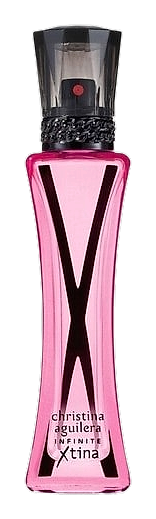
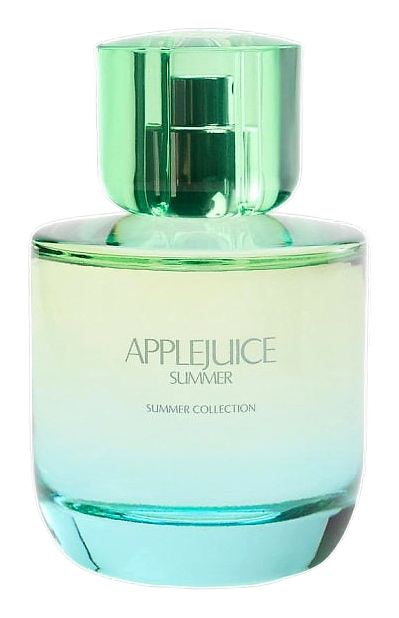
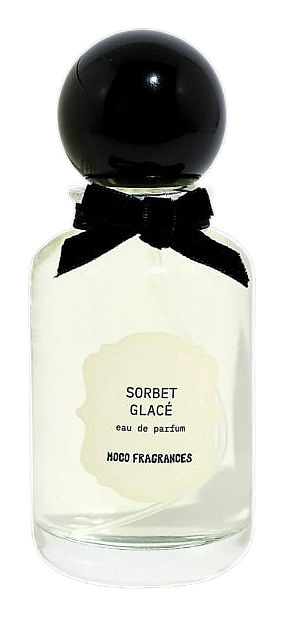
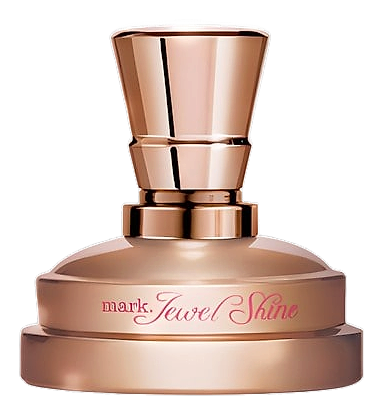
Fragrances featuring Pink guava

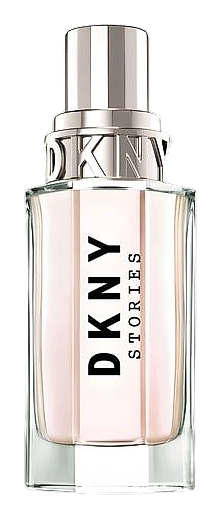
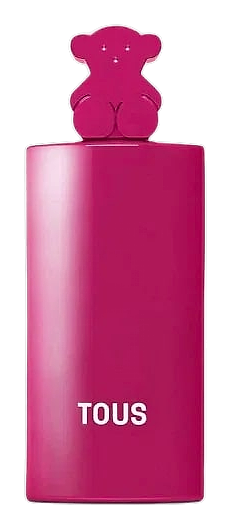
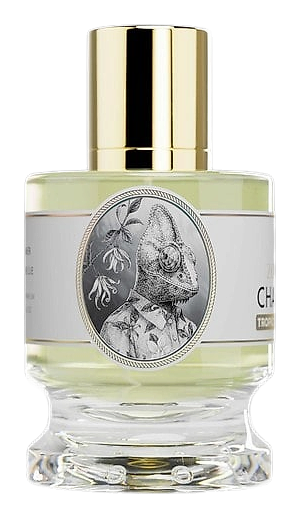
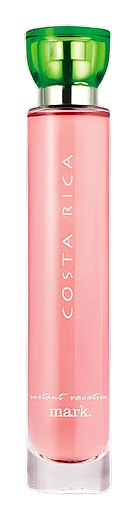
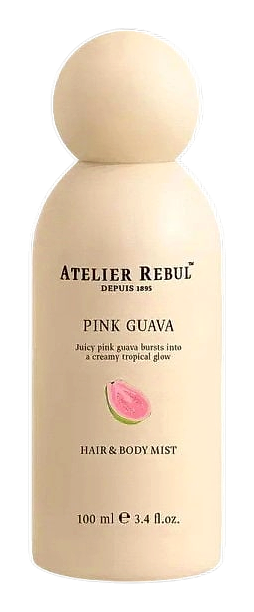
Brands
Brands known for Pink guava
Good to know
Questions, answered
The essentials on Pink guava in perfumery: how it smells, where it comes from, and how it behaves on skin.
Is pink guava used as a natural or synthetic ingredient in perfumery?
Pink guava in perfumery is almost exclusively synthetic. Natural guava essence is difficult to extract and lacks stability, so perfumers use synthesized aromachemicals like allyl caproate to replicate the fruit's characteristic sweet-tart profile.
What compounds give pink guava its distinctive tropical scent?
The primary aromatic compound is allyl caproate, which provides the sweet-fruity character. Supporting compounds like methyl benzoate add floral depth while ethyl butyrate contributes berry-like undertones, creating the complete guava accord.
How does pink guava differ from other tropical fruit notes like mango or passionfruit?
Pink guava occupies a unique space between sweet and tart with floral undertones. It reads as less saccharine than mango, less exotic than passionfruit, and carries a subtle berry quality that sets it apart from other tropical fruit notes.
In which fragrance families does pink guava most commonly appear?
Pink guava appears primarily in bright tropical and fruityOLFACTORY families. It works particularly well in summer fragrances, fruity-floral compositions, and playful citrus arrangements where it adds juicy complexity without overwhelming lighter notes.
What colors or images do perfumers typically associate with pink guava notes?
Perfumers associate pink guava with sun-drenched tropical mornings, ripe fruit flesh showing that characteristic blush-pink interior, and the first bite of a guava where the skin gives way to reveal juicy, aromatic flesh.
Does pink guava have any seasonal associations in perfumery?
Pink guava reads as a summer scent due to its bright, juicy character. It appears most frequently in spring and summer fragrance collections and is used sparingly in autumn and winter compositions where deeper, warmer notes dominate.
Can pink guava work as a standalone fragrance note or only as a supporting element?
Pink guava functions well as both a lead and supporting note. As a primary note, it creates energetic, uplifting compositions. As a supporting element, it adds freshness and juiciness to floral, woody, or aquatic fragrances.
What perfumery techniques enhance pink guava's tropical character?
Pairing pink guava with green notes like fig leaf or galbanum enhances its fresh, just-cut quality. Combining it with creamy coconut or vanilla amplifies tropical depth, while blending with marine notes creates modern aquatic interpretations with fruity warmth.