Honey Myrtle
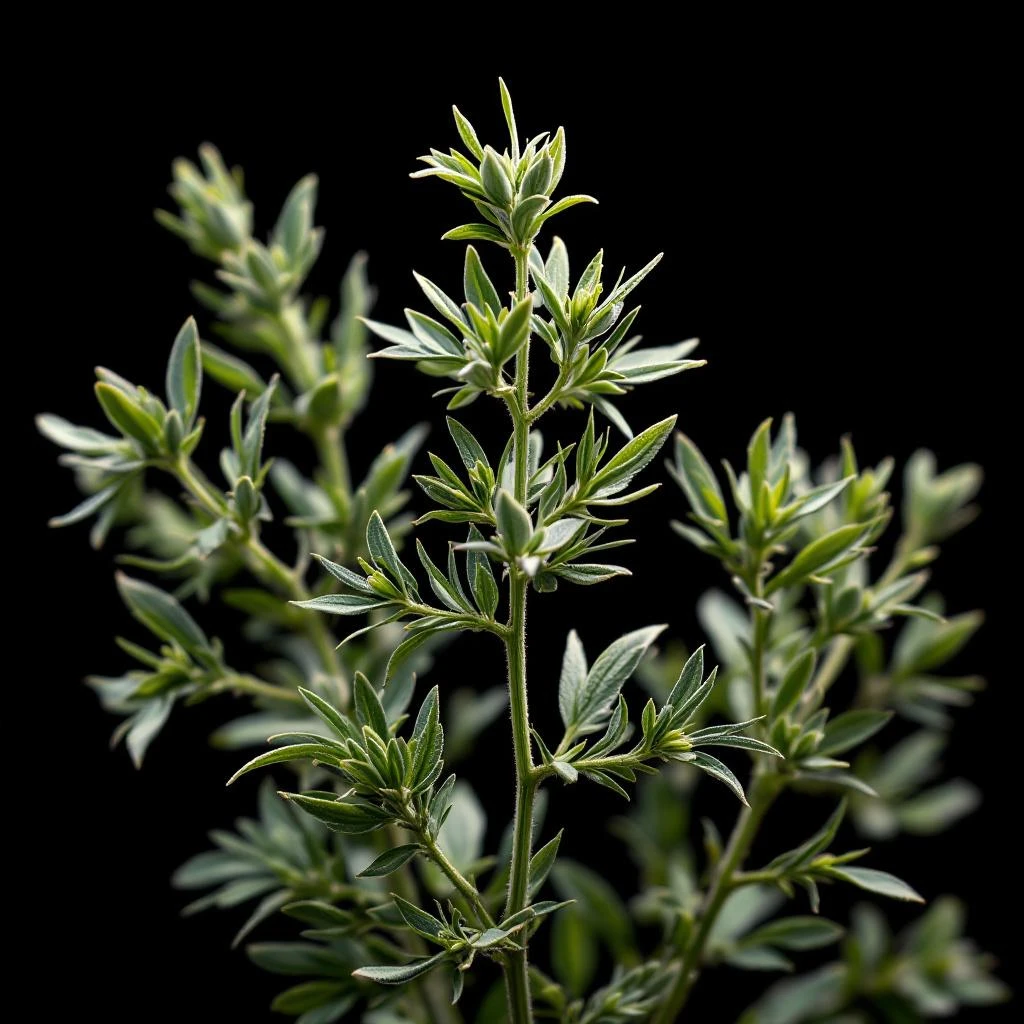
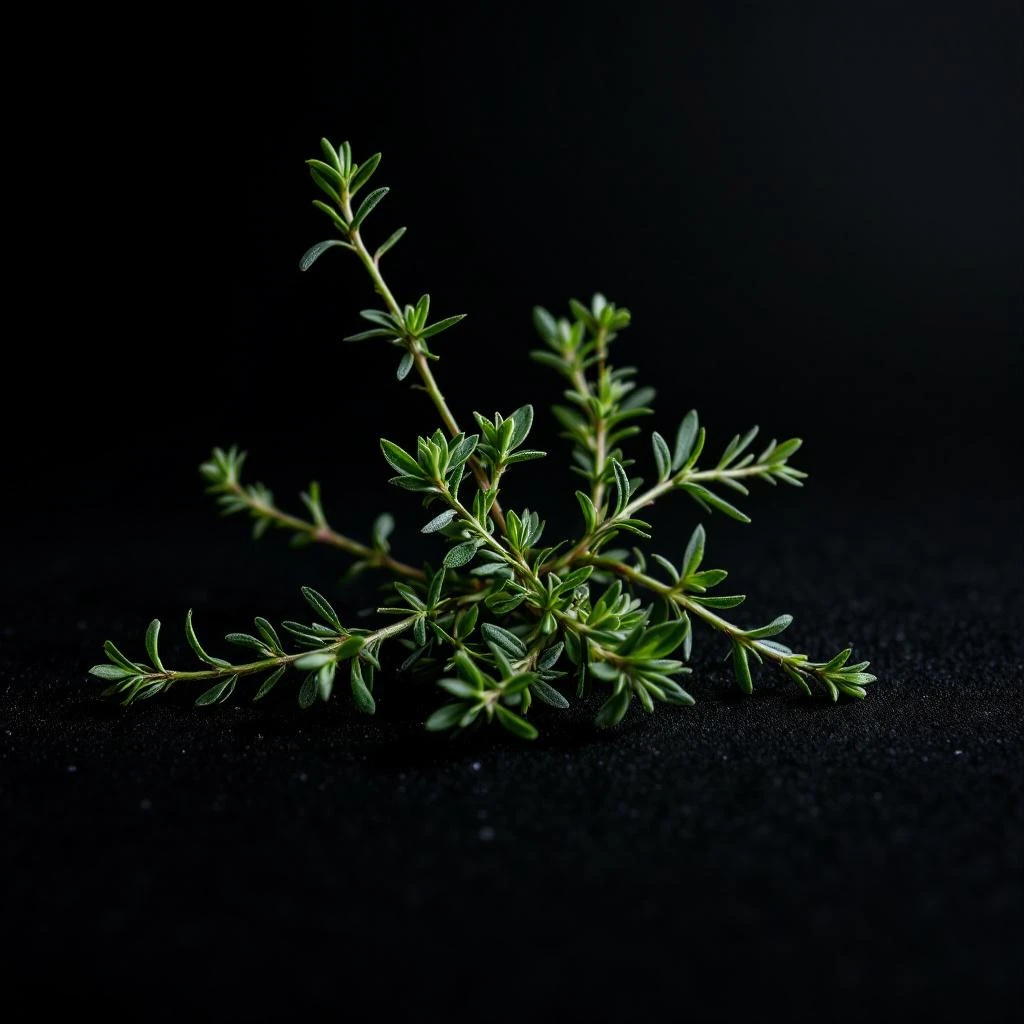
Honey Myrtle (Melaleuca teretifolia) is a Western Australian shrub whose nectar-rich flowers yield a warm, sweet-honeyed essential oil. It brings a golden, tea-like softness to modern perfumery.
Character
How it smells
Australia's sweet wild honey, bottled
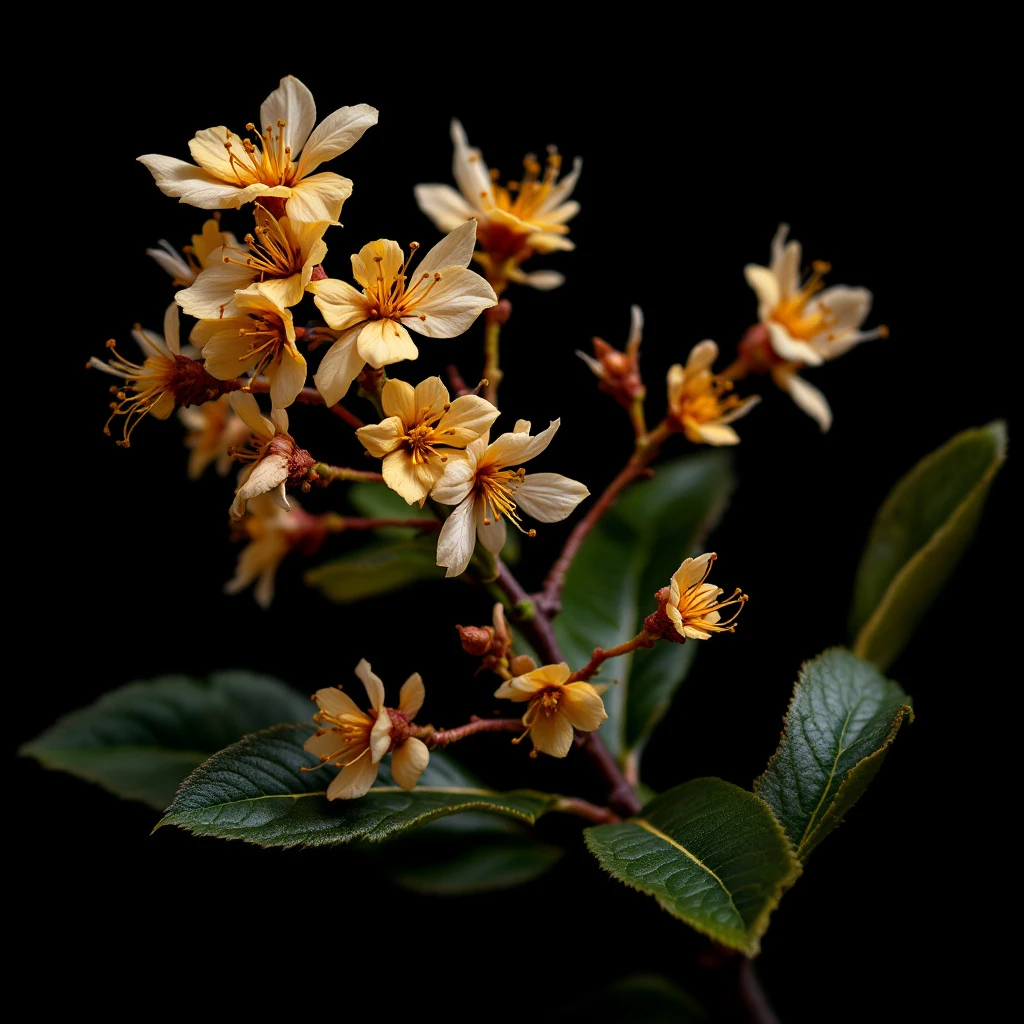
Despite its name, Honey Myrtle attracts native birds and insects with sweet floral nectar, and its essential oil contains high levels of the same citronellol found in rose and geranium.
Pairs beautifully with
Origin
Australia
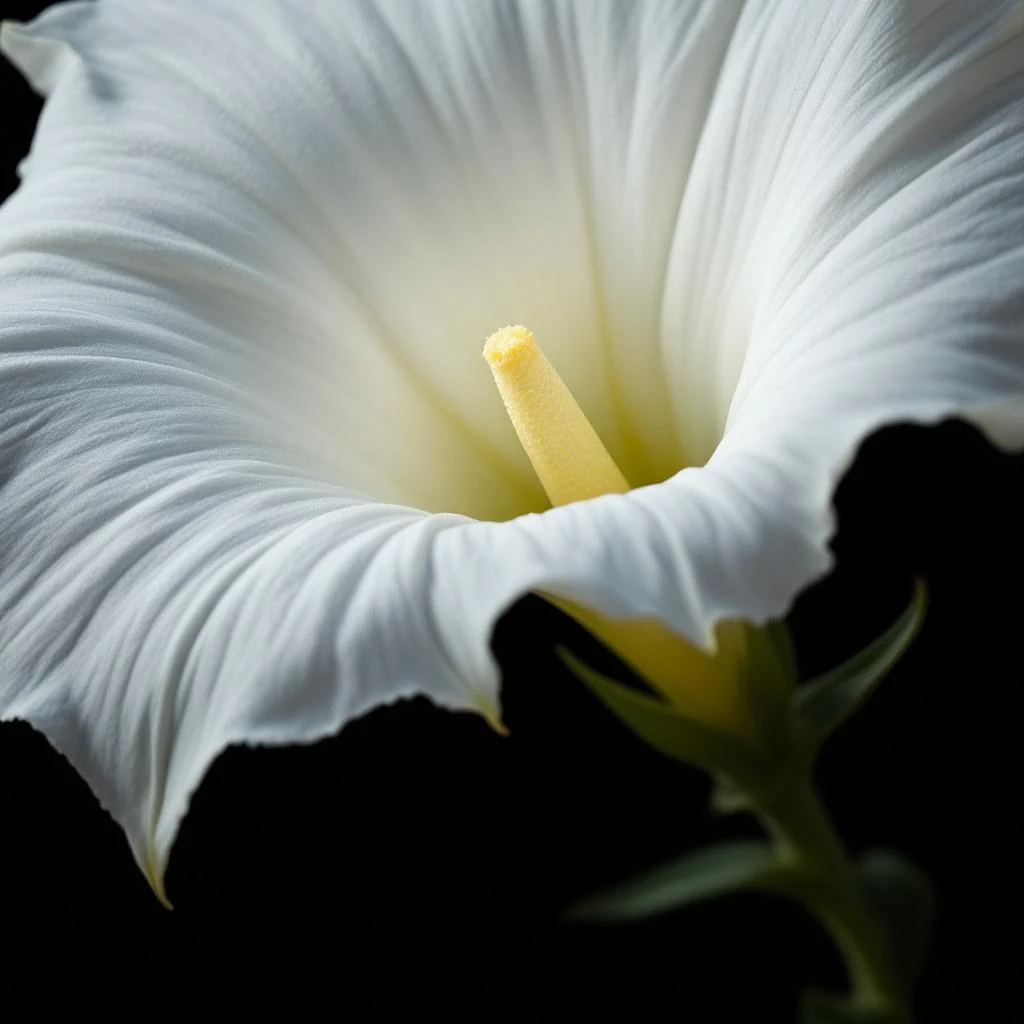
Honey Myrtle takes its name from the abundant sweet nectar its small white brush flowers produce, a feature long observed by Indigenous communities across southwest Western Australia who valued the plant as a seasonal food source. The genus Melaleuca was formally catalogued by botanist Stephan Endlicher in 1837, and Melaleuca teretifolia itself was described during 19th century surveys of the Swan Coastal Plain.
Its entry into perfumery is comparatively recent. Essential oil analysis accelerated in the 1990s, when researchers documented its unusually high citronellol content, drawing the attention of natural perfumers seeking sustainable alternatives to rose and geranium.
By the early 2000s it had begun appearing in niche and artisan fragrances as a soft, honeyed modifier. Today it represents one of the few commercially distilled native Australian aromatics with a distinct presence in contemporary perfumery, valued for its gentle sweetness and botanical provenance.
Wears it best
Fragrances featuring Honey Myrtle

Brands
Brands known for Honey Myrtle
Good to know
Questions, answered
The essentials on Honey Myrtle in perfumery: how it smells, where it comes from, and how it behaves on skin.
What does Honey Myrtle smell like?
Honey Myrtle essential oil smells warm, softly sweet, and slightly herbal, with notes resembling dried blossoms, gentle tea, and a delicate honey-like undertone. The aroma is subtle rather than rich, making it an approachable floral modifier in blends.
Is Honey Myrtle the same as Tea Tree?
Both belong to the Melaleuca genus, but they are different species. Honey Myrtle (Melaleuca teretifolia) is valued for its sweet, nectar-like aroma, while Tea Tree (Melaleuca alternifolia) is known for its medicinal, camphoraceous scent.
Where does Honey Myrtle grow?
Honey Myrtle is native to southwest Western Australia, where it thrives in sandy soils and seasonally wet heathlands. Wild populations remain the primary source for essential oil production.
How is Honey Myrtle essential oil made?
Producers extract Honey Myrtle oil through steam distillation of the leaves and flowering tops. Steam passes through the plant material, releases the volatile oils, and condenses into a separable hydrosol and essential oil layer.
Is Honey Myrtle oil sustainable?
Most Honey Myrtle oil comes from wild-harvested stands under Western Australian management plans, and plantation cultivation is expanding. Responsible sourcing helps protect native bushland and supports Indigenous-involved supply chains.
What perfumes use Honey Myrtle?
Honey Myrtle appears primarily in niche and artisan natural fragrances as a soft, honeyed modifier. It is less common in mainstream designer perfume, where it is often substituted by geranium or rose for cost reasons.
What blends well with Honey Myrtle?
Honey Myrtle pairs smoothly with citrus oils like bergamot, woody bases such as sandalwood and cedar, and resinous notes including frankincense. Its soft sweetness also complements green notes and light florals.
Does Honey Myrtle contain citronellol?
Yes. Chemical analysis shows Honey Myrtle oil contains notable levels of citronellol, a compound also prominent in rose and geranium, which contributes to its soft, sweet, slightly rosy character.