Honey Meringue
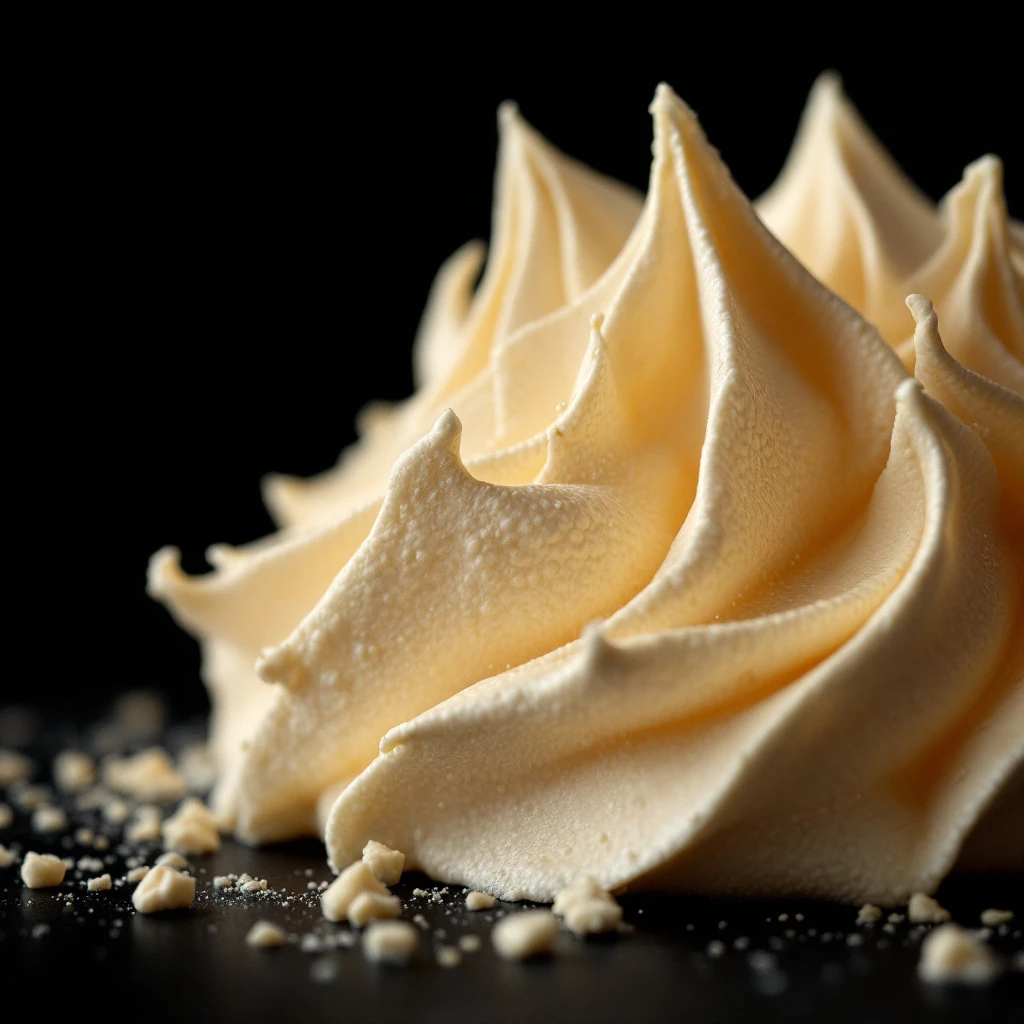
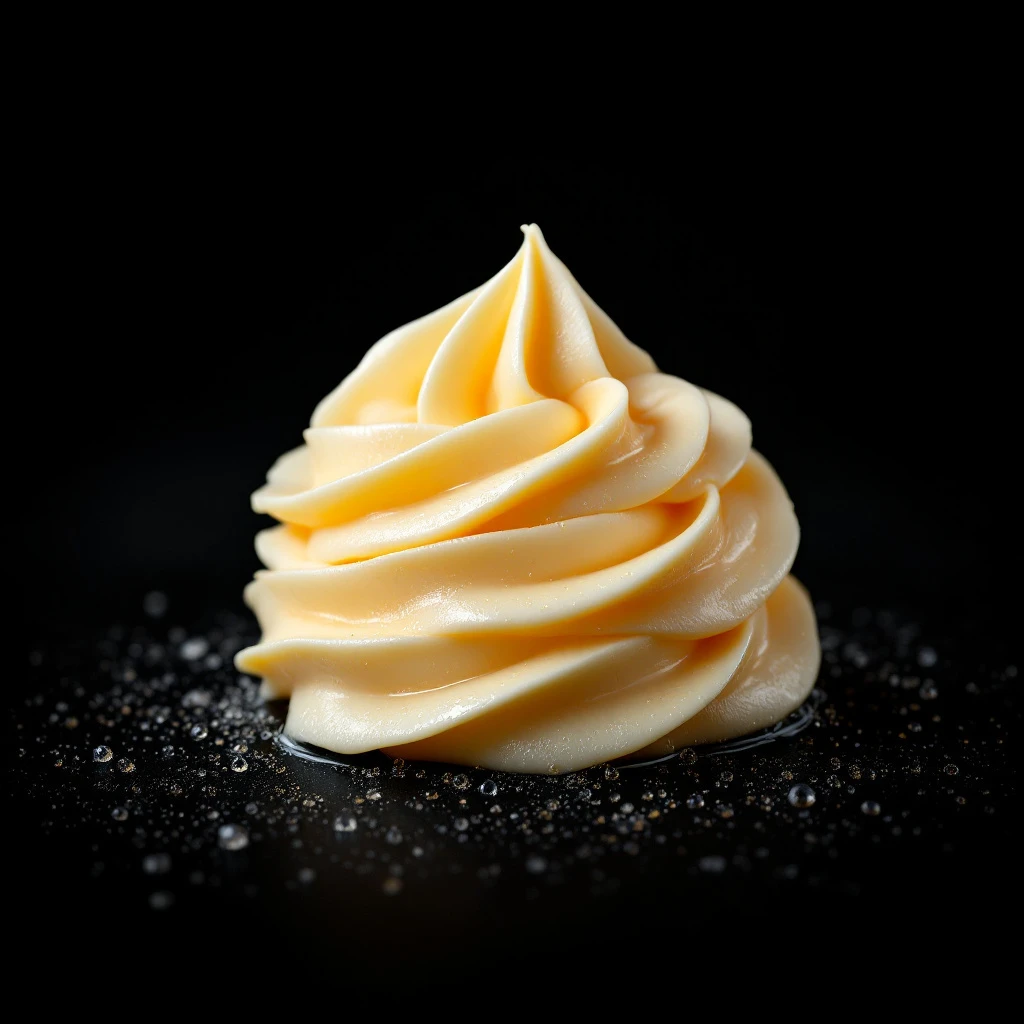
Golden, whipped sweetness with a delicate caramelized edge. Honey Meringue brings the airy crispness of torched sugar and warm beeswax into modern fragrance compositions, capturing confection without the calories.
Character
How it smells
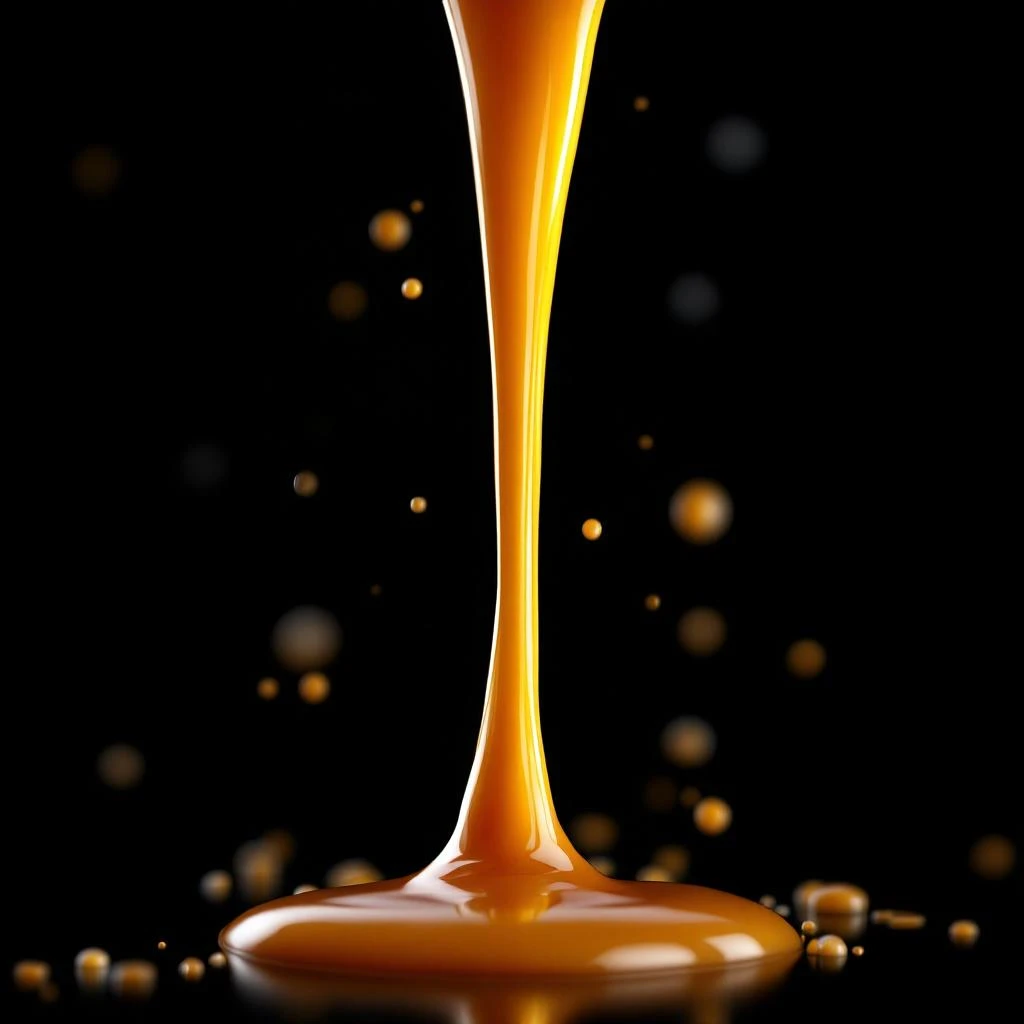
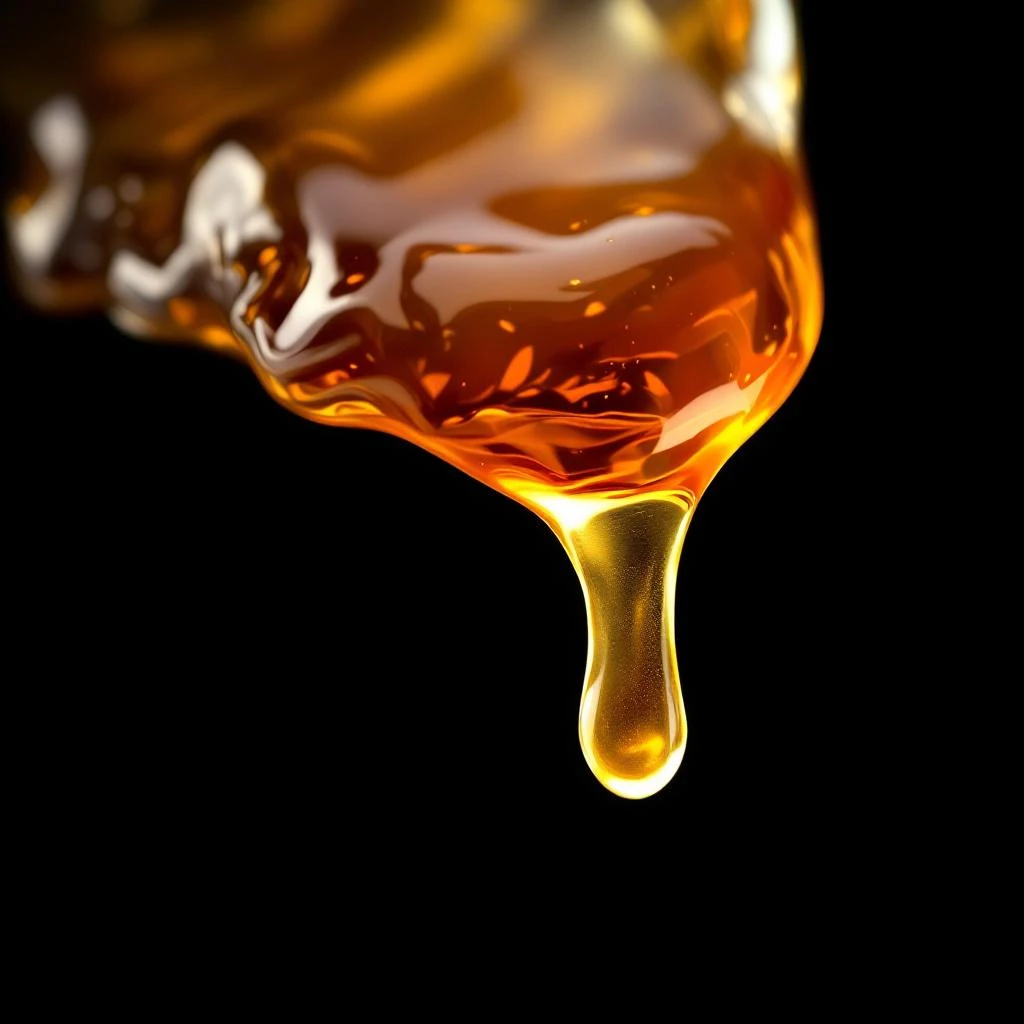
Toasted sugar, spun golden, cloud-soft.
Honey was one of the earliest documented perfume ingredients, used in Mesopotamian and Egyptian rituals as early as 4,500 BC, long before distillation existed.
Pairs beautifully with

Origin
France
Honey stands among the oldest fragrance substances known to humanity. Archaeological work has uncovered perfume workshops from roughly 2,000 BC in both Egypt and Cyprus, where unguent jars often contained traces of honey, resins, and aromatic oils. Egyptian temple rituals referenced honey-scented offerings as early as 4,500 BC, where it symbolized purification and the divine sweetness of the gods.
Beeswax itself entered perfumery when ancient craftsmen discovered that comb wax, when heated with plant oils, released a soft, honeyed aroma that anchored more volatile florals. Through the medieval period, honey and wax appeared in pomanders and ceremonial unguents across Europe and the Middle East. The modern interpretation, Honey Meringue, emerged in the late twentieth century alongside the gourmand fragrance movement, when perfumers began treating edible notes as serious artistic materials rather than novelty.
Today the accord bridges ancient apian tradition with contemporary confectionery imagination.
Wears it best
Fragrances featuring Honey Meringue
Brands
Brands known for Honey Meringue
Good to know
Questions, answered
The essentials on Honey Meringue in perfumery: how it smells, where it comes from, and how it behaves on skin.
What does Honey Meringue smell like in perfume?
It smells like toasted sugar and warm honey with a soft, whipped-cream texture. The note carries caramelized sweetness balanced by beeswax warmth, avoiding the flat syrup quality that pure sugary accords can produce.
Is Honey Meringue a natural or synthetic note?
It is typically a reconstructed accord built from synthetic molecules like ethyl maltol, often enriched with natural beeswax absolute. This hybrid approach gives perfumers consistency and control that raw honey alone cannot provide.
Which fragrance families feature Honey Meringue?
Gourmand and oriental families use it most heavily. It also appears in modern florientals, where its sweetness offsets white florals and adds a confectionary dimension to amber compositions.
How long does Honey Meringue last on skin?
The caramelized sugar elements last around 4 to 6 hours, while the beeswax base can linger past 8 hours as a soft skin-scent. Longevity depends heavily on the concentration of supporting base notes.
What ingredients pair well with Honey Meringue?
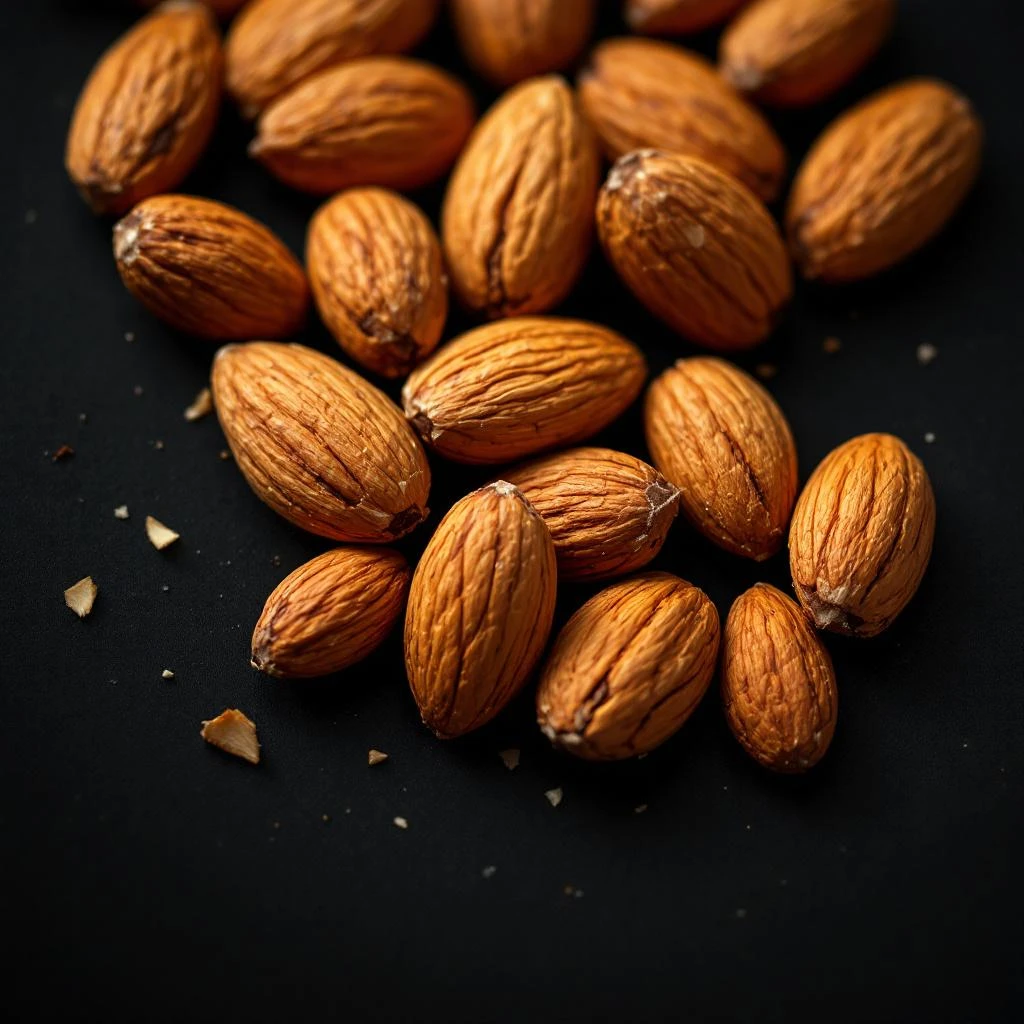
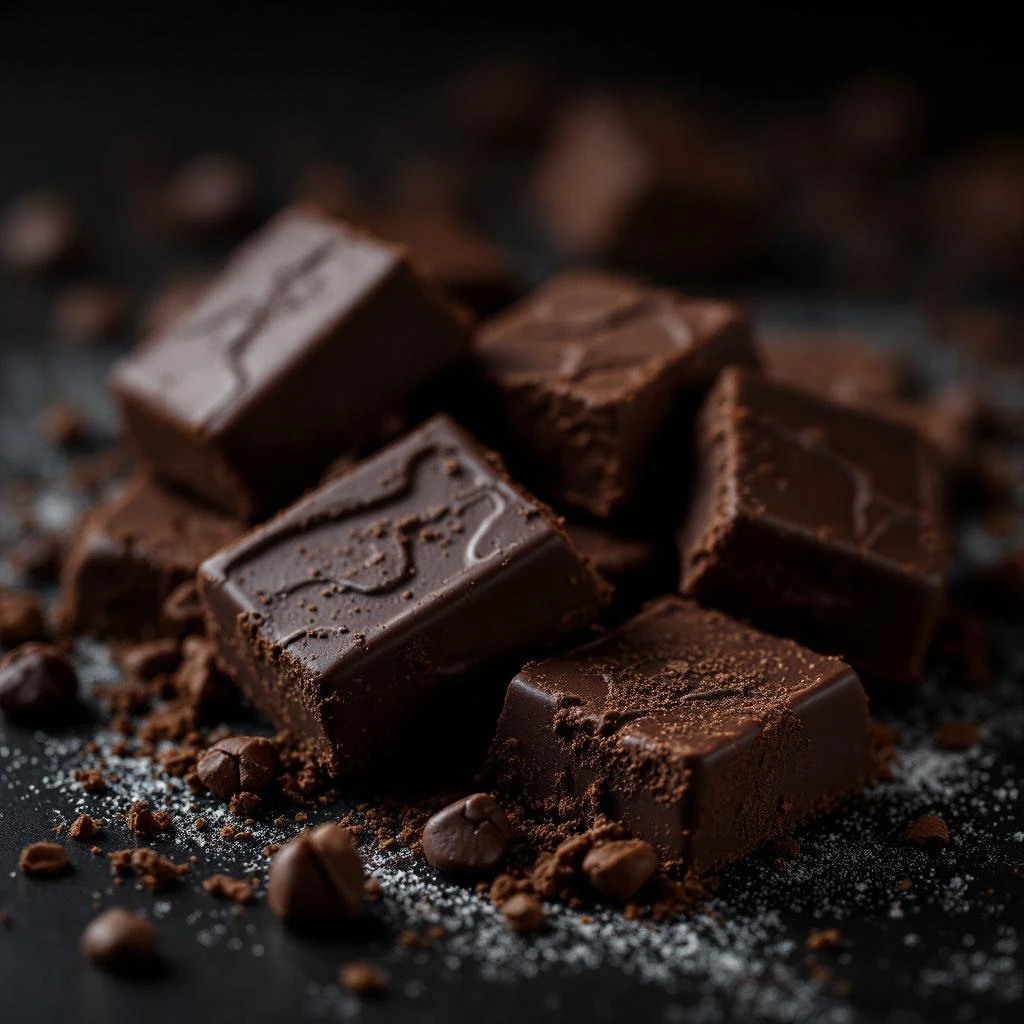
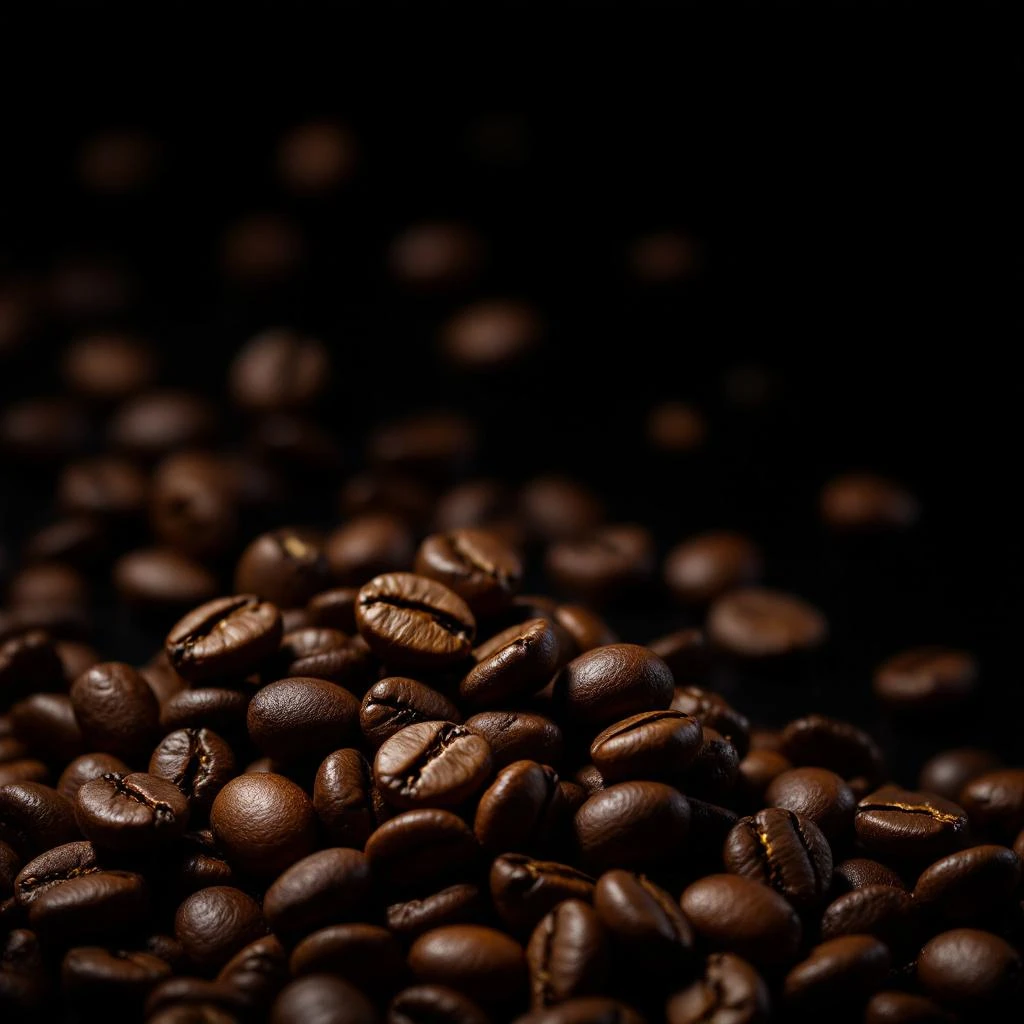
Vanilla, tonka bean, and benzoin deepen its warmth, while bergamot and pink pepper add brightness. For contrast, perfumers often pair it with smoky tea or roasted almond notes.
Does Honey Meringue contain real honey?
Some formulations include honey absolute, but most rely on synthetic recreators because raw honey varies batch to batch and does not project well in alcohol-based perfume. The accord aims for the impression of honey, not literal replication.
When did honey first appear in perfumery?
Honey appears in fragrance records from ancient Mesopotamia and Egypt, with documented use dating back roughly 6,000 years. It was one of the first sweetening agents combined with aromatic resins in ritual oils.
Is Honey Meringue suitable for sensitive skin?
Synthetic reconstructions tend to be gentler than raw honey absolute, which can contain pollen allergens. Anyone with bee-product sensitivities should review ingredient lists carefully before wearing honey-forward fragrances.