Honey Cream
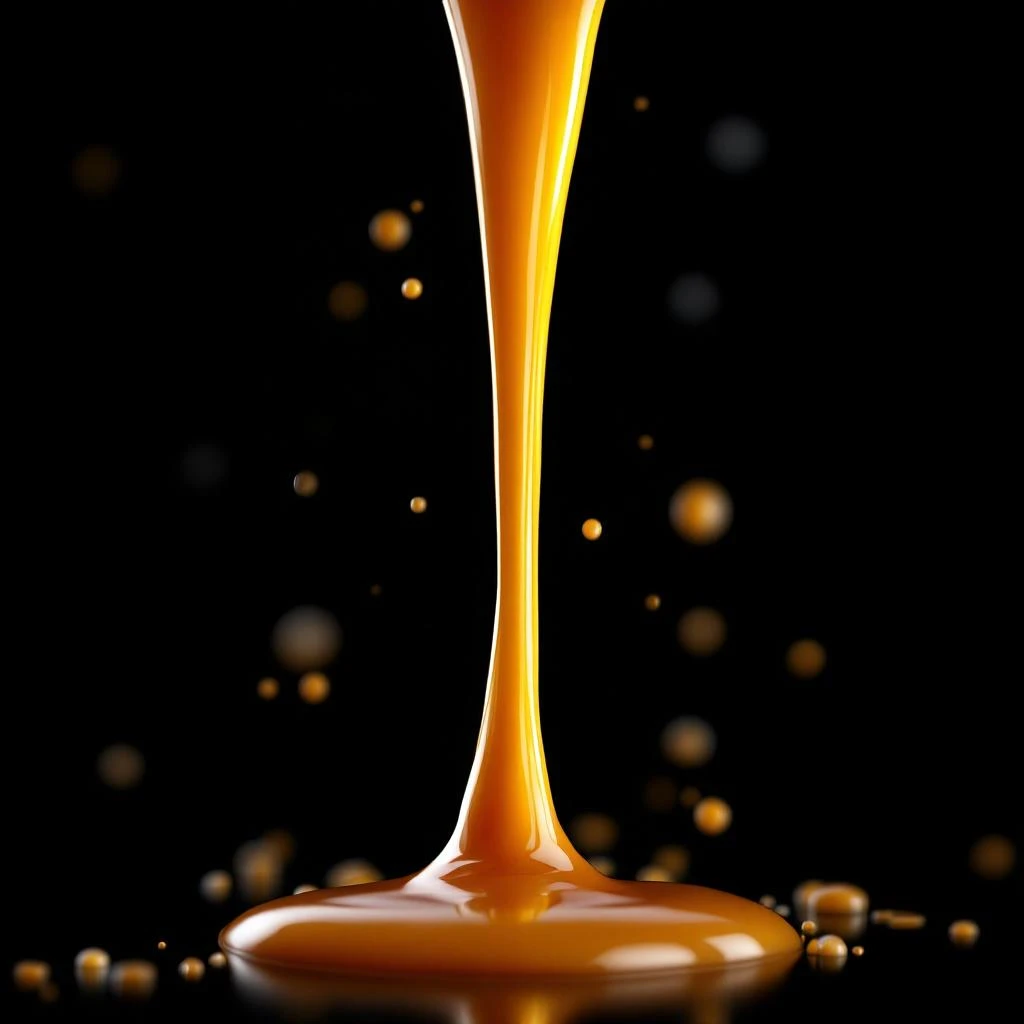
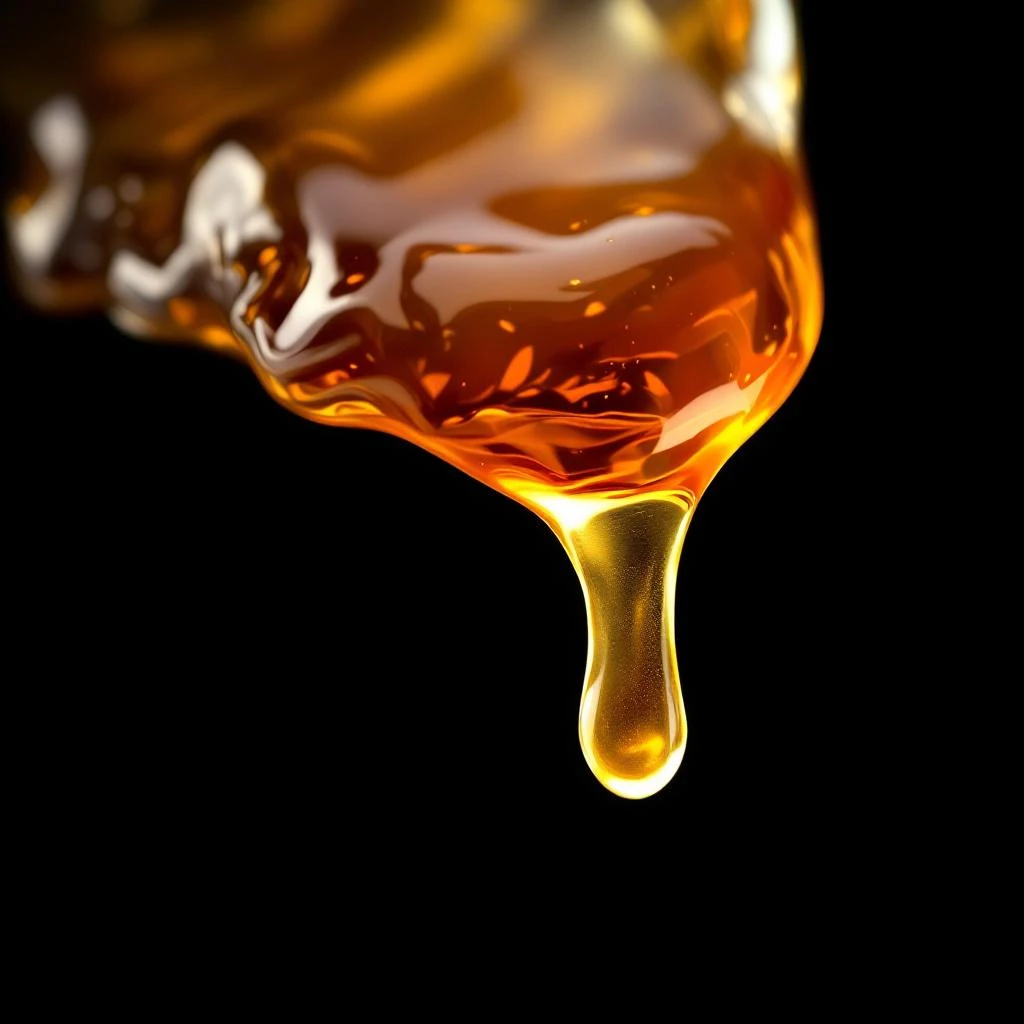
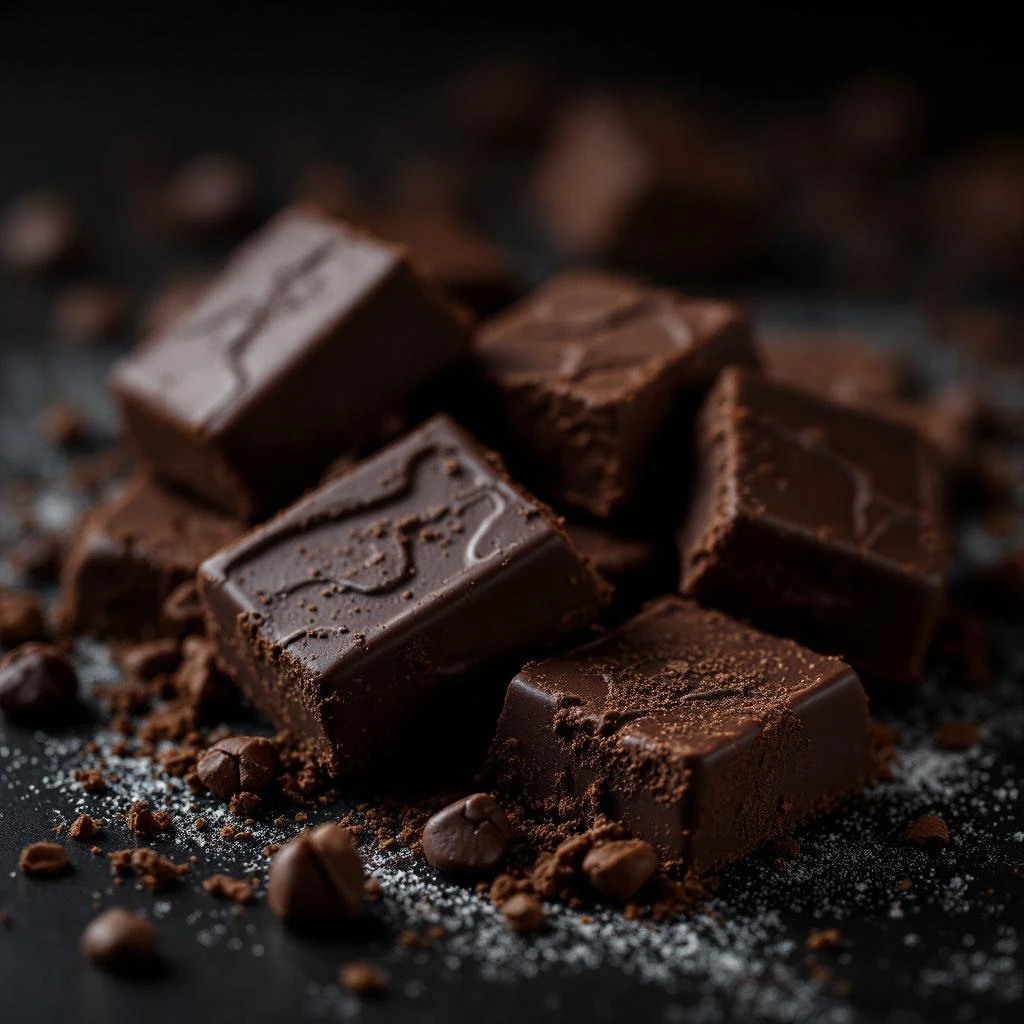
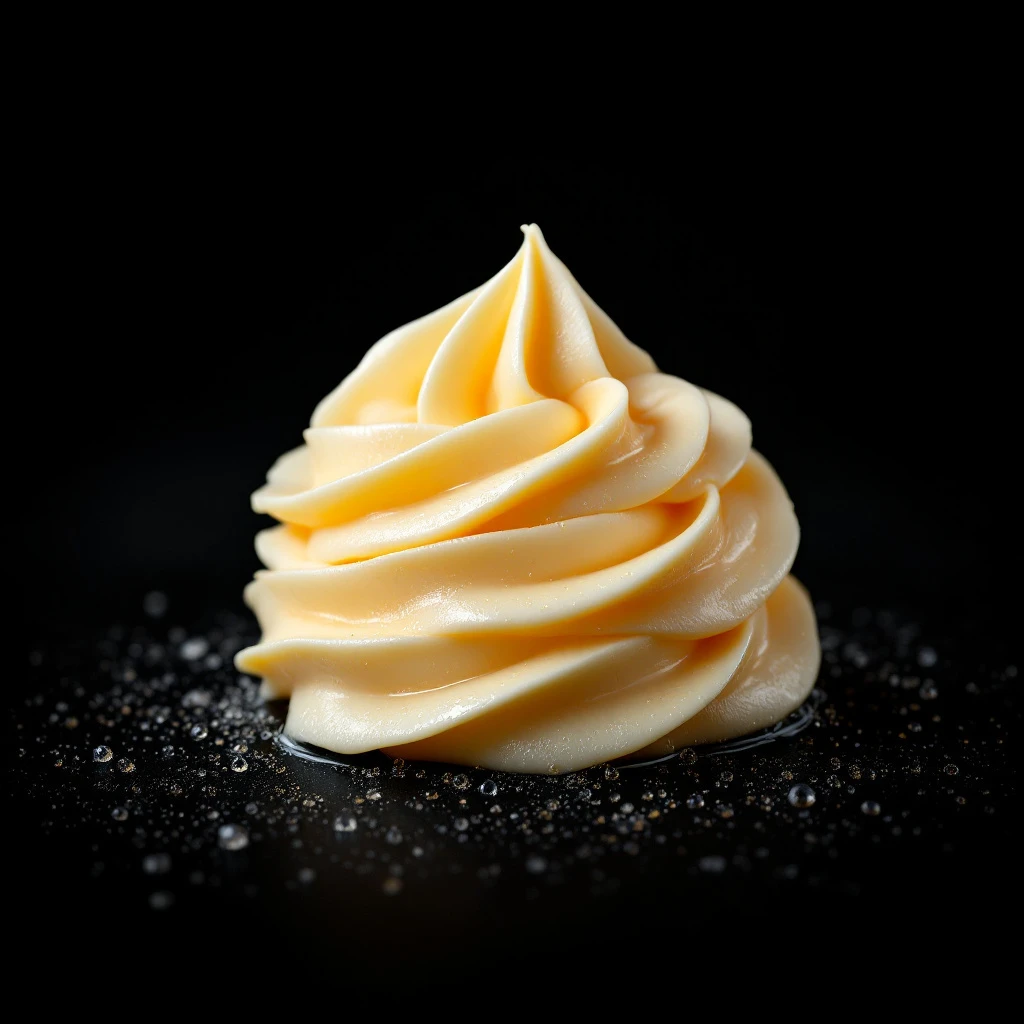
Honey Cream captures the warm, buttery sweetness of raw honey folded with a soft milky smoothness, lending compositions an edible, sunlit richness.
Character
How it smells
Golden sweetness wrapped in silk.
Bees must visit roughly two million flowers to produce just 500 grams of the honey used in perfumery accords.
Pairs beautifully with

Origin
Egypt
Honey appears among the oldest recorded perfume ingredients. Egyptian tomb hieroglyphics from roughly 3000 BCE depict beeswax and honey in unguent jars and ritual anointing oils, valued as much for their sacred associations as their scent. In ancient Mesopotamia, perfumers around 2000 BCE were already combining honey with resins and flower oils to produce incense and fragrant unguents.
Greek physicians including Hippocrates recommended honey-scented balms, while later Arab chemists, notably Ibn Sina in the early 11th century, advanced distillation techniques that allowed honey and floral waters to be blended with far greater precision. The creamy, lactonic facet we associate with Honey Cream today, however, is largely a 20th-century construction. As synthetic chemistry matured, perfumers isolated phenylacetic acid and gamma-decalactone, compounds that mimic the milky warmth of honey without requiring animal-derived inputs.
This made the modern gourmand accord both reproducible and widely accessible, defining countless oriental and gourmand fragrances from the 1990s onward.
Wears it best
Fragrances featuring Honey Cream
Brands
Brands known for Honey Cream
Good to know
Questions, answered
The essentials on Honey Cream in perfumery: how it smells, where it comes from, and how it behaves on skin.
What does the Honey Cream note smell like?
Honey Cream smells like warm, raw honey layered with a soft, milky smoothness and a faint buttery richness. It reads as gourmand and comforting, often described as edible or sunlit rather than purely floral.
Is Honey Cream made from real honey?
Sometimes. Traditional honey absolute is solvent-extracted from beeswax, not directly from liquid honey. Many modern formulations use synthetic lactones and phenylacetic acid to replicate the creamy sweetness without animal-derived materials.
What fragrance families use Honey Cream?
Honey Cream appears most often in oriental, amber, and gourmand compositions, where it bridges floral hearts with resinous or vanillic bases. It also softens fougère and tobacco accords by adding warmth.
Is the Honey Cream note vegan?
It depends on the formula. Honey absolutes derive from beeswax, so they are not vegan. Compositions built entirely from synthetic lactones and aromatic acids can replicate the scent in a fully vegan-friendly way.
How was honey used in ancient perfumery?
Egyptian and Mesopotamian perfumers combined honey with resins, oils, and flower waters as early as 3000 BCE, using it in ritual unguents and incense. Honey added sweetness, fixative power, and sacred symbolism to early fragrance blends.
What synthetics mimic Honey Cream in perfumery?
Perfumers commonly use phenylacetic acid for the sweet honey facet and gamma-decalactone or other lactones for the creamy, milky warmth. Together, these compounds reconstruct the accord without requiring natural honey absolute.
How long does Honey Cream typically last on skin?
Honey Cream functions as a base-to-heart note with moderate-to-good longevity, usually lasting six to ten hours depending on concentration and supporting ingredients. Its lactonic and balsamic undertones fix it well within a composition.
Can Honey Cream be layered with other gourmand notes?
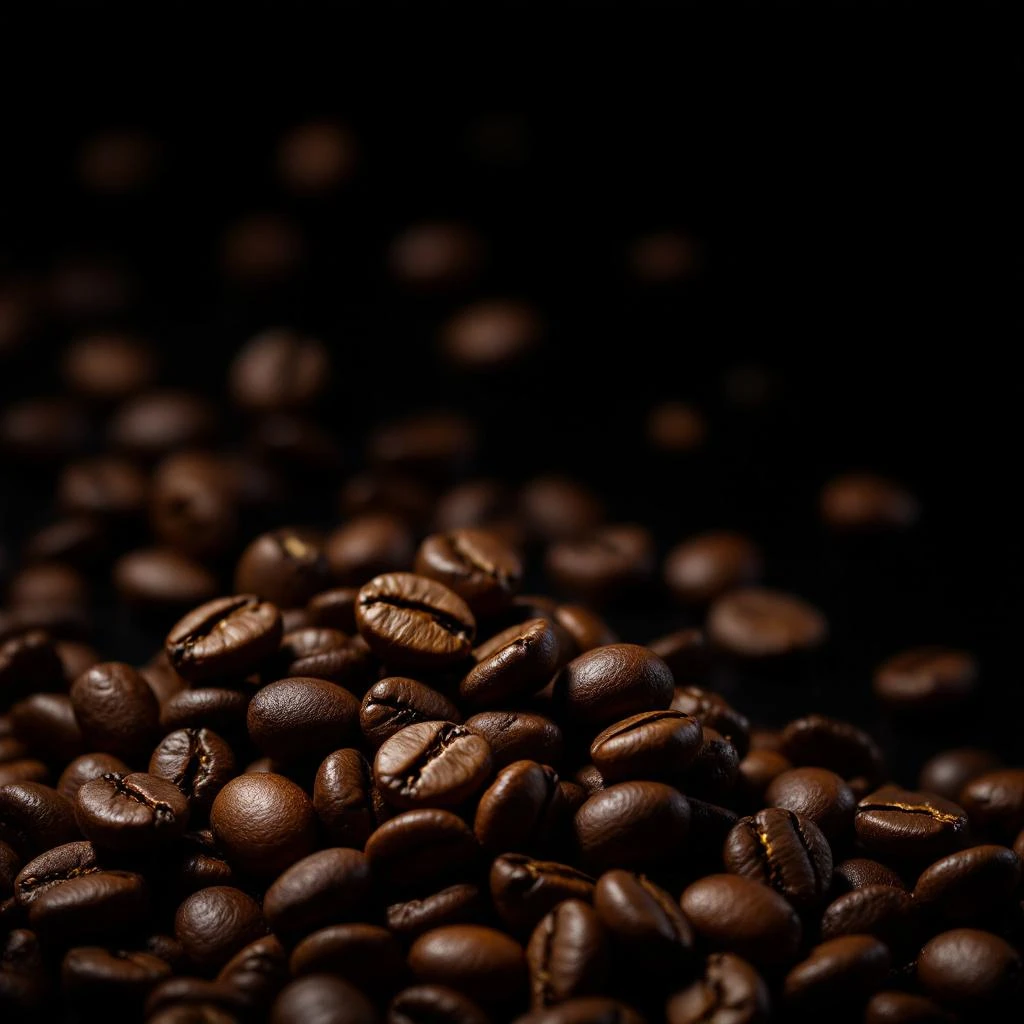
Yes. Honey Cream pairs naturally with vanilla, tonka, caramel, and almond accords, amplifying sweetness without becoming cloying. It also balances bitter or smoky notes like coffee, tobacco, and leather.