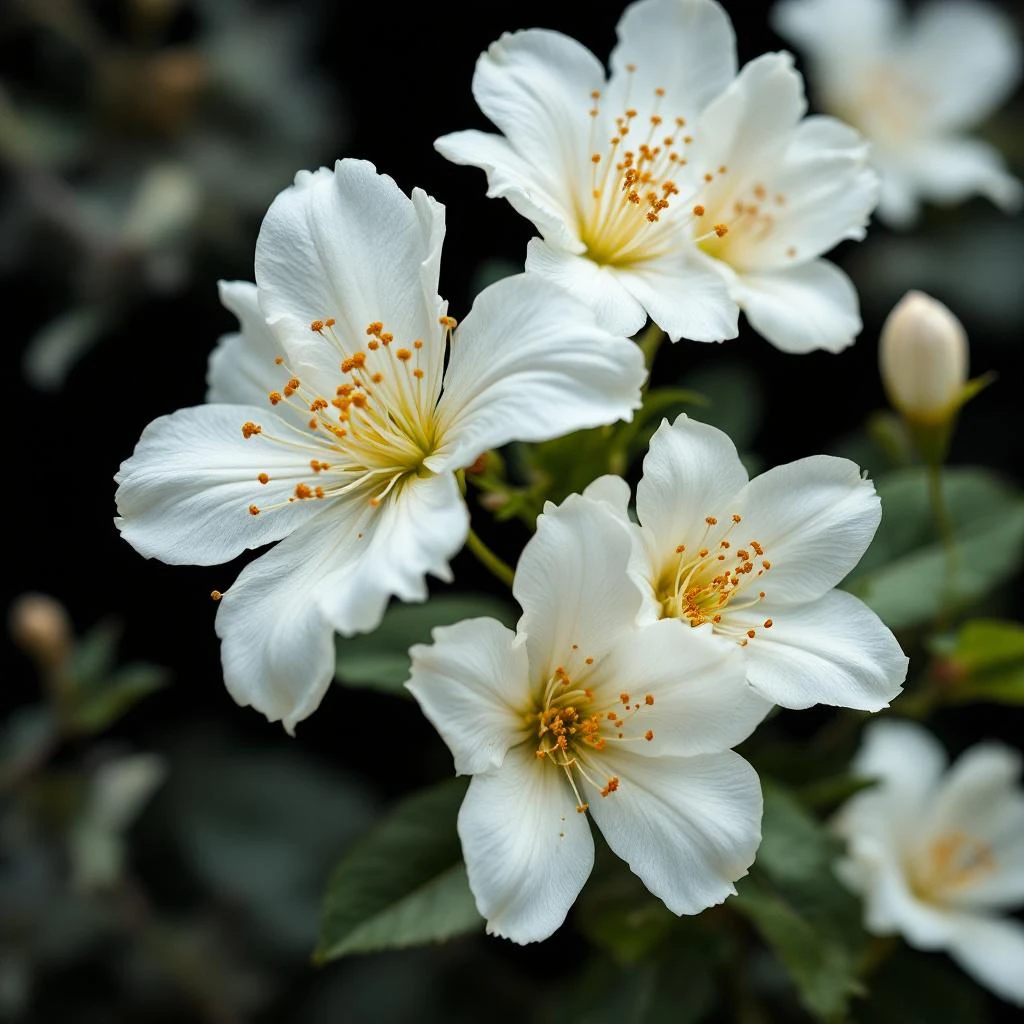
Hazelnut Flower
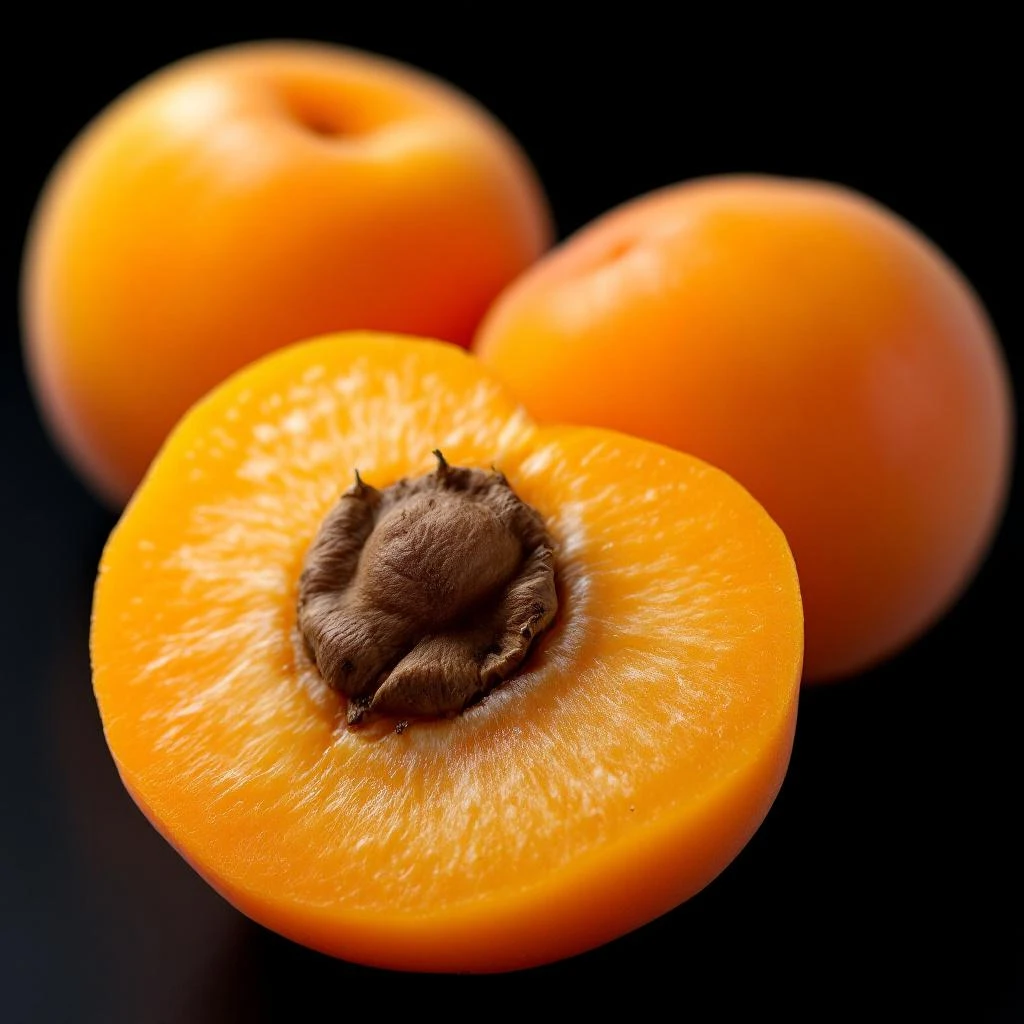
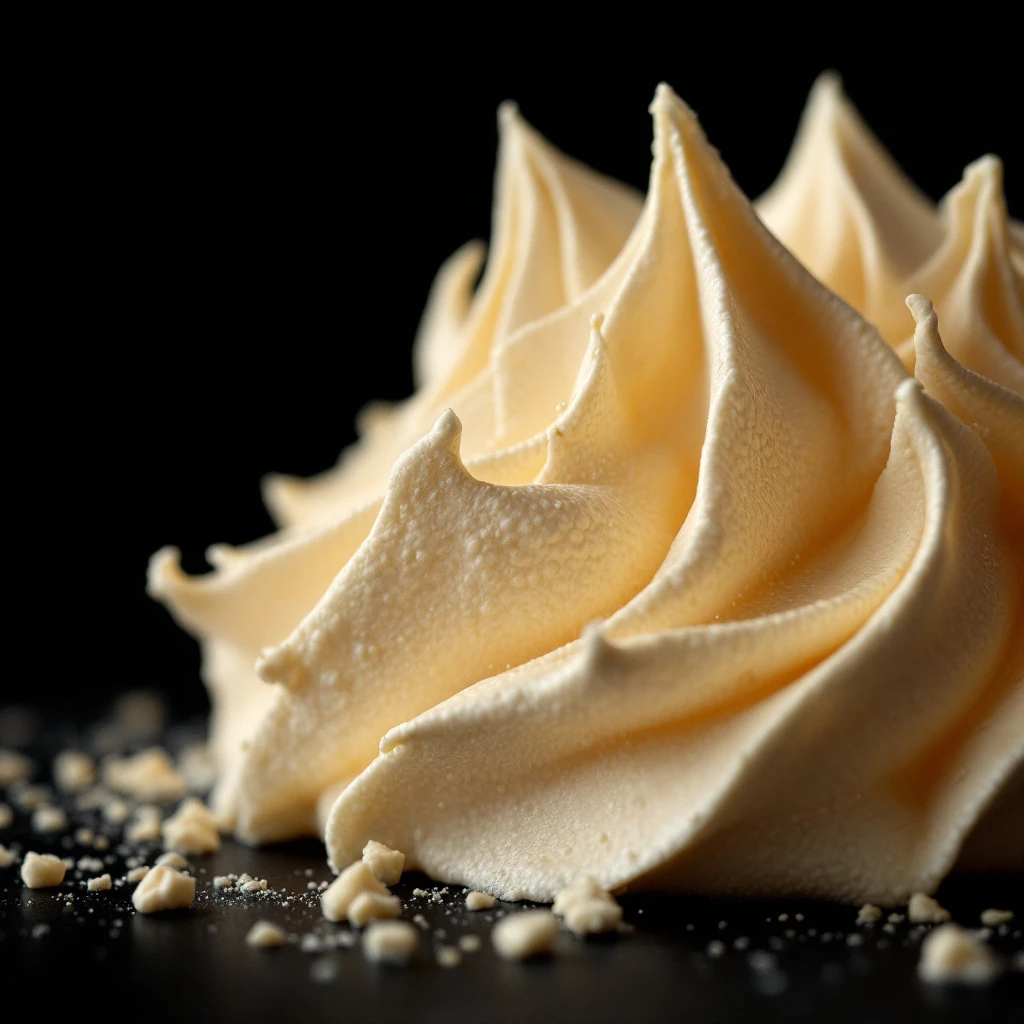
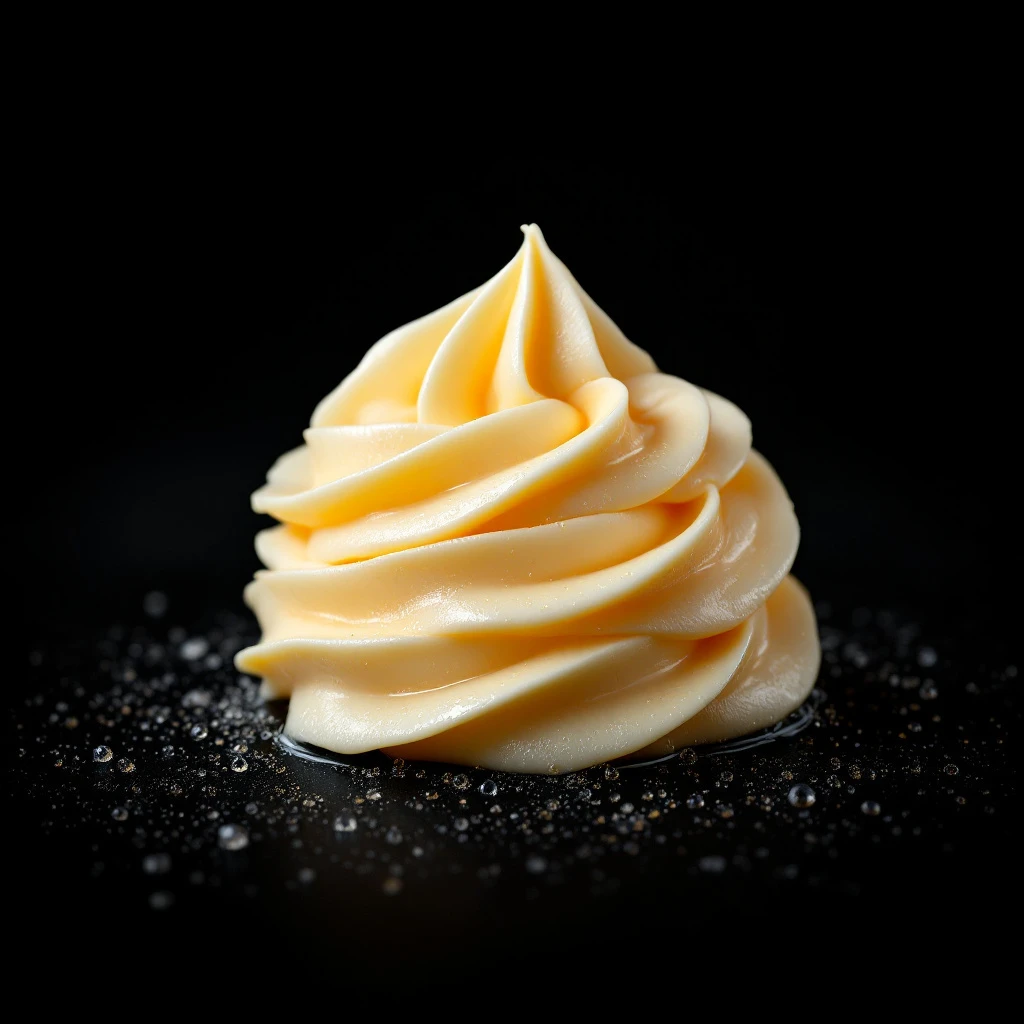
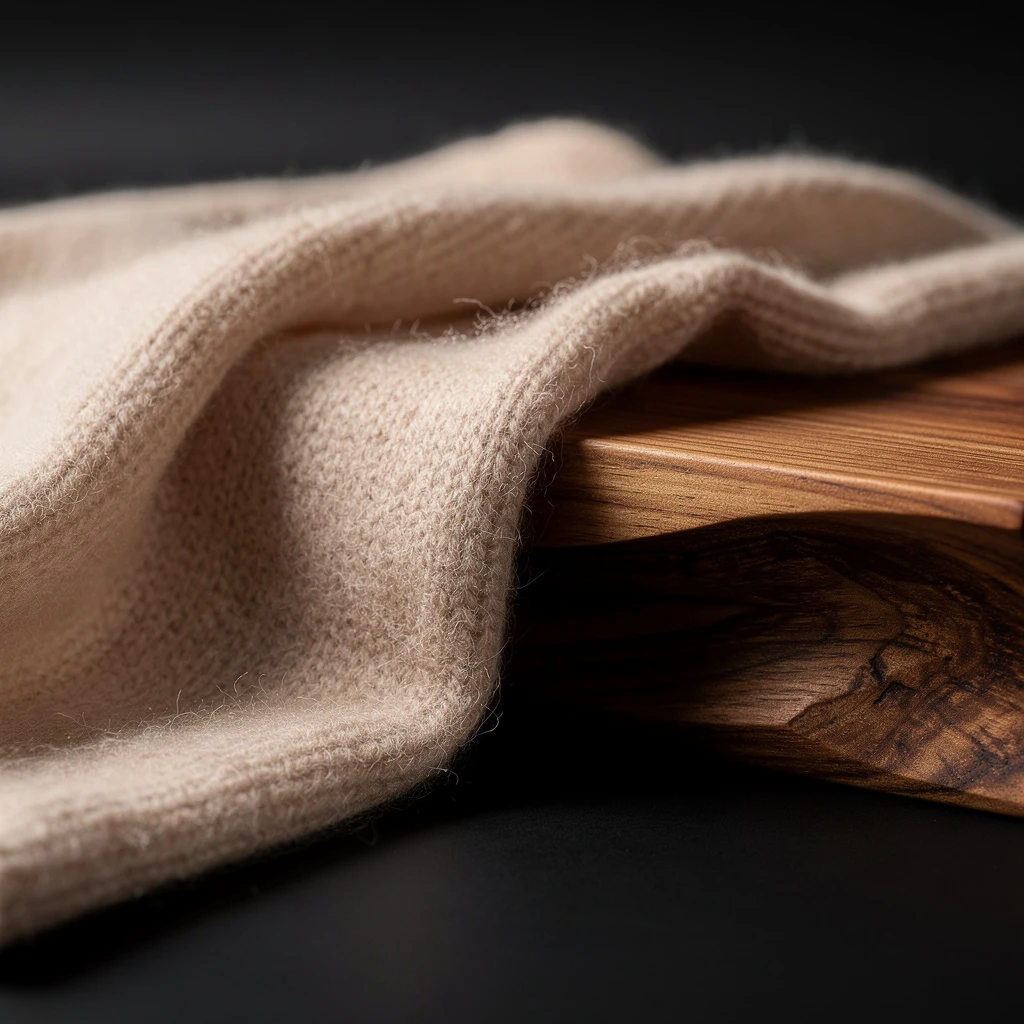
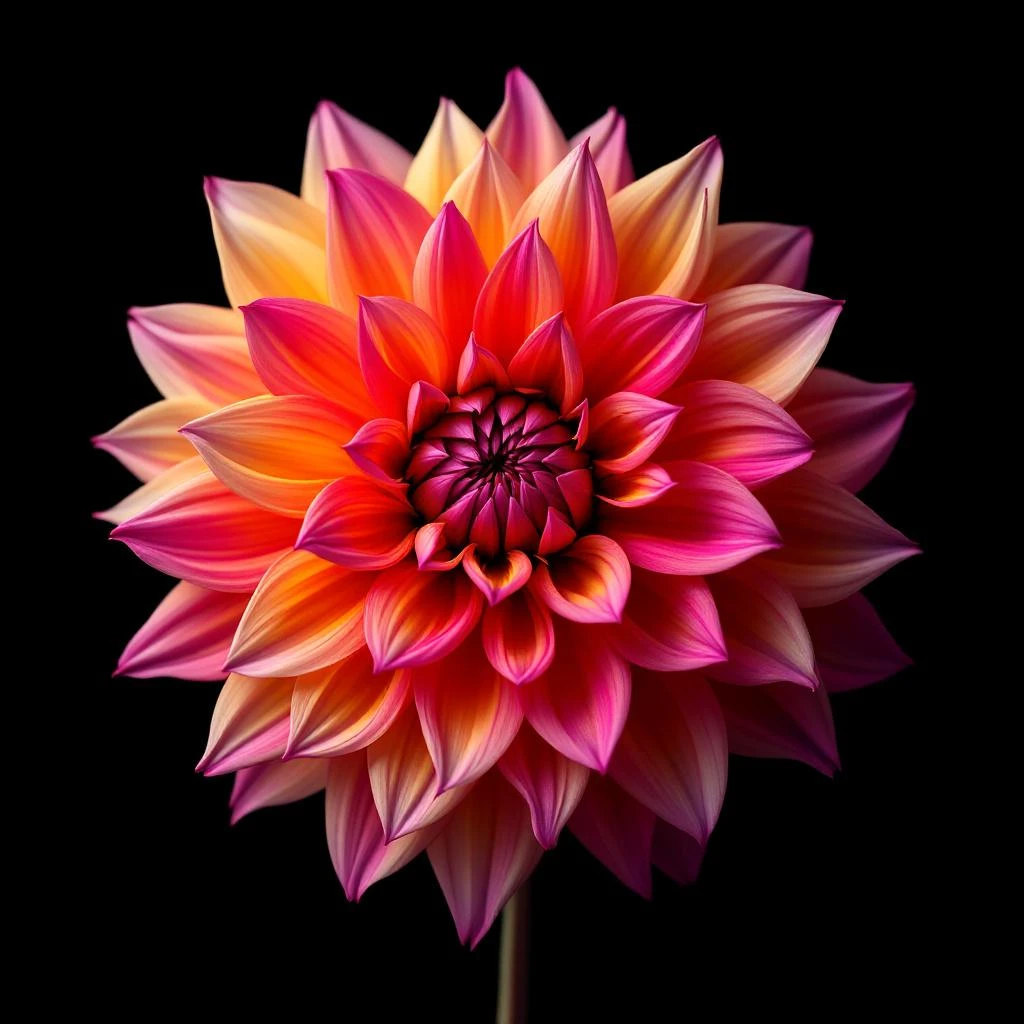
Hazelnut flower offers a subtle green-nutty aroma, blending fresh spring bloom with a whisper of roasted almond, adding depth and warmth to refined fragrance blends.
Character
How it smells
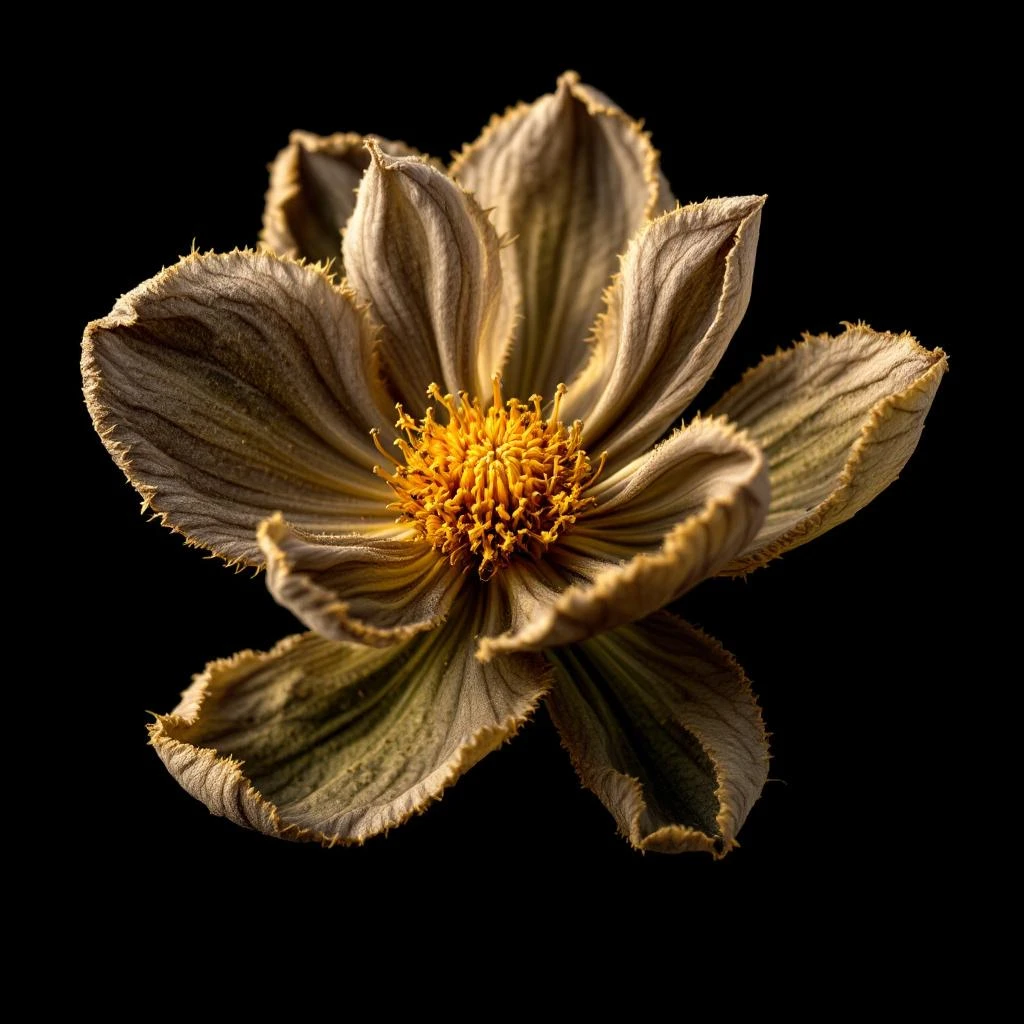
Green nutty elegance from the hazel blossom.
The hazelnut tree blooms before its leaves appear, and the fleeting white-cream flowers produce a scent that perfumers capture in less than 48 hours after opening.



Origin
Turkey
Ancient Greeks prized hazelnut oil for its warm, nutty scent, using it in sacred rites and as a skin tonic. Roman texts record the export of hazelnut extracts from the provinces of Asia Minor, where early distillation methods captured the plant's essence.
During the Middle Ages, Arab alchemists refined solvent‑based techniques, allowing the isolation of fragrant compounds from delicate blossoms. By the 19th century, European perfumers incorporated hazelnut flower absolute into gourmand and oriental blends, noting its ability to soften sharp spices.
In the 20th century, the ingredient gained popularity among niche houses seeking natural nutty accents without the heaviness of roasted nuts. Today, sustainable orchards in Turkey and Italy supply the global market, and the note appears in both luxury and artisanal fragrances, linking historic tradition with modern green chemistry.
Wears it best
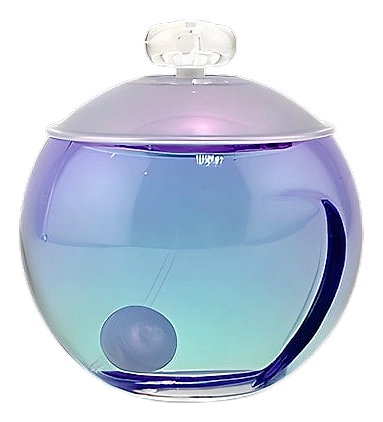
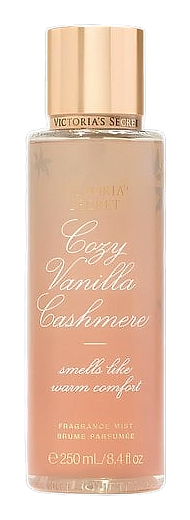
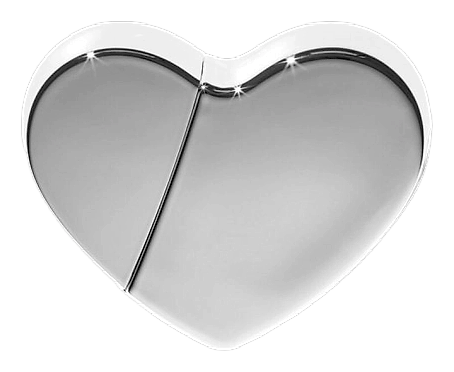
Fragrances featuring Hazelnut Flower
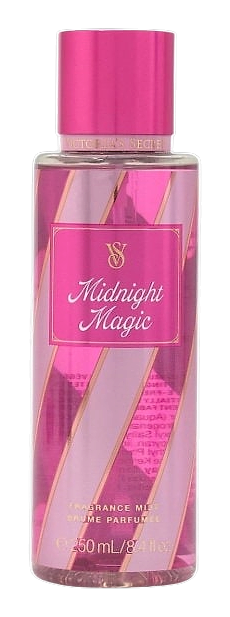
Brands
Brands known for Hazelnut Flower
Good to know
Questions, answered
The essentials on Hazelnut Flower in perfumery: how it smells, where it comes from, and how it behaves on skin.
What scent profile does hazelnut flower provide?
Hazelnut flower gives a light green-nutty scent with hints of fresh blossom and faint roasted almond. A 2022 GC-MS study identified 12% filbertone and 8% benzaldehyde, which drive the nutty nuance. The aroma sits between floral and gourmand, making it versatile.
How long does hazelnut flower absolute last on skin?
Hazelnut flower absolute remains noticeable for up to six hours on skin. Laboratory diffusion tests recorded a half-life of 4.5 hours at 32 °C, confirming moderate longevity. It pairs well with base notes that extend its presence, especially amber or woody accords that anchor the scent.
Is hazelnut flower safe for sensitive skin?
Hazelnut flower is generally safe for most skin types, but it may trigger reactions in people allergic to tree nuts. Patch-test data from 2021 shows a 0.4% incidence of irritation among 500 volunteers. Use concentrations below 2% to minimize risk.
Which perfume families benefit most from hazelnut flower?
Hazelnut flower shines in gourmand and oriental perfume families. Its nutty nuance reinforces sweet vanilla and spice accords. In 2019, 27% of top-selling gourmand fragrances listed hazelnut flower as a supporting note, and it also adds depth to amber bases, creating a warm, lingering finish.
Can hazelnut flower be combined with citrus notes?
Hazelnut flower blends smoothly with citrus top notes, balancing bright acidity with subtle nutty warmth. A 2020 formulation trial combined 1% hazelnut flower with 5% bergamot, resulting in a harmonious opening that retained freshness for three hours. The combination also enhanced the perceived longevity of the citrus accord.
How is hazelnut flower sourced sustainably?
Hazelnut flower is harvested from organically managed orchards in Turkey’s Black Sea region. Growers prune trees to encourage abundant flowering, then hand-pick buds within 24 hours of opening. In 2022, certified farms delivered 1,200 kg of fresh flowers, supporting local economies. Sustainable practices include composting spent plant material and conserving water.
Does hazelnut flower contain allergens?
Hazelnut flower contains trace amounts of allergenic proteins similar to those in hazelnut kernels. Clinical testing in 2021 recorded positive skin responses in 2 of 300 participants with known nut allergies. Formulators often limit its use to under 1% in products for sensitive markets.
What is the typical concentration of hazelnut flower in a perfume formula?
Typical perfume formulas use hazelnut flower at 0.5% to 2% of the total composition. A 2023 case study on a niche amber fragrance reported a 1.2% inclusion, which contributed a balanced nutty accent without overpowering the base. Adjusting the level fine-tunes the scent’s character.