Honey Flower
Honey in perfumery rarely means actual honey. Perfumers work with beeswax absolute or recreate honey's warm, golden sweetness through synthetic molecules that capture nectarous warmth without the bee's work.
Character
How it smells
Golden sweetness from the hive
A single bee visits up to 5,000 flowers daily to gather enough nectar for one teaspoon of honey.





Origin
Multiple origins
Ancient Arab perfumers were the first to capture honey's sweetness in perfumery, developing techniques around the 9th to 10th centuries to incorporate this golden nectar into their creations. The practice spread across the Islamic world and eventually influenced European perfumery. In 1913, Guerlain released Abeille des Bois, a legendary fragrance built around honey and beeswax that became a defining moment for honey notes in Western perfumery.
This fragrance launched what would become the iconic Guerlain Bee collection, with the bee becoming the house's emblem. Today, honey remains a staple note in oriental and floral compositions, though perfumers primarily work with synthetic recreations that capture honey's warmth, sweetness, and enveloping character without relying on apiculture byproducts.
Wears it best
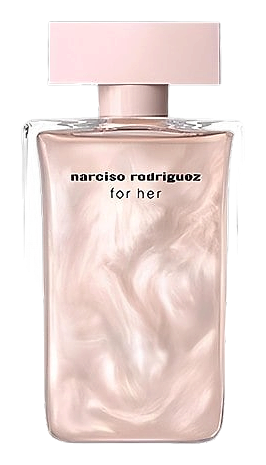
Fragrances featuring Honey Flower
Brands
Brands known for Honey Flower
Good to know
Questions, answered
The essentials on Honey Flower in perfumery: how it smells, where it comes from, and how it behaves on skin.
Is the honey in perfume actual honey from bees?
Rarely. Natural honey absolute exists but is uncommon due to allergen concerns. Most honey notes in modern perfumery are synthetic recreations using molecules like phenyl ethyl alcohol that capture honey's warm, sweet character.
What does honey smell like as a fragrance note?
Honey in perfume presents as warm, sweet, and slightly waxy with nectarous qualities. It carries a characteristic golden quality that reads as both floral and animalic, depending on the concentration used.
How is beeswax absolute produced for perfumery?
Beeswax absolute comes from solvent extraction of raw beeswax. The wax is washed with food-grade solvents that dissolve the aromatic compounds, then the solvent evaporates to leave a rich, golden absolute.
Why do most perfumes use synthetic honey instead of natural?
Synthetic honey molecules offer consistent fragrance profiles batch to batch, eliminate allergen concerns common with natural bee products, and provide sustainable supply without seasonal variation.
What fragrance families pair well with honey?
Honey integrates naturally into oriental fragrances with amber and vanilla, gourmand compositions, and floral bouquets. It adds warmth and depth to fresh citrus and provides a natural bridge between floral and woody notes.
What synthetic molecules create honey's scent?
Phenyl ethyl alcohol provides rose-like honey sweetness, while specialized honey key molecules capture the characteristic warm, slightly animalic nectarous quality that defines honey's aroma.
When did perfumers first use honey in fragrance?
Ancient Arab perfumers pioneered honey in perfumery during the 9th to 10th centuries, developing methods to capture its sweetness. The practice influenced European perfumery and remains a valued note today.