Honey Candy
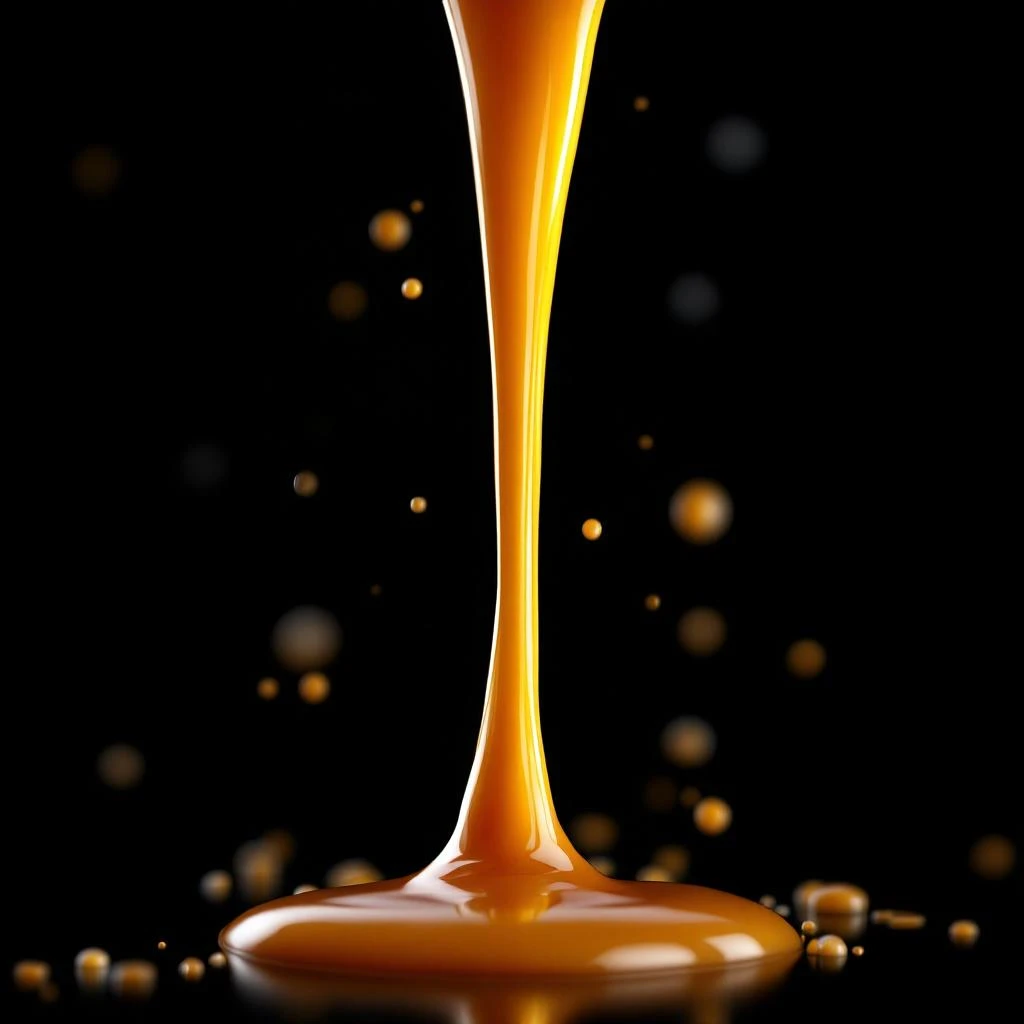
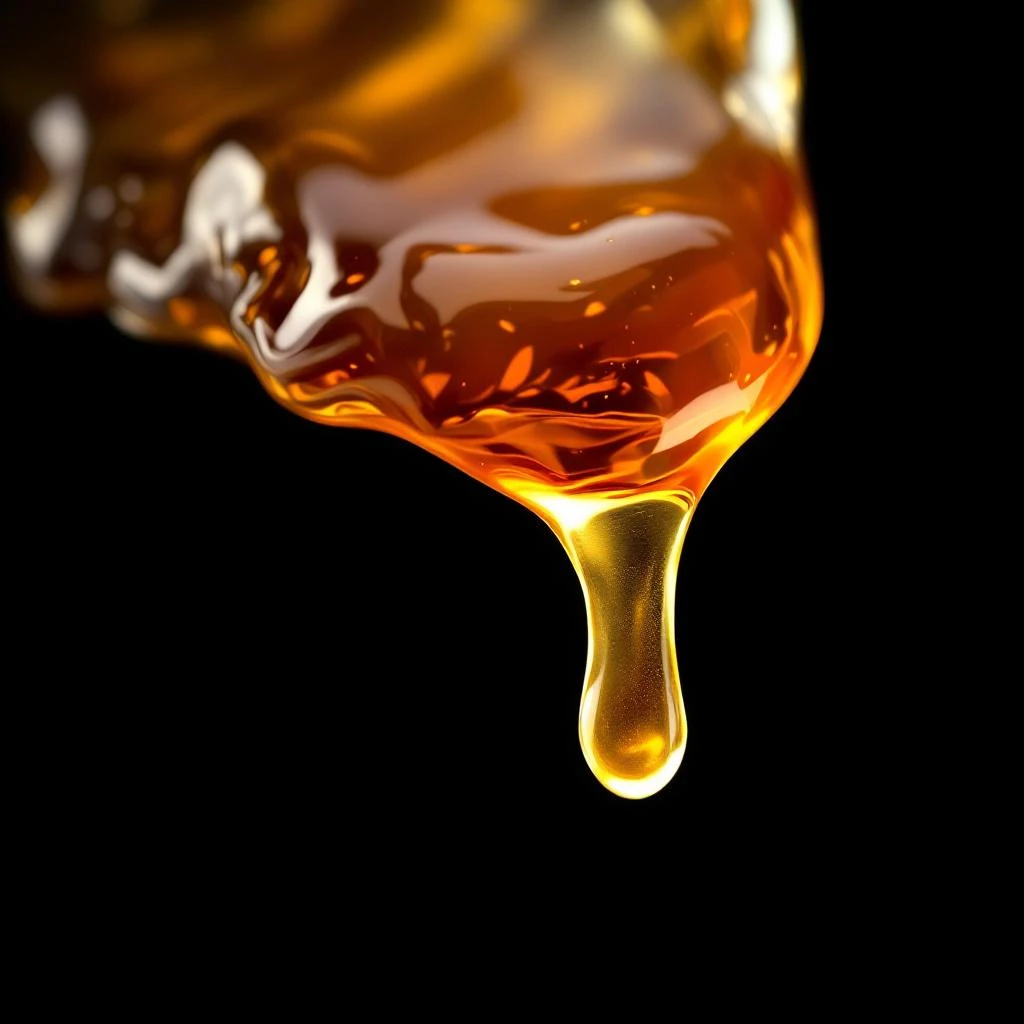
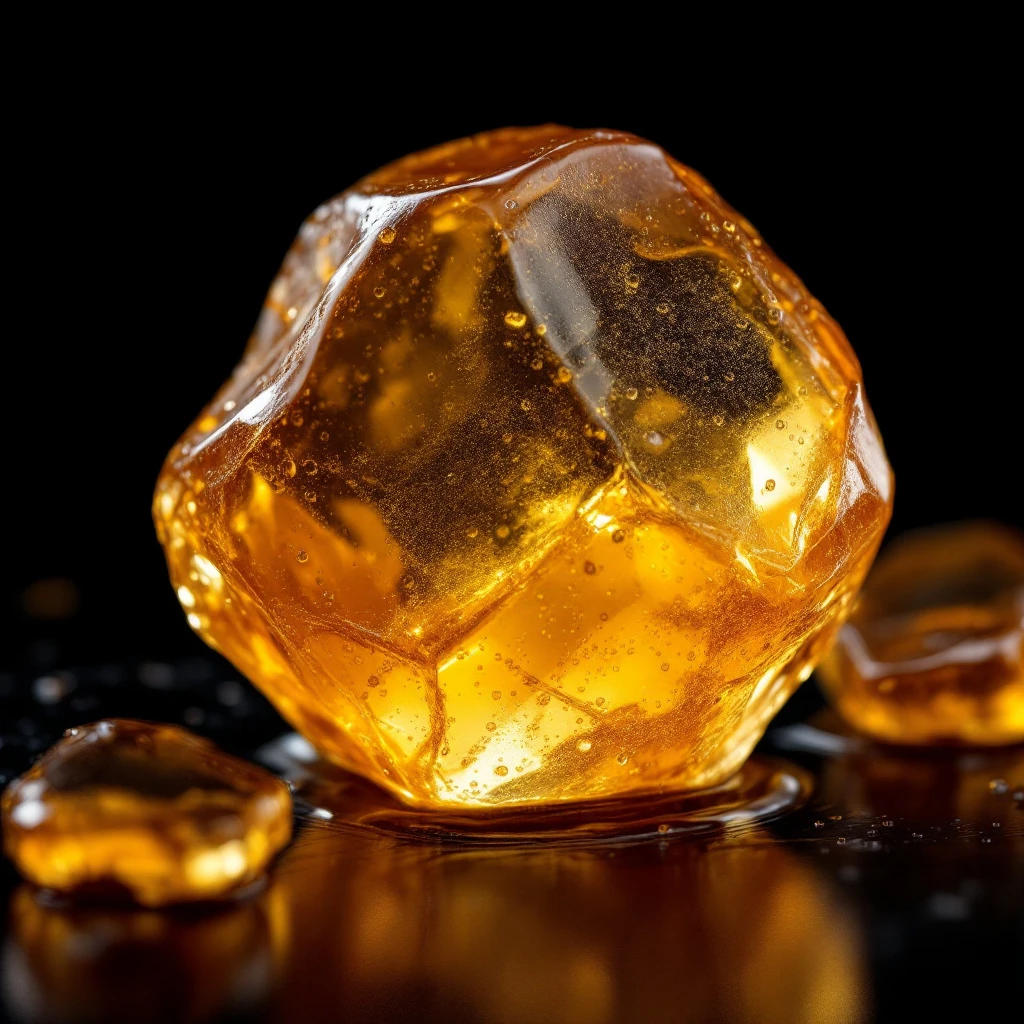
A confection of golden sweetness, honey candy note captures the warm, sticky richness of caramelized honey droplets without the work of bees. Gourmand perfumers prize it for adding indulgent depth.
Character
How it smells
Liquid sunshine, bottled.
Bees must visit roughly two million flowers to produce just one pound of honey, which is why perfumers often recreate the scent synthetically rather than depend on hives.
Pairs beautifully with



Origin
France
Honey is among the oldest fragrance materials known, referenced in Mesopotamian recipes from around 1200 BCE and buried in Egyptian tombs where unguent jars still carried traces of sweetness after 3,000 years. The Romans burned honey scented resins at altars and used honeyed oils to perfume baths, with Pliny the Elder documenting these practices in his Naturalis Historia.
Medieval European apothecaries blended honey into pomades and tinctures for both skin and scent. The candy version of this note, however, is a modern construction.
It emerged in the late 20th century alongside the gourmand perfume movement, when perfumers began isolating specific sweet, sugary facets from nature and rebuilding them as accords. This shift allowed the warm, addictive character of honey candy to appear in fragrances without the agricultural complexity of beekeeping, marking a turning point where synthetic chemistry defined an entire flavor of sweetness in modern perfumery.
Wears it best
Fragrances featuring Honey Candy
Brands
Brands known for Honey Candy
Good to know
Questions, answered
The essentials on Honey Candy in perfumery: how it smells, where it comes from, and how it behaves on skin.
What does honey candy smell like in perfume?
It smells like warm, golden honey thickened with sugar, rich and syrupy with a soft caramelized edge. The note sits firmly in the gourmand family and reads as edible, comforting, and indulgent rather than floral or waxy.
Is honey candy made from real honey?
Almost never. Most honey candy notes are built from synthetic aromachemicals because real honey oxidizes quickly in fragrance bases. A few artisan perfumers add beeswax absolute for depth, but the candy sweetness itself is reconstructed in a lab.
Is honey candy a base note or top note?
Honey candy functions as a base note in most compositions. Its heavy, sugary molecules evaporate slowly, anchoring lighter citrus or floral top notes and giving fragrances a long lasting warmth on skin.
What fragrances contain honey candy accord?
Many gourmand orientals from the 1990s onward feature this accord, including scents like Aqualina Pink Sugar and Mugler Alien. It also appears in newer niche releases where perfumers seek confectionery richness without using real animal derived honey.
Is honey candy note vegan?
Typically yes, since most honey candy accords rely on synthetic molecules. However, versions containing beeswax absolute or honey extracts are not vegan. Checking the brand's ingredient disclosure is the surest way to confirm.
What notes pair well with honey candy?
Vanilla, tonka bean, and benzoin amplify its sweetness, while tobacco and oud add smoky contrast. Citrus notes like bergamot brighten the accord, and spices such as cinnamon or clove push it toward warm, spiced gourmand territory.
How long does honey candy last on skin?
As a base note, honey candy typically persists six to ten hours, depending on concentration and supporting ingredients. On fabric it can linger even longer, which is why gourmand fragrances often project strongly into the following day.
Why is honey candy popular in gourmand perfumes?
It triggers an immediate sensory association with comfort food and sweetness, which modern consumers find emotionally appealing. The note gives perfumers a stable, reproducible way to deliver that effect without the formulation challenges of real honey.